Can a nurse give injections at home?
Can a Nurse Give Injections at Home?
Access to healthcare is evolving, and more patients are choosing to receive medical care in the comfort of their own homes. One common question that arises is whether a nurse can safely and legally administer injections at home. The short answer is yes. However, there are important factors to understand around safety, qualifications, types of injections, and when home-based care is appropriate.
This guide explores everything you need to know about receiving injections at home from a qualified nurse, helping you make informed decisions for yourself or your loved ones.
Understanding Home-Based Nursing Care
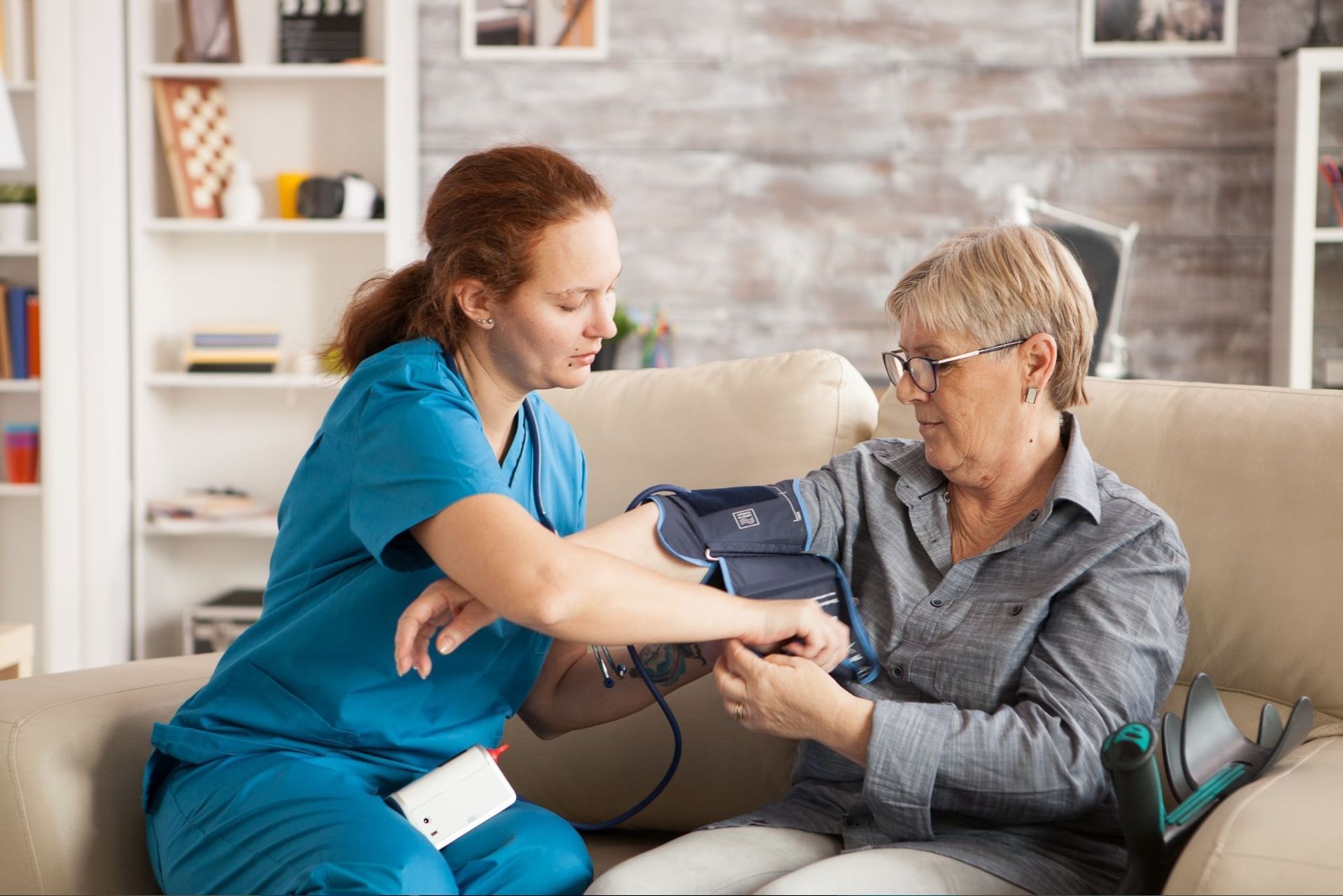
Home healthcare services have become an essential part of modern medical support, especially for individuals with limited mobility, chronic illnesses, or those recovering from surgery. Trained nurses now routinely provide a wide range of services outside of traditional clinical settings, including wound care, medication management, and injections.
Receiving care at home offers several advantages. It reduces the need for travel, lowers exposure to hospital-acquired infections, and provides a more relaxed environment for treatment. For many patients, this leads to better adherence to treatment plans and improved overall outcomes.
Can Nurses Legally Administer Injections at Home?
In the United Kingdom, registered nurses are fully authorised to administer injections in home settings, provided they follow professional guidelines and operate within their scope of practice. These nurses are regulated by the Nursing and Midwifery Council (NMC), ensuring that they meet strict standards of training, competence, and ethical care.
A nurse providing injections at home must:
- Be properly qualified and registered with the NMC
- Follow prescribed treatment plans from a doctor or independent prescriber
- Maintain hygiene and safety standards during administration
- Keep accurate records of medications and procedures
As long as these conditions are met, home injection services are both legal and widely practised across the UK.
Types of Injections That Can Be Given at Home
Not all injections require a hospital visit. Many can be safely administered in a home setting by a qualified nurse. These include:
1. Intramuscular Injections
These are delivered into the muscle and are commonly used for:
- Vitamin B12 injections
- Hormone therapy
- Certain vaccines
- Pain relief medications
2. Subcutaneous Injections
Administered just under the skin, these are often used for:
- Insulin for diabetes management
- Blood thinners such as heparin
- Some biologic medications
3. Intravenous Injections and Infusions
In more complex cases, nurses can administer medications directly into a vein. This includes:
- Antibiotic therapy
- Hydration fluids
- Chemotherapy in specialised home care setups
4. Vaccinations
Flu vaccines, travel vaccines, and other immunisations can often be administered at home, particularly for patients who cannot attend clinics.
Who Might Need Injections at Home?
Home injection services are beneficial for a wide range of patients. These include:
- Elderly individuals with mobility issues
- Patients recovering after surgery
- Individuals with chronic illnesses requiring regular medication
- People with disabilities or neurological conditions
- Patients receiving palliative or end-of-life care
- Busy professionals seeking convenience and privacy
By receiving care at home, patients can avoid the stress and inconvenience of repeated hospital visits.
Safety Considerations for Home Injections
Safety is a top priority when administering injections at home. Qualified nurses follow strict clinical protocols to ensure every procedure is carried out safely and effectively.
Key safety measures include:
Proper Assessment
Before administering any injection, the nurse assesses the patient’s medical history, allergies, and current condition.
Sterile Technique
All equipment used is sterile, and proper hygiene practices are followed to prevent infection.
Correct Dosage and Medication
Nurses verify prescriptions carefully and ensure the correct medication and dosage are administered.
Monitoring for Reactions
After the injection, patients are monitored for any adverse reactions such as allergic responses or side effects.
Safe Disposal
Used needles and medical waste are disposed of according to healthcare regulations to prevent contamination or injury.
Benefits of Receiving Injections at Home
Choosing home-based injection services offers several practical and emotional benefits:
Comfort and Convenience
Patients can receive treatment without leaving their home, saving time and effort.
Personalised Care
Home visits allow nurses to provide one-to-one attention, tailored to the patient’s needs.
Reduced Anxiety
Many people feel more relaxed in their own environment compared to clinical settings.
Improved Compliance
Patients are more likely to follow treatment schedules when care is accessible and convenient.
Lower Infection Risk
Avoiding hospitals reduces exposure to other illnesses and infections.
Are There Any Risks?
While home injections are generally safe, there are some risks to be aware of:
- Incorrect administration if performed by unqualified individuals
- Allergic reactions to medications
- Infection if sterile procedures are not followed
- Complications in patients with complex medical conditions
These risks are significantly minimised when services are provided by trained professionals. This is why choosing a reputable home healthcare provider is essential.
Choosing the Right Home Nursing Service
Selecting a reliable provider is crucial for safe and effective care. When choosing a home nursing service, consider the following:
Qualifications and Registration
Ensure the nurse is registered with the NMC and has relevant experience.
Reputation and Reviews
Look for testimonials or reviews from other patients to assess service quality.
Range of Services
Choose a provider that offers comprehensive care, including follow-up support.
Transparency
Clear communication about costs, procedures, and scheduling is important.
Availability
Flexible appointment options can make ongoing treatment more manageable.
For trusted and professional home nursing services, you can visit
https://www.nurseagnes.co.uk/ to learn more about available care options and personalised support.
What to Expect During a Home Injection Visit
If you are considering home injection services, it helps to know what the process typically involves:
- Initial Consultation
The nurse reviews your medical history and prescription requirements. - Preparation
Equipment is prepared using sterile techniques. - Administration
The injection is given safely and efficiently. - Post-Care Monitoring
The nurse observes for any immediate reactions and provides aftercare advice. - Documentation
Records are updated to track treatment and progress.
This structured approach ensures high standards of care are maintained at all times.
Can Family Members Be Trained to Give Injections?
Nurses routinely administer a variety of injections, including:
- Vaccinations such as flu and COVID-19
- Vitamin injections including B12
- Hormone treatments
- Pain management injections
- Antibiotics
- Insulin for diabetes management
Each of these requires a tailored approach depending on the patient’s condition and medical history.
Risks and Complications of Injections
In some cases, family members or caregivers can be trained to administer certain types of injections, such as insulin. However, this depends on:
- The complexity of the medication
- The patient’s condition
- Guidance from healthcare professionals
Even when training is provided, periodic supervision by a qualified nurse is recommended to ensure ongoing safety.
Cost of Home Injection Services in the UK
The cost of having a nurse administer injections at home varies depending on several factors:
- Type of injection or treatment
- Frequency of visits
- Location
- Level of expertise required
While home care may seem more expensive than visiting a clinic, many patients find the convenience, comfort, and personalised care justify the cost.
The Future of Home Healthcare
Home healthcare is rapidly expanding across the UK. Advances in medical technology, combined with increasing demand for personalised care, mean that more treatments than ever can now be safely delivered at home.
From routine injections to complex therapies, home nursing services are playing a vital role in reducing pressure on hospitals while improving patient experiences.
So, can a nurse give injections at home? Absolutely. With the right qualifications, adherence to safety standards, and proper medical guidance, home-based injection services are a safe, effective, and increasingly popular option.
Whether you need regular medication, post-operative care, or support for a chronic condition, receiving injections at home can provide comfort, convenience, and peace of mind.
Choosing a trusted provider ensures that you or your loved one receives professional care without compromising on safety or quality.