How do nurses help after cardiac surgery?
How Do Nurses Help After Cardiac Surgery?
Heart surgery is a major milestone in a person's life, but the operation itself is only one part of the recovery journey. What happens after cardiac surgery often determines how quickly and safely a patient returns to normal life. During this critical period, nurses play one of the most important roles in ensuring successful recovery. They monitor health, prevent complications, provide emotional support, educate patients, and coordinate ongoing care from hospital to home.
Whether someone has undergone coronary artery bypass grafting (CABG), heart valve replacement, pacemaker implantation, or another cardiac procedure,
professional nursing care is essential throughout the recovery process.
At
Nurse Agnes, experienced nursing professionals understand that every patient's recovery journey is unique. Personalised care, expert monitoring, and compassionate support help patients regain confidence while reducing the risk of complications.
This guide explains exactly how nurses help after cardiac surgery, what patients can expect during recovery, and why expert nursing care is one of the most valuable parts of post-operative treatment.
Why Nursing Care Matters After Cardiac Surgery
Cardiac surgery places considerable stress on the body. Although surgeons repair the heart during the operation, the healing process continues for weeks or even months afterwards.
During recovery, patients may experience:
- Pain and discomfort
- Fatigue
- Reduced mobility
- Anxiety or depression
- Changes in breathing
- Medication adjustments
- Wound healing
- Lifestyle changes
Without careful monitoring, complications can develop quickly.
This is why specialist cardiac nurses remain involved from the moment patients leave the operating theatre until they regain independence.
Immediate Post Operative Nursing Care
The first 24 to 48 hours after surgery are the most critical.
Patients are usually transferred to the intensive care unit (ICU) or a high dependency unit where specialist
cardiac nurses provide continuous monitoring.
Their responsibilities include:
Monitoring Vital Signs
Nurses continuously assess:
- Blood pressure
- Heart rate
- Oxygen saturation
- Respiratory rate
- Body temperature
- Cardiac rhythm
Any changes can indicate bleeding, infection, arrhythmias, or other complications requiring immediate medical attention.
Managing Ventilation
Many patients remain on a ventilator immediately after surgery.
Nurses:
- Monitor oxygen levels
- Check breathing patterns
- Assist with safe removal of the breathing tube
- Encourage deep breathing once awake
Proper respiratory management helps prevent pneumonia and other chest complications.
Monitoring Drainage Tubes
Chest drains remove excess blood and fluid after surgery.
Nurses regularly check:
- Drain output
- Colour of drainage
- Tube position
- Signs of blockage
Prompt action prevents pressure from building around the heart or lungs.
Pain Management
Effective pain control is one of the most important nursing responsibilities.
Pain can prevent patients from:
- Breathing deeply
- Coughing effectively
- Walking
- Sleeping
- Participating in rehabilitation
Cardiac nurses carefully assess pain using recognised pain scales before administering medication.
Pain management may include:
- Intravenous analgesics
- Oral pain medication
- Position changes
- Relaxation techniques
- Cold therapy where appropriate
Good pain control supports faster healing and earlier mobilisation.
Helping Patients Breathe Properly
After heart surgery, many patients naturally avoid deep breathing because of chest discomfort.
Unfortunately, shallow breathing increases the risk of:
- Chest infections
- Pneumonia
- Lung collapse (atelectasis)
Nurses teach breathing exercises such as:
Deep Breathing Exercises
Patients learn how to:
- Take slow deep breaths
- Hold each breath briefly
- Exhale fully
These exercises improve oxygen delivery and lung expansion.
Supported Coughing
Using a pillow against the chest helps reduce discomfort while coughing.
This clears mucus and protects lung health.
Incentive Spirometry
Many hospitals provide breathing devices that encourage patients to take slow, deep breaths.
Nurses supervise their correct use throughout recovery.
Encouraging Early Mobilisation
One of the biggest advances in cardiac recovery is encouraging patients to move as early as possible.
Remaining in bed for too long increases the risk of:
- Blood clots
- Muscle weakness
- Pressure ulcers
- Pneumonia
- Poor circulation
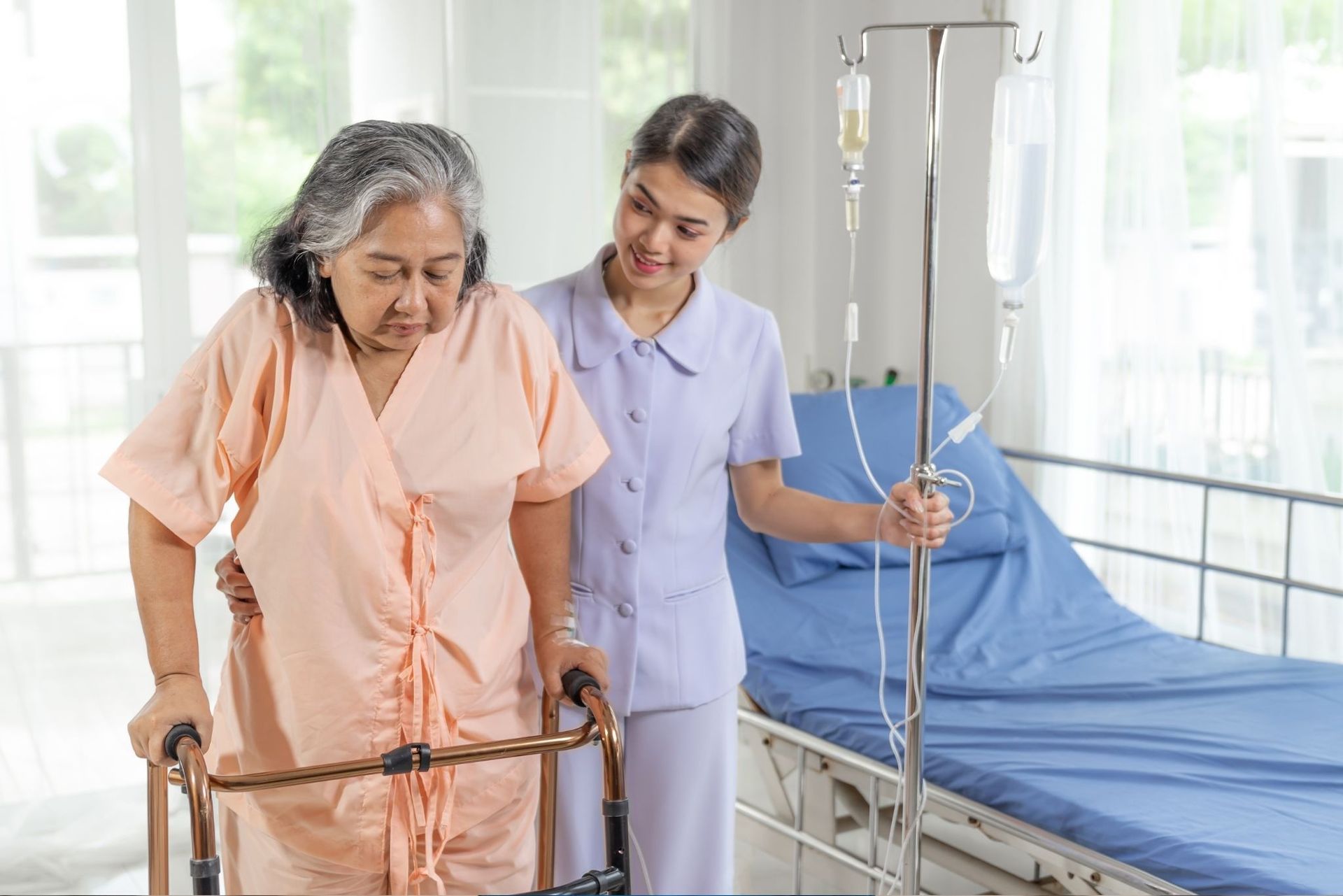
Cardiac nurses gradually increase activity levels.
The process usually includes:
Day one:
- Sitting upright
- Standing beside the bed
Day two:
- Walking short distances
Following days:
- Walking around the ward
- Climbing stairs
- Improving endurance
Every patient's progress is carefully monitored to ensure activity remains safe.
Monitoring Heart Function
After cardiac surgery, nurses carefully observe for signs of complications.
These include:
Irregular Heart Rhythms
Arrhythmias are common after heart surgery.
Nurses identify symptoms such as:
- Palpitations
- Dizziness
- Rapid heartbeat
- Slow pulse
Continuous ECG monitoring allows early treatment.
Low Cardiac Output
Poor heart function may reduce blood supply throughout the body.
Warning signs include:
- Low blood pressure
- Cold hands and feet
- Reduced urine output
- Confusion
- Fatigue
Rapid intervention can prevent serious complications.
Caring for Surgical Wounds
Preventing infection is a major priority.
Nurses inspect wounds for:
- Redness
- Swelling
- Increased pain
- Discharge
- Delayed healing
Dressings are changed using sterile techniques.
Patients are also taught how to care for their wounds after discharge.
Medication Management
Heart surgery patients often leave hospital with several medications.
These may include:
- Blood thinners
- Beta blockers
- ACE inhibitors
- Statins
- Diuretics
- Pain medication
Nurses explain:
- Why each medicine is prescribed
- When to take it
- Possible side effects
- What to do if a dose is missed
- Which medicines should never be stopped suddenly
Medication education reduces hospital readmissions.
Preventing Blood Clots
Blood clots are a recognised risk following surgery.
Nurses help prevent them by encouraging:
- Walking
- Leg exercises
- Compression stockings
- Hydration
- Anticoagulant medication where prescribed
Early prevention significantly lowers the risk of deep vein thrombosis and pulmonary embolism.
Supporting Nutrition and Recovery
The body requires adequate nutrition for healing.
Cardiac nurses encourage patients to eat balanced meals rich in:
- Protein
- Whole grains
- Fruits
- Vegetables
- Healthy fats
Patients also receive advice on reducing:
- Salt
- Saturated fat
- Processed foods
- Excess sugar
Good nutrition supports wound healing, muscle recovery and long term heart health.
Emotional Support After Heart Surgery
Recovery is not only physical.
Many patients experience:
- Fear
- Anxiety
- Depression
- Mood changes
- Sleep disturbances
These feelings are extremely common after cardiac surgery.
Nurses provide reassurance through:
- Active listening
- Emotional encouragement
- Answering questions honestly
- Helping patients understand their recovery timeline
Early emotional support often improves both mental wellbeing and physical recovery.
Patient Education Before Going Home
Preparing patients for discharge is one of the most valuable nursing responsibilities.
Education usually includes:
Activity Guidelines
Patients learn:
- Safe walking distances
- Lifting restrictions
- Driving advice
- Returning to work
- Resuming daily activities
Warning Signs
Patients should know when to seek medical help.
Important symptoms include:
- Chest pain
- Fever
- Shortness of breath
- Swollen legs
- Wound infection
- Rapid heartbeat
Recognising these signs early may prevent serious complications.
Lifestyle Changes
Cardiac nurses explain how healthier habits reduce future heart problems.
These include:
- Stopping smoking
- Managing blood pressure
- Reducing cholesterol
- Maintaining healthy weight
- Regular exercise
- Stress management
- Limiting alcohol
Supporting Cardiac Rehabilitation
Most patients benefit from structured cardiac rehabilitation.
Nurses often coordinate referrals and explain its benefits.
Rehabilitation programmes include:
- Supervised exercise
- Heart health education
- Nutritional advice
- Emotional support
- Lifestyle coaching
Research consistently shows cardiac rehabilitation reduces hospital readmissions and improves quality of life.
Helping Families Understand Recovery
Recovery affects the whole family.
Relatives often worry about:
- Physical activity
- Medication schedules
- Emergency symptoms
- Wound care
- Emotional changes
Nurses provide practical education that gives families confidence in supporting recovery safely.
Monitoring for Complications
Although most patients recover well, nurses remain alert for complications including:
Infection
Possible signs include:
- Fever
- Redness
- Swelling
- Increased wound drainage
Heart Rhythm Problems
Irregular heartbeats may require medication or further treatment.
Fluid Retention
Symptoms include:
- Swollen ankles
- Sudden weight gain
- Breathlessness
Kidney Problems
Nurses monitor urine output and hydration to detect reduced kidney function early.
Respiratory Complications
Breathing exercises and mobility reduce the risk of chest infections.
Home Nursing Support After Cardiac Surgery
Some patients continue recovering at home with professional nursing assistance.
Home nursing can include:
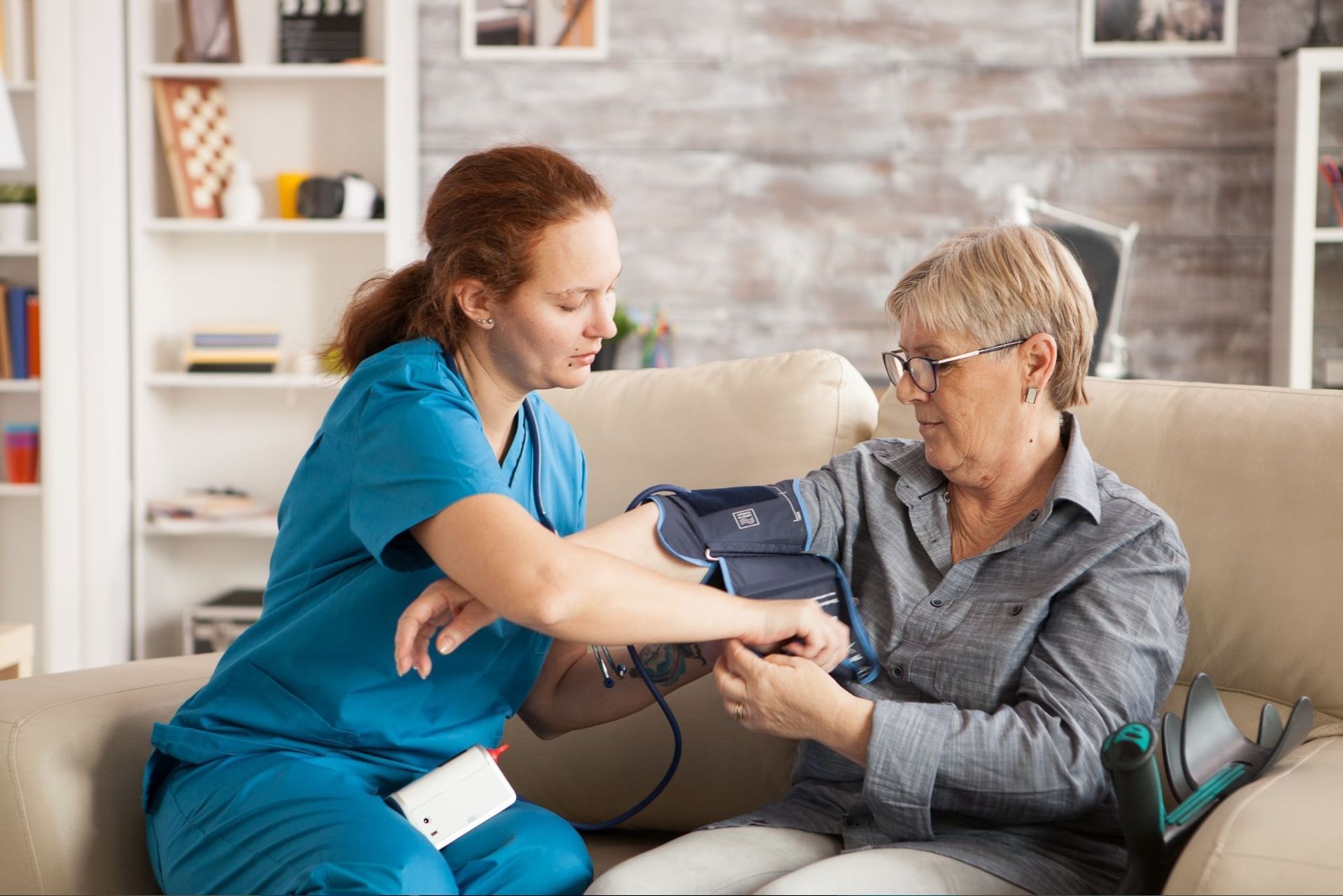
- Blood pressure monitoring
- Medication support
- Wound dressing changes
- Health assessments
- Recovery monitoring
- Patient education
- Emotional support
Home visits provide reassurance while allowing patients to recover in familiar surroundings.
The Importance of Personalised Care
Every cardiac patient is different.
Recovery depends on factors such as:
- Age
- General health
- Type of surgery
- Existing medical conditions
- Lifestyle
- Family support
Experienced nurses tailor care plans to each patient's specific needs rather than using a one size fits all approach.
This personalised care improves both comfort and long term recovery outcomes.
How Nurses Help Reduce Hospital Readmissions After Cardiac Surgery
One of the primary goals of post operative cardiac care is preventing avoidable hospital readmissions. Patients who have recently undergone heart surgery are more vulnerable to complications during the first few weeks after discharge. Without proper guidance, even minor issues can become serious enough to require emergency treatment.
Nurses play a significant role in reducing this risk by providing continuous assessment, patient education, and personalised care plans. Before a patient leaves the hospital, nurses ensure they understand their medications, follow up appointments, activity restrictions, and dietary recommendations. They also explain the symptoms that should never be ignored, such as chest pain, increasing breathlessness, fever, swelling in the legs, or signs of wound infection.
For patients receiving community or home nursing services, regular health assessments allow concerns to be identified early. Nurses can monitor blood pressure, heart rate, oxygen saturation, weight changes, and wound healing while communicating with the wider healthcare team if any abnormalities develop.
Studies have consistently shown that effective nursing interventions reduce complications, improve treatment adherence, and lower the likelihood of readmission following cardiac surgery. This not only improves patient outcomes but also reduces pressure on NHS services and hospitals.
Supporting Patients Through Lifestyle Changes
Heart surgery often marks the beginning of a healthier lifestyle rather than the end of treatment. Many of the conditions that lead to cardiac surgery, including coronary artery disease and heart failure, require lifelong management.
Nurses help patients make sustainable lifestyle changes that protect long term heart health.
Smoking cessation is one of the first priorities. Nurses explain how smoking affects blood vessels, increases blood pressure, and raises the risk of future heart attacks. They may also provide information about stop smoking services and nicotine replacement therapies where appropriate.
Exercise is another key focus. While strenuous activity is restricted immediately after surgery, nurses encourage gradual increases in physical activity based on the patient's recovery stage. Walking programmes, gentle stretching, and participation in cardiac rehabilitation all contribute to rebuilding strength and cardiovascular fitness.
Healthy eating advice is also personalised. Rather than recommending restrictive diets, nurses encourage practical dietary habits that patients can maintain over time. This often includes increasing fruit and vegetable intake, choosing lean sources of protein, reducing processed foods, limiting salt consumption, and selecting healthier fats.
Stress management is equally important. Chronic stress has been linked to higher blood pressure and increased cardiovascular risk. Nurses discuss relaxation techniques, sleep hygiene, mindfulness, and the importance of maintaining social connections during recovery.
Communication Between Nurses and the Multidisciplinary Team
Successful cardiac recovery depends on close collaboration between healthcare professionals. Nurses act as the central point of communication within the multidisciplinary team, ensuring that every aspect of a patient's care is coordinated effectively.
This team may include cardiac surgeons, cardiologists, physiotherapists, occupational therapists, pharmacists, dietitians, psychologists, and general practitioners.
Because nurses spend the most time with patients, they are often the first to notice changes in physical condition or emotional wellbeing. Their observations help doctors make informed decisions about medication adjustments, further investigations, or changes to treatment plans.
For example, if a nurse notices increasing fatigue, swelling, or abnormal heart rhythms, they can escalate these concerns promptly. Similarly, if a patient appears anxious or reluctant to participate in rehabilitation, nurses can arrange additional psychological or counselling support.
This collaborative approach ensures patients receive comprehensive care rather than isolated treatments, improving both recovery and long term health outcomes.
The Value of Compassionate Nursing Care
While clinical expertise is essential, compassionate care is equally important after cardiac surgery. Patients frequently describe feelings of uncertainty as they adapt to life after a major heart operation. Concerns about physical limitations, returning to work, driving, or simply performing everyday activities can affect confidence during recovery.
Experienced nurses understand these concerns and provide reassurance throughout each stage of rehabilitation. Taking the time to answer questions, explain procedures, and encourage gradual progress helps reduce fear and build trust.
Compassionate nursing also extends to family members and carers. Loved ones often become actively involved in supporting recovery at home, yet they may feel uncertain about how much help to provide or what symptoms require urgent medical attention. Nurses educate families, helping them feel confident while reducing unnecessary anxiety.
Patients who feel supported are generally more likely to follow medical advice, attend rehabilitation sessions, and adopt healthier lifestyles. This demonstrates that effective nursing care is not only about medical treatment but also about empowering individuals to take an active role in their recovery.
As cardiac care continues to evolve, the role of nurses remains central to improving patient safety, enhancing recovery experiences, and promoting better long term heart health. Their combination of clinical knowledge, practical skills, and compassionate support makes them indispensable throughout every stage of the recovery journey.
Frequently Asked Questions
How long do nurses monitor patients after cardiac surgery?
Most patients receive continuous nursing care while in hospital, usually for several days depending on the type of surgery and recovery progress. Some patients continue receiving community or home nursing support after discharge.
Can nurses help reduce complications after heart surgery?
Yes. Nurses play a vital role in identifying complications early, managing medications, preventing infections, encouraging mobility, and educating patients about warning signs.
Why is walking encouraged after heart surgery?
Walking improves circulation, reduces the risk of blood clots, strengthens muscles, supports lung function, and speeds overall recovery.
Do nurses help with emotional recovery?
Absolutely. Anxiety, stress, and depression are common after cardiac surgery. Nurses provide reassurance, education, emotional support, and referrals when additional mental health support is needed.
Can patients recover safely at home?
Many patients recover successfully at home once medically stable. Some benefit from home nursing services for wound care, health monitoring, medication management, and recovery support.
The Long Term Role of Nurses in Cardiac Health
Nursing care does not end once the surgical wound has healed.
Many cardiac patients continue receiving support through:
- Heart failure clinics
- Community nursing
- Rehabilitation services
- Chronic disease management
- Health education programmes
Ongoing nursing involvement helps patients maintain healthier lifestyles, improve medication adherence, and reduce the likelihood of future cardiac events.
Conclusion
The question "How do nurses help after cardiac surgery?" has a simple answer. They are involved in almost every aspect of recovery.
From intensive monitoring immediately after surgery to wound care, medication management, rehabilitation, emotional support, patient education, and long term health guidance, nurses provide the expertise that helps patients recover safely and confidently.
Their clinical knowledge, compassionate care, and ability to detect complications early make them indispensable members of every cardiac care team.
For patients recovering from heart surgery, professional nursing support provides reassurance, promotes healing, and helps build the confidence needed to return to everyday life. With the right nursing care, patients are better equipped to recover successfully, embrace healthier habits, and enjoy an improved quality of life for years to come.