Can nurses assist after knee replacement surgery?
Can Nurses Assist After Knee Replacement Surgery?
Knee replacement surgery is one of the most common orthopaedic procedures performed in the UK. It can significantly improve mobility, reduce chronic pain, and help individuals regain independence after years of living with arthritis or joint damage. However, the success of a knee replacement does not depend solely on the operation itself. Recovery and rehabilitation play an equally important role.
One question frequently asked by patients and families is:
Can nurses assist after knee replacement surgery?
The answer is yes. Professional nursing support can make a substantial difference during the recovery period. Nurses provide clinical care, monitor healing, manage pain, support mobility, help prevent complications, and offer reassurance during what can sometimes be a challenging recovery journey.
For individuals recovering at home,
professional nursing care from experienced providers such as Nurse Agnes can help ensure a safe, comfortable, and effective recovery process.
This guide explores the role of nurses after knee replacement surgery, the benefits of professional nursing support, common recovery challenges, and how patients can maximise their rehabilitation outcomes.
Understanding Knee Replacement Surgery
Knee replacement surgery, also known as knee arthroplasty, involves replacing damaged parts of the knee joint with artificial components. The procedure is typically recommended when conservative treatments such as medication, physiotherapy, injections, or lifestyle changes no longer provide sufficient relief.
Common reasons for knee replacement include:
- Osteoarthritis
- Rheumatoid arthritis
- Post-traumatic arthritis
- Severe knee injuries
- Degenerative joint disease
- Chronic knee pain affecting quality of life
Although the surgery can dramatically improve function, recovery often requires weeks or months of rehabilitation and careful monitoring.
Why Post-Surgical Care Matters
The period immediately following knee replacement surgery is critical. Patients need to manage pain, reduce swelling, improve mobility, prevent infection, and gradually rebuild strength.
Without proper care, complications may arise, including:
- Surgical site infections
- Blood clots
- Joint stiffness
- Falls and injuries
- Delayed healing
- Medication-related complications
- Reduced mobility
Professional nursing support can help identify issues early and ensure patients follow the appropriate recovery plan.
Can Nurses Assist After Knee Replacement Surgery?
Yes, nurses play a vital role in post-operative care following knee replacement surgery.
Whether in a hospital, rehabilitation facility, or home environment, nurses provide comprehensive support that addresses both medical and practical needs.
Their assistance extends far beyond basic healthcare tasks. They become key members of the recovery team, helping patients navigate each stage of rehabilitation safely and confidently.
Key Ways Nurses Help After Knee Replacement Surgery
Pain Management
Pain is one of the most significant concerns after knee replacement surgery.
Although discomfort is expected, uncontrolled pain can interfere with mobility and rehabilitation.
Nurses assist by:
- Administering prescribed medications
- Monitoring pain levels
- Identifying medication side effects
- Coordinating with healthcare providers
- Educating patients about pain management strategies
Effective pain control enables patients to participate fully in physiotherapy and daily activities.
Monitoring Surgical Wounds
Proper wound care is essential for preventing infection and ensuring healthy healing.
Nurses regularly assess the surgical site for:
- Redness
- Swelling
- Drainage
- Warmth around the incision
- Signs of infection
- Delayed healing
Professional wound monitoring provides peace of mind and can help prevent serious complications.
Dressing Changes
Many patients require assistance with wound dressings after discharge.
Nurses can:
- Change dressings using sterile techniques
- Monitor incision progress
- Protect the surgical area
- Educate patients and carers about wound care
Maintaining a clean and protected surgical site is a key component of successful recovery.
Medication Management
Following knee replacement surgery, patients may be prescribed several medications, including:
- Pain relief medication
- Anti-inflammatory medicines
- Blood-thinning medication
- Antibiotics when required
Nurses help ensure medications are taken correctly and safely.
This support is particularly valuable for older adults managing multiple prescriptions.
Supporting Mobility
Early movement is encouraged after knee replacement surgery to promote circulation and prevent stiffness.
Nurses assist with:
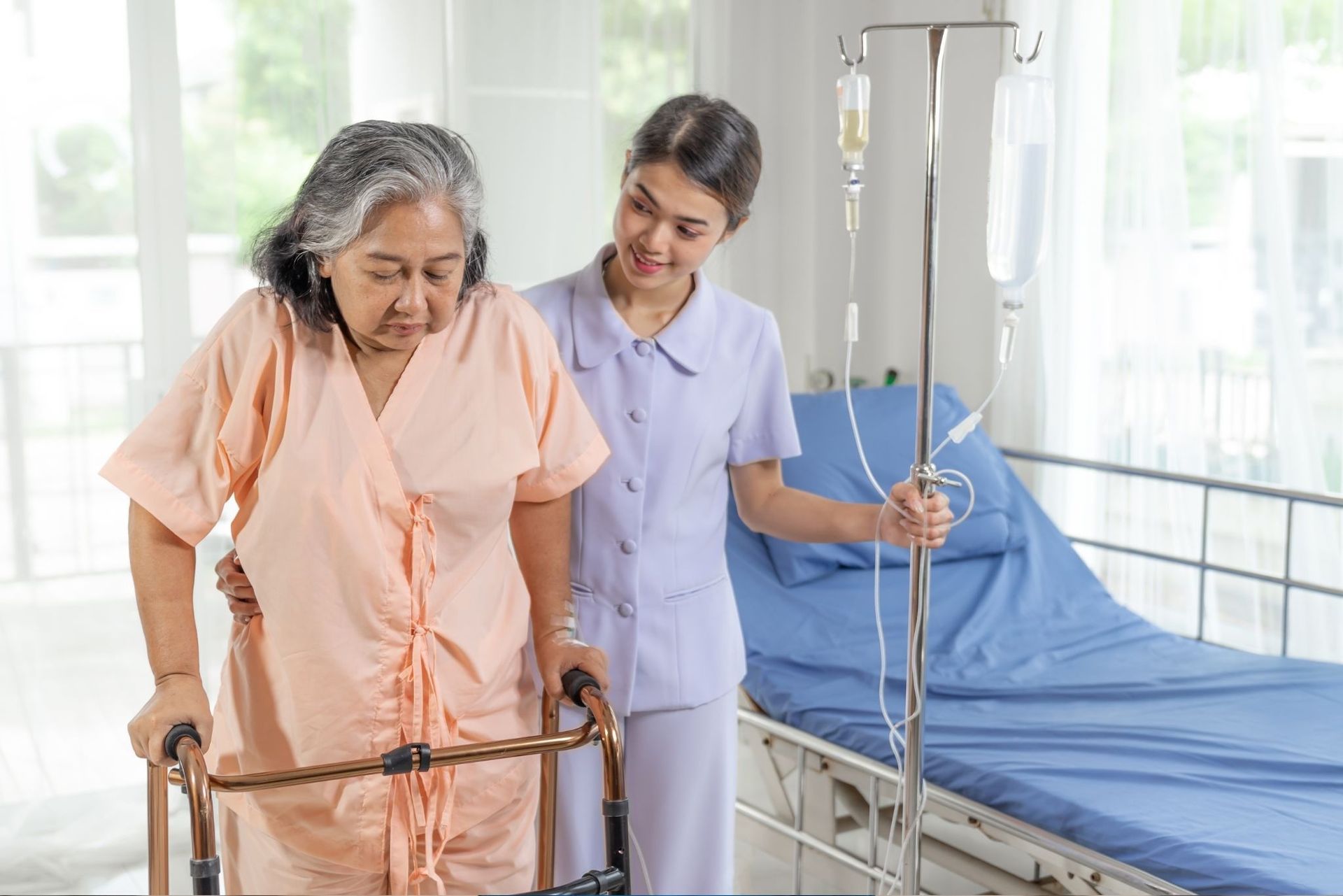
- Safe transfers from bed to chair
- Walking support
- Use of mobility aids
- Stair navigation
- Fall prevention strategies
Their guidance helps patients regain confidence while reducing injury risks.
Monitoring for Blood Clots
One of the recognised risks following orthopaedic surgery is deep vein thrombosis (DVT).
Nurses monitor for symptoms such as:
- Leg swelling
- Warmth in the calf
- Pain or tenderness
- Skin discolouration
Early identification can lead to prompt treatment and prevent more serious complications such as pulmonary embolism.
The Importance of Home Nursing After Knee Replacement
Many patients prefer recovering in their own homes rather than remaining in a healthcare facility.
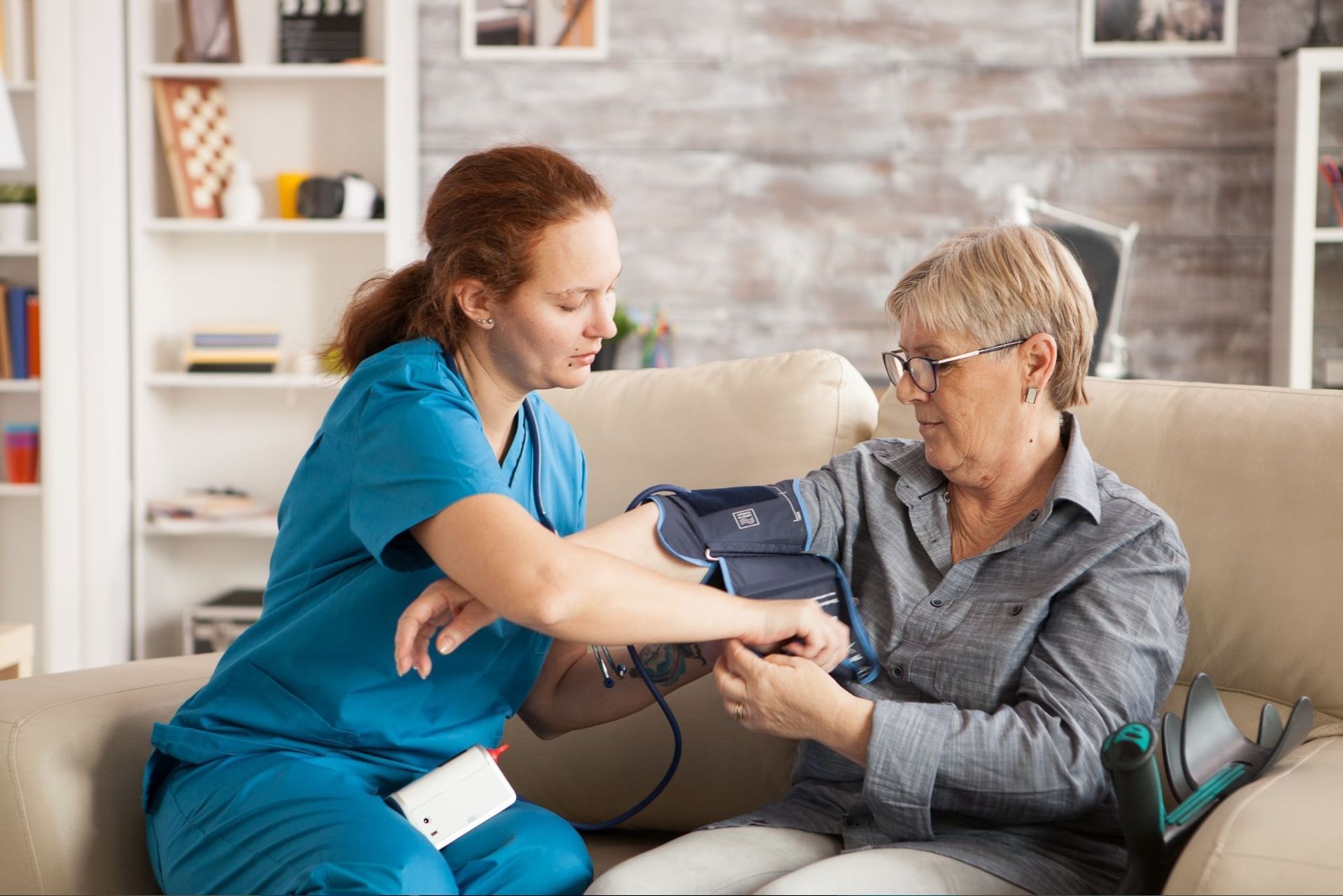
Home nursing services provide personalised care in a familiar environment.
Benefits include:
- Greater comfort
- Reduced stress
- Individualised attention
- Lower exposure to healthcare-associated infections
- Improved emotional wellbeing
- Enhanced independence
Home-based recovery can be particularly beneficial for older adults and individuals with limited mobility.
How Nurses Support Rehabilitation
Rehabilitation is one of the most important aspects of knee replacement recovery.
The new joint must be strengthened and conditioned through structured exercise and movement.
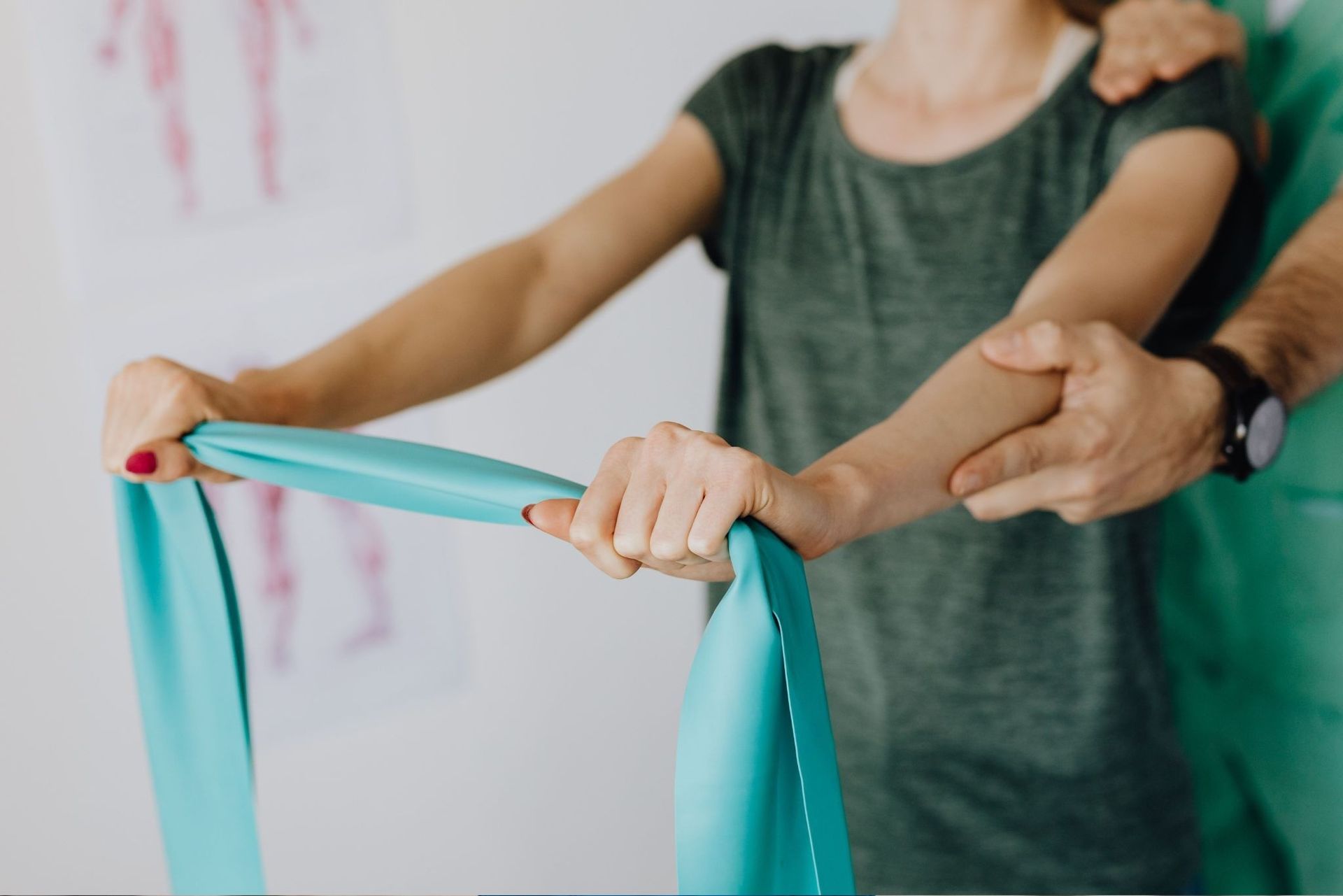
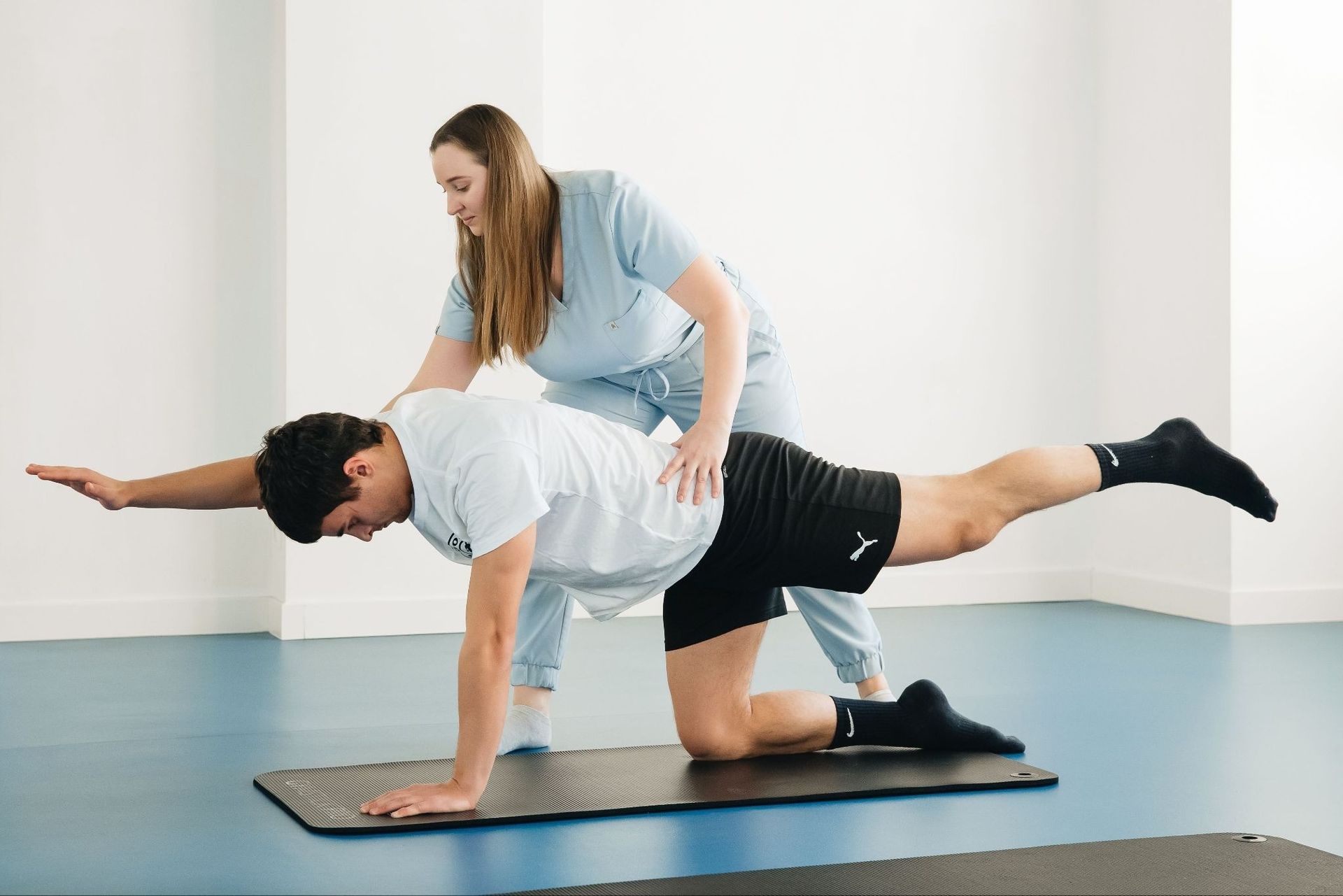
Nurses often collaborate with physiotherapists to support rehabilitation goals.
This may include:
- Encouraging exercise adherence
- Monitoring progress
- Assessing mobility improvements
- Reporting concerns to healthcare teams
- Supporting daily movement routines
Consistent rehabilitation is associated with better long-term outcomes and improved joint function.
Assisting with Daily Activities
Immediately after surgery, routine activities may become difficult.
Patients often require help with:
- Washing and grooming
- Dressing
- Meal preparation
- Toileting
- Household mobility
- Managing mobility equipment
Nurses provide practical assistance while encouraging gradual independence.
Their support allows patients to recover safely without becoming overwhelmed.
Preventing Post-Surgical Complications
Complication prevention is a major aspect of nursing care.
Professional nurses are trained to identify subtle changes that may indicate a developing issue.
Potential complications they monitor include:
Infection
Infections may occur around the surgical site or elsewhere in the body.
Warning signs include:
- Fever
- Increased pain
- Redness
- Swelling
- Pus or discharge
Early treatment is essential to protect the replacement joint.
Reduced Circulation
Following surgery, circulation issues may arise due to limited mobility.
Nurses encourage movement and monitor circulation to support healing.
Joint Stiffness
Failure to maintain movement can lead to reduced flexibility.
Nurses help patients remain active within recommended limits.
Falls
Balance challenges are common during recovery.
Nurses assess risks and implement fall prevention measures to improve safety.
Emotional Support During Recovery
Physical healing is only one part of recovery.
Many patients experience emotional challenges following surgery, including:
- Anxiety
- Frustration
- Fear of movement
- Concerns about recovery progress
- Temporary loss of independence
Nurses provide valuable emotional support through reassurance, education, and encouragement.
This human connection can positively influence motivation and overall wellbeing.
Supporting Older Adults After Knee Replacement
Older adults often face unique recovery challenges.
Age-related factors may include:
- Slower healing
- Multiple health conditions
- Reduced balance
- Increased fall risk
- Medication complexity
Professional nursing support can address these challenges through tailored care plans.
This personalised approach helps older patients maintain dignity, safety, and independence throughout recovery.
What to Expect During the First Few Weeks
Recovery timelines vary, but most patients experience a similar progression.
Week One
During the first week, focus areas include:
- Pain control
- Wound care
- Basic mobility
- Walking with support
- Preventing complications
Nursing support is often most intensive during this period.
Weeks Two to Four
Patients generally begin increasing activity levels.
Nurses may assist with:
- Ongoing wound assessments
- Medication reviews
- Mobility progression
- Exercise support
- Monitoring recovery milestones
Weeks Four to Twelve
Many individuals experience noticeable improvements.
Nursing support may focus on:
- Strengthening independence
- Monitoring long-term recovery
- Supporting rehabilitation goals
- Addressing lingering concerns
Recovery continues well beyond the initial weeks, with some patients requiring several months to achieve optimal results.
Signs You May Benefit from Professional Nursing Support
While some patients recover independently, others may benefit significantly from nursing assistance.
Consider professional support if:
- You live alone
- You have mobility limitations
- You are recovering from complications
- You have multiple health conditions
- You struggle with medication management
- You require wound care assistance
- Family support is limited
- You have concerns about falls
Professional nursing services provide a valuable safety net during recovery.
The Relationship Between Nurses and Physiotherapists
Successful knee replacement recovery often involves a multidisciplinary approach.
Nurses and physiotherapists work together to achieve recovery goals.
Physiotherapists focus on:
- Strength exercises
- Range of motion
- Functional movement
- Rehabilitation programmes
Nurses focus on:
- Medical monitoring
- Wound care
- Medication management
- Patient education
- Overall wellbeing
This collaborative approach creates a comprehensive support system for patients
Patient Education and Recovery Success
Education is a fundamental component of nursing care.
Patients who understand their recovery process are often better prepared to participate actively in rehabilitation.
Nurses educate patients about:
- Safe movement techniques
- Medication schedules
- Signs of complications
- Wound care practices
- Exercise routines
- Lifestyle adjustments
Knowledge empowers patients to make informed decisions and contribute positively to their own recovery.
Benefits of Private Nursing Care After Knee Replacement
Private nursing services offer additional flexibility and personalised support.
Advantages include:
- One-to-one attention
- Tailored care plans
- Flexible scheduling
- Enhanced continuity of care
- Faster response to concerns
- Greater convenience
Many families choose private nursing to complement NHS care and support recovery at home.
How Nurses Help Family Members and Caregivers
Recovery after knee replacement surgery does not only affect the patient. Family members and caregivers often take on additional responsibilities during the rehabilitation period. While many relatives are willing to help, they may not have the clinical knowledge or experience needed to manage post-operative care effectively.
Professional nurses provide valuable support by educating family members about recovery expectations and safe caregiving practices. This includes guidance on:
- Safe lifting and transfer techniques
- Medication schedules
- Mobility assistance
- Fall prevention measures
- Wound care awareness
- Recognising signs of complications
By involving family members in the care process, nurses help create a supportive environment that promotes recovery while reducing stress for everyone involved.
The Role of Nurses in Pain Assessment
Pain management is not simply about administering medication. Effective pain control begins with thorough assessment.
Nurses evaluate several factors when assessing pain, including:
- Pain intensity
- Pain location
- Frequency of discomfort
- Activities that worsen symptoms
- Effectiveness of current treatments
- Impact on sleep and mobility
These assessments allow healthcare teams to adjust treatment plans when necessary. Proper pain management can significantly improve rehabilitation outcomes because patients are more likely to participate in movement and exercise when discomfort is controlled.
Pain assessment also helps identify unexpected issues that may require medical attention, such as infection or joint complications.
Encouraging Safe Physical Activity
Many patients worry about damaging their new knee joint during recovery. This fear can sometimes lead to inactivity, which may slow rehabilitation progress.
Nurses help patients understand the importance of safe movement and physical activity. They provide encouragement while ensuring that exercises and activities are performed within recommended guidelines.
Common activities nurses may encourage include:
- Short walks around the home
- Gentle stretching exercises
- Range-of-motion movements
- Sitting and standing practice
- Gradual increases in daily activity
Regular movement improves circulation, reduces stiffness, supports muscle strength, and contributes to overall recovery success.
Nutritional Support During Recovery
Good nutrition is an often-overlooked aspect of knee replacement recovery.
The body requires adequate nutrients to repair tissues, maintain muscle mass, and support immune function. Nurses often discuss healthy eating habits that can contribute to successful healing.
Key nutritional considerations may include:
- Adequate protein intake
- Hydration
- Vitamin-rich foods
- Fibre consumption to reduce constipation associated with pain medication
- Balanced meals that support energy levels
Patients recovering from surgery may experience reduced appetite or difficulty preparing meals. Nurses can help identify practical solutions that ensure nutritional needs are met.
Managing Swelling After Knee Replacement Surgery
Swelling is a normal part of the healing process after knee replacement surgery. However, excessive swelling can be uncomfortable and may affect mobility.
Nurses educate patients on strategies that can help minimise swelling, such as:
- Elevating the leg appropriately
- Following prescribed exercise routines
- Applying cold therapy when recommended
- Maintaining movement throughout the day
- Wearing compression garments if advised by healthcare professionals
Monitoring swelling also helps nurses identify situations where further medical assessment may be necessary.
Supporting Confidence and Independence
One of the primary goals of post-operative nursing care is helping patients regain confidence.
Many individuals feel uncertain after surgery, particularly when performing activities that were once routine. Fear of falling, concerns about pain, and worries about damaging the new joint can affect confidence levels.
Nurses help patients overcome these concerns through gradual progression and positive reinforcement.
This support often includes:
- Setting realistic recovery goals
- Celebrating milestones
- Encouraging self-care activities
- Building confidence with mobility aids
- Providing reassurance during setbacks
As confidence improves, patients often become more active participants in their own recovery.
When to Contact a Nurse or Healthcare Professional
Patients recovering at home should know when professional advice is needed.
A nurse or healthcare provider should be contacted if any of the following occur:
- Persistent fever
- Sudden increase in pain
- Excessive wound drainage
- Difficulty breathing
- Chest pain
- Severe swelling
- Signs of infection
- Significant reduction in mobility
- Calf pain or tenderness
Prompt medical attention can prevent complications from becoming more serious.
The Growing Demand for Home Nursing Services
The UK's ageing population and increasing number of joint replacement procedures have contributed to a growing demand for home nursing services.
Many patients now prefer receiving care in familiar surroundings rather than remaining in hospital for extended periods. Home-based nursing care aligns with this preference by providing professional support while allowing individuals to maintain comfort and independence.
The trend towards personalised healthcare has further highlighted the value of skilled nursing services in post-surgical recovery. Patients benefit from focused attention, tailored care plans, and continuity of support throughout their rehabilitation journey.
The question "Can nurses assist after knee replacement surgery?" reflects an important concern shared by thousands of patients every year. Recovery from knee replacement is a significant process that extends far beyond the operating theatre.
Professional nurses provide essential clinical care, rehabilitation support, patient education, emotional reassurance, and complication monitoring throughout recovery. Their expertise helps patients navigate challenges safely while promoting healing, mobility, and independence.
From wound care and medication management to mobility support and caregiver education, nurses contribute to virtually every stage of post-operative recovery. Their involvement often leads to improved patient confidence, better rehabilitation outcomes, and a smoother return to everyday life.
For individuals seeking additional support after knee replacement surgery, professional home nursing services can provide peace of mind and personalised care, helping ensure that recovery is as safe, comfortable, and successful as possible.
Frequently Asked Questions
How long might I need nursing support after knee replacement surgery?
The duration varies depending on age, overall health, mobility levels, and recovery progress. Some patients benefit from a few days of assistance, while others may require support for several weeks.
Can nurses help with physiotherapy exercises?
Nurses can encourage and support prescribed exercises, although physiotherapists typically design rehabilitation programmes and oversee specialised therapy.
Can a nurse change dressings at home?
Yes. Home nurses are trained to perform dressing changes using appropriate infection control procedures.
Do nurses monitor for complications?
Absolutely. Monitoring for infection, blood clots, wound problems, and other complications is a key aspect of post-operative nursing care.
Is home nursing suitable for elderly patients?
Yes. Home nursing is often particularly beneficial for older adults who may require additional support with mobility, medication management, and daily living activities.
Long-Term Recovery Considerations
Although many patients experience significant improvement within three months, full recovery can take up to a year.
Long-term success depends on:
- Consistent exercise
- Weight management
- Regular follow-up appointments
- Healthy lifestyle choices
- Ongoing mobility maintenance
Nurses can continue providing guidance and support during various stages of recovery, helping patients achieve the best possible outcomes.
Conclusion
So, can nurses assist after knee replacement surgery? The answer is unquestionably yes.
Professional nurses play a crucial role in supporting recovery, managing pain, monitoring wounds, preventing complications, encouraging rehabilitation, and helping patients regain independence. Their expertise contributes significantly to both short-term healing and long-term recovery success.
Whether assistance is needed for a few days or several weeks, skilled nursing care can provide reassurance, safety, and personalised support throughout the rehabilitation journey. For individuals seeking professional post-operative care at home, experienced providers such as Nurse Agnes offer dedicated nursing services designed to support recovery and improve quality of life after knee replacement surgery.
With the right nursing support, patients can focus on healing, rebuilding strength, and returning to the activities they enjoy with greater confidence and comfort.