Can nurses support patients recovering from fractures?
Can Nurses Support Patients Recovering From Fractures?
Recovering from a fracture can be a challenging journey that requires more than simply waiting for the bone to heal. Patients often need ongoing support with pain management, mobility, daily activities, emotional wellbeing, medication routines, and rehabilitation exercises. This is where professional nursing care can make a significant difference.
Many people ask,
“Can nurses support patients recovering from fractures?” The answer is yes. Nurses play an essential role throughout the recovery process by helping patients manage their condition, prevent complications, follow medical advice, and regain independence safely.
Whether a patient is recovering at home after hospital discharge, receiving temporary care, or managing a
long-term mobility issue, skilled nursing support can provide personalised care that improves recovery outcomes. Services such as those provided by Nurse Agnes focus on delivering compassionate and professional care tailored to individual patient needs.
What Role Do Nurses Play in Fracture Recovery?
Fracture recovery involves several stages, including initial healing, rehabilitation, rebuilding strength, and returning to normal activities. Nurses support patients during each stage by monitoring their progress and providing practical assistance.
A nurse’s role is not limited to checking wounds or administering medication. Modern nursing care involves a holistic approach that considers physical recovery, emotional wellbeing, safety, nutrition, and quality of life.
For patients recovering from fractures, nurses may help with:
- Monitoring pain levels and symptoms
- Supporting medication management
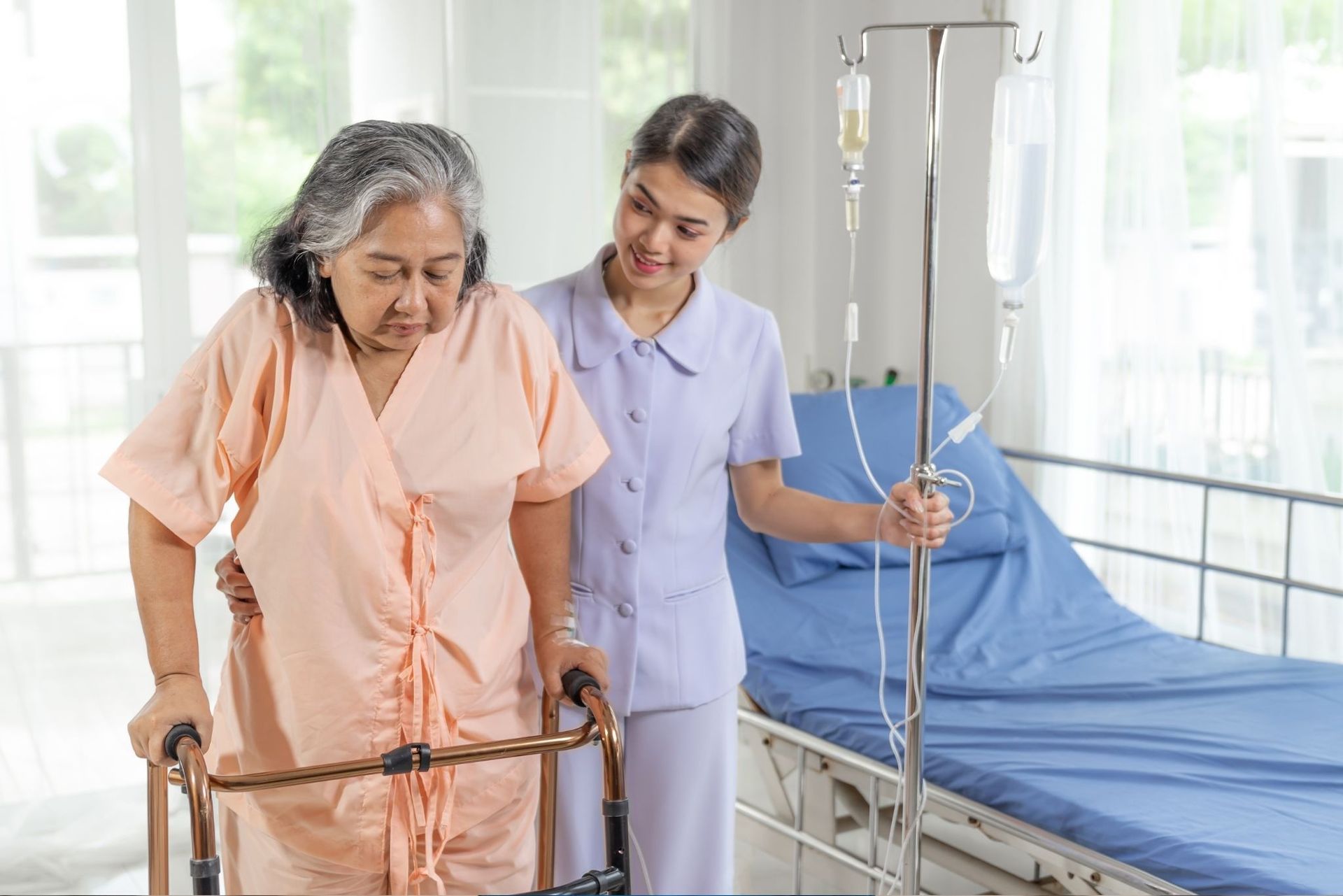
- Assisting with mobility and movement
- Providing wound and cast care
- Encouraging rehabilitation exercises
- Reducing the risk of falls
- Supporting personal care needs
- Communicating with doctors, physiotherapists, and family members
- Identifying signs of complications early
Professional nursing support helps ensure that patients do not feel alone during what can often be a slow and frustrating recovery period.
How Can Nurses Help With Pain Management After a Fracture?
Pain is one of the most common challenges faced by people recovering from broken bones. Although pain usually improves as healing progresses, some patients experience discomfort for weeks or months after their injury.
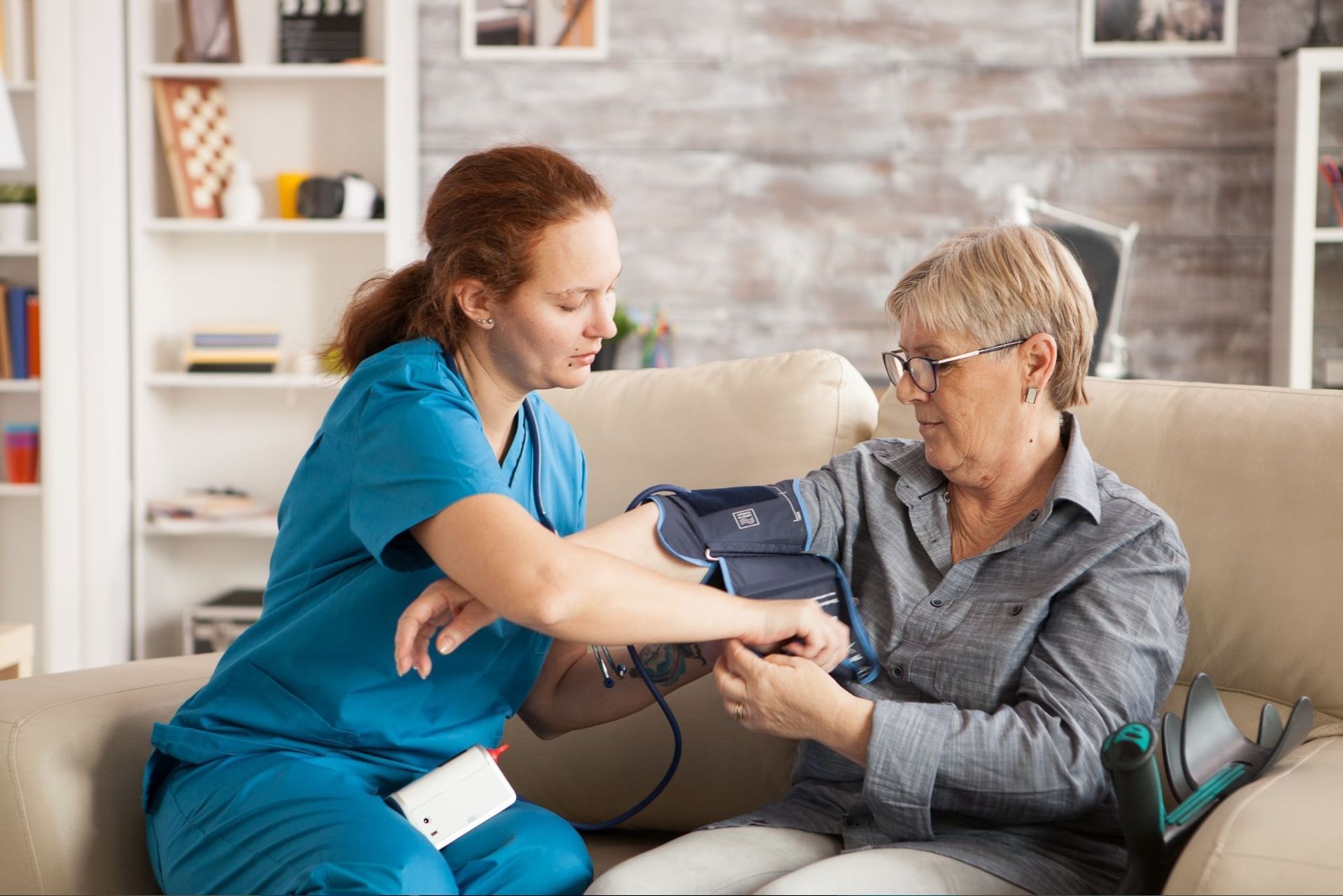
Nurses support fracture patients by monitoring pain levels and helping them follow their prescribed pain management plan. This may include ensuring medications are taken correctly, observing side effects, and reporting concerns to healthcare professionals.
A nurse can also provide guidance on:
- Safe positioning to reduce discomfort
- Using mobility aids correctly
- Managing daily activities without putting unnecessary pressure on the injured area
- Understanding when pain symptoms require medical attention
Effective pain management is important because uncontrolled pain can affect sleep, movement, mood, and motivation during rehabilitation.
Can Nurses Help Patients Recover Mobility After a Fracture?
Yes, supporting mobility is one of the key areas where nurses contribute to fracture recovery.
After a fracture, many patients experience reduced confidence when moving. They may worry about falling again or causing further injury. This can lead to reduced activity, muscle weakness, and slower recovery.
Nurses help patients regain confidence by encouraging safe movement within the limits recommended by healthcare professionals.
Mobility support may include:
- Helping patients move safely around their home
- Assisting with walking aids such as frames or crutches
- Encouraging appropriate activity levels
- Supporting transfers from beds to chairs or bathrooms
- Identifying hazards that may increase fall risks
For older adults especially, nursing care after a fracture can be extremely valuable because reduced mobility can increase the risk of further health complications.
How Do Nurses Support Elderly Patients Recovering From Fractures?
Older adults are more likely to experience fractures due to conditions such as osteoporosis, reduced balance, and age-related changes in muscle strength. Recovery can sometimes be more complex because elderly patients may already have existing health conditions.
Nurses provide specialised support for elderly fracture recovery by focusing on safety, independence, and preventing further injuries.
This support may include:
Fall Prevention
Falls are a major concern after fractures. Nurses can assess the home environment and recommend changes that make daily activities safer.
Examples include:
- Removing trip hazards
- Improving lighting
- Encouraging appropriate footwear
- Ensuring walking aids are used correctly
- Supporting safe bathroom routines
Maintaining Independence
A fracture can make everyday tasks difficult, including dressing, bathing, cooking, and moving around the home.
Nurses help patients complete these activities safely while encouraging independence wherever possible. This balance helps protect dignity while supporting recovery.
Monitoring Existing Health Conditions
Many older patients recovering from fractures also manage conditions such as diabetes, heart disease, or arthritis. Nurses can monitor how these conditions affect recovery and communicate concerns to healthcare providers.
Do Nurses Provide Rehabilitation Support After a Fracture?
Nurses are an important part of the rehabilitation team. While physiotherapists usually create specific exercise programmes, nurses help patients follow recovery plans consistently.
Rehabilitation after a fracture often involves:
- Gentle movement exercises
- Strength building
- Improving balance
- Increasing confidence with daily activities
- Gradually returning to normal routines
Nurses encourage patients to stay motivated and follow professional advice. They also monitor progress and identify difficulties that may require additional support.
Recovery is not only physical. Many patients experience frustration, anxiety, or fear during rehabilitation. Nurses provide reassurance and emotional support throughout the process.
What Types of Fracture Care Can Nurses Support?
Nurses can support patients recovering from many different types of fractures, including:
- Hip fractures
- Wrist fractures
- Arm fractures
- Leg fractures
- Shoulder fractures
- Ankle fractures
- Spinal fractures
- Pelvic fractures
The level of care required depends on factors such as:
- The location and severity of the fracture
- The patient’s age
- Overall health condition
- Whether surgery was required
- Mobility limitations
- Recovery environment
A personalised nursing care approach ensures that patients receive support suited to their specific circumstances.
Can Nurses Help With Post-Surgery Fracture Recovery?
Many fractures require surgical treatment, including procedures involving plates, screws, rods, or joint replacements. Recovery after fracture surgery requires careful monitoring to reduce risks and promote healing.
Nurses support post-operative fracture recovery by:
- Checking surgical wounds
- Monitoring for signs of infection
- Supporting medication schedules
- Managing mobility limitations
- Helping patients follow discharge instructions
- Observing changes in symptoms
Signs that may require medical attention include:
- Increased swelling
- Severe or worsening pain
- Redness around the wound
- Fever
- Unusual discharge from the surgical area
- Sudden difficulty moving
Early identification of complications can prevent recovery delays and support better outcomes.
How Can Nurses Help With Wound and Cast Care?
Depending on the type of fracture, patients may have surgical wounds, casts, braces, or splints. These require proper care to support healing.
Nurses can help patients understand how to care for these areas and monitor for potential problems.
Cast and fracture care support may involve:
- Checking skin condition around casts or braces
- Monitoring swelling
- Ensuring mobility equipment is used correctly
- Advising patients about keeping casts clean and dry
- Recognising signs of circulation problems
Professional monitoring is particularly useful for patients who struggle to manage these tasks independently.
Why Is Home Nursing Care Useful During Fracture Recovery?
Many patients leave hospital before they have fully regained independence. Recovering at home can be more comfortable, but it can also create challenges.
Home nursing care provides professional support in a familiar environment. This allows patients to recover while maintaining their routine and receiving the assistance they need.
Benefits of home nursing support after a fracture include:
Personalised Care
Every fracture recovery journey is different. Nurses can create care approaches based on the patient’s health needs, lifestyle, and recovery goals.
Reduced Risk of Complications
Regular monitoring allows nurses to identify concerns early, including infection risks, medication problems, mobility difficulties, or worsening symptoms.
Increased Confidence
Having professional support can help patients feel safer when moving, completing daily tasks, and progressing through rehabilitation.
Support for Families
Family members often provide significant help during fracture recovery. Nursing support can reduce pressure on relatives by providing expert assistance and guidance.
How Long Does Fracture Recovery Nursing Support Last?
The duration of nursing support depends on the patient’s condition and recovery progress.
Some patients may require short-term assistance for a few weeks after leaving hospital, while others may need longer-term support due to age, complex health conditions, or reduced independence.
Factors that influence recovery support include:
- Type of fracture
- Healing speed
- Surgical treatment
- Pain levels
- Mobility ability
- Home environment
- Existing medical conditions
A nurse can regularly review the patient’s needs and adjust care accordingly.
What Should Patients Expect From a Fracture Recovery Nurse?
A fracture recovery nurse focuses on providing safe, compassionate, and professional care. Patients can expect support that considers both medical requirements and personal wellbeing.
A typical nursing visit may include:
- Reviewing the patient’s current condition
- Checking medications
- Supporting personal care
- Monitoring mobility
- Helping with recovery routines
- Discussing concerns or changes
- Providing reassurance and guidance
Good nursing care is centred around treating the patient as an individual rather than focusing only on the injury.
Can Nurses Prevent Complications During Fracture Recovery?
Yes, nurses play an important role in preventing complications. Fracture recovery can involve risks such as infections, blood clots, reduced mobility, pressure injuries, and muscle weakness.
Nurses help reduce these risks through:
Regular Monitoring
Tracking symptoms allows healthcare concerns to be identified quickly.
Encouraging Safe Movement
Appropriate movement supports circulation, strength, and overall recovery.
Supporting Nutrition and Hydration
Good nutrition provides essential nutrients needed for bone repair. Nurses can encourage healthy eating habits and monitor concerns such as poor appetite.
Promoting Medication Safety
Correct medication use supports pain control and prevents avoidable issues.
Why Choose Professional Nursing Support for Fracture Recovery?
Recovering from a fracture requires patience, consistency, and expert guidance. Professional nurses provide reassurance and practical assistance that can significantly improve a patient’s recovery experience.
A qualified nurse understands the challenges patients face after injury and provides support that promotes comfort, safety, and independence.
Professional nursing care is especially valuable for:
- Elderly patients recovering from falls
- People living alone
- Patients recovering after surgery
- Individuals with limited mobility
- Those managing multiple health conditions
Having skilled support can make the recovery process smoother for both patients and their families.
Frequently Asked Questions About Nursing Support After Fractures
Can a nurse visit me at home after a fracture?
Yes, many nursing services provide home visits for patients recovering from fractures. Home nursing allows patients to receive professional support without needing to travel.
Do nurses help with broken bones?
Yes, nurses support patients with broken bones by managing recovery needs such as pain monitoring, medication support, mobility assistance, wound care, and rehabilitation guidance.
Can nurses help prevent falls after a fracture?
Yes, nurses can identify fall risks and recommend strategies to create a safer environment, helping reduce the chance of future injuries.
Should elderly people have nursing support after a hip fracture?
Many elderly patients benefit from nursing support after a hip fracture because recovery can involve mobility challenges, increased fall risks, and the need for ongoing monitoring.
How do nurses support recovery after fracture surgery?
Nurses monitor wounds, support medication routines, encourage safe mobility, identify complications, and help patients follow their recovery plans after surgery.
The Importance of Ongoing Monitoring During Fracture Recovery
Fracture recovery is a gradual process, and patients may experience changes in their condition throughout different stages of healing. While the initial treatment focuses on stabilising the injury, long-term recovery requires regular observation and appropriate adjustments to care.
Nurses provide valuable ongoing monitoring by observing physical changes, assessing recovery progress, and identifying concerns before they become serious problems. This continuous support is particularly important for patients recovering at home, where medical professionals may not be present every day.
During recovery, nurses may monitor:
- Changes in pain levels
- Swelling around the injured area
- Mobility improvements or difficulties
- Medication effectiveness
- Skin condition around casts, braces, or surgical wounds
- Signs of infection or complications
- Emotional wellbeing and confidence levels
Regular nursing assessments help ensure that recovery remains on the right path and that any concerns are communicated quickly to doctors or other healthcare specialists.
How Nurses Support Nutrition for Better Bone Healing
Nutrition plays an important role in fracture recovery because the body requires essential nutrients to repair damaged bone tissue. A poor diet can slow healing and reduce overall strength, especially in older adults or patients with existing health concerns.
Nurses can support patients by encouraging healthy eating habits and identifying nutritional challenges that may affect recovery.
Important nutrients for bone health include:
- Calcium, which supports bone structure and strength
- Vitamin D, which helps the body absorb calcium
- Protein, which supports tissue repair and muscle maintenance
- Minerals such as magnesium and zinc, which contribute to healthy bone development
Some patients may struggle with appetite after surgery, pain, reduced mobility, or medication side effects. Nurses can identify these issues and suggest practical solutions or recommend additional professional support when needed.
Good nutrition combined with appropriate movement and medical care creates a stronger foundation for successful fracture recovery.
How Nurses Provide Emotional Support After a Fracture
A fracture can affect more than a person’s physical health. Many patients experience emotional challenges during recovery, including frustration, anxiety, fear of falling again, or concerns about losing independence.
These feelings are especially common among older adults who experience fractures after falls. A sudden reduction in mobility can make patients feel dependent on others and uncertain about their future abilities.
Nurses provide emotional reassurance by:
- Listening to patient concerns
- Encouraging realistic recovery goals
- Supporting confidence during rehabilitation
- Providing reassurance during difficult stages
- Helping patients maintain independence where possible
Emotional wellbeing is an important part of healthcare because motivation and confidence can influence how actively a patient participates in recovery.
A supportive nurse can help patients understand that recovery takes time and that gradual progress is a normal part of healing.
Working With Other Healthcare Professionals During Recovery
Fracture recovery often involves a team of healthcare professionals. Nurses act as an important link between patients, doctors, physiotherapists, occupational therapists, and family members.
Effective communication between healthcare professionals helps ensure that patients receive consistent care.
Nurses may work alongside:
Physiotherapists
Physiotherapists focus on improving strength, movement, flexibility, and balance. Nurses support patients in following recommended exercises and maintaining safe activity levels.
Doctors and Orthopaedic Specialists
Doctors monitor bone healing and make decisions about treatments, medication, or further interventions. Nurses provide updates about symptoms and recovery progress.
Occupational Therapists
Occupational therapists help patients adapt daily activities and home environments. Nurses can support these recommendations by encouraging safe routines.
This collaborative approach ensures that fracture recovery addresses the complete needs of the patient rather than only the injury itself.
How Nurses Help Patients Regain Confidence After a Fracture
Many patients feel nervous about returning to normal activities after experiencing a fracture. Fear of another injury can sometimes prevent people from moving enough, which may slow recovery.
Nurses help rebuild confidence by providing encouragement and practical support. They understand that recovery involves both physical healing and psychological adjustment.
For example, a nurse may help a patient:
- Practise safe movement techniques
- Use walking equipment correctly
- Complete everyday tasks gradually
- Understand recovery milestones
- Recognise improvements over time
Small achievements, such as walking independently or completing personal care tasks, can have a significant positive impact on a patient’s confidence.
The Value of Personalised Nursing Care Plans
Every fracture patient has different recovery needs. A young person recovering from a simple arm fracture may require minimal assistance, while an older adult recovering from a hip fracture may need extensive support.
Personalised nursing care plans consider factors such as:
- Medical history
- Type of fracture
- Current mobility level
- Lifestyle needs
- Home environment
- Personal recovery goals
A tailored approach ensures that care is appropriate, effective, and focused on helping the patient achieve the best possible outcome.
Personalised nursing support also allows care to change as the patient improves. As mobility increases and confidence returns, the level of assistance can be adjusted.
Choosing the Right Nursing Support After a Fracture
When arranging nursing support after a fracture, patients and families should consider the experience, professionalism, and approach of the care provider.
Important factors include:
- Qualified and experienced nursing staff
- Compassionate and patient-focused care
- Understanding of rehabilitation needs
- Clear communication with families
- Flexible support based on changing recovery requirements
The right nursing support can make the recovery process less stressful and provide patients with the confidence they need to heal safely.
Conclusion
Nurses play a vital role in supporting patients recovering from fractures. Their responsibilities extend beyond basic medical care and include pain management, mobility assistance, rehabilitation support, emotional encouragement, nutrition guidance, and complication prevention.
For many patients, especially elderly individuals or those recovering after surgery, nursing support can make the difference between a difficult recovery and a smoother return to independence.
By providing personalised, professional, and compassionate care, nurses help patients recover safely while improving their overall wellbeing. Whether recovery takes place at home or alongside other healthcare services, skilled nursing support ensures that patients receive the attention and guidance they need throughout every stage of healing.
Fracture recovery involves much more than allowing a bone to heal. Patients often need support with mobility, pain management, rehabilitation, emotional wellbeing, and everyday activities.
Nurses provide essential care that helps patients recover safely while maintaining dignity and independence. Through professional monitoring, personalised assistance, and compassionate support, nurses help bridge the gap between hospital treatment and complete recovery.
For individuals recovering from fractures, especially older adults or those with additional health challenges, professional nursing care can provide valuable reassurance and improve the overall recovery journey.
With the right support system in place, patients can regain confidence, rebuild strength, and return to a better quality of life.