Do Nurses Provide Care After Spinal Surgery?
Do Nurses Provide Care After Spinal Surgery?
Recovering from spinal surgery requires more than a successful operation. The days and weeks after surgery play a major role in determining how well a patient heals, regains mobility, and returns to everyday life. One of the most common questions patients and their families ask is: Do nurses provide care after spinal surgery?
The answer is yes. Professional nurses are an essential part of post operative spinal care. They help patients recover safely by managing wounds, monitoring symptoms, assisting with mobility, reducing the risk of complications, supporting medication management, and providing personalised care at home or in a clinical setting.
Whether someone has undergone spinal decompression, discectomy, laminectomy, spinal fusion, scoliosis surgery, or another spinal procedure, experienced nursing care can significantly improve comfort, confidence, and recovery outcomes.
If you are looking for trusted private nursing support in the UK,
Nurse Agnes provides professional nursing services tailored to individual healthcare needs, helping patients receive compassionate care in the comfort of their own homes.
Understanding Recovery After Spinal Surgery
Spinal surgery is often performed to relieve chronic pain, correct spinal deformities, repair injuries, or address conditions affecting the spinal cord and nerves. Although modern surgical techniques have improved recovery times, healing remains a gradual process.
Recovery varies depending on factors such as:
- The type of spinal surgery performed
- The patient's age
- General health and medical history
- Existing medical conditions
- Physical fitness before surgery
- Compliance with rehabilitation advice
Many patients require assistance during the first few days or even several weeks after discharge from hospital. This is where qualified nurses become invaluable.
Why Nursing Care Matters After Spine Surgery
Following surgery, patients are often vulnerable to infection, reduced mobility, pain, medication side effects, and emotional stress. Nurses help minimise these risks through continuous assessment and evidence based care.
Professional post surgical nursing offers:
- Early identification of complications
- Better pain management
- Safe wound healing
- Reduced risk of infection
- Emotional reassurance
- Improved mobility support
- Better communication with healthcare providers
- Education for patients and family members
Research consistently shows that structured post operative care contributes to improved recovery and lower hospital readmission rates.
What Do Nurses Do After Spinal Surgery?
Post operative nursing involves much more than checking wounds. Nurses provide comprehensive clinical care designed to support every stage of recovery.
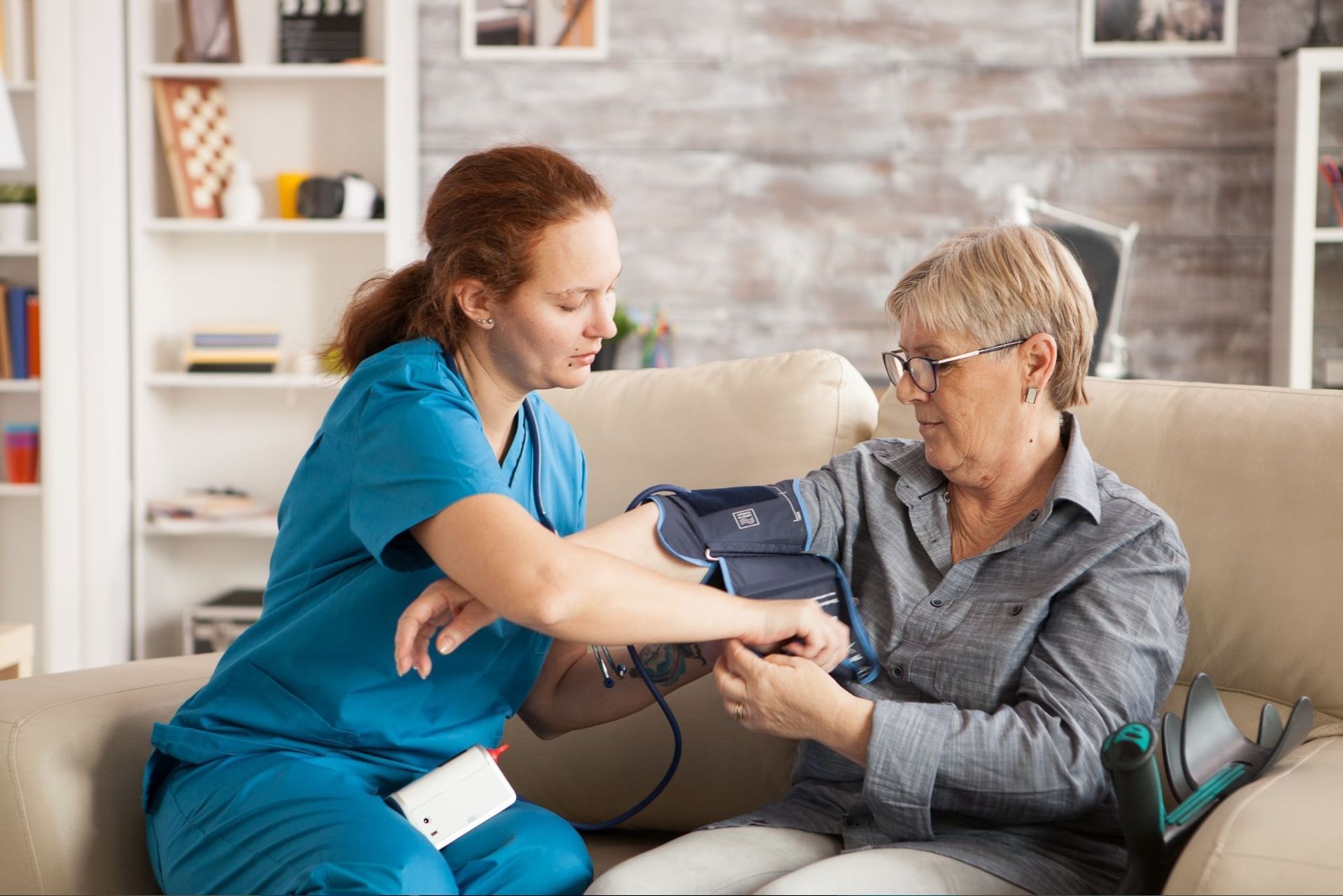
Monitoring Vital Signs
During the early stages of recovery, nurses regularly monitor:
- Blood pressure
- Pulse
- Temperature
- Oxygen saturation
- Respiratory rate
These observations help detect early warning signs of complications before they become serious.
Wound Care and Dressing Changes
One of the most important nursing responsibilities involves surgical wound management.
Nurses inspect the incision for:
- Redness
- Swelling
- Excessive pain
- Fluid leakage
- Infection
- Delayed healing
Professional wound care help keep the wound clean while reducing infection risk.
Patients are also educated about keeping the incision dry, recognising abnormal symptoms, and knowing when medical advice should be sought.
Pain Assessment and Pain Management
Pain is expected after spinal surgery, but it should gradually improve.
Nurses help by:
- Assessing pain levels regularly
- Administering prescribed medications
- Monitoring medication effectiveness
- Watching for side effects
- Advising on safe positioning
- Teaching non medication pain relief techniques
Good pain control allows patients to participate more effectively in physiotherapy and daily activities.
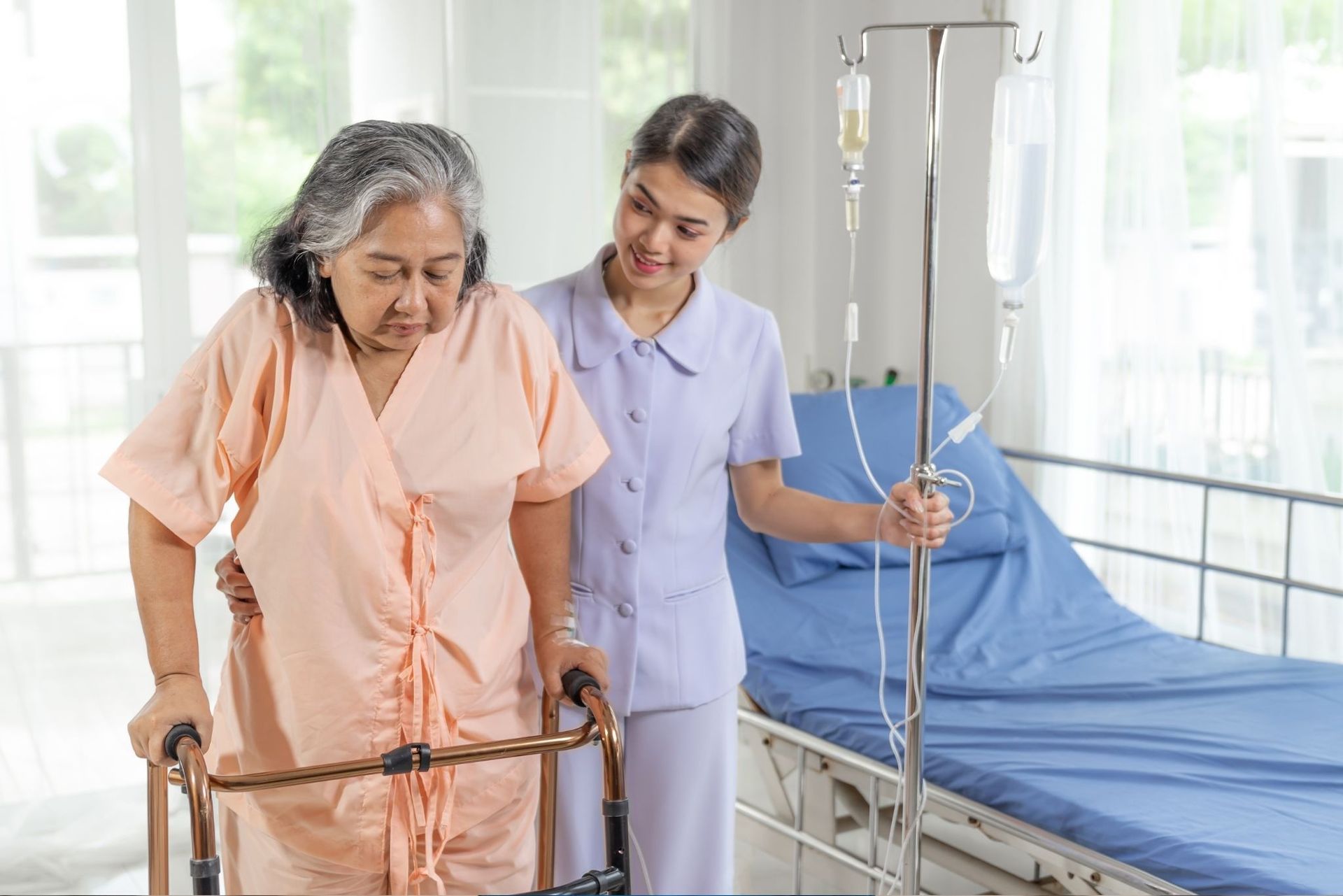
Helping Patients Move Safely
Movement after spinal surgery can feel intimidating.Many patients worry that walking or changing position could damage the spine. Nurses teach safe movement techniques that protect the surgical site.
They assist with:
- Getting out of bed
- Standing safely
- Walking short distances
- Using walking aids
- Sitting correctly
- Maintaining spinal alignment
Early mobilisation also reduces the risk of blood clots and chest infections.
Medication Support
Patients recovering from spinal surgery may be prescribed several medications including:
- Pain relief
- Antibiotics
- Blood thinning medication
- Muscle relaxants
- Anti inflammatory medicines
Nurses ensure medications are taken safely and according to medical instructions.
They also monitor for:
- Allergic reactions
- Dizziness
- Constipation
- Nausea
- Medication interactions
This ongoing supervision provides reassurance for both patients and families.
Preventing Post Surgical Complications
One of the greatest benefits of nursing care is early detection of complications.
Potential complications following spinal surgery include:
Surgical Site Infection
Warning signs include:
- Increasing redness
- Fever
- Swelling
- Pus
- Worsening pain
Early nursing assessment allows prompt treatment before infection spreads.
Deep Vein Thrombosis
Reduced mobility increases the risk of blood clots.
Nurses encourage:
- Walking
- Leg exercises
- Hydration
- Compression stockings where prescribed
Pressure Ulcers
Patients with limited mobility may develop pressure injuries.
Nurses help by:
- Changing positions regularly
- Inspecting skin
- Using pressure relieving cushions
- Maintaining skin hygiene
Chest Infections
Deep breathing exercises, mobilisation, and monitoring help reduce respiratory complications.
Assisting with Personal Care
Many patients temporarily struggle with routine daily activities.
Nurses provide dignified assistance with:
- Washing
- Showering
- Dressing
- Toileting
- Hair care
- Oral hygiene
Maintaining independence where possible remains an important goal throughout recovery.
Supporting Rehabilitation
Recovery does not stop once the wound heals.
Nurses work alongside physiotherapists and rehabilitation specialists to support ongoing recovery.
This may include:
- Reinforcing exercise programmes
- Monitoring mobility progress
- Encouraging safe activity levels
- Recording improvements
- Identifying setbacks
Patients benefit from consistent encouragement and structured guidance.
Emotional Support During Recovery
Spinal surgery affects emotional wellbeing as well as physical health.
Patients may experience:
- Anxiety
- Frustration
- Reduced confidence
- Fear of reinjury
- Temporary depression
Professional nurses offer reassurance through regular communication and compassionate care.
Simply having a skilled healthcare professional available often reduces anxiety and helps patients feel more secure.
Home Nursing After Spinal Surgery
Many patients recover better in familiar surroundings.
Private home nursing services allow individuals to receive professional clinical care without repeated hospital visits.
Home nursing may include:
- Daily assessments
- Wound management
- Medication administration
- Mobility assistance
- Catheter care where required
- Injection administration
- Health monitoring
- Communication with doctors
Home care also reduces unnecessary travel while promoting comfort and independence.
Who Can Benefit from Post Surgical Nursing?
Professional nursing support is particularly valuable for:
- Older adults
- Patients living alone
- Individuals with limited mobility
- Patients recovering from spinal fusion
- People with multiple medical conditions
- Patients requiring wound management
- Those needing medication supervision
- Individuals recovering from complex spinal procedures
Family members also gain reassurance knowing their loved one is receiving expert care.
Common Types of Spinal Surgery That May Require Nursing Care
Nurses support recovery after many different spinal procedures, including:
Spinal Fusion
This procedure permanently joins two or more vertebrae to improve spinal stability.
Recovery often requires careful mobility guidance and wound monitoring.
Discectomy
A damaged portion of a spinal disc is removed to relieve nerve compression.
Nurses monitor pain relief and encourage gradual activity.
Laminectomy
Part of the vertebra is removed to relieve pressure on spinal nerves.
Post operative care focuses on mobility and preventing complications.
Artificial Disc Replacement
Patients benefit from professional monitoring while adjusting to restored spinal movement.
Scoliosis Surgery
Recovery often involves extended rehabilitation with ongoing nursing support.
What Happens During a Home Nursing Visit?
A professional post spinal surgery nursing visit may include:
- Reviewing medical history
- Assessing recovery progress
- Checking vital signs
- Inspecting the wound
- Changing dressings
- Reviewing medications
- Supporting mobility
- Providing personal care
- Offering education
- Updating healthcare professionals if necessary
Each care plan is personalised according to individual needs.
Signs You Should Contact a Nurse or Doctor Immediately
Although most patients recover well, certain symptoms require urgent medical attention.
These include:
- High temperature
- Increasing wound redness
- Severe swelling
- Persistent wound drainage
- Sudden weakness
- Loss of bladder or bowel control
- Difficulty breathing
- Severe uncontrolled pain
- Chest pain
- Confusion
Prompt assessment can prevent more serious complications.
How Long Is Nursing Care Needed?
There is no universal answer because recovery differs for every patient.
Some individuals require:
- A few days of assistance
- Several weeks of home nursing
- Ongoing rehabilitation support
- Periodic clinical reviews
The level of nursing care usually decreases as mobility and independence improve.
The Role of Family Alongside Professional Nursing
Family support remains valuable, but professional nurses bring clinical expertise that relatives often cannot provide.
Nurses educate family members about:
- Safe lifting techniques
- Medication schedules
- Wound observation
- Infection prevention
- Mobility support
- Nutrition
- Hydration
- Fall prevention
This collaborative approach creates a safer recovery environment.
Nutrition and Hydration During Recovery
Healing after spinal surgery depends partly on proper nutrition.
Nurses encourage balanced diets containing:
- Protein
- Fresh vegetables
- Fruit
- Whole grains
- Calcium
- Vitamin D
- Iron
- Adequate fluids
Good nutrition supports tissue repair, immune function, and energy levels.
Frequently Asked Questions
Do nurses visit patients at home after spinal surgery?
Yes. Many private nursing providers offer home visits to monitor recovery, manage wounds, administer medication, and provide personalised care following spinal surgery.
Can a nurse change spinal surgery dressings?
Yes. Qualified nurses are trained to assess surgical wounds, perform sterile dressing changes, monitor healing, and identify signs of infection.
Will a nurse help me walk after surgery?
Yes. Nurses assist patients with safe mobilisation, teach correct movement techniques, and help reduce the risk of falls during recovery.
Can nurses administer injections after spinal surgery?
Yes. Registered nurses can administer prescribed injections, including anticoagulants and other medications, according to your treatment plan.
Is private nursing worth considering after spinal surgery?
Many patients benefit from private nursing because it provides professional monitoring, personalised support, improved comfort, and peace of mind while recovering at home.
Choosing Professional Nursing Care
When selecting post operative nursing support, consider whether the provider offers:
- Qualified registered nurses
- Individual care plans
- Flexible home visits
- Clinical wound management
- Medication support
- Excellent communication
- Compassionate patient centred care
- Experience with post surgical recovery
Receiving care from skilled professionals can make recovery safer, smoother, and more comfortable.
How Nurses Help Reduce Hospital Readmissions After Spinal Surgery
One of the key benefits of professional nursing care after spinal surgery is the reduced likelihood of hospital readmission. Returning to hospital after discharge can be stressful for patients and their families, and in many cases, early intervention by a qualified nurse can prevent complications from becoming serious.
During home visits, nurses assess the patient's overall recovery rather than focusing solely on the surgical incision. They evaluate mobility, pain levels, medication compliance, hydration, nutrition, and emotional wellbeing. If any concerns arise, they can promptly communicate with the patient's GP, consultant, or wider healthcare team.
For example, if a nurse notices that a wound is becoming inflamed or that pain is increasing unexpectedly, appropriate medical advice can be sought before the condition worsens. This proactive approach often prevents unnecessary emergency department visits.
Regular nursing assessments also encourage patients to follow their recovery plan correctly, improving healing and reducing avoidable setbacks.
The Importance of Individualised Care Plans
No two spinal surgery patients recover in exactly the same way. Factors such as age, medical history, lifestyle, and the type of spinal procedure all influence recovery.
For this reason, experienced nurses create personalised care plans that address each patient's unique needs.
An individualised nursing care plan may include:
- Scheduled wound assessments
- Medication reminders
- Mobility goals
- Pain monitoring
- Nutritional guidance
- Skin integrity checks
- Fall prevention strategies
- Education for family members
- Ongoing communication with healthcare professionals
As the patient's condition improves, the care plan is regularly updated to reflect new goals and increasing independence.
This personalised approach ensures that recovery remains safe, structured, and patient centred.
Supporting Older Adults After Spine Surgery
Older adults often require additional assistance during recovery because healing can take longer and existing health conditions may complicate rehabilitation.
Professional nurses understand the specific challenges older patients face, including reduced balance, frailty, arthritis, diabetes, cardiovascular disease, or memory impairment.
Nursing support for elderly patients may involve:
- Safe transfer assistance
- Falls risk assessments
- Blood pressure monitoring
- Blood glucose monitoring where appropriate
- Medication management
- Encouraging gentle exercise
- Supporting hydration and nutrition
- Monitoring for signs of confusion or delirium
This specialist support helps older adults recover more confidently while maintaining dignity and independence.
The Role of Nurses in Patient Education
Education is an important part of successful recovery after spinal surgery.
Patients often leave hospital with large amounts of information, making it difficult to remember every instruction once they return home.
Nurses reinforce this guidance by explaining recovery recommendations in clear, practical language.
Patients learn how to:
- Care for their surgical wound
- Take medications correctly
- Recognise warning signs
- Protect their spine during movement
- Avoid activities that could delay healing
- Maintain good posture
- Perform recommended exercises safely
- Understand when to seek medical advice
This ongoing education empowers patients to take an active role in their own recovery.
Promoting Safe Mobility at Home
The home environment can present unexpected hazards for someone recovering from spinal surgery.
Professional nurses help identify potential risks and recommend simple adjustments that improve safety.
These may include:
- Removing loose rugs
- Improving lighting
- Keeping walkways clear
- Installing handrails where needed
- Positioning frequently used items within easy reach
- Recommending suitable chairs with adequate back support
These practical measures reduce the likelihood of falls while encouraging patients to remain as active as their recovery allows.
Working as Part of a Multidisciplinary Healthcare Team
Recovery from spinal surgery often involves several healthcare professionals working together.
Nurses collaborate closely with:
- Orthopaedic surgeons
- Neurosurgeons
- General practitioners
- Physiotherapists
- Occupational therapists
- Pain management specialists
- Pharmacists
This multidisciplinary approach ensures that every aspect of the patient's recovery is carefully coordinated.
For example, if a physiotherapist recommends increasing walking distance but the nurse notices worsening pain or swelling, they can communicate these findings promptly so that treatment can be adjusted if necessary.
Good communication between healthcare professionals contributes to safer, more effective patient care.
Encouraging Confidence Throughout Recovery
Many spinal surgery patients worry about damaging their spine while recovering. This fear can lead to unnecessary inactivity, slowing rehabilitation and reducing confidence.
Professional nurses provide reassurance through regular assessments and practical guidance.
By observing movement, encouraging gradual progress, and answering patient questions, nurses help individuals rebuild confidence in their physical abilities.
Patients who feel supported are often more willing to participate in rehabilitation, maintain healthy routines, and follow medical advice.
Confidence is an often overlooked but essential part of successful recovery. With experienced nursing support, patients gain both the practical assistance and emotional encouragement needed to return to daily life safely and comfortably.
Final Thoughts
So, do nurses provide care after spinal surgery? Absolutely. Nursing care forms an essential part of successful recovery, whether in hospital or at home. From wound care and pain management to mobility support, medication administration, rehabilitation assistance, and emotional reassurance, nurses help patients regain confidence while reducing the risk of complications.
Every spinal surgery recovery journey is different, but having access to experienced nursing support ensures that patients receive expert care tailored to their specific needs. With professional guidance, careful monitoring, and compassionate assistance, recovery becomes more manageable and patients can focus on healing, restoring mobility, and returning to everyday life with confidence.