What nursing care is available after hip replacement surgery?
What Nursing Care Is Available After Hip Replacement Surgery?
Hip replacement surgery can significantly improve mobility, reduce chronic pain, and restore independence for people living with severe hip arthritis, fractures, or joint damage. However, the operation itself is only one part of the recovery journey. The quality of nursing care received after surgery plays a vital role in determining how quickly and safely a person returns to daily life.
Many patients and their families ask, "What nursing care is available after hip replacement surgery?" The answer depends on several factors, including the patient's age, overall health, mobility, home environment, and whether they are recovering in hospital, at home, or within a residential care setting.
Professional nursing care supports wound healing, pain management, mobility, medication adherence, infection prevention, rehabilitation, and emotional wellbeing. Receiving the right care at the right time can reduce complications, improve confidence, and help patients regain their independence more effectively.
If you are looking for experienced and compassionate nursing support following surgery, Nurse Agnes provides professional nursing and healthcare services tailored to individual recovery needs across the UK.
Understanding Hip Replacement Surgery
Hip replacement surgery, also known as total hip arthroplasty, involves replacing damaged parts of the hip
joint with artificial components. It is commonly recommended for individuals suffering from:
- Osteoarthritis
- Rheumatoid arthritis
- Hip fractures
- Avascular necrosis
- Severe joint deterioration
- Chronic hip pain affecting daily activities
Modern surgical techniques have made hip replacement one of the most successful orthopaedic procedures. Nevertheless, recovery requires careful monitoring and consistent nursing care to minimise risks and maximise rehabilitation outcomes.
Why Nursing Care Is Essential After Hip Replacement
Recovery does not end once the operation is complete. During the days, weeks, and months following surgery, patients remain vulnerable to various complications.
Professional nursing care helps patients by:
- Managing pain effectively
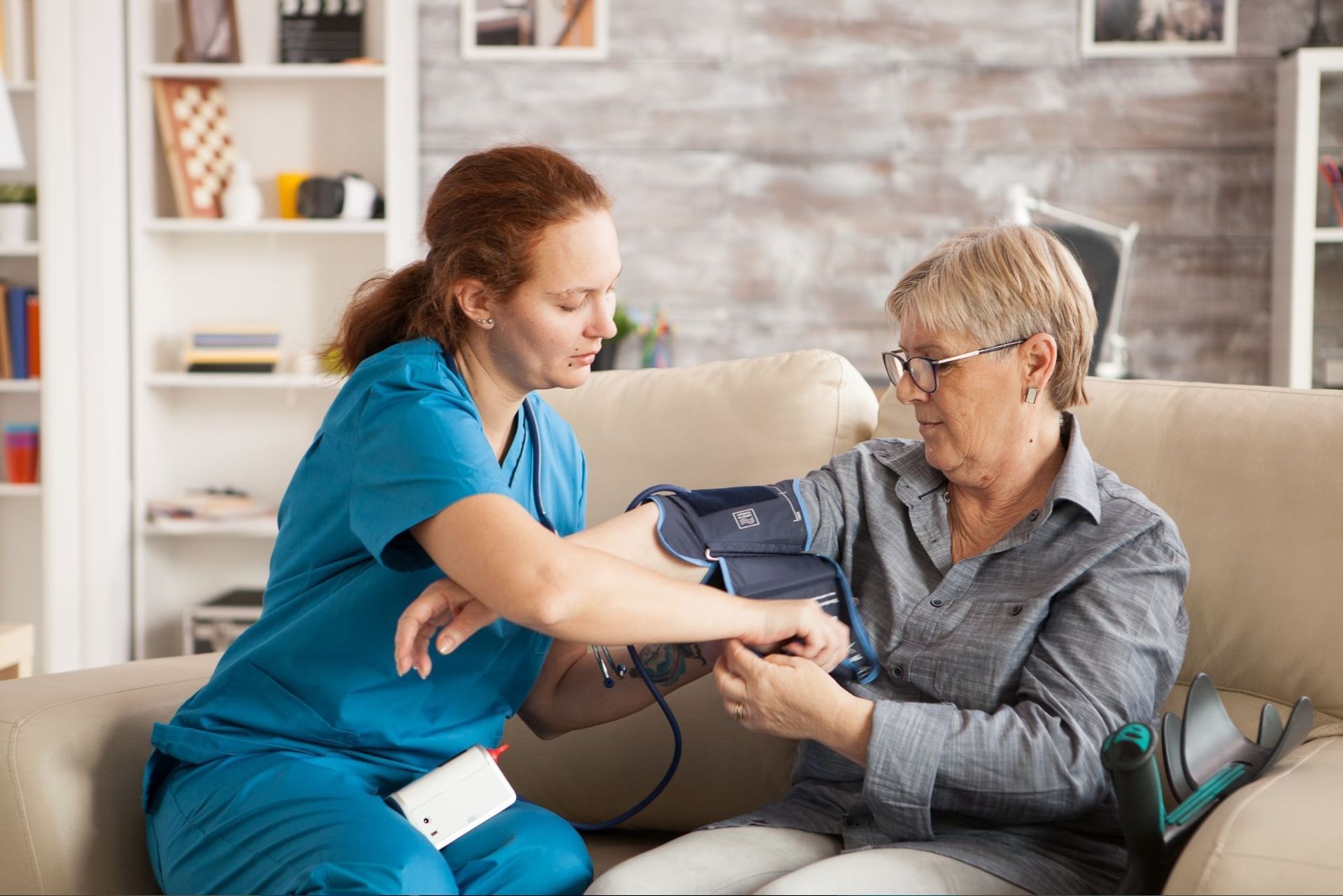
- Monitoring vital signs
- Preventing infections
- Encouraging safe mobility
- Supporting wound healing
- Preventing blood clots
- Assisting with personal care
- Providing medication support
- Educating patients and families
- Identifying complications early
This comprehensive approach improves recovery while reducing hospital readmissions.
Immediate Nursing Care After Surgery
The first 24 to 48 hours after hip replacement surgery are particularly important. Nurses continuously assess the patient's condition to ensure stable recovery.
Monitoring Vital Signs
Regular monitoring includes:
- Blood pressure
- Heart rate
- Respiratory rate
- Oxygen saturation
- Temperature
Changes in these observations may indicate complications requiring immediate medical attention.
Pain Assessment
Pain is expected after surgery, but it should remain manageable.
Nurses regularly assess:
- Pain intensity
- Location of discomfort
- Effectiveness of pain relief
- Side effects of medication
This allows doctors to adjust treatment plans when necessary.
Monitoring Anaesthetic Recovery
Patients are closely observed for:
- Dizziness
- Nausea
- Vomiting
- Confusion
- Drowsiness
Most symptoms improve within a short period, but monitoring remains essential.
Wound Care After Hip Replacement
Proper wound management is one of the most important aspects of nursing care.
The surgical incision must remain clean, dry, and protected while healing.
Nurses perform regular dressing changes and assess for signs of infection, including:
- Redness
- Swelling
- Increased warmth
- Pus or discharge
- Unpleasant odour
- Delayed healing
Patients are also educated about keeping the wound clean once discharged home.
Infection Prevention
Although infections after hip replacement are relatively uncommon, they can become serious if left untreated.
Nursing care focuses on preventing infection through:
- Strict hand hygiene
- Sterile dressing techniques
- Monitoring wound appearance
- Temperature monitoring
- Early reporting of suspicious symptoms
- Patient education regarding wound care
Prompt identification often prevents more serious complications.
Pain Management Nursing Support
Effective pain control allows patients to participate in rehabilitation and recover faster.
Nurses administer prescribed medications such as:
- Paracetamol
- Anti inflammatory medication
- Opioids when necessary
- Local anaesthetic infusions
- Nerve block management
Alongside medication, nurses encourage non drug approaches including:
- Ice therapy
- Comfortable positioning
- Relaxation techniques
- Gentle movement
- Deep breathing exercises
Pain management plans are regularly reviewed according to each patient's needs.
Assistance with Mobility
One of the primary goals after hip replacement surgery is getting patients moving safely.
Nurses work closely with physiotherapists to encourage gradual mobility.
Early mobility may include:
- Sitting up in bed
- Standing with assistance
- Walking short distances
- Using walking frames
- Climbing stairs safely before discharge
Safe movement reduces complications such as blood clots and chest infections while improving confidence.
Preventing Blood Clots
Deep vein thrombosis (DVT) remains one of the major concerns after orthopaedic surgery.
Nursing care includes several preventative measures.
Medication Administration
Patients may receive anticoagulants that reduce blood clot formation.
Nurses ensure:
- Correct dosage
- Timely administration
- Monitoring for bleeding
- Patient education
Compression Stockings
Graduated compression stockings improve circulation in the legs.
Nurses ensure they fit correctly and are worn as instructed.
Encouraging Movement
Simple leg exercises include:
- Ankle pumps
- Foot circles
- Knee bending
- Walking regularly
These activities improve circulation significantly.
Personal Care Support
Many patients temporarily struggle with everyday tasks after surgery.
Professional nursing assistance may include help with:
- Washing
- Dressing
- Toileting
- Grooming
- Bed mobility
- Transferring from bed to chair
As recovery progresses, patients gradually regain independence.
Medication Management
Patients often return home with multiple medications.
Nurses help manage:
- Pain relief medicines
- Blood thinning medication
- Antibiotics if prescribed
- Existing medications for chronic conditions
Patients are also educated about:
- Correct dosage
- Possible side effects
- Timing
- Medication interactions
- Missed doses
Proper
medication management
reduces complications considerably.
Rehabilitation Support
Successful recovery depends heavily on rehabilitation.
Nursing staff encourage patients to remain engaged with their exercise programme while ensuring they do not exceed safe limits.
Daily rehabilitation support includes:
- Walking practice
- Position changes
- Muscle strengthening
- Range of movement exercises
- Encouragement and motivation
Close collaboration with physiotherapists ensures consistent progress.
Monitoring for Post Operative Complications
Experienced nurses know which warning signs require immediate medical review.
Potential complications include:
Infection
Symptoms include:
- Fever
- Increasing pain
- Swelling
- Redness
- Wound discharge
Blood Clots
Possible warning signs include:
- Calf pain
- Swollen leg
- Warm skin
- Sudden breathlessness
Hip Dislocation
Patients should seek urgent help if they experience:
- Severe pain
- Leg shortening
- Hip deformity
- Sudden inability to move
Pressure Ulcers
Patients with limited mobility require regular repositioning to protect skin integrity.
Nurses carefully inspect pressure areas throughout recovery.
Nutritional Support During Recovery
Good nutrition supports wound healing and muscle recovery.
Nurses encourage balanced diets containing:
Protein
Supports tissue repair through foods such as:
- Fish
- Chicken
- Eggs
- Beans
- Dairy
Calcium
Important for bone strength.
Sources include:
- Milk
- Cheese
- Yoghurt
- Green vegetables
Vitamin D
Supports calcium absorption and bone health.
Hydration
Adequate fluid intake reduces constipation and supports overall healing.
Emotional Support After Surgery
Physical recovery is only one aspect of rehabilitation.
Many patients experience:
- Anxiety
- Frustration
- Fear of falling
- Reduced confidence
- Temporary depression
Professional nursing care provides reassurance, encouragement, education, and emotional support throughout recovery.
Family members also benefit from advice on how to assist safely without compromising the patient's independence.
Nursing Care at Home After Hip Replacement
Many people recover more comfortably at home with professional nursing support.
Home nursing services may include:
Wound Assessment
Regular home visits ensure:
- Dressings remain intact
- Healing progresses normally
- Early infection signs are recognised
Medication Support
Nurses can:
- Administer injections
- Organise medications
- Monitor side effects
- Liaise with GPs
Mobility Assistance
Support includes:
- Safe walking
- Transfer techniques
- Fall prevention
- Use of mobility aids
Personal Care
Patients may require assistance with:
- Bathing
- Dressing
- Toileting
- Hair care
- Meal preparation
Ongoing Health Monitoring
Home nurses continue assessing:
- Pain levels
- Blood pressure
- Mobility progress
- Nutrition
- Hydration
- Mental wellbeing
How Long Is Nursing Care Needed?
Every patient's recovery is different.
Some individuals regain independence within a few weeks, while others require ongoing nursing support for several months.
Recovery depends on factors including:
- Age
- General health
- Previous mobility
- Existing medical conditions
- Home support
- Rehabilitation participation
Healthcare professionals regularly review progress and adjust care plans accordingly.
Safety Tips Nurses Teach After Hip Replacement
Patient education forms an essential part of nursing care.
Common advice includes:
- Avoid twisting the operated hip.
- Use walking aids correctly.
- Avoid low chairs.
- Sleep in recommended positions.
- Remove trip hazards from the home.
- Wear supportive footwear.
- Follow physiotherapy exercises.
- Attend follow up appointments.
- Take medications exactly as prescribed.
- Contact healthcare professionals if unusual symptoms develop.
These practical measures reduce complications and promote a smoother recovery.
Family and Carer Education
Nurses also educate family members on supporting recovery safely.
Topics include:
- Safe lifting techniques
- Helping with mobility
- Medication reminders
- Recognising infection
- Preventing falls
- Supporting independence
- Emergency warning signs
This guidance helps families provide appropriate support without increasing the risk of injury.
Benefits of Professional Nursing Care After Hip Replacement
Patients receiving appropriate nursing care often experience:
- Faster recovery
- Better pain control
- Lower infection risk
- Reduced hospital readmissions
- Improved confidence
- Enhanced mobility
- Better medication adherence
- Greater independence
- Improved quality of life
These outcomes highlight the value of skilled nursing support throughout the rehabilitation process.
Common Challenges During Hip Replacement Recovery and How Nursing Care Helps
Every patient's recovery journey is unique. While many people make steady progress, others experience temporary challenges that require additional support. Skilled nursing care is designed to identify these issues early and provide practical solutions that keep recovery on track.
One of the most common challenges is reduced confidence in walking after surgery. Even when the new hip is functioning well, many patients worry about falling or damaging the artificial joint. Nurses help patients overcome this fear by encouraging gradual movement, supervising walking exercises, and teaching the correct use of mobility aids such as walking frames, crutches, and sticks. This reassurance often makes a significant difference in helping patients regain independence.
Another challenge is fatigue. Hip replacement surgery places considerable demands on the body, and it is normal to feel tired for several weeks. Nurses educate patients about balancing activity with adequate rest. They help create realistic daily routines that include exercise, meals, hydration, medication, and sufficient sleep. This balanced approach promotes healing without overexertion.
Constipation is another issue many patients experience, particularly if they are taking opioid pain medication. Nursing care includes monitoring bowel habits, encouraging adequate fluid intake, promoting fibre-rich foods, and advising on gentle physical activity. If required, nurses may also coordinate with the patient's doctor regarding suitable laxatives.
Swelling around the hip, thigh, and lower leg is also common during the recovery period. Nurses assess whether the swelling is part of the normal healing process or a sign of a complication such as deep vein thrombosis. Patients are advised to elevate the leg when appropriate, perform circulation exercises, and follow medical guidance regarding compression stockings.
By addressing these everyday challenges promptly, nursing professionals help reduce unnecessary anxiety and support a smoother recovery.
The Importance of Individualised Care Plans
No two hip replacement patients have identical healthcare needs. Factors such as age, existing medical conditions, lifestyle, mobility levels, and living arrangements all influence recovery.
Professional nursing care begins with a thorough assessment to develop an individualised care plan. This
plan may include:
- Daily wound assessments
- Medication schedules
- Pain management strategies
- Mobility goals
- Nutritional guidance
- Personal care assistance
- Falls prevention measures
- Rehabilitation milestones
- Family education
The care plan is regularly reviewed and adjusted as recovery progresses. This personalised approach ensures that patients receive the right level of support at every stage rather than a one size fits all service.
Supporting Older Adults After Hip Replacement Surgery
Older adults often require more comprehensive nursing support following hip replacement surgery. Ageing can affect balance, muscle strength, healing capacity, and the presence of long term health conditions such as diabetes, heart disease, or osteoporosis.
Nurses caring for older patients pay particular attention to:
- Monitoring hydration and nutrition
- Preventing falls within the home
- Managing multiple medications safely
- Assessing cognitive wellbeing
- Supporting mobility without encouraging excessive dependence
- Preventing pressure ulcers during periods of reduced mobility
In addition, nurses communicate closely with family members and other healthcare professionals to ensure continuity of care. This coordinated approach improves patient safety and promotes long term recovery.
Preparing the Home for a Safe Recovery
One of the most valuable aspects of post operative nursing care is helping patients create a safer home environment before or shortly after discharge from hospital.
Nurses often recommend practical home modifications such as:
- Removing loose rugs and trailing electrical cables
- Ensuring walkways remain clear of clutter
- Installing grab rails in bathrooms
- Using raised toilet seats if recommended
- Positioning commonly used items within easy reach
- Improving lighting throughout the home
- Arranging furniture to allow safe use of walking aids
These simple adjustments significantly reduce the risk of falls and help patients move around their homes with greater confidence.
Patients are also encouraged to plan ahead by preparing meals in advance, arranging grocery deliveries where necessary, and organising support from relatives or carers during the early weeks of recovery.
Long Term Recovery and Ongoing Nursing Support
Although many patients feel considerably better within six to twelve weeks, complete recovery from hip replacement surgery can continue for several months. During this time, ongoing nursing support may still be beneficial, particularly for individuals with additional health conditions or limited family assistance.
Long term nursing care focuses on maintaining progress rather than simply treating illness. Nurses continue to monitor mobility, encourage healthy lifestyle choices, and reinforce rehabilitation exercises recommended by physiotherapists.
Patients are also educated about protecting their new hip joint over the years ahead. Advice may include maintaining a healthy weight to reduce stress on the joint, staying physically active with low impact exercise, attending routine medical reviews, and recognising symptoms that require prompt medical assessment.
Regular follow up nursing visits also provide opportunities to answer questions, address new concerns, and ensure patients remain motivated throughout their recovery journey.
Ultimately, effective nursing care extends beyond the immediate post operative period. It provides continuous professional support that helps patients recover safely, regain independence, and enjoy the long term benefits of their hip replacement surgery with confidence.
Frequently Asked Questions
How soon can I walk after hip replacement surgery?
Most patients begin standing and walking with assistance within 24 hours of surgery. The exact timing depends on your surgeon's recommendations and your overall health.
Will I need nursing care after leaving hospital?
Many patients benefit from home nursing, particularly if they have limited mobility, complex medical conditions, or require wound care and medication support.
How often should the wound be checked?
Your healthcare team will advise on dressing changes, but wounds are typically monitored regularly until healing is complete. Any signs of infection should be reported immediately.
Can nurses help with rehabilitation exercises?
Yes. Nurses work alongside physiotherapists to encourage safe movement, monitor progress, and support patients throughout their rehabilitation programme.
When should I contact a healthcare professional?
Seek medical advice if you notice increasing pain, redness, swelling, wound discharge, fever, chest pain, sudden breathlessness, or difficulty moving the operated hip.
Final Thoughts
Hip replacement surgery offers life changing improvements for many people, but successful outcomes depend on more than the operation itself. Professional nursing care is essential for supporting recovery, reducing complications, managing pain, and helping patients regain confidence and independence.
Whether care is provided in hospital, at home, or through community nursing services, experienced healthcare professionals ensure every stage of recovery is managed safely and effectively. From wound care and medication management to mobility support and emotional reassurance, comprehensive nursing care creates the foundation for a smoother and more successful rehabilitation.
For individuals recovering from hip replacement surgery, personalised nursing support can make a meaningful difference in both short term recovery and long term quality of life. Choosing experienced nursing professionals ensures that recovery is guided with expertise, compassion, and a focus on achieving the best possible outcome.