Can private nurses administer IV therapy?
Can Private Nurses Administer IV Therapy?
Intravenous (IV) therapy is one of the most common and effective methods of delivering fluids, medications, vitamins, and other treatments directly into the bloodstream. Many people associate IV therapy with hospitals, but healthcare has evolved significantly over the past decade. Today, qualified private nurses can safely provide many types of IV therapy in patients' homes, care homes, workplaces, and other community settings.
This has led many people to ask:
Can private nurses administer IV therapy?
The short answer is yes. However, there are important legal, clinical, and professional standards that determine when and how private nurses can administer IV therapy safely.
If you are considering
private nursing services for yourself or a loved one, understanding the role of registered nurses in IV treatment can help you make an informed decision. Choosing an experienced provider such as Nurse Agnes ensures that care is delivered by qualified professionals who follow UK clinical guidelines and prioritise patient safety.
The Simple Answer
Yes, private nurses can administer IV therapy in the UK, provided they are:
- Registered with the Nursing and Midwifery Council (NMC)
- Properly trained and competent in intravenous therapy
- Working within their professional scope of practice
- Following current clinical guidelines and employer policies
- Administering treatments prescribed or authorised by an appropriate clinician
Private nurses deliver IV therapy across various healthcare settings, including private homes, rehabilitation centres, care homes, hospices, clinics, and specialist community services.
What Is IV Therapy?
IV therapy, or intravenous therapy, involves delivering fluids or medications directly into a vein through a sterile cannula or vascular access device.
Because treatments enter the bloodstream immediately, IV therapy often provides faster and more reliable results than oral medication.
Common IV treatments include:
- Antibiotics
- Hydration fluids
- Pain relief medication
- Nutritional supplements
- Iron infusions
- Vitamin infusions
- Chemotherapy
- Biological medications
- Electrolyte replacement
- Blood products
- Anti-nausea medication
- Palliative care medication
Each treatment requires careful assessment, monitoring, and documentation.
Why Do People Choose Private IV Therapy?
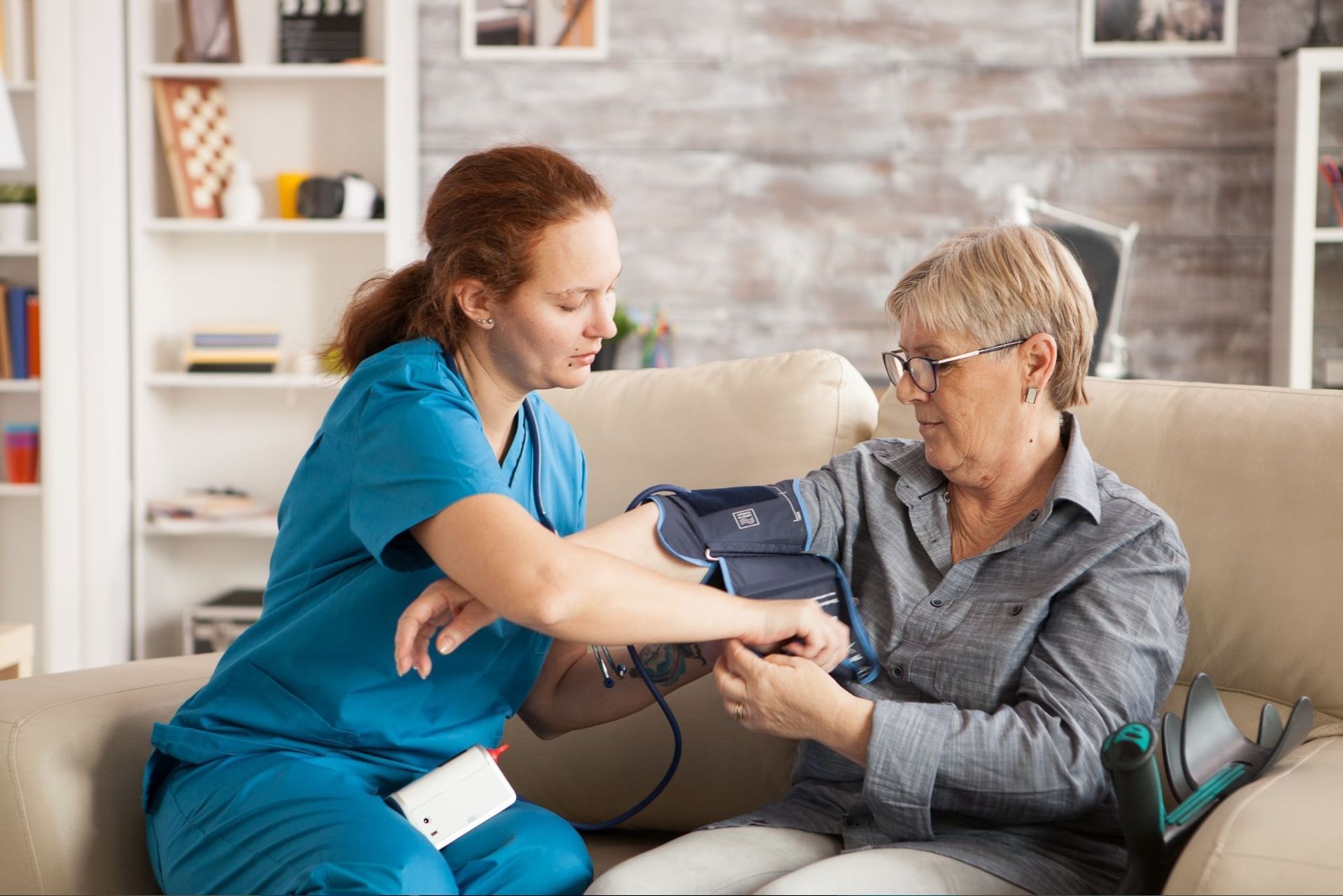
Many patients prefer receiving treatment at home rather than remaining in hospital.
Private nursing services provide greater comfort, flexibility, and continuity of care.
Benefits include:
Reduced Hospital Visits
Patients recovering from illness may avoid repeated hospital appointments while still receiving expert clinical care.
Comfort of Home
Receiving treatment in familiar surroundings often reduces anxiety and improves overall wellbeing.
Individualised Care
Private nurses generally spend more one-to-one time with patients than busy hospital wards can provide.
Flexible Scheduling
Appointments can often be arranged around work, family responsibilities, and personal commitments.
Better Continuity
Seeing the same nurse throughout treatment helps build trust and ensures consistent monitoring.
Can Every Private Nurse Administer IV Therapy?
Not automatically.
Although every registered nurse receives education in medicines management, IV therapy requires additional competency-based training.
A nurse administering IV therapy should demonstrate competence in:
- Venous anatomy
- Infection prevention
- Cannulation
- Aseptic technique
- Medication calculations
- Drug compatibility
- Infusion equipment
- Pump operation
- Recognising complications
- Emergency response
- Patient assessment
- Documentation
Competency is maintained through ongoing professional development and regular assessment.
Legal Requirements for IV Therapy in the UK
Healthcare professionals must comply with several professional standards.
Nursing and Midwifery Council Registration
Every practising nurse must hold current NMC registration.
The NMC Code requires nurses to:
- Prioritise people
- Practise effectively
- Preserve safety
- Promote professionalism and trust
These principles apply equally to private healthcare.
Prescription Requirements
Many IV medications require a prescription from an authorised prescriber, including:
- Doctors
- Independent nurse prescribers
- Pharmacist prescribers where appropriate
Private nurses administer medicines only when appropriate legal authority exists.
Consent
Patients must provide informed consent before treatment begins.
This includes understanding:
- Benefits
- Risks
- Alternatives
- Expected outcomes
- Possible side effects
Types of IV Therapy Private Nurses Can Provide
Depending on their qualifications and employer policies, private nurses may administer various treatments.
IV Antibiotics
Patients recovering from infections may continue intravenous antibiotics after hospital discharge.
Examples include treatment for:
- Cellulitis
- Bone infections
- Joint infections
- Respiratory infections
- Urinary tract infections
This approach supports earlier discharge while maintaining effective treatment.
IV Hydration
Some patients struggle to maintain hydration because of:
- Vomiting
- Diarrhoea
- Post-operative recovery
- Chronic illness
- Dehydration
IV fluids restore hydration more rapidly than oral fluids in appropriate cases.
Iron Infusions
Iron deficiency anaemia sometimes requires intravenous iron when oral supplements are ineffective or poorly tolerated.
Private nurses can monitor patients before, during, and after treatment.
Vitamin Infusions
Certain medical conditions require prescribed vitamin replacement through intravenous therapy.
These treatments should always be clinically indicated rather than based solely on lifestyle preferences.
Pain Management
Some patients require IV pain relief following surgery or during palliative care.
Private nurses ensure medications are administered safely while monitoring effectiveness and side effects.
Palliative Care
Community and private nurses frequently provide IV medication to support symptom management for patients receiving end-of-life care.
The focus remains on comfort, dignity, and quality of life.
Conditions That May Require IV Therapy
IV treatment may be appropriate for many medical conditions, including:
- Severe dehydration
- Infections
- Nutritional deficiencies
- Chronic inflammatory diseases
- Autoimmune conditions
- Cancer treatment
- Post-surgical recovery
- Gastrointestinal disorders
- Severe anaemia
- Certain neurological conditions
Not every condition requires intravenous treatment. A healthcare professional determines the most appropriate approach based on individual clinical needs.
The IV Therapy Process
Understanding what happens during treatment helps reduce anxiety.
Initial Assessment
The nurse begins by reviewing:
- Medical history
- Allergies
- Current medications
- Blood test results
- Vital signs
- Treatment plan
- Prescription
Any concerns are discussed before treatment starts.
Preparing Equipment
Strict infection prevention measures are followed.
The nurse prepares:
- Sterile cannula
- IV fluids
- Prescribed medication
- Dressing materials
- Gloves
- Infusion pump where required
Cannulation
A small cannula is inserted into a suitable vein, usually in the hand or forearm.
Most patients experience only mild discomfort.
Administration
Medication or fluids are delivered over a carefully controlled period.
Some infusions take:
- 20 minutes
- One hour
- Two hours
- Several hours
Treatment duration depends on the medication prescribed.
Monitoring
Throughout treatment the nurse observes:
- Blood pressure
- Pulse
- Temperature
- Breathing
- Comfort
- Cannula site
- Allergic reactions
Monitoring continues after the infusion has finished if clinically indicated.
Documentation
Accurate records include:
- Medication given
- Dosage
- Time
- Batch numbers where required
- Observations
- Patient response
- Any adverse events
Is IV Therapy Safe at Home?
Yes, when delivered by trained professionals using appropriate clinical procedures.
Studies have shown that home-based IV therapy can be both safe and effective for carefully selected patients.
Patient safety depends on:
- Correct patient selection
- Experienced nurses
- Appropriate prescriptions
- Sterile technique
- Regular monitoring
- Emergency procedures
- Good communication with the wider healthcare team
Possible Risks of IV Therapy
Although generally safe, every medical procedure carries some risk.
Potential complications include:
Infection
Proper hand hygiene and aseptic technique significantly reduce infection risk.
Bruising
Minor bruising around the cannula site is relatively common.
Phlebitis
Inflammation of the vein may occur if irritation develops.
Infiltration
Occasionally IV fluids leak into surrounding tissue instead of remaining inside the vein.
Allergic Reaction
Some medications may trigger allergic responses.
Qualified nurses recognise symptoms quickly and respond appropriately.
Extravasation
Certain medicines can damage surrounding tissue if they escape from the vein.
This requires immediate intervention.
How Private Nurses Minimise Risks
Experienced nurses follow evidence-based procedures to protect patients.
These include:
- Thorough assessment
- Medication verification
- Identity checks
- Hand hygiene
- Sterile equipment
- Clinical observations
- Accurate documentation
- Safe disposal of sharps
- Immediate escalation of concerns
Patient safety remains the highest priority throughout treatment.
Who Might Benefit from Private IV Nursing?
Many individuals may benefit from home IV therapy.
Examples include:
Older adults recovering from illness.
Patients with reduced mobility.
People receiving long-term antibiotic therapy.
Individuals requiring ongoing hydration.
Cancer patients needing supportive treatment.
People recovering after surgery.
Patients receiving palliative care.
Individuals with chronic illnesses requiring regular infusions.
Each patient receives an individual assessment before treatment begins.
Questions to Ask Before Booking a Private Nurse
Choosing a reputable provider is essential.
Consider asking:
- Is the nurse NMC registered?
- Do they have IV therapy competency?
- Are medications prescribed appropriately?
- What emergency procedures are in place?
- How is infection control maintained?
- Will treatment records be shared with my healthcare team if needed?
- What monitoring is provided during and after treatment?
- Is insurance in place?
Transparent answers indicate a professional service.
Why Professional Standards Matter
IV therapy involves far more than inserting a needle.
Professional nurses combine clinical knowledge, practical skills, communication, assessment, and ongoing monitoring throughout treatment.
They understand:
- Anatomy
- Pharmacology
- Infection prevention
- Medication safety
- Clinical deterioration
- Emergency management
- Patient education
This expertise helps reduce complications while improving patient confidence.
Home IV Therapy Is Becoming Increasingly Popular
Healthcare delivery is steadily moving towards community-based care.
Advances in portable infusion equipment, improved training, and better clinical governance have made home IV therapy increasingly accessible.
Patients appreciate:
- Reduced travel
- Familiar surroundings
- Greater independence
- Improved comfort
- Personalised nursing support
Healthcare providers also recognise that appropriate home treatment can reduce unnecessary hospital admissions while maintaining high standards of care.
Understanding the Different Types of Intravenous Access
Not all IV therapy is delivered in the same way. The type of intravenous access used depends on the patient's treatment plan, the duration of therapy, and the medication being administered. A private nurse will assess the existing access device before every treatment to ensure it remains safe and suitable for use.
Peripheral Cannula
A peripheral cannula is the most commonly used type of IV access. It is usually inserted into a vein in the hand or lower arm and is suitable for short-term treatments such as hydration, antibiotics, or pain relief.
These cannulas are generally replaced every few days or sooner if there are signs of complications, following local clinical policies.
Peripherally Inserted Central Catheter (PICC Line)
A PICC line is a longer catheter inserted into a vein in the upper arm, with the tip positioned near the heart. It is commonly used for patients requiring several weeks or months of IV treatment.
Private nurses who are trained in central line care can safely administer prescribed medications through a PICC line while monitoring for signs of infection or blockage.
Central Venous Catheter
Some patients undergoing long-term medical treatment have a central venous catheter. These devices require specialist knowledge and careful infection prevention measures.
Only nurses who have received appropriate training and competency assessment should manage these devices.
Implantable Port
Patients receiving chemotherapy or long-term infusion therapies may have an implanted port beneath the skin. Accessing these devices requires specialised equipment and strict aseptic technique.
Private nurses with the necessary qualifications can administer treatments through implanted ports while ensuring patient comfort and safety.
The Importance of Infection Prevention During IV Therapy
One of the biggest priorities during intravenous therapy is preventing infection. Even a minor lapse in infection control can increase the risk of complications, which is why experienced private nurses follow strict clinical procedures throughout every stage of treatment.
Effective infection prevention includes:
- Thorough hand hygiene before and after patient contact
- Using sterile, single-use equipment
- Cleaning the IV access site with approved antiseptic solutions
- Wearing appropriate personal protective equipment (PPE)
- Maintaining a clean treatment environment
- Inspecting the cannula site before every infusion
- Changing dressings when clinically required
- Safely disposing of needles and clinical waste
Patients and family members are also educated on how to recognise early warning signs of infection, including redness, swelling, warmth, pain, or discharge around the insertion site.
The Role of Patient Education in Successful IV Therapy
Administering IV therapy is only one part of a private nurse's responsibilities. Education is equally important, as informed patients are better equipped to participate in their own care and recognise potential issues early.
During visits, private nurses often explain:
- How the prescribed medication works
- Expected treatment outcomes
- Possible side effects
- How to care for the cannula or central line
- Activities that should be avoided during treatment
- When to seek urgent medical advice
- The importance of completing the full course of prescribed medication
This personalised education helps patients feel more confident and reduces unnecessary anxiety about receiving treatment at home.
How Private Nurses Work Alongside Other Healthcare Professionals
Private nursing does not replace your GP or hospital consultant. Instead, it complements the wider healthcare team to ensure seamless and coordinated care.
Depending on the patient's condition, a private nurse may communicate with:
- General practitioners (GPs)
- Hospital consultants
- Community nursing teams
- Pharmacists
- Physiotherapists
- Occupational therapists
- Dietitians
- Palliative care specialists
This multidisciplinary approach ensures that everyone involved in the patient's care has access to accurate information regarding treatment progress, medication administration, and any changes in the patient's condition.
Signs That Require Immediate Medical Attention
Although complications from IV therapy are uncommon when administered by trained professionals, patients should know when urgent medical assessment may be required.
Medical advice should be sought immediately if a patient experiences:
- Difficulty breathing
- Chest pain
- Severe allergic reactions
- High fever or persistent chills
- Significant swelling around the IV site
- Sudden severe pain during the infusion
- Excessive bleeding from the cannula site
- Confusion or loss of consciousness
Private nurses are trained to recognise these warning signs promptly and initiate appropriate emergency procedures when necessary.
Why Choosing an Experienced Private Nursing Provider Matters
Not all healthcare providers offer the same level of expertise, and choosing an experienced private nursing service can make a significant difference to both safety and patient experience.
A reputable provider invests in ongoing staff training, clinical governance, infection prevention, and regular competency assessments. They also ensure that nurses stay up to date with the latest evidence-based practices and national healthcare guidance.
When selecting a private nursing provider, look for organisations that are transparent about their qualifications, clinical standards, and commitment to patient-centred care. Reading genuine patient testimonials, asking about nurse experience, and confirming professional registration can provide additional reassurance.
Ultimately, IV therapy is a highly skilled clinical procedure that requires far more than technical ability alone. It demands sound clinical judgement, careful monitoring, effective communication, and compassionate care.
By choosing qualified private nurses, patients can receive high-quality treatment in the comfort of their own homes while maintaining the same commitment to safety and professional standards expected in hospital settings. This combination of convenience, expertise, and personalised support is one of the key reasons why home-based IV therapy continues to grow in popularity across the UK.
Frequently Asked Questions
Can a private nurse give IV antibiotics at home?
Yes. If prescribed by an authorised clinician and clinically appropriate, qualified private nurses can administer IV antibiotics safely in a patient's home.
Can private nurses insert IV cannulas?
Many experienced registered nurses are trained and assessed as competent in peripheral cannulation, although competency requirements vary depending on their role and employer.
Is IV therapy only available in hospitals?
No. Many treatments can now be delivered safely in homes, care homes, clinics, and community settings when patients are suitable for home-based care.
Do I need a prescription for IV therapy?
Yes. Most IV medications require a valid prescription or other legal authority before administration.
Is home IV therapy suitable for everyone?
Not always. Suitability depends on the patient's medical condition, treatment plan, home environment, and clinical assessment.
Final Thoughts
So, can private nurses administer IV therapy?
Yes, they can. In the UK, qualified private nurses who are registered with the Nursing and Midwifery Council, appropriately trained in intravenous therapy, and working within legal and professional guidelines can safely administer a wide range of IV treatments.
From antibiotics and hydration to iron infusions and palliative care medications, private nursing services offer patients safe, convenient, and personalised care outside the traditional hospital setting. However, successful IV therapy depends on much more than technical skill. Careful assessment, ongoing monitoring, infection prevention, accurate documentation, and clear communication are all essential components of high quality nursing practice.
For patients seeking expert care in the comfort of their own home, choosing an experienced and reputable private nursing provider ensures treatment is delivered safely, professionally, and with compassion. As healthcare continues to evolve, home based IV therapy is likely to become an even more important part of delivering patient centred care across the UK.