Can you get private nurses?
Can You Get Private Nurses?
Healthcare needs are becoming increasingly personalised, and many individuals and families across the UK are now asking a common question: can you get private nurses? The answer is yes, and private nursing care is not only accessible but also highly adaptable to different medical and lifestyle needs.
This guide explores everything you need to know about private nurses, including what they do, who can benefit, costs, how to arrange care, and why private nursing is becoming a preferred choice for many households.
What Is a Private Nurse?
A private nurse is a qualified healthcare professional who provides one to one medical care outside of traditional NHS settings. Unlike hospital based nurses, private nurses deliver care in environments such as your home, care homes, or even during travel.
Private nurses can include:
- Registered Nurses (RNs)
- Specialist nurses such as oncology or palliative care nurses
- Live in nurses
- Visiting nurses for scheduled care
Their role is to provide personalised medical support that aligns with the patient’s condition, preferences, and daily routine.
Can You Really Hire a Private Nurse in the UK?
Yes, private nursing services are widely available across the UK. Individuals can arrange care directly through private healthcare providers, nursing agencies, or independent practitioners.
Many families choose private nurses to:
- Avoid long waiting times
- Receive consistent one to one care
- Manage chronic or complex conditions at home
- Support recovery after surgery
- Provide dignified end of life care
Private nursing is fully legal and regulated, ensuring that patients receive safe and professional medical attention.
What Services Do Private Nurses Provide?
Private nurses offer a wide range of services, depending on the patient's medical needs. These services often go beyond what is typically available through standard healthcare pathways.
1. Medical Care at Home
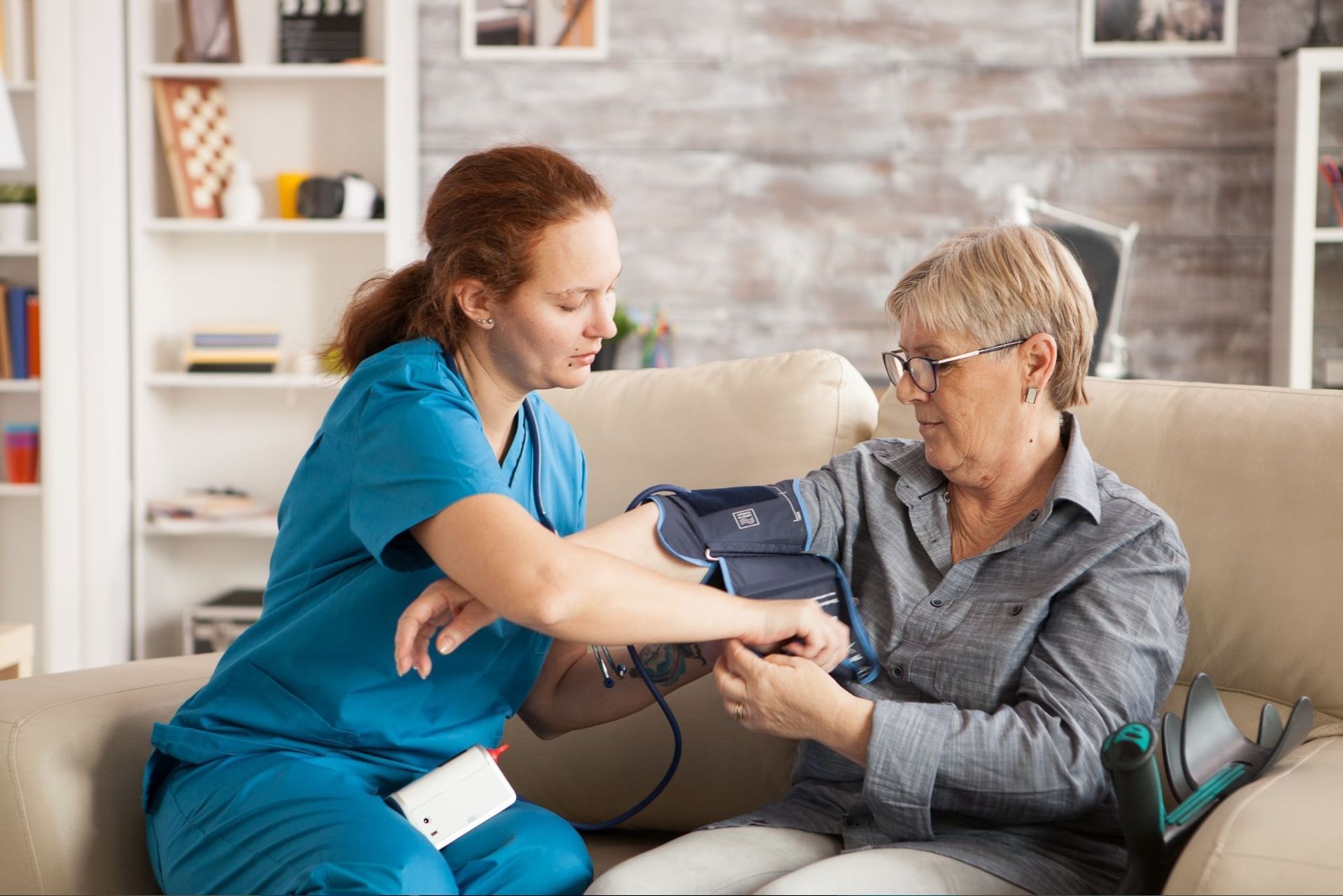
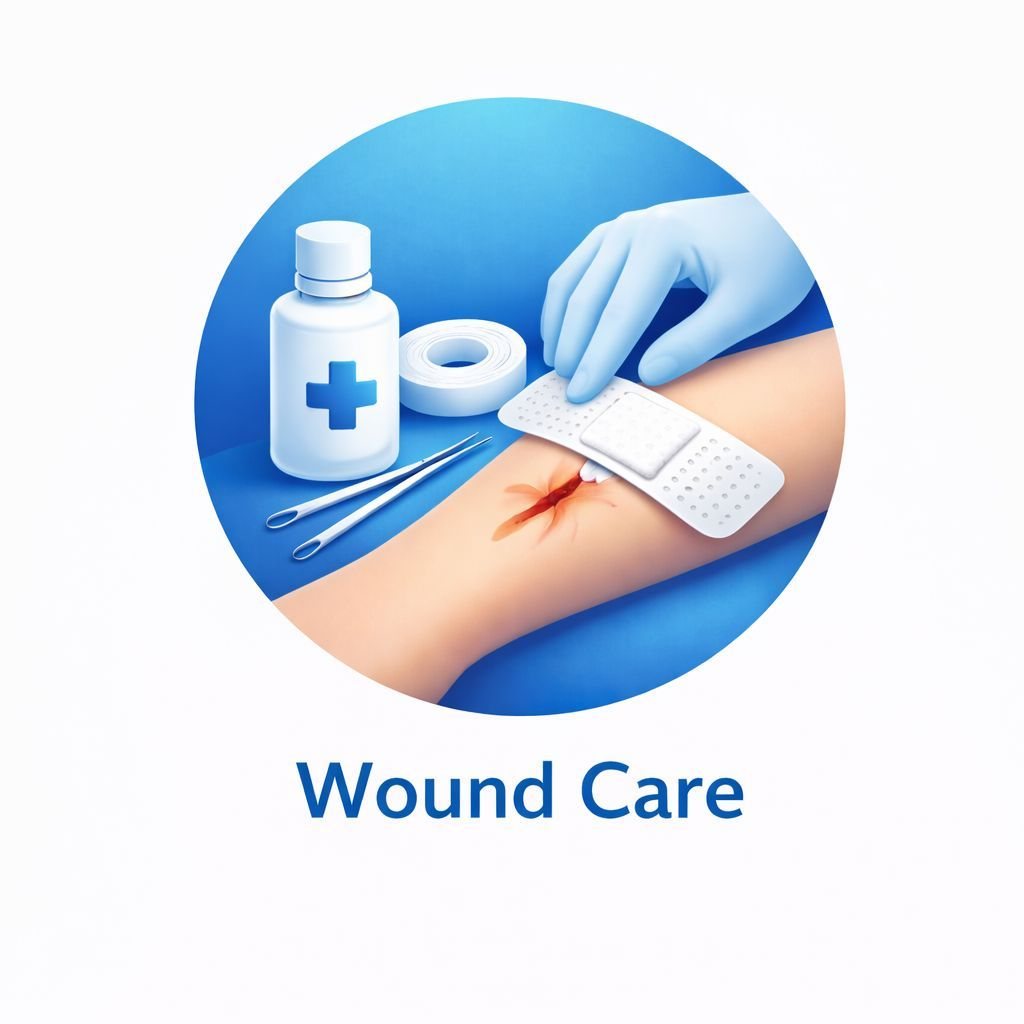
Private nurses can administer medication, monitor vital signs, manage wounds, and provide clinical care in a home setting.
For professional wound management and dressing changes,
private wound care London services ensure proper healing and infection prevention in the comfort of your home.
2.
Post Operative Support
After surgery, recovery can be challenging. A private nurse ensures proper healing, pain management, and complication prevention.
3. Chronic Disease Management
Patients with conditions such as diabetes, heart disease, or neurological disorders benefit from ongoing monitoring and care.
4. Palliative and End of Life Care
Private nurses provide compassionate care focused on comfort, dignity, and quality of life for patients with serious illnesses.
5. Elderly Care Support
Ageing individuals often need additional medical support alongside personal care. Private nurses bridge this gap effectively.
6. Specialist Care
Some nurses specialise in areas like cancer care, ventilator support, or rehabilitation therapy.
Who Should Consider Hiring a Private Nurse?
Private nursing is not limited to a specific group. It is suitable for a wide range of individuals, including:
Individuals Recovering from Surgery
Patients discharged early from hospitals often require professional monitoring at home.
Elderly Individuals Living Independently
Private nurses help maintain independence while ensuring safety and medical oversight.
Families Caring for Loved Ones
Private nurses reduce the burden on family caregivers by providing expert support.
Patients with Complex Medical Needs
Those requiring specialised care benefit from consistent, personalised attention.
Individuals Seeking Premium Care Experience
Some people simply prefer a higher level of privacy, comfort, and dedicated healthcare.
Benefits of Private Nursing Care
Private nursing offers several advantages that make it an appealing option.
Personalised Care Plans
Every patient receives a tailored care plan designed around their medical condition and lifestyle.
Continuity of Care
Unlike hospital shifts, private nurses often provide consistent care, building trust and familiarity.
Comfort of Home
Receiving care in a familiar environment can improve recovery and emotional wellbeing.
Flexible Scheduling
Care can be arranged on an hourly, daily, or live in basis.
Reduced Hospital Visits
Many treatments can be managed at home, minimising the need for hospital admissions.
How Much Does a Private Nurse Cost in the UK?
The cost of hiring a private nurse varies based on several factors:
- Level of care required
- Nurse’s qualifications and specialisation
- Duration and frequency of care
- Location within the UK
Average Cost Estimates
- Hourly care: £25 to £80 per hour
- Overnight care: £150 to £300 per night
- Live in care: £800 to £1,500 per week or more
Specialist care, such as intensive or complex medical support, may cost significantly higher.
While private nursing is an out of pocket expense, many consider it a worthwhile investment in health, comfort, and peace of mind.
Is Private Nursing Regulated in the UK?
Yes, private nursing services are regulated to ensure safety and quality.
Providers must comply with standards set by regulatory bodies such as the Care Quality Commission. This ensures:
- Nurses are properly qualified and trained
- Care practices meet safety guidelines
- Patients’ rights and dignity are protected
Before hiring a private nurse, always verify credentials and regulatory compliance.
How to Hire a Private Nurse
Arranging private nursing care is a straightforward process if you follow the right steps.
1. Assess Your Needs
Determine the type of care required, whether it is short term recovery support or long term medical care.
2. Choose a Reputable Provider
Select a trusted private nursing service with verified credentials and positive reviews.
3. Request a Consultation
Most providers offer an initial assessment to understand your requirements and create a care plan.
4. Review Qualifications
Ensure the nurse has the appropriate training and experience for your specific needs.
5. Agree on Costs and Schedule
Clarify pricing, hours, and terms before starting care.
For reliable and professional services, you can explore options at
Nurse Agnes to find tailored private nursing solutions that meet your needs.
Private Nurse vs NHS Care: What Is the Difference?
Understanding the difference between private nursing and NHS care can help you make an informed decision.
NHS Care
- Funded by the government
- May involve waiting times
- Limited one to one attention
- Standardised care plans
Private Nursing
- Paid service
- Immediate availability
- Personalised and dedicated care
- Greater flexibility and privacy
Both options serve important roles, and many individuals use a combination of NHS and private services.
Can Private Nurses Work Alongside NHS Services?
Yes, private nurses often complement NHS care rather than replace it.
For example:
- A patient may receive surgery through the NHS but hire a private nurse for recovery at home
- Individuals with long term conditions may use NHS services for routine check ups while relying on private nurses for daily care
This hybrid approach ensures comprehensive and continuous support.
Are Private Nurses Worth It?
The value of private nursing depends on individual circumstances.
Private nurses are particularly beneficial when:
- Immediate care is required
- Complex medical needs exist
- Comfort and privacy are priorities
- Family members need professional support
For many, the personalised attention and peace of mind outweigh the cost.
Common Misconceptions About Private Nurses
Myth 1: Private Nurses Are Only for the Wealthy
While private care involves costs, flexible options make it accessible to a wider range of people.
Myth 2: They Replace Doctors
Private nurses work alongside doctors, not as substitutes.
Myth 3: Only for Serious Illness
Private nurses support everything from minor recovery to complex conditions.
Myth 4: Difficult to Arrange
With modern healthcare providers, hiring a private nurse is easier than ever.
Future of Private Nursing in the UK
The demand for private nurses is growing due to several factors:
- Ageing population
- Increased preference for home based care
- Pressure on NHS resources
- Greater awareness of personalised healthcare options
Technology is also enhancing private nursing through remote monitoring and digital health tools, making care more efficient and accessible.
So, can you get private nurses in the UK? Absolutely. Private nursing is a practical, flexible, and highly personalised healthcare solution that continues to gain popularity.
Whether you need short term recovery support, long term care, or specialised medical assistance, private nurses provide a level of attention and comfort that is difficult to achieve in traditional settings.
By choosing a trusted provider and clearly understanding your needs, you can access high quality care that supports both health and quality of life.
How Quickly Can You Arrange a Private Nurse?
One of the key advantages of private nursing care is speed of access. In many cases, a private nurse can be arranged within 24 to 48 hours, depending on the urgency and complexity of care required.
For urgent cases such as hospital discharge or end of life care, some providers offer same day or next day services. This rapid response can make a significant difference in recovery outcomes and patient comfort.
Planned care, such as post operative support or long term assistance, may involve a more detailed assessment process. This ensures the care plan is fully aligned with medical needs and personal preferences.
What Qualifications Should a Private Nurse Have?
When hiring a private nurse, qualifications and experience are critical factors. In the UK, a professional private nurse should:
- Be registered with the Nursing and Midwifery Council
- Have relevant clinical experience in their field
- Hold up to date certifications and training
- Demonstrate strong communication and interpersonal skills
For specialised care, such as intensive care or oncology support, it is essential to choose a nurse with proven expertise in that area.
Always ask for credentials and verify professional registration before confirming any arrangement.
Live In vs Visiting Private Nurses
Private nursing services can be tailored based on how much support is needed. The two most common options are live in care and visiting care.
Live In Private Nurses
A live-in nurse stays in the patient’s home and provides round the clock care. This option is ideal for:
- Patients with complex medical conditions
- Individuals requiring continuous monitoring
- Those who prefer full time support
Live in care offers peace of mind, knowing that medical assistance is always available.
Visiting Private Nurses
Visiting nurses provide care on a scheduled basis, such as a few hours a day or several visits per week.
This option suits:
- Patients with less intensive needs
- Individuals requiring specific treatments like injections or wound care
- Families needing temporary support
Choosing between these options depends on the level of care required and budget considerations.
What Questions Should You Ask Before Hiring a Private Nurse?
Making the right choice involves asking the right questions. Before hiring, consider the following:
- What experience do you have with this specific condition?
- Are you fully registered and insured?
- Can you provide references or testimonials?
- What does the care plan include?
- How do you handle emergencies?
- What are the total costs and any additional charges?
Clear communication at the start helps prevent misunderstandings and ensures a smoother care experience.
The Role of Family in Private Nursing Care
Even with a private nurse, family involvement remains important. Private nurses often work collaboratively with family members to deliver the best outcomes.
Families can:
- Provide emotional support
- Assist with daily routines
- Communicate preferences and concerns
- Help monitor progress
This partnership creates a more holistic care environment where both medical and emotional needs are addressed.
Technology in Private Nursing
Modern private nursing increasingly incorporates technology to improve care delivery.
Remote Monitoring
Devices can track vital signs such as heart rate, blood pressure, and oxygen levels in real time.
Digital Care Plans
Care plans can be updated and shared digitally, ensuring transparency between nurses, patients, and families.
Telehealth Support
Private nurses may coordinate with doctors through virtual consultations, reducing the need for in person visits.
These advancements enhance efficiency while maintaining high standards of personalised care.
Private Nursing for Specific Conditions
Private nurses are often sought for condition specific care. Here are some examples:
Dementia and Alzheimer’s Care
Patients require structured routines, safety monitoring, and compassionate communication.
Cancer Care
Private nurses assist with symptom management, medication, and emotional support during treatment.
Stroke Recovery
Rehabilitation, mobility support, and monitoring are key aspects of care.
Post Hospital Discharge
Patients benefit from professional oversight to prevent complications and readmission.
Specialised care ensures that patients receive targeted support tailored to their condition.
Legal and Ethical Considerations
Private nursing care must adhere to strict ethical and legal standards in the UK.
Patient Consent
Patients must be fully informed and consent to the care they receive.
Confidentiality
All personal and medical information must be handled securely.
Safeguarding
Nurses must act in the best interest of the patient, particularly for vulnerable individuals.
Accountability
Professional standards require nurses to maintain high levels of responsibility and competence.
Working with a reputable provider ensures these standards are consistently upheld.
Choosing the Right Private Nursing Provider
Selecting the right provider is just as important as choosing the nurse.
Look for providers that offer:
- Transparent pricing
- Qualified and vetted staff
- Flexible care plans
- Positive client feedback
- Strong regulatory compliance
A trusted provider will take the time to understand your needs and match you with the right professional.
If you are considering professional private nursing services, you can explore tailored care options at
https://www.nurseagnes.co.uk/ for reliable and compassionate support.
How Private Nursing Supports Independent Living
One of the greatest benefits of private nursing is its ability to support independence.
Rather than moving into a care facility, individuals can remain in their own homes while receiving professional medical care. This has several advantages:
- Familiar surroundings improve mental wellbeing
- Greater control over daily routines
- Increased sense of dignity and autonomy
Private nurses empower individuals to maintain their lifestyle while ensuring safety and health.
The Growing Demand for Private Nurses in the UK
Private nursing is becoming increasingly popular due to changes in healthcare demand and patient expectations.
Key drivers include:
- Longer life expectancy
- Rise in chronic health conditions
- Desire for personalised care
- Increased awareness of home based healthcare options
As more people seek alternatives to traditional care pathways, private nursing continues to expand as a trusted solution.
Final Conclusion
Private nursing is no longer a niche service. It is a practical and accessible option for individuals seeking high quality, personalised healthcare in the comfort of their own home.
From post operative recovery to long term condition management, private nurses provide essential support tailored to each patient’s needs. With flexible arrangements, professional standards, and growing availability, private nursing is shaping the future of healthcare in the UK.
If you are exploring whether private nursing is right for you or your loved one, understanding your needs and choosing a reputable provider is the first step towards better, more personalised care.