Does cupping help with nerve entrapment?
Does Cupping Help With Nerve Entrapment?
Nerve entrapment is a common yet often misunderstood condition that can significantly affect daily life. From persistent tingling and numbness to sharp, radiating pain, it can disrupt sleep, work, and mobility. As more people turn to complementary therapies for relief, cupping therapy has gained attention as a potential supportive treatment.
But does cupping actually help with nerve entrapment? This article explores the evidence, mechanisms, benefits, and limitations of cupping therapy in the context of nerve compression conditions, while offering practical guidance for those considering it.
What Is Nerve Entrapment?
Nerve entrapment occurs when a nerve is compressed or irritated by surrounding tissues such as muscles, tendons, ligaments, or bones. This pressure interferes with normal nerve function, leading to symptoms such as:
- Tingling or “pins and needles”
- Numbness
- Burning or sharp pain
- Muscle weakness
- Reduced range of motion
Common examples include carpal tunnel syndrome, sciatica, cubital tunnel syndrome, and thoracic outlet syndrome. These conditions may arise from repetitive strain, poor posture, injury, inflammation, or underlying health issues.
Understanding Cupping Therapy
Cupping therapy is an ancient treatment method rooted in traditional Chinese medicine and widely practised across various cultures. It involves placing cups on the skin to create suction, which draws the skin and underlying tissues upward.
There are several forms of cupping, including:
- Dry cupping: Uses suction only
- Wet cupping: Involves controlled skin pricking and bloodletting
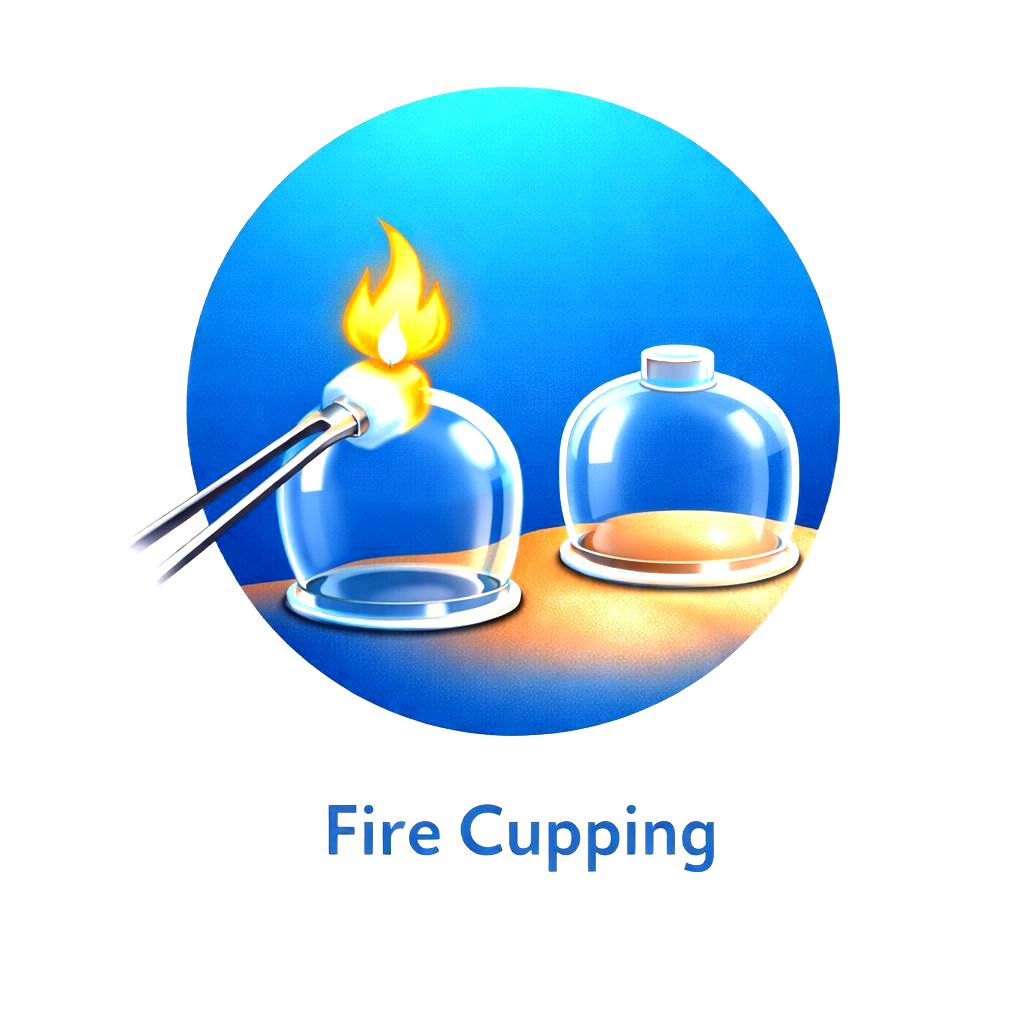
- Fire cupping: Uses heat to create suction
- Silicone or massage cupping: Allows movement across the skin
In modern clinical settings, dry and massage cupping are most commonly used, especially in physiotherapy and holistic care environments.
How Cupping May Help With Nerve Entrapment
While cupping is not a direct cure for nerve entrapment, it may help alleviate symptoms and support recovery through several physiological effects.
1. Improved Blood Circulation
The suction created during cupping increases blood flow to the affected area. Enhanced circulation helps deliver oxygen and nutrients to tissues while removing metabolic waste. This can reduce inflammation around compressed nerves and promote healing.
2. Reduction of Muscle Tension
Tight or overactive muscles often contribute to nerve compression. Cupping helps relax these muscles by lifting the fascia and soft tissue layers, reducing pressure on nearby nerves.
3. Fascial Release
The fascia is a connective tissue network that surrounds muscles and nerves. Restrictions or adhesions in the fascia can contribute to nerve entrapment. Cupping gently stretches and mobilises this tissue, improving flexibility and reducing mechanical stress.
4. Pain Modulation
Cupping may stimulate the nervous system in a way that alters pain perception. By activating sensory receptors in the skin, it can help “distract” the brain from deeper pain signals, providing temporary relief.
5. Lymphatic Drainage
The suction effect can encourage lymphatic flow, helping to reduce swelling and fluid retention in the affected area. This may further relieve pressure on entrapped nerves.
Conditions Where Cupping May Be Beneficial
Cupping therapy is often used as part of a broader treatment plan for conditions involving nerve compression. These include:
Carpal Tunnel Syndrome
Cupping applied to the forearm and wrist may help reduce tension in the flexor muscles, easing pressure on the median nerve.
Sciatica
When the sciatic nerve is compressed in the lower back or gluteal region, cupping may help relieve tightness in surrounding muscles such as the piriformis.
Cervical Radiculopathy
Neck-related nerve pain can benefit from cupping along the upper back and shoulders, where muscle tension often contributes to nerve irritation.
Thoracic Outlet Syndrome
Cupping around the chest and shoulder area may help open up space where nerves and blood vessels are compressed.
What Does the Research Say?
Scientific evidence on cupping therapy is still evolving. Some studies suggest that cupping can reduce pain and improve function in musculoskeletal conditions, including those involving nerve irritation.
For example:
- A number of clinical trials have shown that cupping can reduce chronic neck and back pain, which are often associated with nerve compression.
- Research into carpal tunnel syndrome has indicated that cupping may improve symptoms when combined with conventional treatments.
- Systematic reviews suggest that while cupping shows promise, more high-quality studies are needed to confirm its effectiveness for specific nerve conditions.
It is important to note that cupping is generally considered a complementary therapy rather than a standalone treatment.
Benefits of Cupping for Nerve Entrapment
When used appropriately, cupping therapy may offer several advantages:
- Non-invasive and drug-free
- Can be tailored to individual needs
- May provide immediate symptom relief
- Supports other therapies such as physiotherapy or massage
- Enhances overall relaxation and wellbeing
For many individuals, the appeal lies in its holistic approach, addressing both physical and functional aspects of pain.
Limitations and Considerations
Despite its potential benefits, cupping is not suitable for everyone and should be approached with realistic expectations.
Not a Cure
Cupping does not address structural issues such as herniated discs or bone abnormalities that may be causing nerve entrapment.
Temporary Effects
Relief may be short-term, especially if underlying causes such as poor posture or repetitive strain are not addressed.
Skin Reactions
Cupping often leaves circular marks on the skin, which are not bruises but can last several days. Some individuals may experience mild discomfort or sensitivity.
Contraindications
Cupping may not be suitable for people with certain conditions, including:
- Skin infections or open wounds
- Blood clotting disorders
- Severe cardiovascular conditions
- Pregnancy, depending on the area treated
Always consult a qualified practitioner before undergoing cupping therapy.
Integrating Cupping Into a Treatment Plan
For best results, cupping should be part of a comprehensive approach to managing nerve entrapment. This may include:
- Physiotherapy exercises to improve strength and mobility
- Postural correction and ergonomic adjustments
- Manual therapy such as massage or mobilisation
- Anti-inflammatory strategies, including diet and lifestyle changes
- Medical evaluation for persistent or severe symptoms
Working with experienced professionals ensures that treatment is safe, targeted, and effective.
If you are exploring holistic care options, you can learn more about professional support and tailored therapies at https://www.nurseagnes.co.uk/.
When to Seek Medical Advice
While mild nerve entrapment may respond well to conservative treatments, certain symptoms require prompt medical attention:
- Persistent or worsening pain
- Significant muscle weakness
- Loss of coordination
- Symptoms affecting daily function
- No improvement after several weeks of self-care
A healthcare provider can perform diagnostic tests and recommend appropriate interventions, which may include imaging, medication, or in some cases, surgery.
Cupping therapy can be a valuable addition to the management of nerve entrapment, particularly for reducing muscle tension, improving circulation, and alleviating pain. However, it is not a standalone solution and should be used alongside evidence-based treatments and professional guidance.
As interest in integrative healthcare continues to grow, therapies like cupping offer a promising way to support recovery and enhance overall wellbeing. The key lies in understanding its role, setting realistic expectations, and choosing qualified practitioners who can tailor treatment to your specific needs.
For those dealing with the discomfort of nerve entrapment, exploring complementary therapies such as cupping may provide an extra layer of relief and support on the path to recovery.
Frequently Asked Questions About Cupping and Nerve Entrapment
Can cupping make nerve pain worse?
In most cases, cupping does not worsen nerve pain when performed correctly by a trained practitioner. However, excessive suction or incorrect placement over highly sensitive areas may temporarily increase discomfort. This is why proper assessment and technique are essential. If pain intensifies after treatment or persists beyond a few days, it is advisable to stop and consult a healthcare professional.
How many cupping sessions are needed for nerve entrapment?
The number of sessions varies depending on the severity and cause of the condition. Some individuals notice relief after one or two sessions, while others may require a structured course over several weeks. Chronic conditions often benefit from ongoing maintenance combined with physiotherapy and lifestyle adjustments.
A personalised plan created by a qualified practitioner ensures that treatment frequency aligns with your specific needs and recovery goals.
Is cupping better than massage for nerve compression?
Cupping and massage serve different but complementary purposes. Massage typically works by applying pressure to muscles, whereas cupping lifts tissues to create space and improve circulation. For nerve entrapment, combining both approaches can be particularly effective.
Massage may help loosen tight muscles, while cupping can target deeper fascial restrictions. Together, they can reduce the mechanical stress contributing to nerve compression.
Can I do cupping at home?
While home cupping kits are widely available, self-treatment should be approached with caution. Without proper knowledge of anatomy and technique, there is a risk of ineffective treatment or injury.
For nerve-related conditions, it is strongly recommended to seek professional care, especially in the early stages. Once a diagnosis and treatment plan are established, some practitioners may guide you on safe home techniques as part of ongoing management.
Does cupping help all types of nerve entrapment?
Cupping may be more beneficial for nerve entrapment caused by soft tissue issues such as muscle tightness or fascial restrictions. It is less effective for conditions involving structural abnormalities, such as bone spurs or severe disc herniation.
This highlights the importance of accurate diagnosis. Understanding the root cause of your symptoms ensures that cupping is used appropriately within a broader treatment strategy.
Practical Tips to Maximise Results
If you are considering cupping therapy for nerve entrapment, a few practical steps can enhance its effectiveness:
Stay Consistent With Treatment
Consistency is key when addressing chronic conditions. Regular sessions, combined with other therapies, can lead to more sustainable improvements.
Follow Aftercare Advice
After a cupping session, practitioners may recommend hydration, gentle stretching, and avoiding strenuous activity for a short period. These steps support recovery and reduce the likelihood of soreness.
Combine With Movement Therapy
Exercises that improve flexibility, posture, and strength play a crucial role in relieving nerve compression. Cupping works best when paired with active rehabilitation.
Monitor Your Symptoms
Keep track of changes in pain, mobility, and function. This helps you and your practitioner adjust the treatment plan as needed.
The Role of Professional Expertise
The effectiveness of cupping therapy largely depends on the skill and knowledge of the practitioner. A
trained professional will:
- Conduct a thorough assessment of your symptoms
- Identify contributing factors such as posture or muscle imbalance
- Apply cupping techniques safely and strategically
- Integrate therapy with other evidence-based treatments
Choosing a reputable provider ensures that your care is both safe and tailored to your condition. For those seeking a professional and holistic approach, visiting https://www.nurseagnes.co.uk/ can provide access to experienced practitioners who understand the complexities of nerve-related conditions.
Cupping vs Conventional Treatments
It is helpful to understand how cupping fits alongside conventional medical treatments for nerve entrapment.
Medication
Pain relievers and anti-inflammatory drugs can provide quick symptom relief but may not address underlying causes. Cupping offers a non-pharmacological option that complements medication.
Physiotherapy
Physiotherapy remains a cornerstone of treatment, focusing on restoring movement and function. Cupping can enhance these outcomes by reducing muscle tension and improving tissue mobility.
Injections
Corticosteroid injections may be used in more severe cases to reduce inflammation. While effective, they are typically reserved for specific situations. Cupping provides a gentler alternative for mild to moderate symptoms.
Surgery
Surgical intervention is considered when conservative treatments fail. Cupping is not a replacement for surgery but may be used during recovery to support healing and reduce discomfort.
Addressing Common Misconceptions
Cupping is only for athletes
While athletes often use cupping for recovery, it is suitable for a wide range of individuals, including office workers, manual labourers, and those with chronic pain conditions.
The marks mean damage
The circular marks left by cupping are not bruises in the traditional sense. They are a result of increased blood flow and typically fade within a few days.
Stronger suction means better results
More intense suction does not necessarily lead to better outcomes. In fact, gentle and controlled application is often more effective, particularly for nerve-related issues.
Long-Term Management of Nerve Entrapment
Cupping can play a role in symptom relief, but long-term management requires addressing underlying causes. This may involve:
- Improving posture during work and daily activities
- Taking regular breaks from repetitive movements
- Using ergonomic equipment
- Maintaining a healthy weight
- Engaging in regular physical activity
By combining these strategies with appropriate therapies, individuals can reduce the likelihood of recurrence and maintain better overall function.
Conclusion
Cupping therapy offers a supportive and increasingly popular option for individuals dealing with nerve entrapment. By improving circulation, reducing muscle tension, and promoting tissue mobility, it can help alleviate discomfort and enhance recovery when used as part of a comprehensive treatment plan.
However, it is not a cure-all. Its effectiveness depends on the underlying cause of the condition, the skill of the practitioner, and the integration of other therapeutic approaches. For those seeking a balanced and holistic pathway to relief, cupping may provide meaningful benefits when applied thoughtfully and professionally.
If you are considering this therapy, ensure that you consult experienced practitioners who can guide you safely and effectively.