Is cupping legal in the UK?
Is Cupping Legal in the UK?
Cupping therapy has seen a steady rise in popularity across the United Kingdom, driven by increased interest in complementary and alternative medicine. From professional athletes to individuals seeking relief from chronic pain, cupping is often promoted as a natural and effective treatment. However, one of the most frequently asked questions remains: is cupping legal in the UK?
This article provides a clear, evidence-based answer while also exploring the regulatory landscape, practitioner requirements, safety considerations, and what clients should expect when seeking cupping therapy. If you are considering cupping for personal use or professional practice, understanding the legal framework is essential.
What Is Cupping Therapy?
Cupping therapy is a traditional treatment method that involves placing cups on the skin to create suction. This suction is believed to improve blood flow, reduce muscle tension, and support healing. There are several types of cupping commonly practised in the UK:
- Dry cupping, which uses suction without breaking the skin
- Wet cupping, also known as hijama, which involves small incisions to draw blood
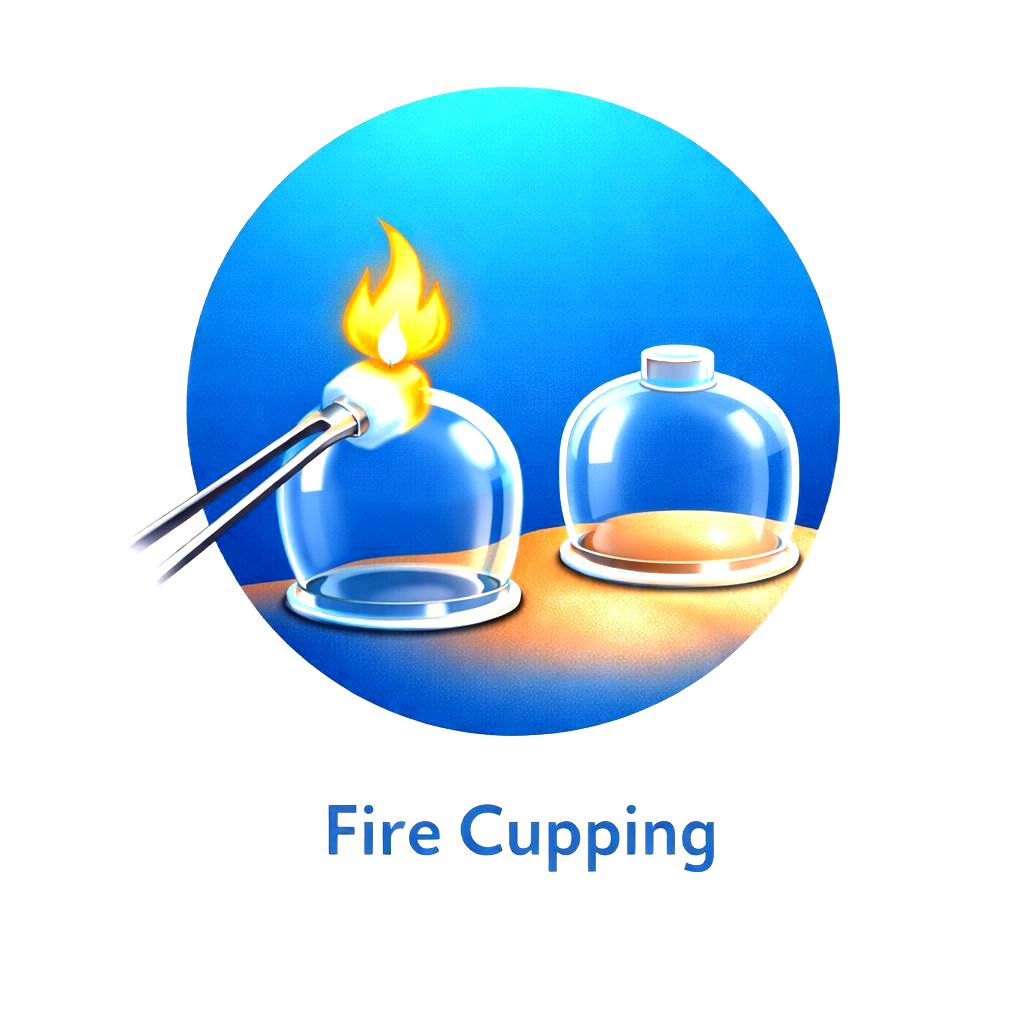
- Fire cupping, which uses heat to create suction
- Vacuum cupping, which uses mechanical pumps
Each method varies in technique, safety considerations, and legal implications.
Is Cupping Legal in the UK?
Yes, cupping therapy is legal in the UK. However, the answer is more nuanced than a simple yes or no. While cupping itself is not prohibited, it is subject to certain regulations and professional standards, especially when it involves invasive procedures such as wet cupping.
The UK does not currently have a single, nationwide licensing system specifically for cupping therapy. Instead, it is regulated under broader frameworks that govern complementary therapies, health and safety, and local authority licensing.
Understanding UK Regulations for Cupping Therapy
Cupping falls under complementary and alternative medicine in the UK. This means it is not regulated in the same way as conventional medical treatments provided by the NHS. However, several legal and regulatory requirements still apply.
Local Authority Licensing
Many local councils require practitioners who offer skin piercing treatments, including wet cupping, to obtain a licence. This is particularly important because wet cupping involves breaking the skin, which increases the risk of infection.
Practitioners must typically:
- Register with their local council
- Meet hygiene and safety standards
- Use sterilised equipment
- Dispose of clinical waste properly
Failure to comply with these regulations can result in fines or closure of the practice.
Health and Safety Laws
All cupping practitioners must comply with general UK health and safety laws. This includes maintaining a clean environment, ensuring client safety, and minimising risks associated with treatment.
For wet cupping, this includes:
- Using single-use, sterile blades
- Wearing protective gloves
- Following strict infection control protocols
Insurance Requirements
Although not legally mandatory, professional indemnity insurance is strongly recommended for cupping practitioners. Most reputable practitioners will have insurance in place to protect both themselves and their clients.
Professional Standards and Training
There is no single governing body that regulates cupping therapy in the UK. However, practitioners are encouraged to undertake accredited training and adhere to recognised professional standards.
Clients should look for practitioners who:
- Have completed certified training courses
- Follow evidence-based practices
- Maintain high hygiene standards
Is Wet Cupping Legal in the UK?
Wet cupping, also known as hijama, is legal in the UK but subject to stricter regulations than dry cupping. Because it involves minor incisions and bloodletting, it is classified as a skin piercing procedure.
This means practitioners must:
- Register with their local authority
- Follow infection control guidelines
- Use sterile, disposable equipment
Local councils may inspect premises to ensure compliance with health regulations.
Who Can Practise Cupping in the UK?
In the UK, cupping therapy can be practised by a range of individuals, including:
- Complementary therapists
- Physiotherapists
- Massage therapists
- Holistic health practitioners
There is no legal requirement for practitioners to be medically qualified doctors. However, proper training and adherence to safety standards are essential.
Clients should always verify the qualifications and experience of a practitioner before undergoing treatment.
Is Cupping Recognised by the NHS?
Cupping therapy is not widely offered by the NHS. It is generally considered a complementary treatment rather than a primary medical intervention. However, some NHS professionals may acknowledge its benefits in certain cases, particularly for pain management.
Most cupping treatments in the UK are provided privately.
Safety Considerations for Cupping Therapy
While cupping is generally considered safe when performed by a trained professional, there are risks involved, especially with wet cupping.
Potential side effects include:
- Skin irritation or bruising
- Infection if hygiene standards are not maintained
- Scarring in rare cases
- Dizziness or discomfort
To minimise risks, clients should:
- Choose a qualified and experienced practitioner
- Ensure the clinic follows strict hygiene protocols
- Discuss any medical conditions before treatment
Legal Responsibilities of Practitioners
Cupping practitioners in the UK have a duty of care towards their clients. This includes:
- Obtaining informed consent before treatment
- Explaining potential risks and benefits
- Maintaining accurate client records
- Following infection control procedures
Failure to meet these responsibilities can result in legal consequences, including negligence claims.
Ethical Considerations in Cupping Practice
In addition to legal requirements, ethical practice is essential. Practitioners should:
- Avoid making exaggerated claims about effectiveness
- Provide honest and transparent information
- Respect client confidentiality
- Refer clients to medical professionals when necessary
Ethical practice builds trust and ensures long-term credibility in the field.
Why Regulation Matters
The absence of a central regulatory body for cupping therapy in the UK means that standards can vary widely between practitioners. This makes it even more important for clients to conduct thorough research before choosing a provider.
Regulation helps to:
- Protect client safety
- Ensure professional accountability
- Maintain public trust in complementary therapies
Choosing a Safe and Legal Cupping Practitioner
If you are considering cupping therapy, here are some key factors to consider:
- Check if the practitioner is registered with the local council
- Ask about their training and qualifications
- Ensure the clinic follows hygiene and safety standards
- Look for reviews or testimonials from previous clients
Reputable providers will always be transparent about their credentials and practices.
For professional and reliable cupping services, you can explore trusted healthcare providers such as https://www.nurseagnes.co.uk/ who prioritise safety, compliance, and patient care.
Common Misconceptions About Cupping Legality
There are several misconceptions surrounding cupping therapy in the UK.
Cupping Is Illegal
This is false. Cupping is legal but regulated under existing health and safety laws.
Only Doctors Can Perform Cupping
Not true. While medical professionals may offer cupping, trained therapists can also practise legally.
Wet Cupping Is Banned
Incorrect. Wet cupping is legal but subject to stricter regulations due to its invasive nature.
The Future of Cupping Regulation in the UK
As interest in alternative therapies continues to grow, there is increasing discussion about introducing more standardised regulation for practices like cupping.
Potential developments may include:
- National licensing systems
- Standardised training requirements
- Greater integration with conventional healthcare
These changes could improve safety, consistency, and public confidence in cupping therapy.
Benefits of Cupping Therapy
Although the legal aspect is important, many people seek cupping for its potential health benefits.
Reported benefits include:
- Relief from muscle tension and pain
- Improved circulation
- Reduction in inflammation
- Enhanced relaxation and stress relief
While scientific evidence is still evolving, many individuals report positive outcomes.
Cupping therapy is legal in the UK, but it operates within a framework of local regulations, health and safety laws, and professional standards. Whether you are a practitioner or a client, understanding these requirements is essential for safe and effective treatment.
The key takeaway is that legality does not mean lack of regulation. Practitioners must adhere to strict hygiene and safety protocols, especially when performing wet cupping. Clients should always choose qualified professionals who prioritise safety and transparency.
As the popularity of cupping continues to grow, so too will the need for clear guidelines and professional standards. Until then, informed decision-making remains the best way to ensure a safe and beneficial experience.
Frequently Asked Questions About Cupping in the UK
To strengthen your understanding and address common search queries, here are answers to some of the most frequently asked questions related to cupping therapy in the UK.
Do you need a licence to perform cupping in the UK?
It depends on the type of cupping you are offering. Dry cupping typically does not require a specific licence, but practitioners must still comply with general health and safety regulations. Wet cupping, on the other hand, usually requires registration with the local council because it involves skin piercing. Each council may have slightly different requirements, so practitioners should always check with their local authority.
Is cupping therapy regulated by law in the UK?
Cupping therapy is not regulated by a single national law or governing body. However, it is indirectly
regulated through:
- Local authority licensing for skin piercing procedures
- Health and safety legislation
- Infection control standards
This means that while there is no central regulator, practitioners are still legally accountable for maintaining safe and hygienic practices.
Can cupping therapy be offered in a home setting?
Yes, cupping can be offered in a home clinic, but the same legal and hygiene requirements apply. Practitioners must ensure that their environment meets cleanliness standards and, if performing wet cupping, they must still be registered with their local council. Mobile practitioners must also follow strict transport and disposal procedures for clinical waste.
Is cupping covered by insurance in the UK?
Many insurance providers in the UK offer cover for complementary therapies, including cupping. Practitioners are strongly advised to obtain professional indemnity insurance to protect against potential claims. Clients may also wish to check whether their private health insurance covers complementary treatments.
Are there age restrictions for cupping therapy?
There is no universal legal age restriction, but practitioners must exercise professional judgement. For minors, parental or guardian consent is required. Extra caution should be taken when treating vulnerable individuals, including children and the elderly.
SEO Insight: Why People Search About Cupping Legality
Understanding user intent is crucial for topical authority. Searches like "is cupping legal in the UK", "is hijama allowed in the UK", and "do you need a licence for cupping UK" reflect a mix of curiosity, safety concerns, and professional interest.
This indicates three primary audiences:
- Individuals considering cupping therapy
- Practitioners wanting to start a business
- Patients concerned about safety and legality
Addressing all three perspectives ensures comprehensive content coverage and improves search visibility.
Cupping and UK Healthcare Context
Although cupping is not a mainstream NHS treatment, it sits within a broader ecosystem of complementary therapies in the UK. Treatments such as acupuncture, chiropractic care, and osteopathy have seen varying degrees of regulation and integration into healthcare.
Cupping remains largely private, but its association with physiotherapy and sports recovery has increased its credibility in recent years. Many physiotherapists now incorporate dry cupping into treatment plans, particularly for musculoskeletal conditions.
Hygiene Standards: What Clients Should Expect
Hygiene is one of the most critical aspects of legal and safe cupping practice. Clients should never hesitate to ask about safety procedures before undergoing treatment.
A professional cupping session should include:
- Use of sterile or single-use equipment
- Proper hand hygiene and protective gloves
- Clean and sanitised treatment areas
- Safe disposal of any waste materials
For wet cupping, the practitioner should follow medical-grade infection control protocols. If any of these standards are not met, clients should avoid the treatment.
Red Flags to Watch Out For
Given the lack of central regulation, it is important to be aware of warning signs when choosing a cupping practitioner.
Be cautious if a practitioner:
- Cannot provide proof of training or certification
- Does not follow hygiene protocols
- Makes unrealistic health claims
- Refuses to answer questions about safety or legality
Choosing a reputable provider is essential for both safety and peace of mind.
Legal Risks of Unregulated Practice
Practising cupping without meeting legal requirements can lead to serious consequences. Local authorities have the power to:
- Issue fines
- Shut down non-compliant businesses
- Prosecute in cases of negligence or harm
For practitioners, staying compliant is not just about legality but also about professional credibility and long-term success.
Building Trust Through Professional Practice
Trust is a key factor in the success of any healthcare-related service. For cupping practitioners, this means going beyond minimum legal requirements and focusing on best practices.
This includes:
- Continuous professional development
- Transparent communication with clients
- Maintaining high ethical standards
- Keeping up to date with industry guidelines
Clients are more likely to return and recommend services when they feel safe and informed.
Integrating Cupping Into Holistic Care
Cupping is often most effective when combined with other therapeutic approaches. Many practitioners integrate it into broader wellness plans that may include:
- Massage therapy
- Physiotherapy
- Nutritional guidance
- Stress management techniques
This holistic approach aligns with modern healthcare trends that prioritise overall wellbeing rather than isolated treatments.
The Role of Education in Safe Practice
Education plays a vital role in ensuring both practitioners and clients understand the benefits and risks of cupping therapy.
Practitioners should invest in:
- Accredited training programmes
- First aid and infection control courses
- Ongoing professional development
Clients should also educate themselves and seek reliable information before undergoing treatment.
For those looking for trusted, professional care that prioritises safety and compliance, visiting https://www.nurseagnes.co.uk/ can be a valuable starting point.
Final Conclusion
Cupping therapy is legal in the UK, but it is not unregulated. The legality depends on adherence to local authority requirements, health and safety laws, and professional standards. Dry cupping is generally less restricted, while wet cupping requires stricter compliance due to its invasive nature.
For clients, the most important step is choosing a qualified and reputable practitioner. For practitioners, maintaining compliance and prioritising safety is essential for building a successful and ethical practice.
As demand for complementary therapies continues to grow, cupping is likely to become more structured in terms of regulation. Until then, awareness, education, and professionalism remain the foundation of safe and effective practice in the UK.
By understanding both the legal and practical aspects of cupping, you can make informed decisions that support your health, safety, and wellbeing.