What to do if you have no one to take care of you after surgery?
Introduction: Facing Post-Surgical Recovery Independently
The prospect of returning home after a surgical procedure without a relative or friend to monitor your progress is a scenario that generates considerable anxiety for many people across the United Kingdom. Whether you reside alone, have family members who live a significant distance away, or simply find yourself in circumstances where relying on others is not feasible, the path to recovery requires meticulous planning and an understanding of all the support mechanisms available to you. The National Health Service discharges thousands of patients annually who manage their post-operative phase independently, and with the right preparation, this can be a safe and effective process.
Being proactive is the most powerful tool at your disposal. This comprehensive guide will walk you through the essential steps of preparing your living environment, evaluating the intensity of care you might need, and accessing both private and public resources across the United Kingdom. We will explore everything from immediate post-discharge considerations to long-term rehabilitation strategies, ensuring you have a complete roadmap for your recovery journey.
Understanding Your Personal Recovery Requirements
The Initial Assessment: What Your Surgical Team Should Tell You
Before you even leave the hospital grounds, it is imperative to have a realistic conversation with your consultant or specialist nurse regarding the physical and logistical demands of your recovery. The level of assistance required varies dramatically based on the complexity of the surgery, your age, and any pre-existing medical conditions. For instance, someone undergoing a minor arthroscopy will have vastly different needs compared to an individual recovering from a total knee replacement or a cardiac bypass.
Key factors to evaluate include:
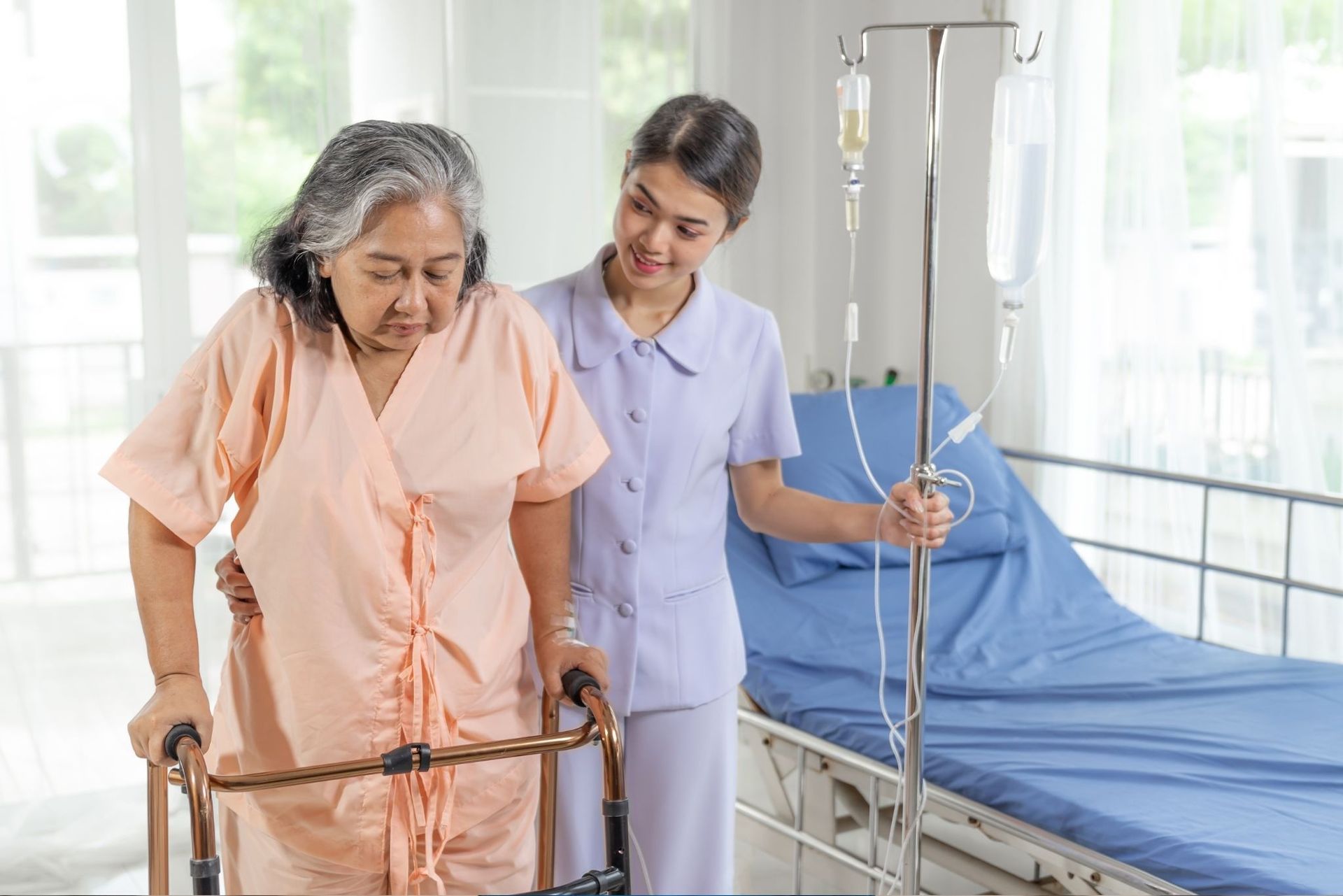
- Mobility restrictions: Will you be able to bear weight on your legs, or will you require crutches, a walking frame, or a wheelchair? Understanding your mobility limitations is crucial for planning your home environment and daily activities.
- Wound care requirements: Are there dressings that need changing, or drains that need monitoring? Some surgical wounds require daily attention, while others may have waterproof dressings that remain intact for several days.
- Anaesthetic after-effects: General anaesthesia can leave you feeling fatigued or nauseous for up to 48 hours, impacting your ability to perform basic tasks. The cognitive effects can also affect your judgement and decision-making abilities.
- Medication schedule: You may be prescribed painkillers, antibiotics, or blood-thinning medications that need to be taken at specific times. Understanding this schedule and potential side effects is essential.
- Activity restrictions: Your surgical team should provide clear guidance on what movements to avoid, how much weight you can lift, and when you can resume specific activities like driving or returning to work.
Understanding that even routine daily activities—such as preparing a hot meal, getting in and out of a bath, or reaching for items on high shelves—can become significant hurdles is the first step in creating a robust action plan.
The Hidden Challenges of Solo Recovery
Recovering alone presents unique psychological and practical challenges that extend beyond the physical aspects of healing. The absence of someone to share concerns with, to fetch items when you cannot move, or simply to provide emotional reassurance can compound the stress of the recovery period. Research has shown that social isolation during recovery can negatively impact healing times and increase the risk of complications, making it all the more important to proactively address these challenges before they arise.
Psychological considerations:
- Anxiety and worry: Without someone to talk to, minor concerns can escalate into significant anxiety. Having a structured plan for managing worries is essential.
- Loneliness: The contrast between the busy hospital environment and the quiet of your own home can feel stark. This emotional shift is normal but requires acknowledgment and strategies to manage.
- Motivation: When you feel tired or in pain, it can be tempting to skip essential exercises or neglect proper nutrition. Without external encouragement, maintaining motivation requires significant self-discipline.
Preparing Your Living Space for an Independent Recovery
Essential Home Modifications Before Surgery
Your home environment needs to be transformed into a safe haven that minimises the risk of falls or strain. A little forethought in this area can prevent a great deal of discomfort and potential injury. Ideally, these modifications should be completed at least a week before your hospital admission, allowing you time to adjust to the new layout and ensuring everything is in place when you return.
Comprehensive home preparation checklist:
- Declutter thoroughly: Remove loose rugs, extension leads, and any obstacles from your main pathways. Consider temporarily relocating furniture to create wider corridors for walking aids.
- Elevate essentials: Place your kettle, cups, snacks, medications, and phone chargers at waist level to avoid bending or stretching. Kitchen items should be moved to lower shelves or countertops.
- Bathroom modifications: Consider a commode or a shower chair if you struggle to stand. Railings beside the toilet and in the bath or shower offer crucial stability. A long-handled sponge and bath mat can make washing safer and more manageable.
- Bedroom setup: Arrange your sleeping area so you can easily get in and out of bed. If possible, move your bed to a ground-floor room to avoid stairs during the initial recovery phase.
- Emergency contact system: Keep a list of emergency numbers, including your GP, hospital ward, and a local taxi firm, visibly displayed by your landline or programmed into your mobile phone. Consider a pendant alarm or wearable emergency device that can summon help with a single button press.
- Temperature control: Ensure you can easily adjust your heating without stretching or straining. The ability to maintain a comfortable temperature is important for comfort and healing.
Creating a Recovery Station
Designating a specific area in your home as your primary recovery station can significantly simplify your daily routine. This space should contain everything you might need within easy reach, reducing the need to move around unnecessarily.
Items to stock in your recovery station:
- Refreshments: Bottled water, easy-to-open snacks, and any beverages you enjoy. Consider a thermos flask to keep drinks hot for longer periods.
- Medications: All prescribed medications with a clear schedule, plus over-the-counter options for minor discomfort.
- Entertainment: Books, magazines, tablet devices, or puzzles to keep your mind occupied during rest periods.
- Communication devices: Mobile phone, charger, and perhaps a tablet for video calls with family and friends.
- Personal care items: Tissues, lip balm, hand sanitiser, and any other items that contribute to your comfort and dignity.
- Notebook and pen: For tracking symptoms, writing questions for healthcare providers, or simply journaling your experiences.
The First 24 to 72 Hours: The Critical Phase
Navigating the Immediate Post-Discharge Period
The initial days following discharge are frequently the most demanding. This is when the residual effects of anaesthesia are most potent, and your mobility is likely at its lowest ebb. If you are managing alone, it is vital to have structured support in place for this specific window. The decisions you make during these first few days can significantly influence the trajectory of your entire recovery.
Immediate priorities after arriving home:
- Settle in gradually: Do not attempt to do everything at once. Focus on getting comfortable and assessing how you feel before tackling any tasks.
- Check wound sites: Follow your discharge instructions for wound inspection. Knowing what is normal and what requires medical attention is crucial.
- Take prescribed medications: Establish a routine for your medication schedule immediately, setting alarms or reminders if necessary.
- Hydrate and eat: Even if you do not feel hungry, maintaining fluid intake and eating small, nutritious meals is essential for healing.
- Rest in a comfortable position: Follow any positioning recommendations from your surgical team to minimise discomfort and aid circulation.
Strategies for the early days:
- Prepare meals in advance: Cook and freeze portions of nourishing food before your admission so you have easy, healthy options readily available. This is one of the most valuable preparations you can make.
- Arrange a "phone tree": Designate a specific friend, neighbour, or colleague as your primary contact. Schedule a daily check-in call at a set time to confirm you are safe and managing.
- Utilise technology: Wearable emergency alarms or simple voice-activated devices can be a lifeline if you have a fall and cannot reach a phone. Consider voice-controlled smart speakers that can make calls or send messages without requiring you to move.
- Prioritise rest: Do not feel pressured to be "up and about." Listen to your body; sleep is a critical component of the healing process.
- Manage visitor expectations: While support is valuable, too many visitors can be exhausting. Establish clear visiting hours and boundaries that protect your energy for healing.
Managing Pain and Discomfort Effectively
Pain management is a crucial aspect of early recovery, and when you are alone, you need to be particularly proactive. Untreated pain can interfere with sleep, reduce your appetite, and prevent you from completing necessary exercises.
Pain management strategies:
- Follow your prescribed schedule: Take pain medication as directed, even if you feel the pain is manageable. Preventing pain is easier than treating it once it has escalated.
- Use non-pharmaceutical approaches: Heat or cold packs (as recommended by your surgical team), elevation of the affected area, and gentle movement can all contribute to comfort.
- Track your pain levels: Keep a simple diary of your pain scores and when you take medication. This information is valuable for your healthcare providers and helps you identify patterns.
- Consider alternative therapies: Gentle breathing exercises, meditation, or calming music can help manage the psychological aspects of discomfort.
- Know when to seek help: Understand what constitutes an emergency. Severe pain, pain that worsens suddenly, or pain accompanied by fever or unusual symptoms requires immediate medical attention.
Common Pitfalls to Sidestep When You Are On Your Own
Mistakes That Can Compromise Your Recovery
Navigating post-surgical recovery without a live-in carer requires significant self-discipline and awareness. It is all too easy to fall into traps that can impede healing or even cause setbacks. Many individuals, determined to prove their independence, push themselves too hard and subsequently experience complications that could have been avoided.
Errors to avoid:
- Overestimating your capacity: It is common to feel a surge of energy and assume you are ready for tasks like hoovering or carrying shopping. This is a mistake that often leads to pulled stitches, increased pain, or more serious complications.
- Neglecting nutritional intake: The effort of preparing food can seem overwhelming, but skipping meals or surviving on snacks deprives your body of the protein and vitamins it desperately needs for tissue repair.
- Ignoring mental wellbeing: Isolation can exacerbate feelings of low mood or anxiety. Recognise that recovery can be an emotional journey as well as a physical one.
- Skipping prescribed exercises: Physiotherapy exercises are often the key to regaining full function. It is tempting to avoid them if they cause discomfort, but doing so can lead to long-term stiffness and reduced recovery outcomes.
- Failing to hydrate: Proper hydration is essential for wound healing and preventing complications like constipation, a common side effect of pain medications.
- Not seeking help when needed: Pride or a desire to be independent should never prevent you from reaching out for assistance when you genuinely need it.
- Ignoring warning signs: Subtle changes in your condition—such as mild fever, redness around the wound, or changes in urine output—can indicate developing problems that need attention.
The Danger of Comparing Your Recovery to Others
One of the most common psychological traps in recovery is comparing your progress to that of others. Social media, online forums, or conversations with acquaintances can create unrealistic expectations about how quickly you should be healing.
Why comparison is counterproductive:
- Every surgery is unique: Even the same procedure performed on two different individuals will have different recovery trajectories due to age, overall health, and individual healing rates.
- Progression is not linear: Recovery often involves steps forward and occasional steps back. A bad day does not mean you are failing.
- Unseen factors matter: You may not know about other people's complications, additional support systems, or pre-existing health conditions that influence their recovery.
- Focus on your own journey: The only relevant measure of success is your progress compared to your own baseline, not against arbitrary standards set by others.
Constructing a Support Network Even When You Live Solo
Finding Community Resources and Assistance
A lack of immediate family nearby does not mean you have to navigate this period in total isolation. Many people are willing to help but do not know how to offer. You must be the one to articulate your needs clearly, and there are numerous resources available to help you build a support system.
Potential community support options:
- Neighbourly assistance: A trusted neighbour might be willing to collect your post, take out the bins, or pop in for a cup of tea and a chat. Often, people are more willing to help than we assume.
- Local religious or community groups: Many places of worship and community centres have volunteer networks specifically designed to offer short-term aid to residents in need. These groups often welcome requests for assistance.
- Voluntary organisations: Groups like the Royal Voluntary Service or local Age UK branches often provide practical help, including transport to medical appointments, shopping assistance, and friendly visiting services.
- Online community boards: Nextdoor or local Facebook groups can be a useful way to connect with people offering paid or voluntary services like dog walking, basic errands, or even just a friendly chat over the phone.
- Patient support groups: For specific conditions or procedures, there are often support groups that can provide emotional support, practical tips, and sometimes even direct assistance from people who have been through similar experiences.
- Local councils: Your local authority may offer services such as meals on wheels, handyperson services, or equipment loan schemes to support your recovery at home.
Leveraging Professional Support Services
When community resources are insufficient for your needs, professional services provide a reliable and structured alternative. The UK has a well-developed private healthcare sector that offers various levels of post-surgical support.
Types of professional support:
- Live-in care: A carer resides in your home for a period, providing round-the-clock assistance with personal care, medication, and daily activities. This option is particularly valuable for the initial days following major surgery.
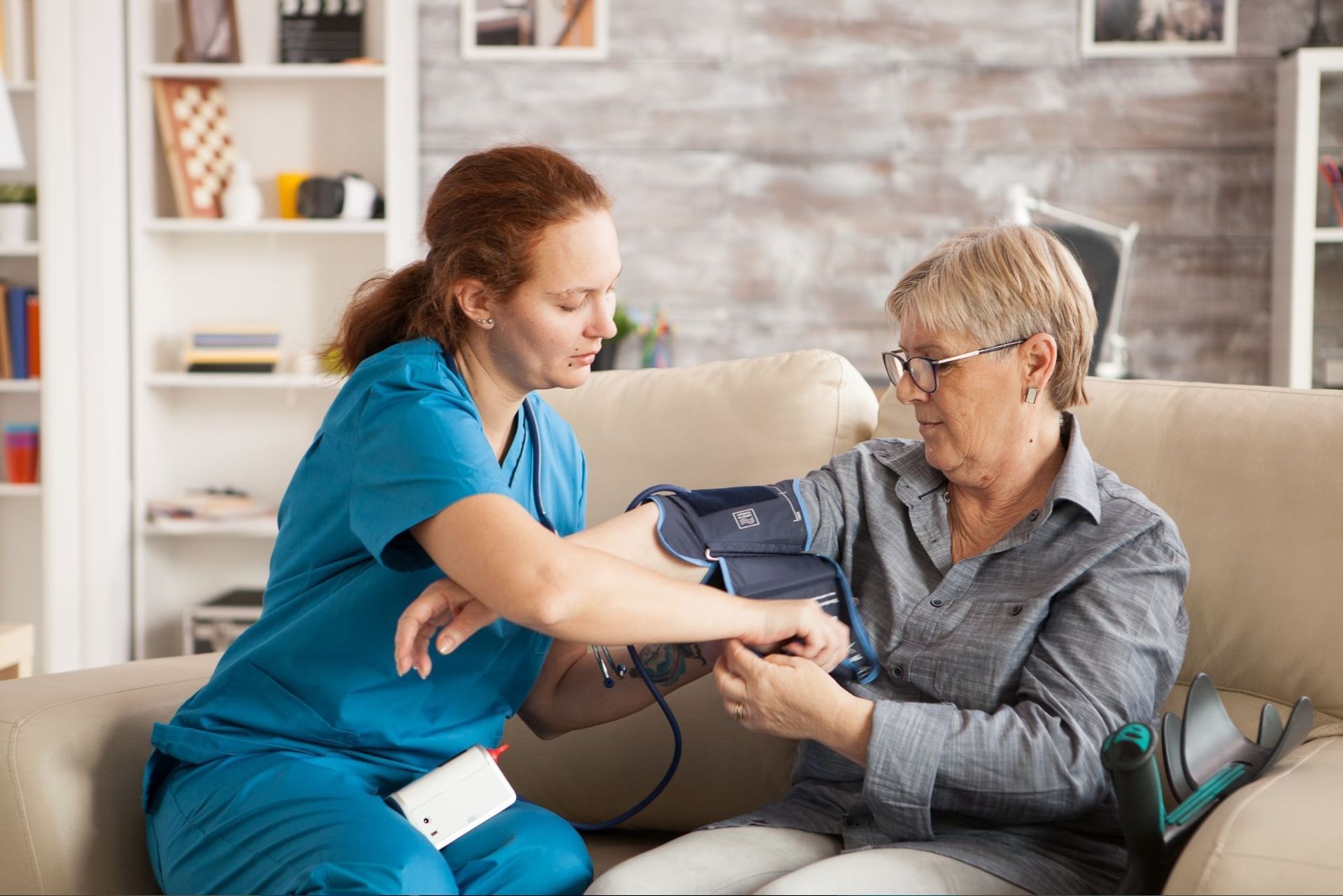
- Visiting care: Nurses or carers visit at scheduled times to assist with specific tasks such as wound dressing changes, medication administration, or personal care. This provides support while maintaining a higher level of independence.
- Rehabilitation services: Physiotherapists and occupational therapists can visit your home to guide your rehabilitation exercises and help you adapt your environment to your changing capabilities.
- Remote monitoring: Telehealth services allow healthcare providers to monitor your vital signs and progress remotely, providing peace of mind and early detection of potential issues.
If you are considering professional support, organisations like Nurse Agnes offer comprehensive home-based nursing services across London, providing everything from wound care to medication administration.
Their CQC-registered nurses can deliver personalised care in the comfort of your own home, ensuring you have professional support without the stress of travelling to a clinic.
For those seeking reliable post-operative care at home, Nurse Agnes provides tailored nursing support designed to facilitate a safe and comfortable recovery.
The Crucial Role of Follow-Up and Rehabilitation
Understanding the Importance of Post-Operative Appointments
Recovery is not solely about the healing of your incision. For many surgical interventions, rehabilitation is the cornerstone of a successful outcome. Whether it is regaining the range of motion in a replaced joint or building cardiovascular strength after a heart procedure, commitment to this phase is non-negotiable.
Essential rehabilitation activities:
- Physiotherapy: Attendance at scheduled physio sessions is paramount. These sessions are designed to restore function, build strength, and prevent complications. If transport is an issue, enquire about virtual physiotherapy sessions or home visits from a qualified physiotherapist.
- GP check-ups: Attending your post-operative review with your GP ensures your medication is correct and your recovery is progressing as expected. These appointments are also an opportunity to discuss any concerns about your general health.
- Specialist follow-up: Many surgical procedures require follow-up with the surgical team at specific intervals. Do not neglect these appointments, as they may involve imaging or assessments that are crucial for long-term success.
- Monitoring progress: Keep a simple diary of your pain levels, exercise reps, and any concerns. This record is invaluable for your healthcare team and helps you track your own progress.
- Wound assessment: Even after your initial wound has healed, regular monitoring is important. A nurse or GP can assess for signs of infection, assess healing quality, and provide wound care advice if needed.
Planning Your Return to Daily Activities
The transition from patient to person living their normal life requires careful planning and gradual reintroduction of activities. The timeline for this transition varies depending on the type of surgery, but there are general principles that apply across most procedures.
Guidelines for activity progression:
- Start with the basics: Begin with essential daily activities like personal care and meal preparation. Master these before adding more demanding tasks.
- Increase duration before intensity: Walking for a slightly longer period is preferable to walking faster or on challenging terrain.
- Follow the "no pain" principle: While some discomfort is expected, pain is a signal to stop. Learn to distinguish between beneficial strain and harmful pain.
- Develop a written plan: Work with your physiotherapist or surgeon to create a written timeline for resuming activities like driving, returning to work, and participating in hobbies.
- Listen to your body: No one knows your body better than you. If you feel unusually tired or experience new symptoms, slow down and seek advice.
The Psychological Aspects of Solo Recovery
Managing Mental Health During Post-Operative Healing
The psychological impact of surgery and recovery should never be underestimated. When you are alone, this impact can be magnified, leading to feelings of vulnerability, frustration, and sometimes depression.
Mental health considerations:
- Acknowledge your feelings: It is normal to feel frustrated, anxious, or tearful during recovery. Allow yourself to experience these emotions without judgement.
- Maintain social connections: Regular phone or video calls with friends, family, or support groups can significantly reduce feelings of isolation.
- Engage your mind: Mental stimulation through reading, puzzles, or learning something new can improve your mood and keep your mind active during periods of physical rest.
- Practice relaxation techniques: Deep breathing, mindfulness, or gentle meditation can reduce stress and improve sleep quality.
- Maintain a routine: Structure helps create a sense of normalcy and control. Establish a daily routine that includes rest, activity, and enjoyable pursuits.
- Know when to seek help: If feelings of low mood persist beyond a few weeks, or if you experience significant changes in sleep or appetite, speak to your GP about potential support or therapy options.
Building Resilience for the Journey Ahead
Resilience—the ability to bounce back from challenges—is a valuable quality during recovery. While some people naturally possess high resilience, it is also a skill that can be developed and strengthened.
Strategies for building resilience:
- Focus on what you can control: While you cannot control your recovery timeline or all aspects of your health, you can control your attitude, your efforts, and your adherence to medical advice.
- Set achievable daily goals: Small, realistic goals provide a sense of accomplishment and forward momentum. These might be as simple as "walk to the kitchen and back" or "read one chapter of a book."
- Maintain perspective: Remind yourself that this is a temporary phase. Recovery will progress, and you will return to your normal activities, even if it feels slow at times.
- Celebrate small victories: Acknowledge every step forward, no matter how minor it may seem. Each achievement builds confidence and motivation.
Financial Considerations for Post-Surgical Recovery
Understanding Your Rights and Options
Navigating the financial aspects of recovery can be complex, particularly when planning for care at home. Understanding your entitlements and available options can help you make informed decisions.
Potential financial support:
- NHS continuing healthcare: If you have complex health needs, you may be eligible for fully funded NHS care, including home nursing.
- Disability benefits: Depending on your circumstances, you may be eligible for Personal Independence Payment (PIP) or Attendance Allowance to help cover the costs of care.
- Insurance policies: Check whether you have private health insurance that covers post-operative care at home.
- Local authority support: Your local council may offer financial assistance or services to help with recovery, particularly if you have limited means.
- Charitable grants: Some charities provide grants to help with the costs of recovery, including equipment, care, or transportation.
Saving money on recovery essentials:
- Equipment loan: Many local authorities and charities loan equipment like walking aids, commodes, and shower chairs rather than requiring you to purchase them.
- Meal delivery services: While not always the cheapest option, meal delivery services can be cost-effective when compared to the time and effort of shopping and cooking.
- Volunteer services: Community volunteer services often provide practical help at no cost, reducing your need for paid support.
Developing a Comprehensive Recovery Plan
Creating Your Personal Roadmap
A structured recovery plan serves as your guide through the weeks and months following surgery. It provides clarity, reduces anxiety, and ensures you are not overlooking important aspects of your care.
Elements of a comprehensive recovery plan:
- Medical management: Schedule for medications, appointments, and monitoring. Include contact information for all healthcare providers involved in your care.
- Daily activity schedule: Outline your daily routine, including rest periods, exercises, personal care, and any appointments.
- Support network: List all people who can provide assistance, including their contact details and the type of help they can offer.
- Emergency plan: Clearly document what to do in various emergency scenarios, including who to call and where to go.
- Nutrition plan: Outline your meal strategy, including prepared meals, delivery options, and any specific dietary requirements.
- Rehabilitation goals: Set realistic short-term and long-term goals for your recovery, with specific milestones to celebrate.
- Contingency plans: Develop backup plans for key aspects of your recovery, such as alternative transportation if your primary option falls through.
When to Seek Professional Help
While many aspects of recovery can be managed independently, there are times when professional assistance is not just helpful but necessary. Recognising these situations and acting promptly can prevent complications and ensure the best possible outcome.
Situations requiring professional help:
- Significant mobility restrictions: If you cannot safely move around your home, professional assistance is essential to prevent falls and maintain dignity.
- Complex wound care: Wounds that require specialised dressing techniques or involve drains should be managed by trained professionals.
- Medication complexity: If you are taking multiple medications, or medications with specific timing requirements, professional support can ensure safety.
- Underlying health conditions: Pre-existing conditions can complicate recovery and require monitoring by healthcare professionals.
- Lack of social support: If you have no one to check on you, professional services provide the safety net you need.
- Psychological challenges: If you are struggling with anxiety, low mood, or other psychological symptoms, professional support is appropriate and beneficial.
The Value of Private Nursing Services
For individuals who can afford private care, or who have insurance that covers these services, private nursing offers numerous advantages over waiting for NHS provision. These services often provide greater flexibility, more personalised care, and reduced waiting times.
Advantages of private nursing:
- Flexibility: Appointments can be arranged at times that suit you, including evenings and weekends.
- Continuity: You are more likely to see the same nurse at each visit, building a relationship and ensuring consistency of care.
- Specialisation: Private nurses often have experience in specific areas, such as post-surgical wound care or medication management.
- Speed: Services can typically be arranged more quickly than NHS options.
- Comfort: Care is delivered in your own home, avoiding the need to travel to clinics.
Looking Forward: Gradual Return to Independence
The Final Phase of Your Recovery Journey
Ultimately, the objective of any post-operative care is to return you to your normal life. This transition should be measured and gradual. Pushing yourself too hard, too soon, is a recipe for relapse and disappointment.
Steps to rebuild your autonomy:
- Start small: Begin with light household duties like folding laundry or washing a few dishes. As your confidence and capability grow, gradually increase the complexity and duration of tasks.
- Increase distance incrementally: Walk a little further down your street each day as your stamina permits. Track your progress to stay motivated.
- Resume driving only when advised: Do not get behind the wheel until you have been explicitly cleared by a medical professional, particularly if you have been taking strong pain relief. Your reaction times and judgement may still be compromised.
- Celebrate milestones: Acknowledge the small victories—whether it is making a cup of tea for the first time or walking without your stick for a short distance. These achievements are genuine progress.
- Gradually reduce reliance: As you become more capable, reduce the frequency of support visits or assistance from others. This should feel like a natural progression, not a sudden change.
- Return to work thoughtfully: If your job is physically demanding, discuss a phased return with your employer. Many people benefit from returning to work gradually, starting with reduced hours or modified duties.
- Maintain healthy habits: The lifestyle habits you develop during recovery—eating well, staying active, and managing stress—are valuable long-term benefits of your recovery journey.
Preventing Future Health Issues
The end of your immediate recovery period is not the end of your health journey. Many individuals use their surgical experience as a catalyst for positive lifestyle changes that can improve their long-term health and potentially prevent future surgical needs.
Health improvements to consider:
- Weight management: If weight contributed to the need for surgery, consider seeking support for healthy weight loss.
- Physical activity: Continue with the exercise habits developed during rehabilitation. Even modest activity provides significant health benefits.
- Nutritional improvements: Maintain the dietary habits that supported your healing. Good nutrition supports ongoing health and wellbeing.
- Health monitoring: Continue to monitor your health, attending regular check-ups and screenings as recommended for your age and condition.
- Stress management: Develop ongoing strategies for managing stress, which can contribute to a range of health problems.
Frequently Asked Questions About Recovering from Surgery Alone
Q1: How do I manage if I have no one to take me home from hospital after surgery?
A: If you have no family or friends available, you have several options. First, discuss your situation with your hospital's discharge team; they can often arrange transportation through hospital transport services or community transport schemes. You may also consider booking a private ambulance or taxi service specifically equipped for post-surgical patients. Some private nursing services, such as Nurse Agnes, can arrange professional accompaniment to ensure you are safely transported home and settled in. Additionally, volunteer driving services through local charities like the Red Cross may be available in your area. Never attempt to drive yourself home after surgery, especially if you have received sedation or general anaesthesia, as this is not only unsafe but also illegal.
Q2: What should I do if I experience complications while recovering alone?
A: Having a clear emergency plan is essential when recovering alone. Your plan should include the telephone numbers for your GP surgery, the hospital ward, NHS 111, and a trusted friend or neighbour. Keep your mobile phone charged and within reach at all times. For non-urgent concerns, call NHS 111 for advice. If you have symptoms of a medical emergency—such as severe pain, heavy bleeding, difficulty breathing, chest pain, or signs of a severe allergic reaction—call 999 immediately. Consider investing in a personal alarm system that can summon help with the press of a button. Some systems also include fall detection, which automatically alerts help if you fall and cannot get up.
Q3: Can I arrange for a private nurse to visit me at home after surgery, and what services can they provide?
A: Yes, arranging for a private nurse to visit you at home after surgery is a common and effective approach to post-operative care. Many individuals across the UK, particularly in London and surrounding areas, choose this option for its convenience and personalised nature. Services can include wound care and dressing changes, suture and staple removal, medication administration (including injections), monitoring of vital signs, assistance with personal care, and general nursing advice and support. Organisations like Nurse Agnes provide CQC-registered nurses who deliver these services in the comfort of your own home, eliminating the need for stressful trips to clinics or hospitals. This is particularly valuable during the early stages of recovery when mobility is limited.
Q4: How can I prepare my home before surgery to make recovery easier when I'm alone?
A: There are numerous steps you can take to prepare your home for a smoother recovery. Start by decluttering all pathways to reduce tripping hazards. Move essential items—kettles, cups, snacks, medications, and phone chargers—to waist height to avoid bending or stretching. In the bathroom, install grab rails beside the toilet and in the bath or shower, and consider a shower chair or bath board. Prepare and freeze nutritious meals in advance, so you have easy options without cooking. Set up a recovery station with everything you might need within easy reach. Ensure your sleeping arrangements are comfortable and accessible, ideally on the ground floor to avoid stairs during the initial recovery period. Finally, confirm that your phone and any emergency call systems are working properly before you go to hospital.
Q5: What financial support is available for post-surgical care in the UK?
A: Several sources of financial support may be available to help with post-surgical care costs. The NHS provides some services at no cost, including district nursing and certain rehabilitation services, though waiting times and availability vary. If you have complex needs, you may qualify for NHS Continuing Healthcare, which covers full care costs. Disability benefits like Personal Independence Payment (PIP) or Attendance Allowance can help cover general care expenses. Your local council may provide care services through social services, with financial assessments to determine if you qualify for support. Check your private health insurance policy, as many policies include post-operative home care. Charitable organisations sometimes provide grants for specific equipment or care. Meal delivery services, such as Wiltshire Farm Foods, offer affordable prepared meal options. Always discuss your situation with your GP, social worker, or hospital discharge team—they are experienced in helping patients navigate these options.
Q6: How long will I need support after surgery, and how do I know when I can manage on my own?
A: The duration of required support varies significantly based on the type of surgery, your age, your overall health, and how well your recovery progresses. Generally, you might need regular support for a few weeks after minor procedures, while major surgeries like joint replacements or cardiac procedures may require support for several months. The best approach is to build flexibility into your care plan, with scheduled reviews to assess your progress. Your healthcare providers will give you guidance on when to reduce support, but you should also trust your own assessment—if you feel confident and capable of managing tasks independently, you likely are ready. Wean off support gradually rather than stopping abruptly, and always maintain a backup plan in case of setbacks. Consult with your GP, surgeon, or physiotherapist before making significant changes to your support arrangements.
Final Thoughts: Taking Control of Your Recovery Journey
Having no one to take care of you after surgery can undoubtedly feel like a daunting challenge, but it is a situation that is entirely manageable with forethought, organisation, and the willingness to utilise available resources. From the advice of your discharge team to the support of community groups and the option of professional domiciliary care, help is accessible across the United Kingdom.
The key lies in being honest about your limitations and proactive in your planning. Do not wait until you are home to consider how you will manage. Start these conversations with your healthcare providers, local networks, and potential support services well in advance of your operation date. By taking decisive control of your recovery, you create the best possible environment for healing, allowing you to regain your confidence and return to the rhythms of your daily life safely and successfully.
Remember that recovery is a process, not a destination. There will be good days and challenging days, progress and occasional setbacks. The goal is not perfection but steady forward movement. Celebrate your achievements, no matter how small, and be patient with yourself on the difficult days. With the right preparation and support, you can navigate this period successfully and emerge stronger on the other side.
Whether you choose to rely on community resources, private professional care, or a combination of both, the most important thing is that you have a plan. Your recovery journey is your own, and you have the power to make it a successful one. Start planning today, and give yourself the best possible chance for a smooth and complete recovery.
This guide provides general information and should not replace professional medical advice. Always consult with your healthcare providers regarding your specific situation and recovery plan.