Is cupping actually good for your body?
Is cupping actually good for your body?
Cupping therapy has moved from niche wellness practice to mainstream conversation in recent years. From elite athletes to people seeking natural pain relief, more individuals are exploring whether this ancient technique truly benefits the body. But is cupping actually good for your health, or is it just another trend?
This article takes a balanced, evidence-informed look at cupping therapy, how it works, its potential benefits, risks, and whether it might be right for you.
What is cupping therapy?
Cupping therapy is a traditional treatment that dates back thousands of years, with roots in Chinese, Middle Eastern, and Egyptian medicine. It involves placing special cups on the skin to create suction. This suction gently pulls the skin upwards, increasing blood flow to the area.
There are two main types of cupping:
Dry cupping
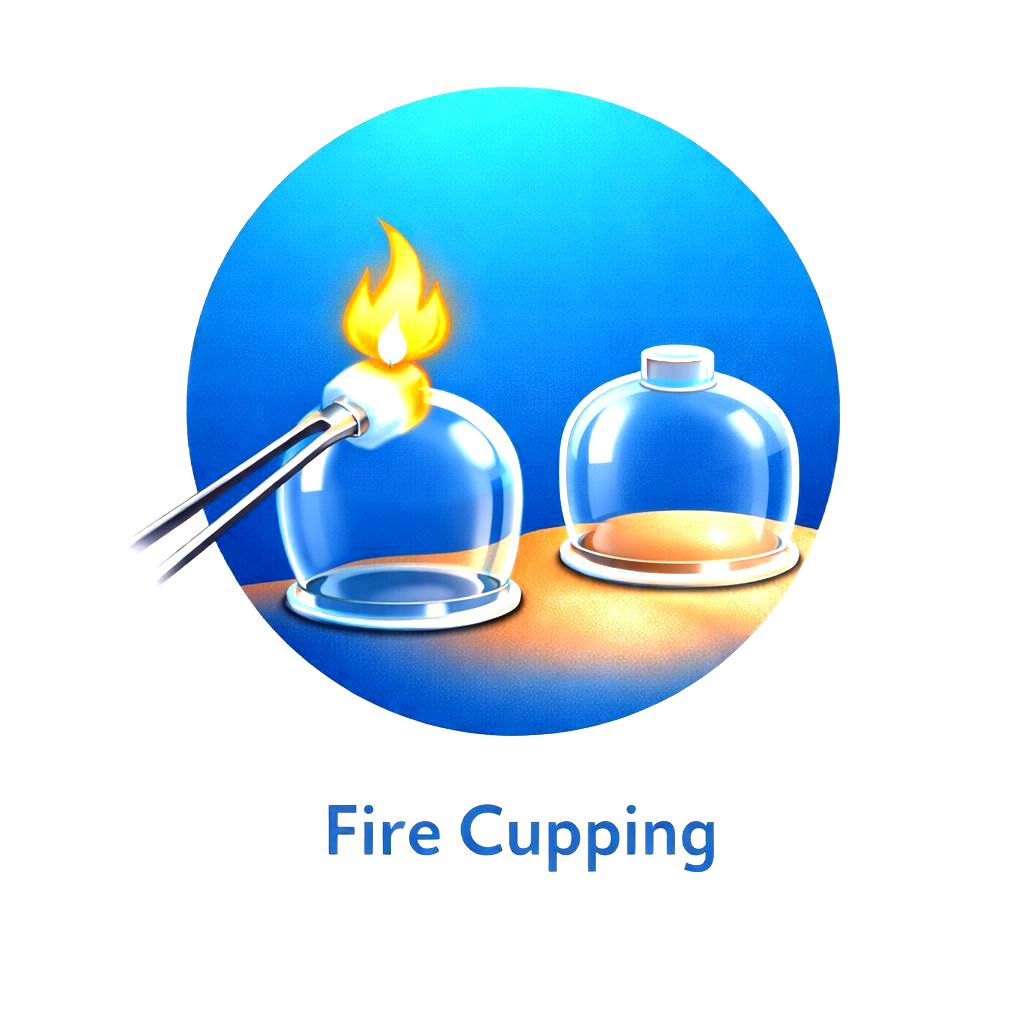
This involves creating suction using heat or a mechanical pump. No incisions are made.
Wet cupping
Also known as hijama, this involves small, controlled incisions before applying suction to draw out a small amount of blood.
Both methods aim to stimulate circulation, reduce tension, and promote healing.
How does cupping work?
The exact mechanism is still being studied, but several theories explain how cupping may benefit the body.
Improved blood circulation
The suction effect increases local blood flow, delivering oxygen and nutrients to tissues while helping remove metabolic waste.
Muscle relaxation
Cupping can release tight muscles and fascia, similar to deep tissue massage, but through suction rather than pressure.
Nervous system stimulation
It may activate the parasympathetic nervous system, helping the body relax and recover.
Detoxification support
Although the term detox is often debated, cupping may assist the lymphatic system in clearing waste products from the body.
Potential benefits of cupping therapy
1. Pain relief
One of the most common reasons people try cupping is to manage pain. It is frequently used for:
- Back pain
- Neck and shoulder tension
- Joint stiffness
- Sports injuries
Some studies suggest cupping may reduce chronic pain by improving circulation and decreasing inflammation in affected areas.
2. Reduced muscle tension
Cupping can be particularly effective for people who experience tight muscles due to poor posture, repetitive strain, or stress. The suction helps stretch muscle fibres and fascia, improving mobility and flexibility.
3. Enhanced recovery for athletes
Athletes often use cupping as part of their recovery routine. It may help:
- Reduce muscle soreness
- Speed up recovery time
- Improve performance readiness
The circular marks sometimes seen on athletes are a result of increased blood flow, not bruising in the traditional sense.
4. Stress and relaxation
Many people report feeling deeply relaxed after a cupping session. The therapy can calm the nervous system and reduce stress levels, making it beneficial for overall wellbeing.
5. Skin health
Cupping may also support skin health by improving circulation and stimulating collagen production. Some practitioners use it to address:
- Acne
- Cellulite
- Dull skin tone
Facial cupping is a gentler version designed specifically for skincare.
Is there scientific evidence to support cupping?
The scientific community is still evaluating cupping therapy, and results are mixed but promising.
Some clinical studies indicate that cupping can help with conditions such as:
- Chronic lower back pain
- Migraines
- Knee osteoarthritis
However, many studies have small sample sizes or lack standardisation, meaning more high-quality research is needed.
That said, the growing interest in integrative medicine has led to increased recognition of therapies like cupping as complementary treatments rather than replacements for conventional care.
Are there any risks or side effects?
Cupping is generally considered safe when performed by a trained professional, but it is not completely risk-free.
Common side effects
- Temporary circular marks on the skin
- Mild discomfort or tightness
- Skin irritation
These effects usually resolve within a few days.
Less common risks
- Infection, especially with wet cupping
- Burns if heat-based cups are used improperly
- Dizziness or fainting in sensitive individuals
It is important to seek treatment from qualified practitioners who follow proper hygiene and safety protocols.
Who should avoid cupping?
Cupping is not suitable for everyone. You should avoid it if you:
- Have a bleeding disorder
- Take blood-thinning medication
- Have skin infections or open wounds
- Are pregnant, particularly in certain areas of the body
Always consult a healthcare professional before starting any new therapy, especially if you have underlying health conditions.
Does cupping really detox the body?
The idea that cupping removes toxins is widely discussed but often misunderstood.
While cupping can improve lymphatic flow and circulation, the body already has highly efficient detox systems in the liver and kidneys. Cupping may support these processes indirectly, but it should not be
viewed as a primary detox method.
Instead, its benefits are better understood in terms of circulation, relaxation, and muscle recovery.
How does cupping compare to other therapies?
Cupping vs massage
Massage applies pressure to muscles, while cupping uses suction. Both aim to relieve tension, but cupping can reach deeper tissue layers in a different way.
Cupping vs acupuncture
Acupuncture uses fine needles to stimulate specific points, whereas cupping targets broader areas through suction. They are often used together in traditional practices.
Cupping vs physiotherapy
Physiotherapy focuses on rehabilitation through exercise and manual techniques. Cupping may complement physiotherapy but should not replace structured treatment plans.
What happens during a cupping session?
A typical cupping session lasts between 20 and 40 minutes.
- The practitioner assesses your condition and discusses your goals
- Cups are placed on specific areas of the body
- Suction is applied using heat or a pump
- Cups remain in place for several minutes
- They are removed, and aftercare advice is provided
The sensation is often described as a tight pulling feeling rather than pain.
Aftercare tips
To get the most from your cupping session:
- Drink plenty of water
- Avoid strenuous exercise for 24 hours
- Keep the treated area warm
- Avoid alcohol immediately after treatment
Following these steps can help your body recover and maximise the benefits.
Is cupping worth trying?
Cupping therapy can be a valuable addition to a holistic health routine, especially for those dealing with muscle pain, stress, or recovery from physical activity.
While it is not a cure-all, many people find it effective when combined with other treatments such as physiotherapy, exercise, and good nutrition.
The key is to approach cupping with realistic expectations and to seek treatment from experienced professionals.
Choosing a trusted practitioner
The quality of your experience depends heavily on the practitioner you choose. Look for:
- Proper qualifications and training
- Adherence to hygiene standards
- Clear communication and personalised care
For those seeking professional, compassionate care, visiting a trusted provider such as https://www.nurseagnes.co.uk/ can ensure you receive safe and effective treatment tailored to your needs.
So, is cupping actually good for your body?
The answer is yes, for many people, when used appropriately. It offers a range of potential benefits including pain relief, improved circulation, muscle relaxation, and stress reduction. However, it is not a substitute for medical treatment and should be used as part of a broader, balanced approach to health.
As interest in natural and complementary therapies continues to grow, cupping stands out as a time-tested practice with modern relevance. With the right guidance and professional support, it can play a meaningful role in improving your overall wellbeing.
Frequently asked questions about cupping therapy
To strengthen topical authority and address common search intent, here are clear answers to questions people frequently ask online about cupping.
How often should you have cupping therapy?
The frequency of cupping depends on your individual needs and health goals. For general wellbeing, sessions once or twice a month may be sufficient. For chronic pain or muscle tension, weekly sessions may be recommended initially.
A qualified practitioner will assess your condition and create a personalised plan rather than applying a one size fits all approach.
Does cupping hurt?
Cupping is generally not painful, but it can feel unusual if you are new to it. The suction creates a pulling sensation on the skin, which some people describe as tight or intense, but not painful.
In wet cupping, you may feel slight discomfort from the small incisions, but this is usually minimal and well tolerated.
Why does cupping leave marks on the skin?
The circular marks left after cupping are often misunderstood. They are not bruises caused by trauma but are a result of increased blood flow to the area.
These marks can vary in colour depending on circulation and stagnation in the tissue. They typically fade within a few days to a week.
Can cupping help with anxiety and stress?
Yes, cupping may support mental wellbeing by promoting relaxation. The therapy helps calm the nervous system and may reduce levels of stress and tension.
While it is not a treatment for clinical anxiety disorders, it can be a helpful complementary therapy alongside other support methods.
Is cupping safe for older adults?
Cupping can be safe for older adults when performed carefully and by a trained professional. However, adjustments may be needed based on skin sensitivity, medical history, and overall health.
It is always advisable to seek medical advice before starting treatment, particularly for individuals with underlying conditions.
Can cupping help with weight loss?
There is no strong scientific evidence to suggest that cupping directly leads to weight loss. However, it may support overall wellness by improving circulation, reducing stress, and encouraging relaxation.
Sustainable weight management still relies on a balanced diet, regular physical activity, and healthy lifestyle choices.
Cupping in modern healthcare: a growing trend
Cupping is increasingly being integrated into modern wellness and complementary healthcare settings across the UK. Clinics, physiotherapists, and holistic practitioners are recognising its value as part of a broader treatment strategy.
This shift reflects a wider movement towards integrative healthcare, where traditional therapies are used alongside conventional medicine to support the whole person rather than just symptoms.
For example, individuals recovering from musculoskeletal injuries may combine cupping with physiotherapy, while others use it alongside massage or acupuncture for enhanced results.
What to look for in a high quality cupping service
If you are considering cupping therapy, choosing the right provider is essential for both safety and effectiveness.
Professional standards
Ensure the practitioner has recognised training and follows UK health and safety regulations.
Hygiene practices
For wet cupping especially, strict hygiene protocols must be followed, including the use of sterile equipment.
Consultation process
A good practitioner will take time to understand your medical history, lifestyle, and treatment goals before beginning.
Aftercare guidance
You should receive clear advice on how to care for your body after the session to maximise benefits and avoid complications.
For those seeking a reliable and patient focused approach, https://www.nurseagnes.co.uk/ offers professional cupping services grounded in clinical experience and personalised care.
The future of cupping therapy
As research continues to evolve, cupping therapy is likely to gain further recognition within evidence based healthcare. More clinical trials are being conducted to better understand its effects on pain management, inflammation, and recovery.
At the same time, public interest in natural and preventative health approaches is growing. This positions cupping as a relevant option for people looking to take a proactive role in their wellbeing.
Digital health platforms, patient education, and improved practitioner training are also contributing to higher standards within the industry.
Key takeaways
- Cupping therapy is an ancient practice with modern applications
- It may help with pain relief, muscle tension, and stress reduction
- Scientific evidence is growing but still developing
- It is generally safe when performed by qualified professionals
- It works best as part of a holistic health approach
Conclusion: is cupping actually worth it?
Cupping therapy is not a miracle cure, but it is far from a myth. For many people, it offers genuine physical and mental benefits when used responsibly.
Its strength lies in supporting the body’s natural healing processes, improving circulation, and providing relief from everyday tension and discomfort. When combined with professional guidance and a healthy
lifestyle, cupping can be a valuable addition to your wellness routine.
If you are curious about trying cupping, the best next step is to consult an experienced practitioner who can guide you safely and effectively based on your individual needs.