How much does cupping cost in the UK?
How Much Does Cupping Cost in the UK?
Cupping therapy has seen a steady rise in popularity across the UK in recent years, moving from a niche alternative treatment into a more widely accepted complementary therapy. Whether inspired by elite athletes, holistic health trends, or traditional healing practices, many people are now exploring cupping as a way to manage pain, improve circulation, and support overall wellbeing.
One of the most common questions asked by those considering this therapy is simple but important: how much does cupping cost in the UK? The answer, however, is not entirely straightforward. Prices can vary depending on several factors including location, practitioner expertise, clinic reputation, and the type of cupping therapy offered.
This comprehensive guide breaks down everything you need to know about cupping costs in the UK, along with what influences pricing, what to expect during treatment, and how to choose a reputable provider.
What Is Cupping Therapy?
Cupping therapy is an ancient form of alternative medicine that involves placing cups on the skin to create suction. This suction is believed to improve blood flow, reduce muscle tension, promote cell repair, and support the body’s natural healing processes.
There are several types of cupping therapy commonly practised in the UK:
- Dry cupping: Uses suction only without any incisions
- Wet cupping: Involves small, controlled incisions followed by suction
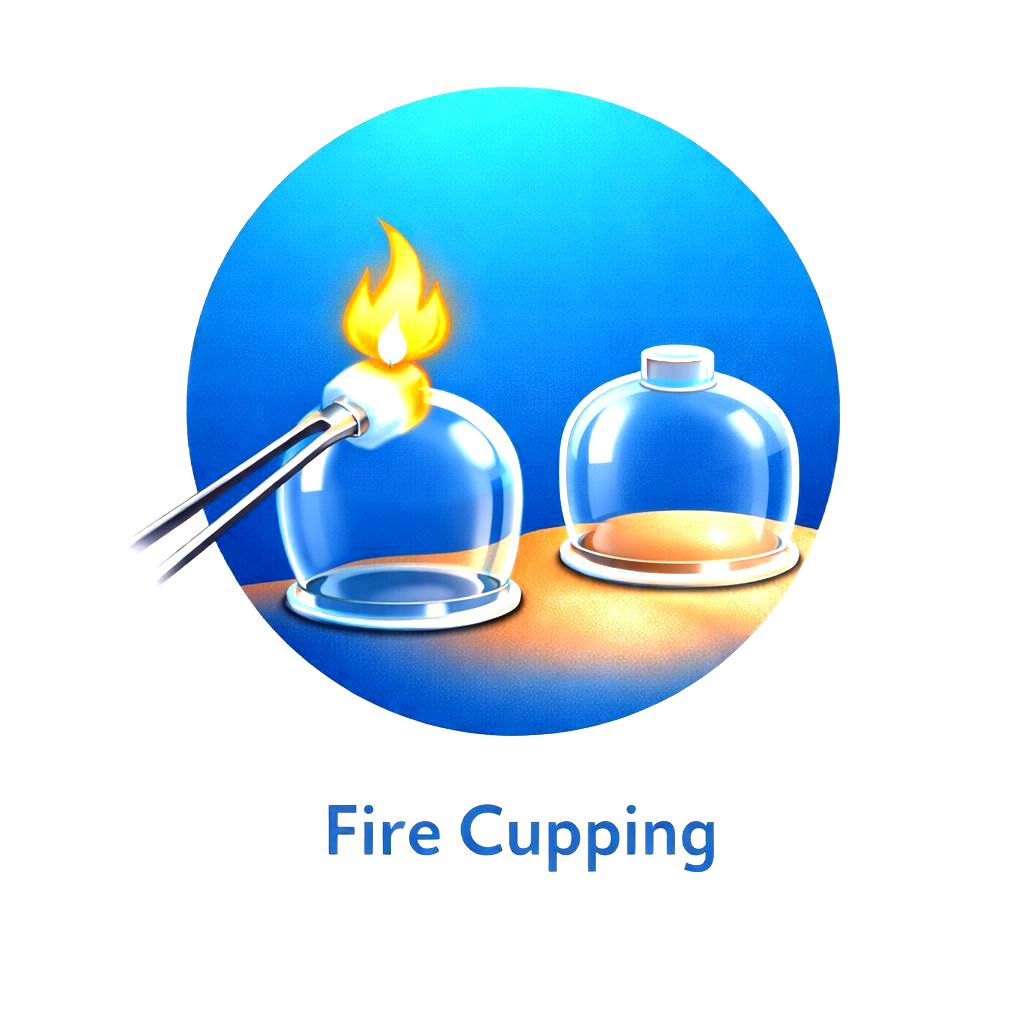
- Fire cupping: Uses heat to create suction inside glass cups
- Silicone cupping: A modern, flexible method often used for massage-like treatments
Each method may differ slightly in price due to the level of expertise required and the materials used.
Average Cost of Cupping in the UK
In general, the cost of cupping therapy in the UK ranges between £30 and £90 per session.
Here is a breakdown of typical pricing:
- Basic dry cupping session: £30 to £50
- Advanced or specialised cupping: £50 to £70
- Wet cupping (Hijama): £60 to £90
- Premium clinics or London-based practices: £80 to £120
The variation in cost largely depends on the clinic’s location and the experience of the practitioner. Clinics in major cities such as London, Manchester, or Birmingham tend to charge higher fees compared to smaller towns.
Factors That Influence Cupping Costs
Understanding what affects cupping therapy prices can help you make an informed decision and ensure you are receiving value for money.
1. Location of the Clinic
Geographical location plays a significant role in determining cost. Clinics in central London or affluent areas often have higher overheads, which are reflected in their pricing.
In contrast, clinics in smaller towns or suburban areas may offer more affordable rates while still maintaining high standards of care.
2. Practitioner Experience and Qualifications
Highly trained and experienced practitioners may charge more for their services. This is often justified by their advanced knowledge, clinical expertise, and ability to tailor treatments to individual needs.
Choosing a qualified practitioner is essential for safety and effectiveness, especially for procedures such as wet cupping.
3. Type of Cupping Therapy
Different types of cupping require varying levels of skill and preparation. For example:
- Dry cupping is typically more affordable due to its simplicity
- Wet cupping tends to cost more due to the additional steps involved and hygiene requirements
- Combination therapies that include massage or acupuncture may increase the overall cost
4. Duration of the Session
Session length can range from 20 minutes to over an hour. Longer sessions or treatments targeting multiple areas of the body may cost more.
5. Clinic Reputation and Facilities
Established clinics with strong reputations, high-quality facilities, and personalised care may charge premium prices. However, this often comes with added benefits such as better hygiene standards, tailored treatment plans, and follow-up support.
For those seeking professional and reliable care, visiting a trusted provider such as https://www.nurseagnes.co.uk/ ensures both safety and quality treatment.
Is Cupping Therapy Covered by Insurance in the UK?
In most cases, cupping therapy is not covered by standard NHS services. It is considered a complementary or alternative therapy, which means patients usually pay out of pocket.
However, some private health insurance plans may cover cupping therapy if it is recommended by a qualified practitioner and forms part of a broader treatment plan. It is always best to check directly with your insurance provider to confirm coverage.
For those seeking professional and reliable care, visiting a trusted provider such as Nurse Agnes ensures both safety and quality treatment. Their experienced practitioners offer personalised
cupping therapy sessions designed to support your health and wellbeing goals.
Is Cupping Worth the Cost?
Many people who try cupping therapy report benefits such as reduced muscle pain, improved mobility, and a sense of relaxation. Athletes, office workers, and individuals with chronic pain conditions often turn to cupping as a natural way to support recovery.
While scientific evidence is still evolving, anecdotal results and patient testimonials continue to drive interest in this therapy.
When evaluating whether cupping is worth the cost, consider the following:
- Your specific health goals
- The experience and qualifications of the practitioner
- The quality of the clinic environment
- The potential long-term benefits
Investing in a reputable clinic may provide better outcomes than opting for the cheapest option available.
How Many Sessions Will You Need?
The number of sessions required varies depending on the individual and the condition being treated.
For general wellness or relaxation, a single session may be sufficient. However, for chronic pain or specific conditions, a course of treatments may be recommended.
Typical treatment plans include:
- Acute issues: 1 to 3 sessions
- Chronic conditions: 4 to 8 sessions over several weeks
- Maintenance therapy: Monthly or occasional sessions
This means the total cost can range from £30 for a single visit to several hundred pounds for a full course of treatment.
What Happens During a Cupping Session?
Understanding what to expect can help you feel more comfortable and prepared.
A typical cupping session involves:
- Initial consultation to assess your needs and medical history
- Placement of cups on targeted areas of the body
- Creation of suction using heat or mechanical devices
- Leaving the cups in place for 5 to 20 minutes
- Removal of cups and optional aftercare advice
In wet cupping, small incisions are made before reapplying the cups to draw out a small amount of blood. This procedure is performed under strict hygiene standards by trained professionals.
After the session, it is common to have circular marks on the skin, which usually fade within a few days.
Are There Any Risks or Side Effects?
Cupping is generally considered safe when performed by a qualified practitioner. However, some mild side effects may occur, including:
- Temporary skin discolouration
- Mild discomfort or soreness
- Slight dizziness or fatigue
More serious risks are rare but can occur if the procedure is not carried out correctly. This highlights the importance of choosing a reputable clinic with trained professionals.
How to Choose the Right Cupping Practitioner
Selecting the right practitioner is crucial for both safety and effectiveness.
Here are some key factors to consider:
- Professional qualifications and certifications
- Experience in performing cupping therapy
- Clean and hygienic clinic environment
- Positive reviews and testimonials
- Clear pricing and consultation process
Avoid choosing a provider based solely on price. Quality care and expertise should always be the priority.
Cupping Costs Compared to Other Therapies
When compared to other complementary therapies in the UK, cupping is generally priced in a similar range.
For example:
- Massage therapy: £40 to £80 per session
- Acupuncture: £50 to £90 per session
- Physiotherapy: £60 to £100 per session
This makes cupping a competitive option for those seeking alternative or holistic treatments.
Tips to Save Money on Cupping Therapy
If you are interested in trying cupping but are concerned about cost, there are a few ways to manage expenses:
- Look for introductory offers or first-session discounts
- Book package deals for multiple sessions
- Choose clinics outside major city centres
- Combine treatments for better value
However, always ensure that cost savings do not come at the expense of quality or safety.
Cupping therapy in the UK typically costs between £30 and £90 per session, with variations depending on
location, practitioner expertise, and the type of treatment provided. While it may not be the cheapest complementary therapy available, many individuals find it to be a worthwhile investment in their health and wellbeing.
As with any treatment, the key is to prioritise quality care and choose a trusted provider. By doing so, you can ensure a safe, effective, and valuable experience that supports your overall health goals.
Frequently Asked Questions About Cupping Costs in the UK
To strengthen your understanding and address common search queries, here are detailed answers to frequently asked questions related to cupping therapy pricing in the UK.
Why Is Cupping More Expensive in London?
Cupping therapy in London often costs significantly more than in other parts of the UK. This is largely due to higher operating costs, including rent, staffing, and regulatory compliance. Additionally, many London-based practitioners have advanced certifications and cater to a clientele that expects premium services.
Another factor is demand. In metropolitan areas, complementary therapies such as cupping are more widely sought after, allowing clinics to charge higher rates.
Is Wet Cupping More Expensive Than Dry Cupping?
Yes, wet cupping is generally more expensive than dry cupping. This is because it involves additional steps, stricter hygiene protocols, and a higher level of practitioner expertise.
Wet cupping requires:
- Sterile equipment and clinical-grade environments
- Proper disposal of medical waste
- Increased time per session
- Specialist training and certification
As a result, you can expect to pay anywhere from £60 to £90 or more for a wet cupping session.
Do Prices Vary Between Men and Women?
In most professional clinics, cupping therapy prices do not vary based on gender. However, some clinics may offer gender-specific services or have different practitioners available, which could influence pricing indirectly.
For example, extended sessions or treatments covering multiple areas of the body may cost more regardless of gender.
Are There Package Deals for Cupping Therapy?
Many clinics in the UK offer discounted packages for multiple sessions. These packages can significantly reduce the cost per session and are ideal for individuals undergoing long-term treatment.
Typical package options include:
- 3 sessions at a reduced total cost
- 5 or 10 session bundles with added discounts
- Membership plans for ongoing care
If you are planning to commit to regular cupping therapy, these deals can provide excellent value.
Can You Do Cupping at Home to Save Money?
While at-home cupping kits are available and relatively inexpensive, they are not recommended for beginners, especially for wet cupping.
Professional cupping ensures:
- Correct placement of cups
- Appropriate suction levels
- Safe and hygienic procedures
- Proper aftercare guidance
Improper use of cupping equipment at home can lead to skin damage, infections, or ineffective treatment. For best results, it is advisable to seek treatment from a qualified practitioner.
Regional Price Comparison Across the UK
Cupping therapy costs can vary widely depending on where you are located. Below is a general comparison of average prices across different regions:
- London: £70 to £120 per session
- South East England: £60 to £90
- Midlands: £50 to £80
- Northern England: £40 to £70
- Scotland and Wales: £40 to £75
These figures are approximate and may vary depending on the clinic and practitioner.
For those researching
cupping treatment London options, Nurse Agnes provides professional home visit and clinic-based services with transparent pricing and experienced care.
What Makes a Cupping Clinic Worth the Price?
When evaluating the cost of cupping therapy, it is important to look beyond the price tag and consider the overall value offered by the clinic.
A high-quality clinic will typically provide:
- A thorough consultation before treatment
- Personalised therapy plans
- Strict hygiene and safety standards
- Qualified and experienced practitioners
- Clear aftercare instructions
Clinics that prioritise patient care and safety may charge more, but they also deliver a higher standard of service.
For those seeking a trusted and professional approach to cupping therapy, https://www.nurseagnes.co.uk/ offers a patient-focused service with a strong emphasis on safety, quality, and holistic care.
Cupping for Specific Conditions and Cost Implications
The cost of cupping therapy may also vary depending on the condition being treated. Certain conditions require more time, specialised techniques, or multiple sessions.
Cupping for Back Pain
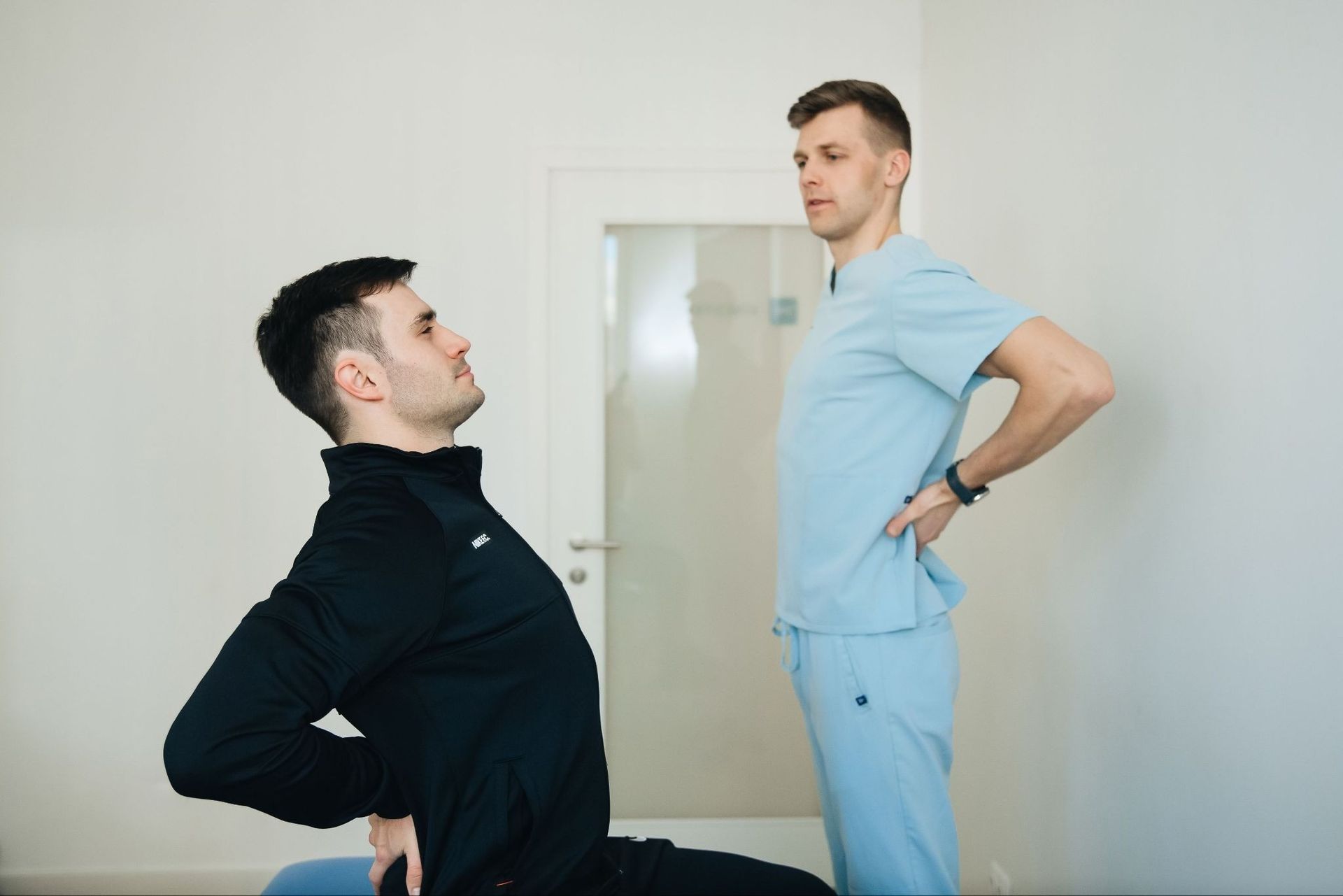
Back pain is one of the most common reasons people seek cupping therapy. Sessions targeting the back may take longer and involve multiple cups, which can increase the cost.
Cupping for Sports Recovery
Athletes often use cupping as part of their recovery routine. Sports-focused sessions may include additional techniques such as deep tissue massage, leading to higher prices.
Cupping for Stress and Relaxation
Shorter sessions focused on relaxation tend to be more affordable. These treatments are often used as part of a broader wellness routine.
How to Prepare for Your First Cupping Session
Preparing properly for your session can enhance your experience and ensure better results.
Here are some practical tips:
- Stay hydrated before your appointment
- Avoid heavy meals immediately beforehand
- Wear loose, comfortable clothing
- Inform your practitioner of any medical conditions
- Follow aftercare advice carefully
Being well-prepared helps maximise the benefits of the treatment and ensures a smoother recovery.
The Growing Demand for Cupping in the UK
Cupping therapy continues to grow in popularity across the UK, driven by increased awareness of holistic health and natural treatments. Social media, athlete endorsements, and word-of-mouth recommendations have all contributed to its rise.
As demand increases, more clinics are offering cupping services, leading to a wider range of pricing options. This makes it easier for individuals to find a treatment that suits both their needs and their budget.
Final Verdict: How Much Should You Expect to Pay?
To summarise, the cost of cupping therapy in the UK depends on several key factors, but most people can expect to pay:
- £30 to £50 for basic sessions
- £50 to £70 for standard treatments
- £60 to £90 or more for wet cupping
- Up to £120 in premium clinics
While price is an important consideration, it should not be the only factor influencing your decision. Choosing a reputable clinic with qualified practitioners ensures a safer and more effective experience.
Cupping therapy can be a valuable addition to your health and wellness routine when approached with the right expectations and guidance. By understanding the costs involved and what influences them, you can make an informed decision that aligns with your personal health goals.