How do I choose the right nursing service?
Can I Arrange Nursing Services After Hospital Discharge?
Leaving hospital is often seen as the final step in recovery, but for many people, it is only the beginning. Whether someone has undergone surgery, experienced a serious illness, or is managing a long term health condition, the transition from hospital to home can be challenging without the right support.
A common question families ask is, "Can I arrange nursing services after hospital discharge?" The answer is yes. In many cases, arranging professional nursing care after discharge is one of the best decisions you can make to support recovery, reduce complications, and provide peace of mind for both the patient and their loved ones.
Professional nursing services can help individuals regain independence, manage medical conditions safely, and avoid unnecessary hospital readmissions. Whether care is needed for a few days, several weeks, or on a long term basis, there are flexible options available to suit different health needs.
If you are looking for experienced and compassionate private nursing support in the UK,
Nurse Agnes offers personalised nursing and healthcare services designed around each individual's needs.
Understanding Hospital Discharge
Hospital discharge does not necessarily mean that a person has fully recovered. Instead, it usually means that the patient is medically stable enough to continue recovery outside the hospital environment.
Many patients still require ongoing medical attention after discharge, including:
- Medication management
- Wound care
- Monitoring vital signs
- Rehabilitation support
- Assistance with mobility
- Catheter care
- Continence management
- Nutritional monitoring
- Pain management
- Chronic disease monitoring
Without proper follow up care, recovery can become more difficult and complications may arise.
This is why discharge planning is considered an important part of modern healthcare.
Why Nursing Care After Hospital Discharge Matters
The period immediately after returning home is often when patients are most vulnerable. Medication schedules change, physical strength may still be limited, and family members may not have the clinical knowledge needed to recognise warning signs.Professional nursing care provides reassurance during this transition.
Some key benefits include:
Better Recovery Outcomes
Qualified nurses monitor recovery carefully and can identify concerns before they become serious problems.
Reduced Hospital Readmissions
Many hospital readmissions occur because patients develop infections, experience medication issues, or fail to manage chronic conditions correctly.
Regular nursing visits help reduce these risks.
Personalised Care
Every patient recovers differently.
Private nursing services create care plans based on the patient's diagnosis, medical history, lifestyle, and recovery goals.
Family Support
Caring for a loved one can be physically and emotionally demanding. Professional nurses also educate family members and help reduce caregiver stress.
Who Can Benefit From Post Hospital Nursing Services?
Post discharge nursing care is suitable for people of all ages.
Common patients include:
Older Adults
Many elderly patients require additional support following hospital stays due to reduced mobility, falls, fractures, or illness.
Surgical Patients
Recovery after surgery often involves:
- Dressing changes
- Infection monitoring
- Pain management
- Mobility assistance
- Drain management
Stroke Survivors
Stroke recovery frequently requires ongoing monitoring and rehabilitation support.
Cancer Patients
Patients receiving cancer treatment may require symptom management, medication support, and specialist nursing care at home.
Individuals With Chronic Illness
Conditions such as:
- Diabetes
- Heart failure
- COPD
- Parkinson's disease
- Multiple sclerosis
often require continued nursing oversight after discharge.
Patients Recovering From Serious Infections
Recovery may involve intravenous medication, wound management, or monitoring for recurring symptoms.
What Nursing Services Can Be Arranged After Hospital Discharge?
Private nursing services can provide a wide range of clinical care depending on individual requirements.
Medication Administration
Managing medication correctly is one of the biggest challenges after discharge.
Nurses help by:
- Administering prescribed medication
- Monitoring side effects
- Ensuring correct dosages
- Reviewing medication schedules
- Supporting medication compliance
Wound Care
Proper wound management promotes faster healing and lowers infection risk.
Nurses perform:
- Dressing changes
- Wound assessment
- Infection prevention
- Surgical site monitoring
- Pressure sore management
Catheter Care
Patients discharged with urinary catheters require regular monitoring.
Nurses can:
- Replace catheters
- Monitor for infection
- Maintain hygiene
- Educate patients and carers
Injection Services
Some patients require:
- Insulin injections
- Vitamin injections
- Anticoagulant injections
- Other prescribed medications
Qualified nurses can administer these safely at home.
Chronic Disease Monitoring
Patients living with long term illnesses often require ongoing observation.
Nurses monitor:
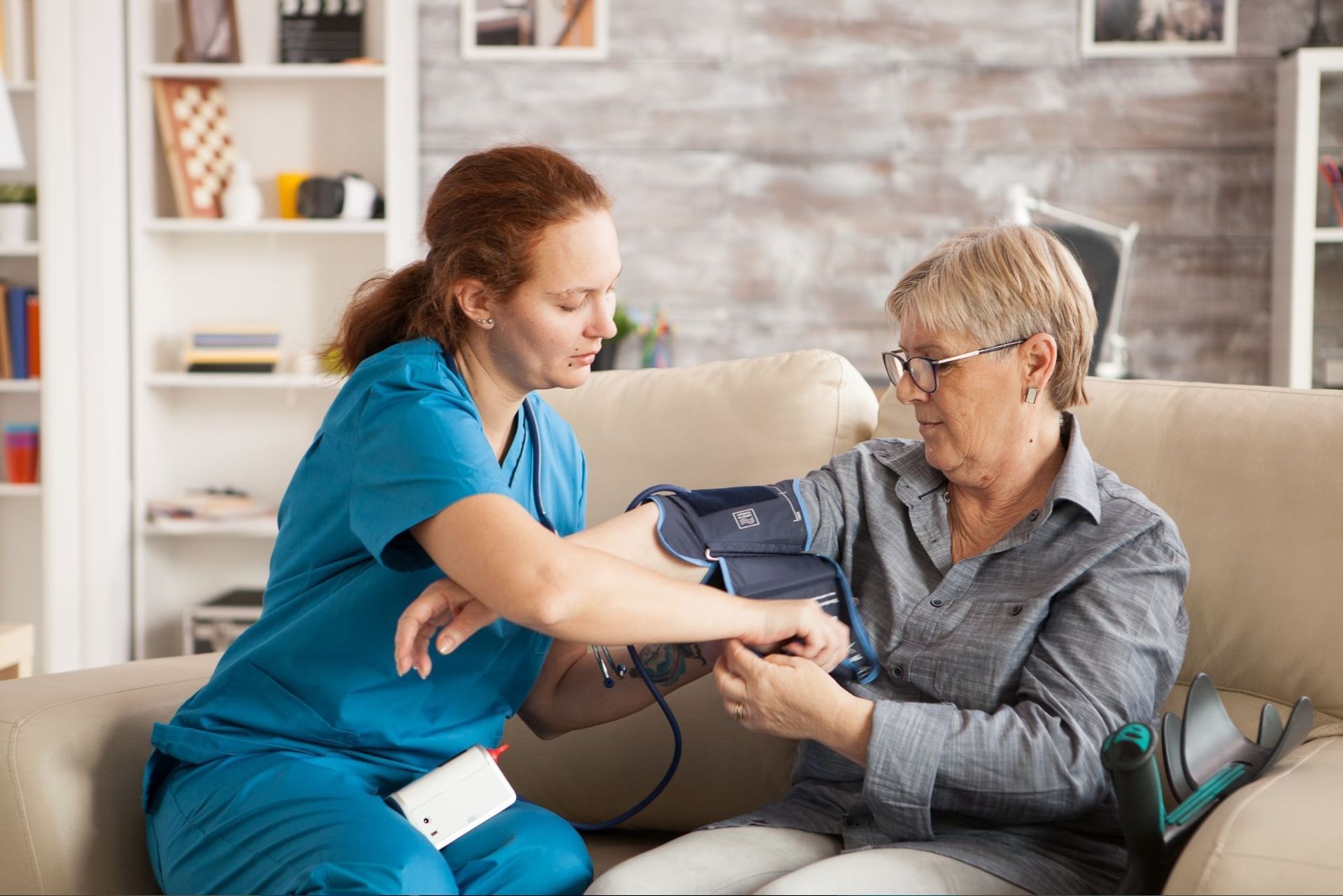
- Blood pressure
- Blood glucose
- Oxygen saturation
- Heart rate
- Respiratory function
Pain Management
Effective pain control is essential for recovery.
Nurses help monitor symptoms while ensuring medication is being used safely.
Palliative Nursing Care
Individuals with life limiting illnesses may require compassionate nursing focused on comfort, dignity, and quality of life.
Rehabilitation Support
Recovery often includes helping patients regain:
- Strength
- Balance
- Mobility
- Confidence
- Independence
Can Nursing Care Start Immediately After Hospital Discharge?
Yes.
Many private nursing providers can arrange care shortly after discharge, particularly if discharge planning has already begun.
Early planning helps ensure:
- Care begins without delays.
- Medication is available at home.
- Necessary equipment is installed.
- Family members understand the care plan.
- Recovery continues smoothly.
Planning before leaving hospital is often the most effective approach.
Is Private Nursing Better Than Managing Alone?
Every situation is different.
Some patients recover independently with minimal support, while others have complex healthcare needs that require professional attention.
Private nursing may be particularly beneficial if the patient:
- Lives alone
- Has reduced mobility
- Has multiple medical conditions
- Requires wound management
- Needs regular injections
- Has dementia
- Has recently undergone major surgery
- Requires palliative care
- Has experienced frequent hospital admissions
Professional nursing reduces uncertainty and provides clinical expertise within the comfort of home.
How Is a Care Plan Created?
Quality nursing care begins with a detailed assessment.
During the assessment, nurses consider:
- Current diagnosis
- Hospital discharge summary
- Medication list
- Mobility level
- Cognitive function
- Existing medical conditions
- Risk of falls
- Nutritional status
- Personal preferences
- Family involvement
This information forms the basis of an individual care plan.
The plan is regularly reviewed and updated as recovery progresses.
What Should Families Ask Before Arranging Nursing Care?
Choosing a nursing provider is an important decision.
Useful questions include:
Are the nurses fully qualified?
Ensure the provider employs registered nurses with relevant experience.
Is care personalised?
Avoid one size fits all care plans.
Can care be adjusted if needs change?
Recovery is unpredictable.
Flexible care plans are valuable.
Is emergency support available?
Knowing how urgent situations are handled provides reassurance.
Does the provider communicate with GPs and hospitals?
Good communication ensures continuity of care.
What Equipment Might Be Needed at Home?
Depending on medical needs, recovery may require:
- Hospital bed
- Walking frame
- Wheelchair
- Pressure relief mattress
- Oxygen equipment
- Hoist
- Commode
- Shower chair
Professional nurses can advise on equipment that supports safe recovery.
The Importance of Continuity of Care
One of the greatest advantages of professional nursing services is continuity.
Instead of different healthcare professionals each visit, patients often benefit from consistent caregivers who become familiar with:
- Medical history
- Personal preferences
- Recovery goals
- Communication style
- Family circumstances
Continuity improves both clinical outcomes and patient confidence.
Emotional Wellbeing After Hospital Discharge
Recovery is not only physical.
Many people experience:
- Anxiety
- Low mood
- Fear of falling
- Reduced confidence
- Social isolation
Professional nurses offer reassurance while encouraging independence wherever possible.
Emotional support is an important part of holistic nursing care.
Can Nursing Care Help Prevent Hospital Readmissions?
Yes.
Research consistently shows that effective post discharge support can lower the risk of avoidable readmissions.
Nurses help by:
- Detecting early complications
- Monitoring symptoms
- Encouraging medication adherence
- Supporting healthy recovery
- Educating patients and families
- Coordinating with healthcare professionals
Early intervention often prevents minor issues becoming medical emergencies.
Private Nursing Versus Standard Community Services
Many patients receive support through NHS community services.
However, demand can sometimes affect availability and visit frequency.
Private nursing services may offer:
- Faster access
- Flexible scheduling
- Longer visits
- Greater continuity
- Tailored care plans
- Additional specialist services
Many families choose private nursing to complement existing NHS care rather than replace it.
How Long Will Nursing Care Be Needed?
There is no single answer.
Some patients need support for only a few days.
Others require care for several months.
Long term nursing may be appropriate for individuals living with progressive neurological conditions or complex medical needs.
Care plans are regularly reviewed and adjusted according to recovery.
Choosing the Right Nursing Provider
Selecting the right provider is essential for achieving positive outcomes.
Look for a provider that demonstrates:
- Clinical expertise
- Compassionate care
- Transparent communication
- Flexible care packages
- Qualified nursing staff
- Positive client feedback
- Strong reputation
- Patient centred approach
A provider should work collaboratively with patients, families, GPs, hospital teams, and other healthcare professionals.
How to Arrange Nursing Services After Hospital Discharge
Arranging nursing services after hospital discharge is usually much simpler than many families expect. Whether the patient requires temporary support during recovery or long term clinical care, planning ahead can help ensure a smooth transition from hospital to home.
The first step is understanding the patient's medical needs. Before discharge, the hospital team will usually provide a discharge summary outlining the diagnosis, treatment received, medications, follow up appointments, and any recommendations for ongoing care. This information is valuable when discussing nursing requirements with a care provider.
Next, consider the level of support required. Some individuals only need occasional visits for wound dressing changes or medication administration, while others may require daily nursing care, overnight support, or complex clinical management. Choosing the right level of care ensures that patients receive the appropriate support without paying for unnecessary services.
Once the patient's needs have been identified, families can contact a reputable private nursing provider to discuss available services. An experienced provider will arrange an initial assessment to understand the individual's health condition, home environment, personal preferences, and recovery goals. This assessment allows the nursing team to create a personalised care plan that can adapt as the patient's condition improves.
Communication is another essential part of arranging post hospital nursing care. The nursing provider should work closely with the patient's GP, hospital consultants, physiotherapists, occupational therapists, and other healthcare professionals where appropriate. This collaborative approach helps maintain continuity of care and reduces the risk of misunderstandings or gaps in treatment.
It is also important to discuss practical arrangements such as visit schedules, emergency contact procedures, equipment requirements, and family involvement. Clear communication from the beginning helps everyone understand their responsibilities and ensures that the patient feels supported throughout their recovery.
Signs That Additional Nursing Support May Be Needed
Sometimes families assume they can manage without professional help, only to realise later that recovery is more demanding than expected. Recognising the signs that additional nursing support is required can prevent complications and improve overall wellbeing.
A patient may benefit from professional nursing care if they experience increasing pain that is difficult to manage, have wounds that require regular dressing changes, struggle to take medication correctly, or show signs of infection such as redness, swelling, fever, or unusual discharge.
Other indicators include frequent falls, difficulty moving around the home, confusion, memory problems, poor appetite, dehydration, increasing breathlessness, or worsening symptoms related to existing medical conditions. Even if these issues seem minor initially, early intervention from a qualified nurse can help prevent more serious health problems.
Family caregivers should also consider their own wellbeing. Caring for a loved one after hospital discharge can be physically exhausting and emotionally stressful, especially when balancing work, childcare, or other responsibilities. Professional nursing services can provide valuable respite while ensuring that the patient continues to receive safe, high quality clinical care.
The Advantages of Recovering at Home With Professional Nursing Care
Many patients recover more comfortably in familiar surroundings. Home offers privacy, independence, and emotional comfort that hospitals cannot always provide. When supported by experienced nurses, recovering at home often combines the best aspects of professional healthcare with the familiarity of everyday life.
Patients are able to follow their normal routines where possible, spend time with family members, and rest in an environment they know well. This can have a positive effect on both physical recovery and emotional wellbeing.
Professional nurses also provide education throughout the recovery process. Patients and families learn how to manage medications safely, recognise warning signs of complications, care for wounds correctly, and support rehabilitation exercises between visits. This knowledge empowers patients to become more confident in managing their health over time.
Another important advantage is personalised attention. Unlike busy hospital wards where staff care for multiple patients simultaneously, home nursing allows healthcare professionals to focus entirely on one individual during each visit. This dedicated approach often leads to stronger relationships, better communication, and more responsive care.
As recovery progresses, nursing support can be adjusted to match the patient's changing needs. Visits may gradually become less frequent as independence improves, providing a flexible approach that evolves throughout the healing journey.
Ultimately, arranging nursing services after hospital discharge is about more than medical treatment. It is about providing reassurance, promoting independence, supporting families, and giving patients the best possible opportunity to recover safely in the comfort of their own home.
Frequently Asked Questions
Can I organise nursing care before leaving hospital?
Yes. In fact, arranging care before discharge often ensures a smoother transition home and reduces delays in receiving support.
Do I need a GP referral for private nursing services?
Not always. Many private nursing providers accept direct enquiries from patients or family members, although medical information from your GP or hospital may help with planning care.
Can nursing care be arranged for only a few days?
Yes. Some people require short term support after surgery or illness, while others benefit from ongoing nursing care depending on their medical needs.
Will nurses help with medication after discharge?
Yes. Medication management is one of the most common post discharge nursing services. Nurses can administer medication, monitor its effects, and help ensure prescriptions are followed safely.
Is home nursing suitable for elderly patients?
Absolutely. Older adults often benefit from professional nursing support following hospital discharge, particularly if they have mobility issues, chronic health conditions, or require assistance with recovery.
Final Thoughts
Returning home after a hospital stay should be the beginning of a safe and confident recovery, not a source of uncertainty. Professional nursing services provide skilled clinical care, ongoing health monitoring, and compassionate support that allows patients to recover in familiar surroundings while reducing the risk of complications.
Whether someone requires wound care after surgery, medication management, rehabilitation support, chronic disease monitoring, or specialist nursing, arranging professional care after hospital discharge can make a significant difference to both recovery and quality of life.
By planning ahead and choosing an experienced
nursing provider, families can ensure their loved ones receive personalised care that promotes independence, comfort, and long term wellbeing. Investing in high quality post hospital nursing support is not simply about managing medical needs. It is about giving patients the best possible opportunity to recover safely and confidently at home.