What is the meaning of home nursing services
What is the meaning of home nursing services
Home nursing services refer to professional healthcare and personal care support delivered to patients in their own homes rather than in hospitals, clinics, or residential care facilities. These services are provided by qualified nurses, carers, and trained healthcare professionals who help individuals recover from illness, surgery, injury, disability, or age-related conditions while remaining in familiar surroundings.
Home nursing care focuses on improving recovery, maintaining independence, managing medical conditions, and enhancing overall quality of life. It combines clinical expertise with compassionate support, allowing patients to receive personalised treatment without leaving home.
Across the UK, demand for home nursing services has increased significantly due to the ageing population, growing chronic health conditions, and rising preference for patient-centred healthcare. Many families now prefer at-home care because it offers comfort, flexibility, and one-to-one medical attention tailored to individual needs.
Professional providers such as
Nurse Agnes offer personalised home nursing services designed to support patients safely and comfortably within their home environment.
Understanding Home Nursing Services
Home nursing services are specialised healthcare solutions that bring professional medical care directly to a patient’s residence. These services bridge the gap between hospital treatment and independent living by ensuring patients continue receiving essential medical support after discharge or during long-term illness management.
Home nursing may involve both medical and non-medical support depending on the patient’s condition. The goal is to provide high-quality healthcare while helping individuals maintain dignity, independence, and emotional wellbeing.
Patients commonly use home nursing services for:
- Elderly care
- Post-operative recovery
- Disability support
- Chronic disease management
- Rehabilitation assistance
- Dementia care
- Palliative and end-of-life care
- Medication administration
- Wound management
- Mobility assistance
Unlike standard domiciliary care, home nursing services include clinical procedures performed by qualified healthcare professionals.
What Do Home Nurses Do?
Home nurses carry out a wide range of medical and supportive responsibilities depending on each patient’s healthcare plan.
Medication Administration and Management
One of the primary duties of home nurses is ensuring medications are administered safely and correctly. This may include:
- Administering injections
- Managing intravenous medications
- Organising prescriptions
- Monitoring medication side effects
- Ensuring treatment compliance
- Assisting with pain management
Proper medication management reduces the risk of complications and hospital readmissions.
Wound Care and Dressing Changes
Patients recovering from surgery, pressure ulcers, burns, or injuries often require professional wound care at home. Home nurses assist with:
- Surgical wound care
- Pressure sore treatment
- Infection prevention
- Dressing changes
- Monitoring wound healing
- Diabetic ulcer management
Professional wound management supports faster recovery and reduces infection risks.
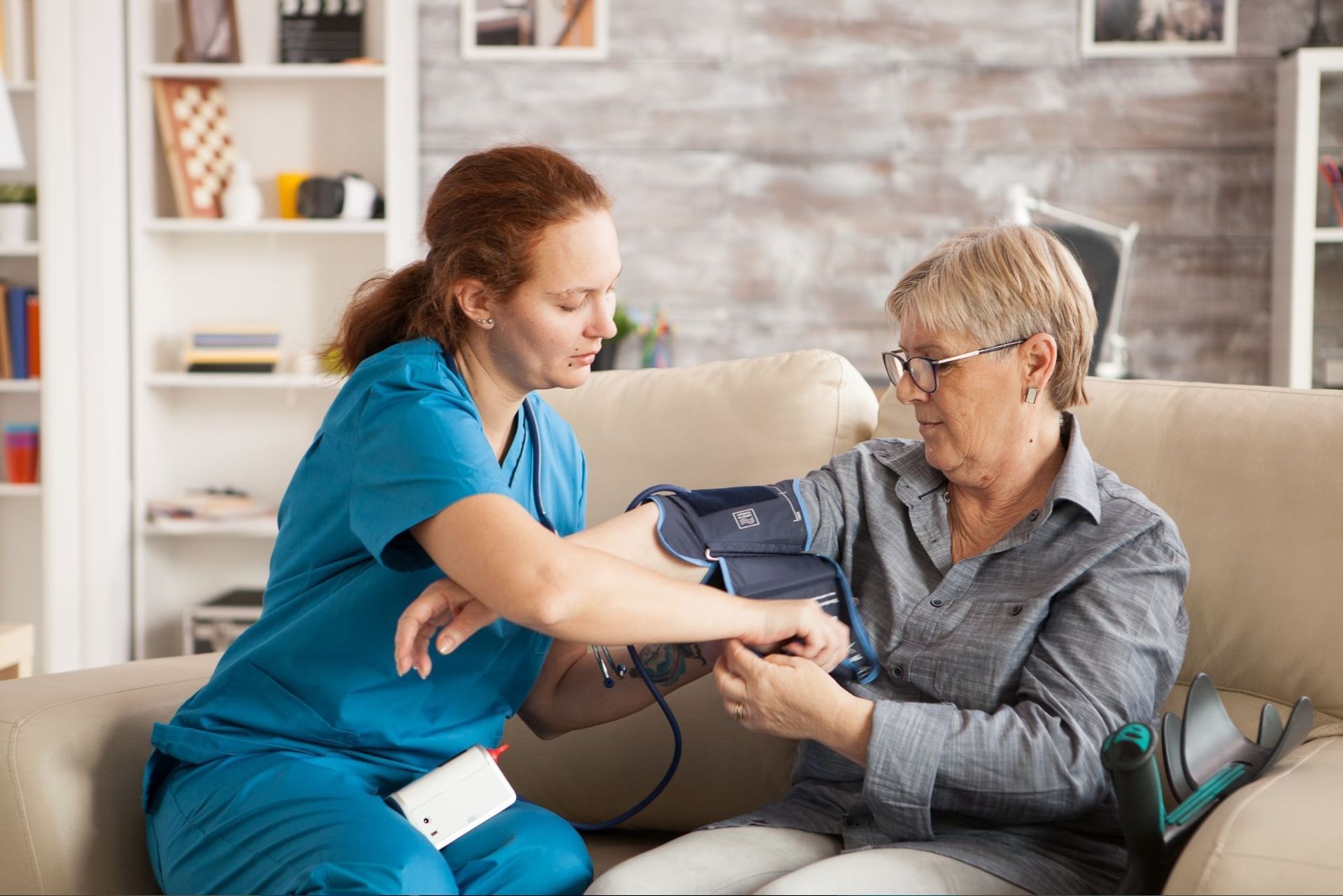
Monitoring Vital Signs
Home nurses regularly assess patients’ health conditions by monitoring:
- Blood pressure
- Heart rate
- Temperature
- Oxygen saturation levels
- Blood sugar levels
- Respiratory function
Continuous monitoring helps identify potential complications early.
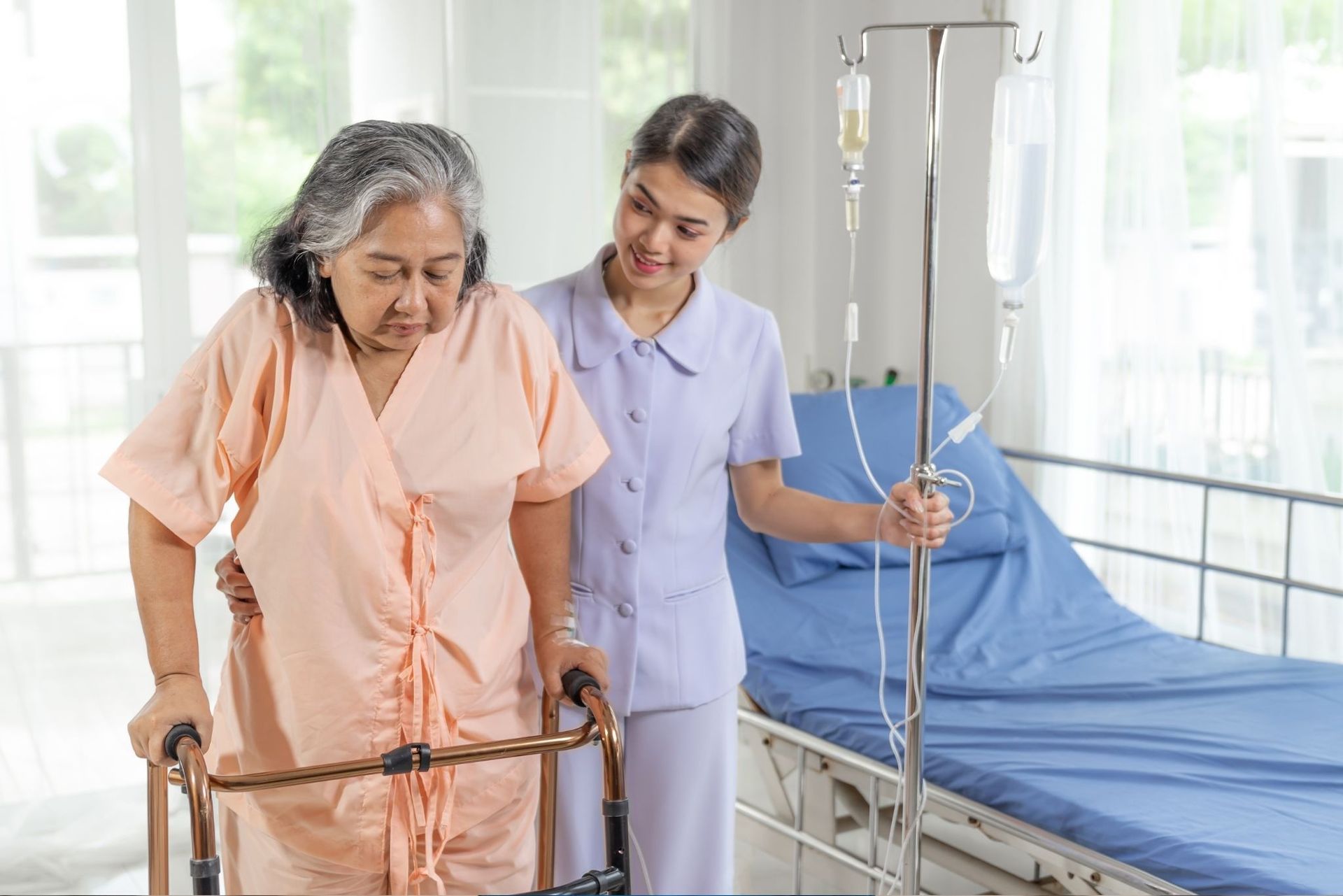
Rehabilitation and Mobility Support
Recovery after illness or surgery ofte requires mobility assistance and rehabilitation support. Home nurses help patients by:
- Assisting with walking
- Encouraging physiotherapy exercises
- Supporting fall prevention
- Promoting physical recovery
- Improving muscle strength and balance
This support helps patients regain confidence and independence.
Personal Care Assistance
Some patients require support with daily living activities, including:
- Bathing
- Dressing
- Grooming
- Toileting
- Feeding support
- Continence care
Personal care services improve comfort, dignity, and hygiene.
Chronic Disease Management
Home nursing plays an essential role in managing long-term health conditions such as:
- Diabetes
- Arthritis
- COPD
- Parkinson’s disease
- Heart disease
- Stroke recovery
- Cancer
- Multiple sclerosis
Nurses monitor symptoms, manage treatments, and support ongoing healthcare needs.
Types of Home Nursing Services
Home nursing services in the UK are available in several forms depending on the level of care required.
Short-Term Home Nursing
Short-term nursing care is usually arranged after:
- Surgery
- Hospital discharge
- Acute illness
- Injury recovery
The purpose is to support safe recovery and reduce the likelihood of complications.
Long-Term Home Nursing
Long-term nursing care supports individuals with chronic illnesses, disabilities, or ongoing healthcare requirements. This care may continue for months or years.
Live-In Nursing Care
Live-in nursing involves a qualified nurse residing in the patient’s home to provide continuous support. This service is suitable for patients requiring 24-hour supervision or complex medical care.
Palliative and End-of-Life Care
Palliative home nursing focuses on comfort, pain management, emotional support, and dignity for patients with serious or terminal illnesses.
Specialist Nursing Services
Some patients require advanced specialist care for conditions such as:
- Dementia
- Neurological disorders
- Cancer
- Tracheostomy care
- Complex wound management
- Respiratory conditions
Specialist nurses provide tailored treatments and expert support.
Who Needs Home Nursing Services?
Home nursing services are suitable for individuals of all ages and healthcare needs.
Elderly Individuals
Older adults often require support with mobility, medication, chronic disease management, and daily living activities while wishing to remain independent at home.
Post-Surgery Patients
Patients recovering from operations benefit from professional monitoring and rehabilitation support during recovery.
Individuals with Disabilities
Home nursing helps disabled individuals maintain a better quality of life through personalised healthcare assistance.
People Living with Chronic Conditions
Patients managing long-term illnesses often require regular health assessments and medical supervision.
Terminally Ill Patients
Home nursing provides compassionate end-of-life care in familiar and comfortable surroundings.
Benefits of Home Nursing Services
The growing popularity of home nursing services in the UK is driven by the numerous advantages they offer patients and families.
Comfort and Familiarity
Recovering at home allows patients to remain in familiar surroundings, which can improve emotional wellbeing and reduce stress.
Personalised Healthcare
Home nursing services are tailored to each patient’s specific medical condition, lifestyle, and healthcare goals.
Reduced Hospital Admissions
Professional monitoring at home can help prevent unnecessary hospital visits and readmissions.
One-to-One Attention
Unlike hospitals where staff manage multiple patients, home nurses provide dedicated individual care.
Better Emotional Wellbeing
Patients often feel more relaxed and emotionally secure when surrounded by family and familiar routines.
Improved Recovery Outcomes
Studies suggest patients may recover more effectively at home due to lower stress levels and reduced exposure to infections.
Greater Independence
Home nursing allows individuals to maintain more control over their daily activities and routines.
Family Involvement
Families can remain actively involved in their loved one’s care while receiving professional guidance and reassurance.
Difference Between Home Nursing and Home Care
Many people mistakenly assume home nursing and home care are the same service. However, there are important differences.
| Number | Home Nursing Services | Home Care Services |
|---|---|---|
| 1 | Delivered by qualified nurses | Delivered by carers or support workers |
| 2 | Includes medical treatments | Focuses on personal assistance |
| 3 | Suitable for clinical conditions | Suitable for daily living support |
| 4 | Includes injections and wound care | Includes companionship and housekeeping |
| 5 | Requires professional medical training | Does not involve clinical procedures |
In many situations, both services may work together to provide comprehensive support.
How Home Nursing Services Work
Professional home nursing services usually follow a structured care process.
Initial Healthcare Assessment
A healthcare professional assesses:
- Medical conditions
- Mobility levels
- Medication requirements
- Personal care needs
- Home environment safety
Personalised Care Plan
A customised care plan outlines:
- Treatment schedules
- Nursing responsibilities
- Medication requirements
- Health goals
- Emergency procedures
Ongoing Monitoring
Nurses continuously monitor patient progress and adjust care plans when necessary.
Family Communication
Regular communication ensures families remain informed about the patient’s condition and progress.
Are Home Nursing Services Safe?
Yes. Professional home nursing services in the UK are regulated to maintain high healthcare standards.
Reliable providers ensure:
- Qualified nursing staff
- DBS-checked professionals
- Infection control procedures
- Safe medication management
- Continuous staff training
- Emergency response protocols
Choosing an experienced provider is essential for maintaining patient safety and quality care.
How to Choose the Right Home Nursing Provider
Selecting the right home nursing provider is an important healthcare decision.
Verify Qualifications
Ensure nurses are professionally trained and registered with relevant healthcare authorities.
Check Experience
Look for providers experienced in managing specific medical conditions.
Review Reputation
Read client testimonials, reviews, and service ratings before making a decision.
Assess Flexibility
Choose providers offering flexible care plans that adapt to changing healthcare needs.
Consider Availability
Some patients may require emergency support or 24-hour nursing care.
Evaluate Communication
Clear communication between providers, patients, and families is essential for effective care delivery.
Families looking for compassionate and personalised nursing support often explore services available through Nurse Agnes for tailored at-home healthcare assistance.
Home Nursing Services Within the UK Healthcare System
Home nursing has become an increasingly important part of the UK healthcare system. It supports community-based care while reducing pressure on hospitals and care facilities.
Home nursing services may be accessed through:
- NHS community healthcare teams
- Private nursing agencies
- Specialist healthcare providers
- Social care organisations
Private home nursing services continue to grow in popularity because they often provide faster access, personalised support, and greater flexibility.
Common Conditions Managed Through Home Nursing
Home nurses regularly support patients with conditions such as:
- Dementia
- Alzheimer’s disease
- Stroke recovery
- Parkinson’s disease
- Diabetes
- Cancer
- Arthritis
- Respiratory illnesses
- Heart failure
- Neurological disorders
Professional monitoring helps patients manage symptoms safely at home.
The Growing Demand for Elderly Home Nursing
The UK’s ageing population has increased the need for elderly home nursing services. Many older adults prefer ageing in place rather than moving into residential care homes.
Home nursing allows elderly individuals to maintain independence while receiving professional medical support.
Elderly home nursing may include:
- Mobility assistance
- Medication reminders
- Dementia care
- Fall prevention
- Continence care
- Nutritional monitoring
- Personal hygiene support
This type of care helps older adults remain comfortable and secure within their own homes.
Home Nursing and Dementia Care
Dementia patients often benefit significantly from remaining in familiar surroundings, where routines and environments reduce anxiety and confusion.
Home nurses supporting dementia patients may assist with:
- Medication administration
- Behaviour management
- Safety supervision
- Emotional reassurance
- Daily routine support
- Personal care assistance
Personalised dementia care helps improve patient wellbeing and quality of life.
Costs of Home Nursing Services in the UK
The cost of home nursing services varies depending on several factors:
- Level of medical complexity
- Frequency of visits
- Duration of care
- Type of nursing support
- Geographical location
- Live-in or hourly care requirements
Private nursing care is generally more expensive than standard home care because it involves qualified medical professionals.
Some individuals may qualify for financial support through:
- NHS Continuing Healthcare
- Local authority funding
- Attendance Allowance
- Personal health budgets
Understanding funding options can help families manage long-term care costs more effectively.
Common Questions About Home Nursing Services
What is the purpose of home nursing services?
The purpose of home nursing services is to provide professional medical care and personal support within a patient’s home while promoting recovery, comfort, and independence.
Are home nursing services only for elderly people?
No. Home nursing services are suitable for children, adults, disabled individuals, post-operative patients, and people living with chronic illnesses.
Can home nurses administer injections?
Yes. Qualified home nurses can safely administer injections, medications, and other medical treatments at home.
Is home nursing better than hospital care?
Home nursing is not always a replacement for hospital treatment, but it can provide greater comfort, personalised support, and emotional wellbeing for suitable patients.
Do home nursing providers offer 24-hour care?
Yes. Many providers offer live-in nursing and round-the-clock healthcare support for patients requiring continuous supervision.
Can dementia patients receive nursing care at home?
Yes. Dementia home nursing services are widely available and help patients remain safe and comfortable in familiar surroundings.
Why More Families Are Choosing Home Nursing Services
Modern healthcare increasingly prioritises patient-centred care, making home nursing one of the fastest-growing healthcare services in the UK.
Families often choose home nursing because it offers:
- Personalised healthcare support
- Greater flexibility
- Reduced hospital exposure
- Better family involvement
- Enhanced comfort and dignity
- Improved emotional wellbeing
Home nursing allows patients to receive professional medical care without sacrificing independence or quality of life.
Future of Home Nursing Services
The future of home nursing services is expected to expand further as healthcare systems continue shifting towards community-based care.
Emerging developments include:
- Telehealth monitoring
- Remote patient assessments
- Digital care planning
- Advanced rehabilitation programmes
- Virtual healthcare consultations
- Technology-assisted nursing support
These innovations will improve accessibility, efficiency, and patient outcomes across the UK home healthcare sector.
Importance of Personalised Home Healthcare
One of the biggest strengths of home nursing services is the ability to provide personalised healthcare tailored to each patient’s unique needs.
Personalised home nursing may involve:
- Flexible visit schedules
- Condition-specific care plans
- Cultural and language considerations
- Nutritional guidance
- Emotional support
- Family education
This individualised approach often results in better patient satisfaction and healthcare outcomes.
Emotional Benefits of Home Nursing Services
The emotional impact of home nursing is often underestimated. Patients receiving care at home frequently experience:
- Lower stress levels
- Greater confidence
- Improved mental wellbeing
- Reduced feelings of isolation
- Stronger family connections
Remaining at home can create a more positive recovery environment compared to institutional healthcare settings.
Role of Families in Home Nursing Care
Family involvement is a major advantage of home nursing services. Relatives can actively participate in care decisions and daily support while healthcare professionals provide medical guidance.
Family involvement may include:
- Monitoring progress
- Assisting with routines
- Emotional reassurance
- Coordinating appointments
- Supporting rehabilitation goals
Professional home nursing creates a collaborative care environment benefiting both patients and families.
Final Thoughts
Home nursing services provide professional healthcare support within the comfort and familiarity of a patient’s own home. These services help individuals recover from illness, manage chronic medical conditions, maintain independence, and receive compassionate personalised care without unnecessary hospital stays.
From elderly care and rehabilitation support to complex medical treatment and palliative care, home nursing services play a vital role in modern UK healthcare. The growing demand for flexible, patient-focused care continues to make home nursing an essential healthcare solution for families across the country.
Trusted providers such as Nurse Agnes continue supporting patients with professional, compassionate, and tailored home nursing services designed to improve comfort, recovery, and quality of life.