How can I find a nurse in the UK?
How Can I Find a Nurse in the UK?
Finding a qualified nurse in the UK has become increasingly important for individuals and families who require professional healthcare support outside traditional hospital settings. Whether you need post-operative care, elderly support, chronic disease management, palliative care, rehabilitation assistance, or specialist nursing services at home, knowing where and how to find a nurse can make a significant difference to health outcomes and quality of life.
As healthcare needs continue to evolve, more people are seeking personalised nursing care delivered in the comfort of their own homes. This shift has increased demand for private nursing services across the UK, making it essential to understand the available options, qualifications to look for, and the steps involved in hiring the right nurse.
This guide explores everything you need to know about finding a nurse in the UK, including the types of nursing services available, where to find qualified professionals, costs, qualifications, and frequently asked questions.
Quick Answer: How Can I Find a Nurse in the UK?
You can find a nurse in the UK through private nursing agencies, home healthcare providers, NHS community nursing referrals, specialist care organisations, and independent nursing services. The most effective approach is to work with a reputable provider that employs registered nurses regulated by the Nursing and Midwifery Council (NMC).
Many families choose professional providers such as Nurse Agnes for trusted and personalised nursing care services delivered directly to patients in their homes.
Why Might You Need a Nurse in the UK?
There are many situations where professional nursing care can provide essential support.
Post-Surgery Recovery
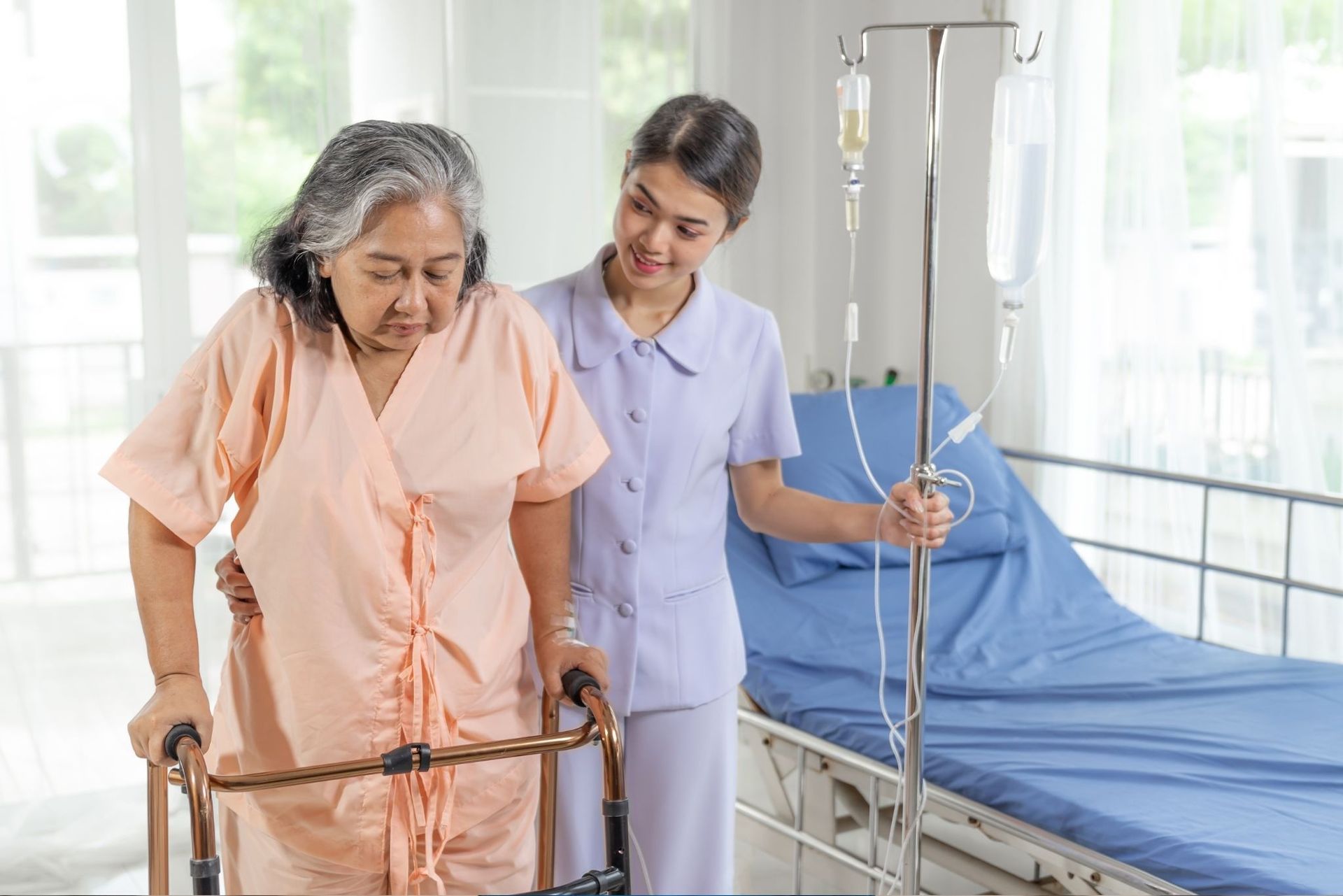
Patients recovering from surgery often require wound care, medication management, mobility support, and health monitoring. A qualified nurse can help reduce complications and support a smoother recovery process.
Elderly Care
Older adults may need assistance with complex medical conditions, medication administration, mobility issues, and ongoing health assessments. Nursing support enables many elderly individuals to remain safely at home.
Chronic Illness Management
Conditions such as diabetes, COPD, heart disease, Parkinson's disease, and multiple sclerosis often require ongoing nursing supervision and monitoring.
Palliative and End-of-Life Care
Specialist nurses play a vital role in providing comfort, symptom management, emotional support, and dignity during palliative care.
Disability Support
Individuals with physical disabilities or complex healthcare needs may benefit from personalised nursing care designed around their specific requirements.
Rehabilitation Services
Following injury, illness, or hospital discharge, nurses can support rehabilitation plans and coordinate care with other healthcare professionals.
What Types of Nurses Can You Hire in the UK?
Understanding different nursing specialisations can help you find the most appropriate support.
Registered General Nurses (RGNs)
Registered General Nurses provide comprehensive healthcare services, including:
- Medication administration
- Health assessments
- Wound care
- Patient monitoring
- Health education
- Clinical support
Community Nurses
Community nurses work with patients in their homes and local communities, supporting recovery, disease management, and preventative healthcare.
Specialist Nurses
Specialist nurses possess advanced expertise in specific areas such as:
- Oncology nursing
- Diabetes management
- Respiratory care
- Cardiac nursing
- Neurological conditions
- Palliative care
Live-In Nurses
Live-in nurses provide around-the-clock support within a patient's home, offering continuous care and reassurance.
Paediatric Nurses
Paediatric nurses specialise in caring for infants, children, and young people with medical needs.
Mental Health Nurses
Mental health nurses support individuals experiencing mental health challenges, providing therapeutic care and clinical monitoring.
Where Can You Find a Nurse in the UK?
Several routes are available when searching for professional nursing support.
Private Nursing Agencies
Private nursing agencies remain one of the most popular options for finding qualified nurses. These organisations conduct recruitment, training, compliance checks, and quality assurance processes.
Benefits include:
- Access to experienced nurses
- Flexible care arrangements
- Emergency support availability
- Ongoing supervision
- Regulatory compliance
Home Healthcare Providers
Home healthcare providers offer a broad range of nursing and care services tailored to individual needs.
Services may include:
- Short-term nursing support
- Long-term care plans
- Specialist clinical care
- Live-in nursing services
- Hospital-to-home transition support
NHS Community Nursing Services
Some patients may be eligible for NHS community nursing support following hospital discharge or through referrals from GPs and healthcare teams.
However, NHS resources can be limited, leading many families to explore private alternatives for enhanced flexibility and availability.
Independent Nurses
Some nurses work independently and offer direct services to patients. It is essential to verify qualifications, insurance coverage, and professional registration before engaging independent practitioners.
Specialist Care Organisations
Specialist providers focus on complex care requirements and often employ nurses with advanced training in particular clinical fields.
How Do You Verify a Nurse's Qualifications?
Ensuring that a nurse is properly qualified is one of the most important steps in the hiring process.
Nursing and Midwifery Council Registration
Every practising nurse in the UK must be registered with the Nursing and Midwifery Council (NMC).
The NMC regulates nurses, midwives, and nursing associates, ensuring they meet professional standards and maintain competency throughout their careers.
Professional Experience
Review a nurse's:
- Clinical background
- Areas of specialisation
- Years of experience
- Relevant certifications
- Continuing professional development
Enhanced DBS Checks
Reputable nursing providers conduct enhanced Disclosure and Barring Service (DBS) checks to help safeguard vulnerable individuals.
References and Testimonials
Patient reviews, testimonials, and professional references can provide valuable insights into service quality and reliability.
What Questions Should You Ask Before Hiring a Nurse?
Choosing the right nurse requires careful evaluation.
Important questions include:
Is the Nurse Registered with the NMC?
Professional registration confirms legal eligibility to practise nursing in the UK.
What Experience Do They Have?
Ask about experience related to your specific healthcare needs.
What Services Are Included?
Clarify which clinical and personal support services are provided.
How Are Emergencies Handled?
Understand the provider's procedures for urgent situations and out-of-hours support.
Are Care Plans Customised?
Individualised care plans typically produce better outcomes than generic approaches.
What Are the Costs?
Ensure you understand fees, billing arrangements, and any additional charges.
How Much Does It Cost to Hire a Nurse in the UK?
Nursing costs vary depending on several factors.
Factors Affecting Nursing Costs
Pricing may depend on:
- Nurse qualifications
- Care complexity
- Duration of support
- Geographic location
- Day or night services
- Specialist clinical requirements
Hourly Nursing Care
Many providers offer flexible hourly nursing support tailored to individual schedules.
Overnight Nursing Care
Overnight nursing services provide continuous monitoring and assistance during evening hours.
Live-In Nursing Care
Live-in nursing typically represents the most comprehensive level of home-based support, providing continuous professional care.
Specialist Nursing Services
Advanced clinical care often involves higher fees due to specialist expertise and training requirements.
When comparing providers, it is important to focus on quality, safety, and experience rather than solely on price.
Benefits of Hiring a Nurse at Home
Home nursing care offers numerous advantages for patients and families.
Comfort and Familiarity
Remaining at home can reduce stress and support emotional wellbeing.
Personalised Care
Nurses can tailor care plans to individual medical conditions, preferences, and goals.
Reduced Hospital Admissions
Proactive nursing support may help identify issues early and prevent avoidable hospital visits.
Greater Independence
Patients often maintain higher levels of independence within familiar surroundings.
Family Involvement
Home care allows family members to participate more actively in healthcare decisions and support.
Improved Quality of Life
Many patients experience enhanced comfort, dignity, and satisfaction through personalised home nursing services.
How Quickly Can You Find a Nurse in the UK?
The timeframe depends on care requirements and local availability.
Emergency Nursing Support
Some providers can arrange urgent nursing care within hours.
Planned Nursing Care
Scheduled care arrangements may require several days for assessment, planning, and nurse matching.
Specialist Care Requirements
Complex healthcare needs may involve additional assessment and specialist nurse allocation.
Working with established nursing providers often speeds up the process while maintaining high standards of care.
What Is the Difference Between a Nurse and a Carer?
This is one of the most commonly searched healthcare questions in the UK.
Nurses
Nurses possess professional qualifications, clinical training, and regulatory registration.
They can perform tasks such as:
- Clinical assessments
- Medication administration
- Wound management
- Health monitoring
- Complex medical procedures
Carers
Carers provide personal and practical support including:
- Assistance with daily activities
- Personal hygiene support
- Meal preparation
- Companionship
- Household assistance
Some individuals require both nursing and care services to meet their overall needs.
How Do Private Nurses Support Elderly Patients?
Private nurses provide valuable support for older adults facing age-related health challenges.
Services may include:
- Medication management
- Fall prevention strategies
- Mobility support
- Dementia care
- Nutrition monitoring
- Health assessments
- Chronic disease management
This support often enables elderly individuals to maintain independence and remain safely at home for longer.
What Are the Advantages of Choosing a Professional Nursing Agency?
Professional nursing agencies provide several important benefits.
Rigorous Recruitment Standards
Agencies carefully screen nurses before employment.
Ongoing Training
Continuous professional development helps maintain clinical excellence.
Quality Assurance
Regular performance monitoring supports consistent service quality.
Backup Support
If a nurse becomes unavailable, agencies can often arrange suitable replacements.
Regulatory Compliance
Established providers maintain compliance with healthcare regulations and professional standards.
Comprehensive Care Coordination
Agencies frequently collaborate with families, GPs, consultants, therapists, and other healthcare professionals.
Common Signs You May Need Professional Nursing Support
Many families are unsure when nursing care becomes necessary.
Indicators may include:
- Frequent hospital admissions
- Complex medication schedules
- Chronic disease progression
- Mobility difficulties
- Post-surgical recovery needs
- Increased risk of falls
- Wound care requirements
- Cognitive decline
- Need for specialist clinical interventions
Seeking professional nursing support early can often improve outcomes and reduce stress for both patients and families.
How Technology Is Making It Easier to Find a Nurse in the UK
The way people access healthcare services has changed significantly over the last decade. Technology has made it easier than ever for individuals and families to connect with qualified nurses, arrange care assessments, and manage healthcare services from home.
Many professional nursing providers now offer online consultations, virtual assessments, digital care planning, and secure communication channels that allow families to stay informed about a loved one's care. This has improved accessibility for people living in both urban and rural areas across the UK.
Digital healthcare solutions can help patients:
- Request nursing services online
- Schedule appointments quickly
- Access care records securely
- Communicate with healthcare professionals
- Receive updates on treatment plans
- Arrange urgent nursing support when required
While technology has streamlined access to nursing services, the human element remains central to quality care. Compassion, clinical expertise, and personalised support continue to be the foundation of excellent nursing practice.
Finding a Nurse for Complex Healthcare Needs
Some individuals require a higher level of nursing care due to complex medical conditions. In these situations, it is essential to work with providers that have experience managing advanced healthcare requirements.
Examples of complex care needs include:
Neurological Conditions
People living with conditions such as Parkinson's disease, motor neurone disease, multiple sclerosis, or acquired brain injuries often require specialised nursing support.
A qualified nurse can assist with:
- Medication administration
- Symptom monitoring
- Mobility support
- Care coordination
- Health assessments
Dementia and Alzheimer's Care
Dementia care requires patience, specialist knowledge, and a person-centred approach. Nurses experienced in dementia care can help manage symptoms, reduce distress, and support family members throughout the care journey.
Cancer Care
Individuals undergoing cancer treatment may require nursing assistance for symptom management, medication administration, pain control, and emotional support.
Specialist oncology nurses play an important role in helping patients maintain comfort and wellbeing during treatment and recovery.
Respiratory Conditions
Patients with COPD, severe asthma, pulmonary fibrosis, or other respiratory conditions often benefit from regular nursing monitoring and intervention.
Nurses can help manage oxygen therapy, monitor symptoms, and provide education that supports better long-term health outcomes.
What to Expect During a Nursing Assessment
Before nursing care begins, most reputable providers conduct a comprehensive assessment to understand the patient's needs.
The assessment process typically includes:
Medical History Review
Healthcare professionals gather information about existing conditions, medications, allergies, previous treatments, and current healthcare concerns.
Physical Health Assessment
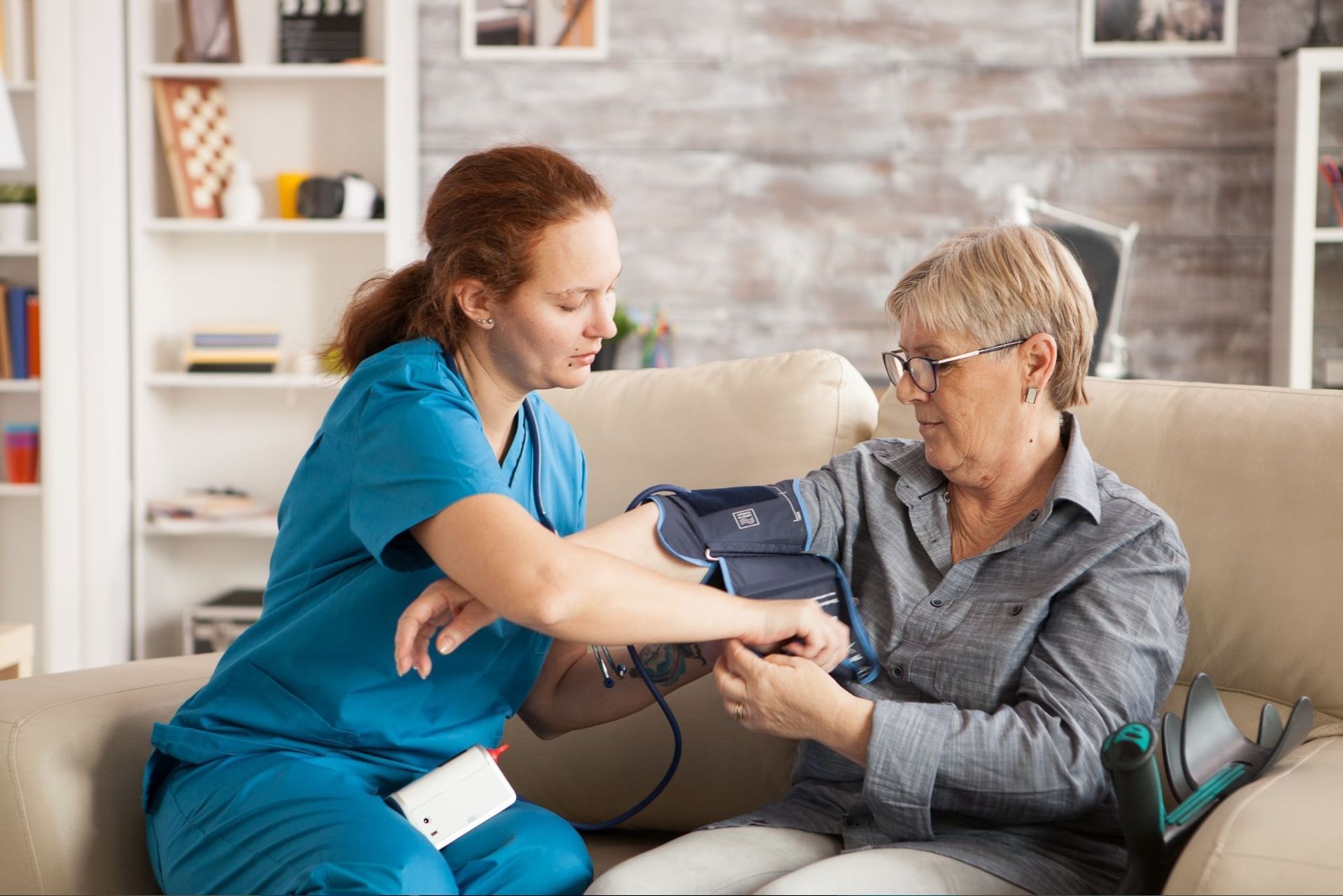
A nurse may evaluate mobility, nutrition, skin integrity, vital signs, and overall health status.
Risk Assessment
Potential risks such as falls, medication errors, pressure sores, and infection concerns are identified to create appropriate care strategies.
Personal Preferences
Quality nursing care should take into account a patient's preferences, routines, cultural considerations, and personal goals.
Care Plan Development
Following the assessment, a personalised care plan is developed that outlines the support required, frequency of visits, clinical interventions, and expected outcomes.
This structured approach helps ensure safe, effective, and patient-focused care.
Why More Families Are Choosing Home Nursing Care
Across the UK, there is a growing preference for receiving healthcare support at home rather than in institutional settings. This trend is driven by several factors.
Many patients feel more relaxed and comfortable in familiar surroundings. Home environments often contribute to emotional wellbeing and can reduce anxiety associated with hospital stays.
Families also appreciate the ability to remain closely involved in care decisions. Home nursing creates opportunities for greater collaboration between patients, relatives, and healthcare professionals.
Additional benefits include:
- One-to-one attention
- Continuity of care
- Flexible scheduling
- Greater privacy
- Reduced exposure to hospital-acquired infections
- Enhanced comfort and independence
For individuals recovering from illness or managing long-term health conditions, home nursing can provide an effective balance between professional clinical support and personal freedom.
The Future of Nursing Care in the UK
The demand for nursing services is expected to continue growing as the UK population ages and healthcare needs become more complex.
Several trends are shaping the future of nursing care:
Increased Home-Based Healthcare
Healthcare providers are increasingly focusing on delivering services within patients' homes whenever appropriate.
Personalised Care Models
Modern nursing services are moving away from one-size-fits-all approaches and towards highly individualised care plans tailored to each person's unique needs.
Greater Integration of Healthcare Services
Nurses are working more closely with GPs, consultants, therapists, pharmacists, and social care teams to provide coordinated care.
Advanced Clinical Skills
As healthcare evolves, nurses are taking on expanded clinical responsibilities and developing specialist expertise in a wide range of medical fields.
Improved Patient Outcomes
Research continues to highlight the benefits of proactive nursing interventions, early health monitoring, and personalised support in improving patient outcomes and reducing unnecessary hospital admissions.
For families searching online for answers to the question, "How can I find a nurse in the UK?",
understanding these developments can help them make informed decisions about future care options.
Whether the need is temporary, long-term, specialist, or urgent, professional nursing services provide an invaluable resource for individuals seeking high-quality healthcare support in the comfort of their own homes.
Frequently Asked Questions
Can I hire a private nurse in the UK?
Yes. Private nurses are available throughout the UK through nursing agencies, home healthcare providers, and specialist care organisations.
Are private nurses regulated?
Registered nurses must be regulated by the Nursing and Midwifery Council and meet professional standards for practice.
Can a nurse visit my home?
Yes. Home nursing services are widely available and can be arranged for short-term or long-term support.
How do I check if a nurse is qualified?
Verify their Nursing and Midwifery Council registration, experience, references, and professional credentials.
Can I get a nurse after leaving hospital?
Yes. Many patients arrange home nursing care following hospital discharge to support recovery and reduce the risk of complications.
Is home nursing available 24 hours a day?
Many providers offer 24-hour nursing services, including live-in care and overnight support.
Final Thoughts
If you are asking, "How can I find a nurse in the UK?", the good news is that there are many professional options available to meet a wide range of healthcare needs. Whether you require temporary post-operative support, long-term elderly care, specialist clinical assistance, or palliative care services, working with a trusted nursing provider can help ensure safe, personalised, and high-quality care.
The key is to choose qualified, experienced nurses who are registered with the Nursing and Midwifery Council and supported by a reputable organisation. By carefully assessing your needs, verifying credentials, and selecting a provider committed to excellence, you can secure the professional nursing support necessary to improve health outcomes and quality of life.
As demand for personalised healthcare continues to grow, home nursing services remain one of the most effective ways to receive compassionate, expert care while maintaining the comfort and familiarity of home.