What types of nursing services are available in the UK?
What Types of Nursing Services Are Available in the UK?
If you or a loved one requires professional healthcare support, understanding the different types of nursing services available in the UK is essential. Whether you need short term medical care after surgery, long term support for a chronic illness, palliative care, or specialist nursing at home, the UK offers a wide range of services tailored to different health conditions and personal circumstances.
Professional nursing care can significantly improve quality of life by helping individuals remain comfortable, independent, and safe in familiar surroundings. Many people today choose home based nursing services because they provide personalised care while reducing the need for lengthy hospital stays.
At Nurse Agnes, experienced healthcare professionals provide compassionate nursing services that focus on dignity, independence, and clinical excellence, helping patients receive high quality care within the comfort of their own homes.
This guide explains the various nursing services available across the UK, who can benefit from them, how they work, and how to choose the right provider.
Quick Answer
The main types of nursing services available in the UK include:
- Home nursing care
- Community nursing
- Live in nursing care
- District nursing
- Palliative care nursing
- Dementia nursing
- Elderly nursing care
- Post operative nursing
- Complex care nursing
- Specialist nursing services
- Respite nursing care
- End of life nursing care
- Children's nursing
- Mental health nursing
- Learning disability nursing
Each service is designed to meet different healthcare needs, ensuring patients receive personalised clinical support in hospitals, care homes, community settings, or their own homes.
Understanding Nursing Services in the UK
Nursing services involve qualified healthcare professionals providing medical care, health monitoring, treatment, rehabilitation, and emotional support for individuals experiencing illness, injury, disability, or age related conditions.
Registered nurses in the UK are regulated by the Nursing and Midwifery Council (NMC), ensuring they meet strict professional standards and maintain up to date clinical knowledge.
Modern nursing extends well beyond hospitals. Increasingly, healthcare is delivered within local communities and patients' homes, allowing individuals to recover in familiar environments while maintaining independence.
Professional nursing services often include:
- Medication management
- Wound treatment
- Health assessments
- Chronic disease management
- Pain control
- Catheter care
- PEG feeding
- Diabetes management
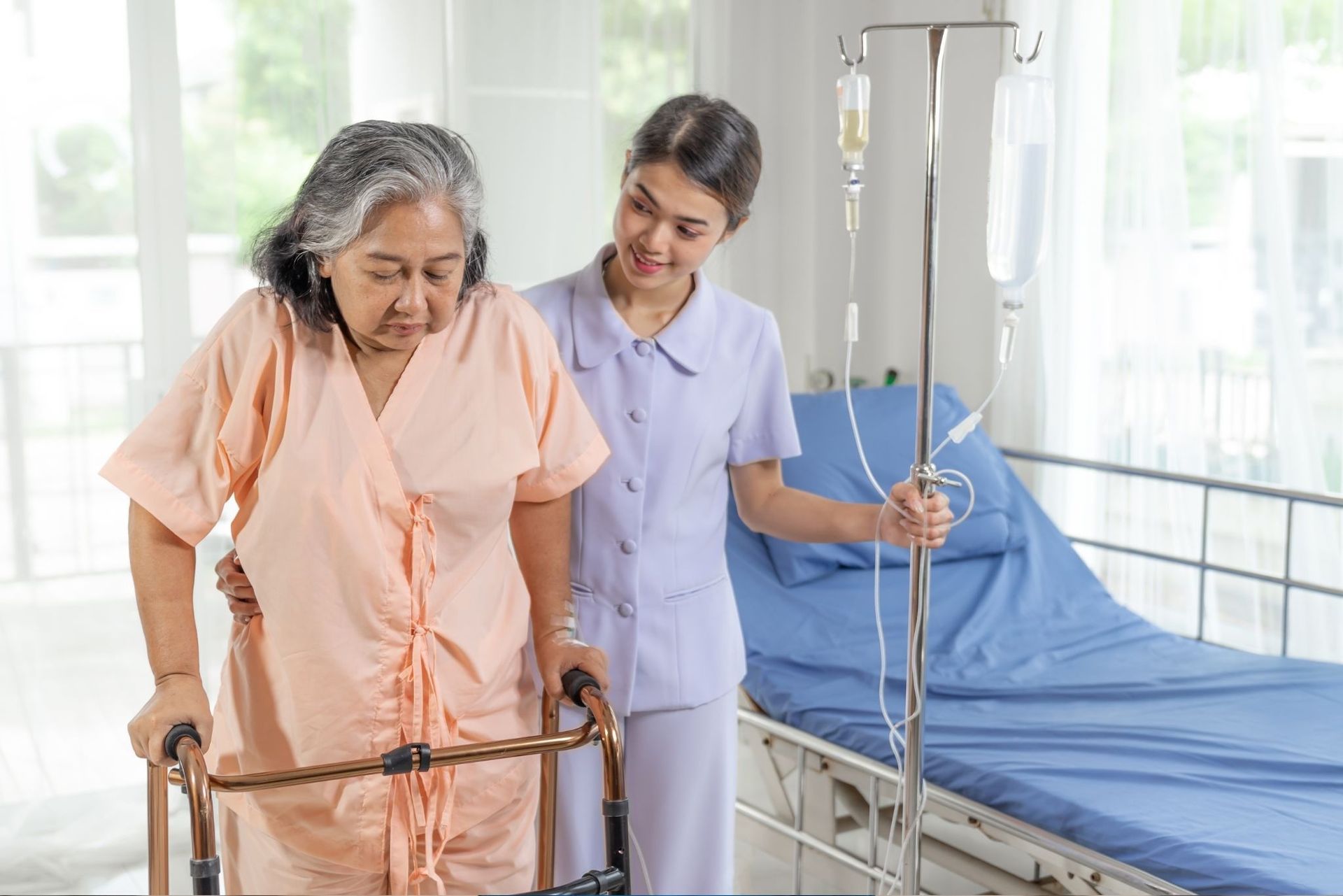
- Mobility support
- Patient education
- Family support
- Rehabilitation assistance
The exact services provided depend on the patient's medical condition and care plan.
Home Nursing Care
Home nursing is one of the fastest growing healthcare services in the UK.
Rather than remaining in hospital, many patients now receive clinical care at home under the supervision of registered nurses.
Home nursing services may include:
- Administering medication
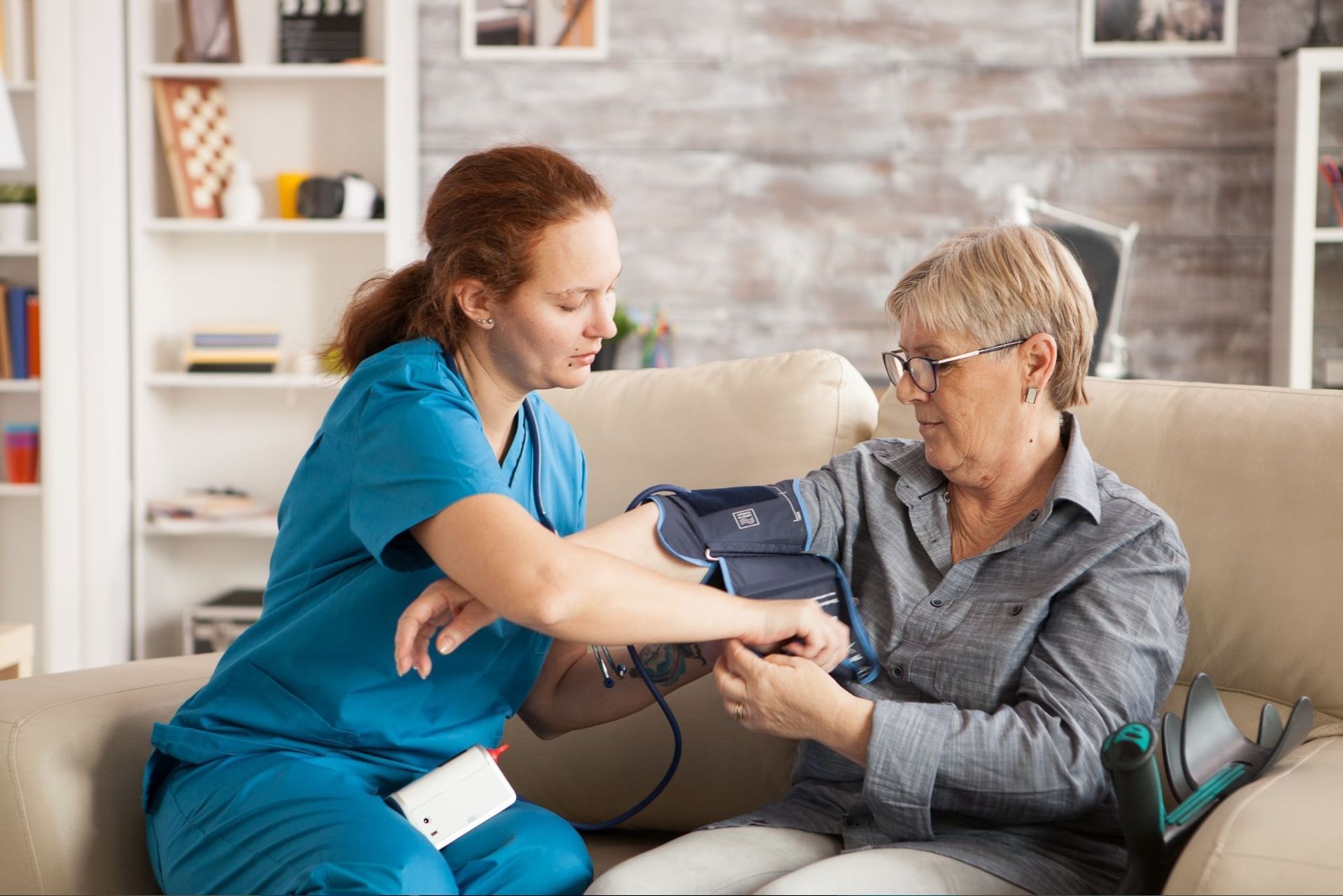
- Blood pressure monitoring
- Dressing wounds
- Managing infections
- Catheter care
- Stoma care
- Intravenous therapy
- Blood sugar monitoring
- Post surgical recovery
- Clinical observations
This type of nursing is ideal for individuals who require professional healthcare but wish to remain in familiar surroundings.
Families also gain peace of mind knowing a qualified nurse is monitoring recovery and identifying potential complications early.
Community Nursing Services
Community nursing supports people living independently while managing ongoing medical conditions.
Community nurses work closely with GPs, hospitals, therapists, pharmacists, and social care providers to coordinate healthcare.
They commonly visit patients who:
- Have recently been discharged from hospital
- Live with chronic illness
- Require wound management
- Need medication monitoring
- Have mobility challenges
- Require long term treatment
Community nursing reduces unnecessary hospital admissions while ensuring patients continue receiving expert healthcare.
District Nursing Services
District nurses specialise in caring for patients who cannot easily attend GP surgeries or hospitals.
These highly trained professionals visit patients in their homes and provide advanced nursing care.
District nursing often includes:
- Complex wound care
- Pressure ulcer prevention
- Catheter management
- Palliative care
- Diabetes care
- Continence assessments
- Medication administration
- Health monitoring
District nurses also educate families and carers, helping them safely support patients between visits.
Live In Nursing Care
Live in nursing care provides continuous support from a qualified nurse living within the patient's home.
This option is particularly valuable for individuals with complex medical needs requiring round the clock clinical supervision.
Patients receiving live in nursing may have:
- Advanced neurological disorders
- Multiple medical conditions
- Serious mobility limitations
- Progressive illnesses
- Complex medication schedules
Unlike standard domiciliary care, live in nursing combines daily living support with advanced medical expertise.
Elderly Nursing Care
Older adults often experience multiple health conditions requiring skilled nursing support.
Elderly nursing focuses on promoting independence while managing age related illnesses.
Common services include:
- Falls prevention
- Medication reviews
- Nutritional support
- Pressure area care
- Mobility assistance
- Memory support
- Monitoring chronic diseases
- Rehabilitation after illness
Older people benefit greatly from regular health assessments that identify problems before they become emergencies.
Dementia Nursing Services
Dementia nursing combines clinical expertise with compassionate person centred care.
Patients living with dementia often experience changing physical, emotional, and behavioural needs that require specialist knowledge.
Dementia nurses help by:
- Managing medication
- Monitoring cognitive decline
- Supporting nutrition
- Reducing anxiety
- Preventing falls
- Encouraging routine
- Supporting family carers
Specialist dementia nurses understand how communication changes throughout different stages of dementia and adapt care accordingly.
Palliative Nursing Care
Palliative nursing focuses on improving comfort and quality of life for individuals living with serious or life limiting illnesses.
Contrary to common belief, palliative care is not limited to the final days of life. Patients may receive palliative nursing while continuing active medical treatment.
Services include:
- Pain management
- Symptom control
- Emotional support
- Family counselling
- Medication management
- Comfort care
- Coordination with GPs and specialists
The primary goal is helping patients live as comfortably and independently as possible.
End of Life Nursing Care
End of life nursing provides compassionate support during the final stage of life.
Nurses work closely with families, hospices, GPs, and specialist palliative teams to ensure patients experience dignity, comfort, and respect.
Care typically includes:
- Pain relief
- Symptom management
- Emotional support
- Spiritual support where appropriate
- Family guidance
- Comfort measures
- Clinical monitoring
These services help families navigate one of life's most challenging periods with professional support.
Post Operative Nursing Care
Recovering after surgery often requires professional nursing.
Post operative nursing supports patients following procedures such as:
- Hip replacement
- Knee replacement
- Cardiac surgery
- Cancer surgery
- Abdominal surgery
- Orthopaedic surgery
Nurses monitor recovery while helping reduce the risk of complications.
Typical services include:
- Wound dressing changes
- Infection prevention
- Medication administration
- Pain assessment
- Mobility support
- Recovery monitoring
Appropriate post surgical nursing often shortens recovery time while improving patient confidence.
Complex Care Nursing
Complex care nursing is designed for individuals with serious or long term medical conditions that require advanced clinical expertise. Patients receiving complex care often have multiple health conditions or depend on specialist medical equipment to support their daily lives.
Unlike general home care, complex care involves registered nurses who are trained to manage intricate healthcare needs safely and effectively.
People who may require complex nursing care include those living with:
- Motor neurone disease (MND)
- Multiple sclerosis (MS)
- Parkinson's disease
- Spinal cord injuries
- Stroke related disabilities
- Acquired brain injuries
- Respiratory conditions requiring ventilation support
- Advanced neurological disorders
Complex nursing services can include:
- Tracheostomy care
- Ventilator management
- Enteral feeding such as PEG feeding
- Suctioning
- Medication administration
- Seizure management
- Continence care
- Clinical assessments
- Infection prevention
- Care planning with multidisciplinary healthcare teams
Receiving complex care at home enables many people to enjoy greater independence while remaining close to family and friends.
Specialist Nursing Services
Many registered nurses develop expertise in specific areas of healthcare to meet the growing needs of patients with complex conditions.
Specialist nursing services available in the UK include:
Cancer Nursing
Cancer nurses provide ongoing support before, during and after treatment. They help patients manage chemotherapy side effects, monitor symptoms, provide emotional reassurance and coordinate care with oncology specialists.
Diabetes Nursing
Diabetes specialist nurses help patients manage blood glucose levels, insulin therapy, diet and lifestyle changes while reducing the risk of complications such as kidney disease or nerve damage.
Cardiac Nursing
Cardiac nurses support individuals recovering from heart attacks, heart surgery or living with chronic heart disease. Their role includes monitoring heart health, medication management and promoting healthy lifestyle habits.
Respiratory Nursing
Patients with asthma, chronic obstructive pulmonary disease (COPD) and other respiratory illnesses benefit from specialist respiratory nurses who assist with breathing management, oxygen therapy and pulmonary rehabilitation.
Neurological Nursing
Neurological nurses care for individuals with conditions affecting the brain, spinal cord and nervous system. Their expertise supports symptom management, rehabilitation and long term disease monitoring.
These specialist nursing services ensure patients receive expert care tailored to their specific medical condition.
Children's Nursing Services
Children have unique healthcare needs that require specialist knowledge and a family centred approach.
Paediatric nurses provide care for babies, children and young people experiencing both short term illnesses and long term health conditions.
Their responsibilities may include:
- Administering medication
- Monitoring development
- Supporting children with disabilities
- Managing chronic illnesses
- Educating parents and carers
- Coordinating hospital and community care
Children's nurses work closely with families to ensure care plans are appropriate for the child's age, development and emotional wellbeing.
Mental Health Nursing
Mental health nursing plays an increasingly important role in the UK's healthcare system.
Mental health nurses support people experiencing conditions such as:
- Anxiety disorders
- Depression
- Bipolar disorder
- Schizophrenia
- Eating disorders
- Personality disorders
- Post traumatic stress disorder (PTSD)
Their work extends beyond medication management. They also provide therapeutic support, crisis intervention, recovery planning and education for families.
Mental health nurses often work alongside psychologists, psychiatrists, GPs and social workers to provide holistic care.
Learning Disability Nursing
Learning disability nurses help people with lifelong learning disabilities live healthier, safer and more independent lives.
Their role focuses on improving physical health, communication and access to healthcare services.
Support may include:
- Health assessments
- Medication support
- Behaviour management
- Health education
- Advocacy
- Working with families and carers
- Coordinating specialist services
This type of nursing promotes inclusion and ensures individuals receive appropriate healthcare throughout their lives.
Respite Nursing Care
Caring for a loved one full time can be physically and emotionally demanding.
Respite nursing provides temporary professional care, allowing family carers to take a well deserved break while knowing their loved one remains in safe hands.
Respite care may last:
- A few hours
- Overnight
- Several days
- A few weeks
It is suitable for elderly individuals, people with disabilities, those recovering from illness or patients with long term medical conditions.
Who Can Benefit from Nursing Services?
Professional nursing services are suitable for people of all ages, depending on their health needs.
You may benefit from nursing care if you:
- Are recovering after surgery
- Need regular wound care
- Have limited mobility
- Live with dementia
- Require palliative or end of life care
- Need medication management
- Have diabetes or heart disease
- Require catheter or stoma care
- Live with neurological conditions
- Need rehabilitation after illness
- Require ongoing clinical monitoring
The right nursing service depends on your individual medical condition, personal preferences and clinical requirements.
How to Access Nursing Services in the UK
There are several ways to access nursing care in the UK.
NHS Nursing Services
Many nursing services are available through the NHS following assessment by a GP, hospital consultant or community healthcare team. Eligibility depends on clinical need and local NHS services.
Private Nursing Services
Private nursing providers offer flexible care plans tailored to individual requirements. This option is ideal for those seeking additional support, faster access to care or specialised home nursing services.
Private care often allows families greater flexibility regarding visit frequency, continuity of carers and personalised care plans.
How to Choose the Right Nursing Provider
Selecting a nursing provider is an important decision that can significantly affect the quality of care received.
When comparing providers, consider the following:
Professional Qualifications
Ensure nurses are registered with the Nursing and Midwifery Council (NMC) and possess relevant clinical experience.
Personalised Care Plans
Every patient has unique healthcare needs. Look for providers that develop tailored care plans rather than offering a one size fits all approach.
Clinical Experience
Choose providers with experience managing the specific condition requiring care, whether it is dementia, complex neurological disorders or post operative recovery.
Communication
Excellent nursing involves clear communication with patients, families, GPs and other healthcare professionals.
Compassionate Care
Clinical expertise should always be matched with empathy, dignity and respect.
Positive Reputation
Read independent reviews and testimonials to understand the experiences of previous patients and families.
Frequently Asked Questions
What is the difference between nursing care and domiciliary care?
Domiciliary care focuses primarily on helping with daily activities such as washing, dressing, meal preparation and household tasks. Nursing care includes medical treatments provided by qualified registered nurses, including wound care, medication management and clinical monitoring.
Can nursing care be provided at home?
Yes. Many nursing services are delivered in patients' homes, allowing individuals to receive high quality healthcare while remaining in familiar surroundings.
Are private nursing services available throughout the UK?
Yes. Many independent healthcare providers offer home nursing services across different regions of the UK, although availability may vary depending on location.
Do I need a GP referral?
Not always. While NHS nursing services generally require referral, many private providers allow patients or families to arrange care directly.
What conditions require specialist nursing?
Specialist nursing may be appropriate for conditions such as dementia, Parkinson's disease, cancer, multiple sclerosis, diabetes, respiratory disease, neurological disorders and complex disabilities.
Is home nursing suitable for elderly people?
Absolutely. Home nursing enables many older adults to remain independent while receiving professional medical support tailored to their health needs.
Final Thoughts
The UK offers a comprehensive range of nursing services designed to meet the diverse healthcare needs of people at every stage of life. From community nursing and post operative care to specialist neurological support, palliative care and complex home nursing, patients have access to professional services that prioritise safety, dignity and personalised treatment.
Choosing the right nursing service depends on several factors, including your medical condition, level of independence, recovery goals and personal preferences. Taking the time to understand the different options available can help you or your loved one receive the most appropriate care.
As healthcare increasingly moves beyond hospital settings, home based nursing continues to grow in popularity, offering high quality clinical care in a familiar and comfortable environment.
Whether you require short term support following surgery or long term assistance for a complex condition, professional nursing can improve health outcomes while enhancing overall quality of life.
By working with experienced, qualified nursing professionals, individuals and families can feel confident that compassionate, evidence based care is always within reach.