What is the cost of a home nurse in UK?
What is the cost of a home nurse in UK?
The cost of a home nurse in the UK typically ranges from £20 to £80 per hour depending on the level of care required, the nurse’s qualifications, the complexity of medical needs, and the location of the service. For live-in nursing care, costs can range from £1,200 to £3,500 per week or more for specialist medical support.
Home nursing services are becoming increasingly popular across the UK as more families choose personalised healthcare in the comfort of their own homes rather than hospitals or residential care facilities. Whether someone requires short-term recovery assistance after surgery or long-term support for chronic illness, understanding the true cost of home nursing is essential before arranging care.
Professional providers such as
Nurse Agnes offer tailored home nursing solutions designed to meet different healthcare needs, from elderly support to complex clinical care.
Understanding Home Nursing Costs in the UK
The price of home nursing services varies significantly because every patient has different healthcare requirements. Unlike standard home care services, home nursing involves medically trained professionals capable of administering treatments, monitoring health conditions, and providing clinical care.
The overall cost depends on factors such as:
- Type of nursing care required
- Duration of care
- Frequency of visits
- Medical complexity
- Geographic location
- Time of service
- Nurse qualifications
Specialist healthcare needs
Home nursing may involve occasional visits, overnight care, or full-time live-in support depending on the patient’s condition.
Average Hourly Cost of a Home Nurse in the UK
Hourly nursing rates vary across the UK. In general, patients can expect the following average costs:
| Type of Home Nursing Service | Average UK Cost |
|---|---|
| Basic nursing care | £20–£35 per hour |
| Registered nurse visits | £35–£60 per hour |
| Specialist nursing care | £50–£80 per hour |
| Overnight nursing support | £150–£300 per night |
| Live-in nursing care | £1,200–£3,500 per week |
Prices are usually higher in London and the South East due to increased demand and living costs.
What Is Included in Home Nursing Costs?
Home nursing fees often cover a variety of professional healthcare services.
Medication Administration
Nurses may assist with:
- Injections
- Intravenous medications
- Prescription management
- Medication monitoring
- Pain management
Complex medication routines generally increase costs due to the level of clinical expertise required.
Wound Care and Dressings
Professional wound management services may include:
- Surgical wound care
- Pressure sore treatment
- Dressing changes
- Infection monitoring
- Burn treatment
Specialist wound care nurses may charge higher hourly rates.
Health Monitoring
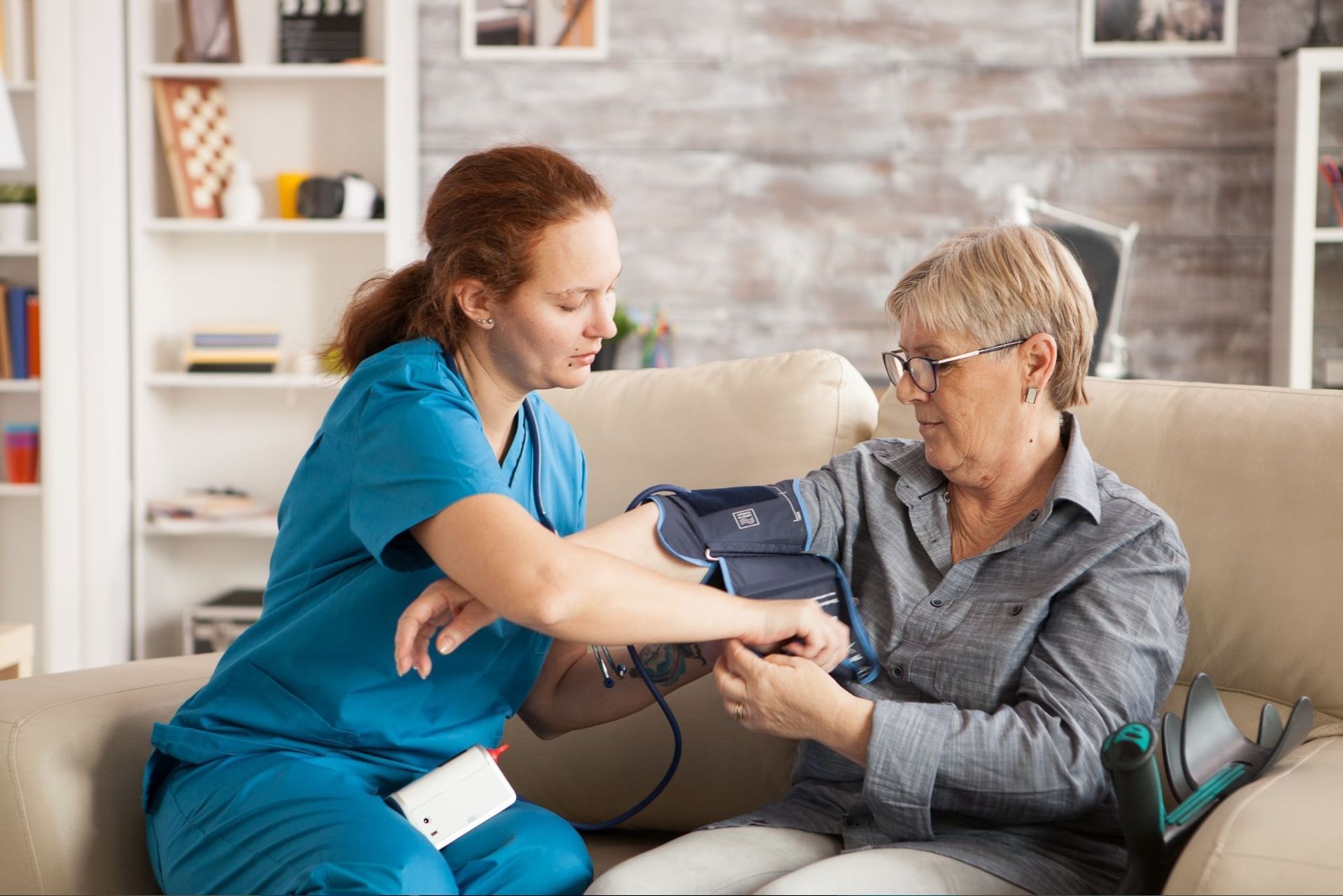
Home nurses often monitor:
- Blood pressure
- Heart rate
- Oxygen saturation
- Blood sugar levels
- Respiratory health
Regular assessments help reduce hospital admissions and complications.
Rehabilitation Support
Patients recovering from surgery, stroke, or illness may require:
- Mobility support
- Physiotherapy exercises
- Fall prevention
- Strength rehabilitation
Rehabilitation-focused care may involve longer visit durations.
Personal Care Assistance
Some nursing services include support with:
- Bathing
- Dressing
- Grooming
- Toileting
- Feeding assistance
Personal care combined with clinical support may increase overall costs.
Factors That Affect the Cost of a Home Nurse in the UK
Several important factors influence home nursing prices.
Level of Medical Complexity
Patients requiring advanced clinical care usually pay more than those needing basic support.
Examples of higher-cost care include:
- Tracheostomy care
- Ventilator support
- Complex wound management
- Cancer care
- Neurological care
- Palliative care
The more specialised the treatment, the higher the nursing cost.
Length of Care Required
Short visits are generally more affordable than continuous or live-in nursing support.
Common care structures include:
- Hourly visits
- Daily visits
- Overnight support
- 24-hour care
- Long-term live-in nursing
Longer care arrangements often reduce the average hourly rate.
Geographic Location
Home nursing costs vary by region.
London and South East England
These regions usually have the highest nursing costs due to increased living expenses and demand.
Midlands and Northern England
Costs may be slightly lower compared to southern areas of the UK.
Rural Locations
Remote areas may involve additional travel fees or limited nurse availability.
Nurse Qualifications and Experience
Highly experienced nurses or specialist clinicians generally charge higher fees.
This may include:
- Registered nurses
- Specialist dementia nurses
- Palliative care nurses
- Intensive care nurses
- Oncology nurses
Experienced healthcare professionals provide advanced clinical expertise and complex medical support.
Time of Day and Emergency Services
Urgent, overnight, weekend, or holiday nursing services are often more expensive than standard daytime visits.
Emergency call-outs may involve premium charges.
Cost of Live-In Nursing Care in the UK
Live-in nursing care involves a nurse staying in the patient’s home to provide continuous support throughout the day and night.
This type of care is commonly used for:
- Elderly individuals
- Patients with severe disabilities
- Advanced dementia care
- End-of-life care
- Complex chronic conditions
Average live-in nursing costs typically range between £1,200 and £3,500 per week depending on the level of medical care required.
Live-in care may still be more cost-effective than residential nursing homes for some families, particularly when personalised one-to-one care is preferred.
Home Nurse Costs for Elderly Care
Elderly home nursing is one of the most commonly requested healthcare services in the UK.
Older adults often require support with:
- Medication management
- Mobility assistance
- Dementia care
- Fall prevention
- Continence care
- Chronic disease management
The cost of elderly home nursing depends on the patient’s health condition and level of independence.
Basic elderly support may cost around £20–£35 per hour, while advanced dementia or clinical care may exceed £50 per hour.
Cost of Dementia Home Nursing Care
Dementia care often requires specialist nursing expertise due to cognitive decline, behavioural changes, and safety concerns.
Dementia home nursing may involve:
- Medication supervision
- Behaviour management
- Wandering prevention
- Emotional reassurance
- Personal care
- Safety monitoring
Because dementia patients may require continuous supervision, costs can increase significantly for live-in or overnight support.
Families often choose home nursing because familiar surroundings can reduce confusion and anxiety for dementia patients.
Palliative and End-of-Life Home Nursing Costs
Palliative home nursing focuses on comfort, dignity, and pain management for individuals with serious or terminal illnesses.
Services may include:
- Symptom management
- Pain relief
- Emotional support
- Family guidance
- Medication administration
- 24-hour care
Palliative nursing costs vary depending on the level of care needed, but specialist end-of-life care generally involves higher fees due to the expertise required.
Is Home Nursing Covered by the NHS?
Some home nursing services may be available through the NHS depending on the patient’s condition and eligibility.
NHS Community Nursing
The NHS may provide community nursing support for patients requiring medical care at home.
This can include:
- Wound dressings
- Injections
- Post-surgical care
- Chronic disease monitoring
However, NHS services may have limited availability and waiting times.
NHS Continuing Healthcare Funding
Patients with significant long-term healthcare needs may qualify for NHS Continuing Healthcare funding, which can cover the full cost of care.
Eligibility depends on:
- Medical complexity
- Intensity of care needs
- Nature of the condition
- Unpredictability of symptoms
Assessments are carried out by healthcare professionals.
Local Authority Support
Some individuals may qualify for financial assistance from local councils depending on income, savings, and care requirements.
Attendance Allowance
Older adults with disabilities or health conditions may be eligible for Attendance Allowance to help contribute towards care costs.
Private Home Nursing Costs vs Care Homes
Many families compare home nursing costs with residential nursing homes before making decisions.
| Number | Home Nursing | Nursing Home |
|---|---|---|
| 1 | Care delivered at home | Care delivered in residential facility |
| 2 | One-to-one support | Shared staff attention |
| 3 | Greater independence | Structured care environment |
| 4 | Flexible care plans | Fixed routines |
| 5 | Family involvement | Less personalised environment |
| 6 | Higher flexibility | Less privacy |
Although live-in nursing can sometimes appear expensive, many families value the comfort, privacy, and personalised care home nursing provides.
Why Home Nursing Costs Are Increasing in the UK
Several factors are contributing to rising home nursing costs across the UK.
Ageing Population
The UK’s ageing population continues increasing demand for elderly healthcare services.
Shortage of Qualified Nurses
There is ongoing demand for registered nurses and specialist healthcare professionals across both NHS and private sectors.
Increased Chronic Illnesses
Long-term health conditions such as dementia, diabetes, and heart disease require ongoing nursing support.
Demand for Home-Based Healthcare
More patients now prefer receiving treatment at home instead of hospitals or residential care facilities.
Rising Healthcare Costs
General inflation and increasing healthcare operational costs also affect nursing service pricing.
How to Reduce Home Nursing Costs
Families may be able to reduce costs through careful planning and financial support options.
Explore NHS Funding
Check eligibility for NHS Continuing Healthcare or community nursing services.
Combine Home Care and Nursing Services
Some patients only require nurses for medical tasks while carers handle daily living assistance.
Schedule Flexible Visits
Hourly nursing visits may be more affordable than full-time live-in care.
Review Care Needs Regularly
Adjusting care plans as recovery improves can help control long-term costs.
Compare Providers
Comparing providers allows families to find services suited to both healthcare needs and budgets.
Professional providers such as Nurse Agnes offer flexible home nursing solutions designed around individual patient requirements.
Questions People Ask About Home Nurse Costs in the UK
How much does a home nurse cost per hour in the UK?
A home nurse in the UK typically costs between £20 and £80 per hour depending on qualifications, location, and care complexity.
Is live-in nursing care expensive?
Live-in nursing care usually costs between £1,200 and £3,500 per week depending on medical needs and specialist care requirements.
Does the NHS pay for home nursing?
Some patients may qualify for NHS-funded nursing care or Continuing Healthcare funding depending on their medical condition.
Is home nursing cheaper than a nursing home?
It depends on the level of care required. Home nursing may sometimes be more affordable for individuals needing personalised support rather than full residential care.
Why are specialist home nurses more expensive?
Specialist nurses have advanced clinical training and experience managing complex medical conditions.
Can elderly people get financial help with nursing costs?
Yes. Some elderly individuals may qualify for Attendance Allowance, local authority funding, or NHS Continuing Healthcare.
Benefits of Paying for Professional Home Nursing
While home nursing can involve significant costs, many families consider it a worthwhile investment because of the benefits it provides.
Personalised Healthcare
Patients receive one-to-one support tailored to their individual needs.
Comfort and Familiarity
Remaining at home often improves emotional wellbeing and recovery outcomes.
Reduced Hospital Visits
Professional nursing support can help prevent complications and unnecessary hospital admissions.
Greater Family Involvement
Families remain closely involved in the patient’s care and daily life.
Enhanced Quality of Life
Patients often experience improved comfort, dignity, and independence when cared for at home.
Future of Home Nursing Costs in the UK
The future of home nursing in the UK is expected to evolve alongside healthcare technology and demographic changes.
Emerging trends include:
- Telehealth monitoring
- Remote healthcare consultations
- Digital patient assessments
- Specialist home treatment programmes
- AI-supported healthcare planning
Although costs may continue rising, home nursing is likely to remain one of the most important healthcare services in the UK due to increasing demand for personalised community-based care.
Final Thoughts
The cost of a home nurse in the UK depends on several factors including the type of care required, medical complexity, duration of support, and geographical location. Hourly nursing services generally range from £20 to £80, while live-in nursing care can cost between £1,200 and £3,500 per week.
Although home nursing may involve substantial costs, many families value the personalised healthcare, comfort, independence, and emotional wellbeing it provides. From elderly care and rehabilitation support to dementia and palliative care, professional home nursing services play a vital role in helping patients remain safe and comfortable within their own homes.
Families seeking compassionate and flexible home nursing solutions often explore services provided by Nurse Agnes for tailored healthcare support designed around individual patient needs.