Why should I choose professional nursing care instead of standard home care?
Why Should I Choose Professional Nursing Care Instead of Standard Home Care?
When someone you love needs support at home, choosing the right type of care becomes one of the most important decisions you will make. Many families initially believe that standard home care is enough because it offers help with everyday activities such as meal preparation, companionship, dressing, and household tasks. While these services are valuable, they are not always suitable for people with complex health conditions or ongoing medical needs.
Professional nursing care provides a higher level of clinical expertise, personalised treatment, and continuous health monitoring. It bridges the gap between hospital care and independent living, allowing
people to recover safely or manage chronic illnesses without unnecessary hospital admissions.
If you are looking for trusted, compassionate, and clinically led home healthcare services, Nurse Agnes offers experienced nursing professionals who deliver personalised care across London and surrounding areas.
This guide explains the key differences between professional nursing care and standard home care, helping you understand which option best suits your family's needs.
Understanding Professional Nursing Care
Professional nursing care refers to healthcare services delivered by registered nurses or qualified healthcare professionals within a person's own home. These services are designed for individuals who require medical attention, clinical assessments, rehabilitation support, or specialised treatment outside a hospital setting.
Unlike general care workers, registered nurses possess extensive medical training and clinical knowledge.
They can assess symptoms, administer medication, monitor health conditions, provide wound care, manage long term illnesses, and communicate effectively with GPs, consultants, and other healthcare professionals.
Professional nursing care aims to improve health outcomes while allowing patients to remain in the comfort of their own homes.
What Is Standard Home Care?
Standard home care focuses on helping individuals maintain independence by supporting daily living activities.
Typical home care services include:
- Personal hygiene assistance
- Bathing and dressing
- Meal preparation
- Housekeeping
- Laundry
- Shopping
- Medication reminders
- Companionship
- Mobility assistance
- Light domestic support
Although these services significantly improve quality of life, care assistants generally do not provide clinical or medical treatments unless they have additional nursing qualifications.
This distinction is particularly important when a person's health condition becomes more complex.
The Biggest Difference Between Professional Nursing Care and Home Care
The primary difference lies in the level of medical expertise.
Professional nursing care focuses on healthcare.
Standard home care focuses on daily living support.
For example:
A person recovering from surgery may require wound dressing changes, infection monitoring, medication management, and regular health assessments. These tasks require professional nursing skills.
Conversely, someone who simply needs assistance with cooking, cleaning, and personal care may benefit from standard home care.
Many families eventually choose a combination of both services to ensure complete support.
Why Professional Nursing Care Offers Greater Peace of Mind
One of the greatest advantages of professional nursing care is reassurance.
Knowing that an experienced nurse regularly monitors a loved one's condition reduces anxiety for family members.
Professional nurses can identify early warning signs before they become serious medical emergencies.
This proactive approach often prevents:
- Hospital readmissions
- Medication complications
- Infections
- Falls
- Pressure ulcers
- Dehydration
- Malnutrition
Early intervention leads to better recovery and improved long term health outcomes.
Clinical Expertise Makes a Significant Difference
Professional nurses undergo years of education, clinical placements, ongoing training, and professional regulation.
Their expertise enables them to safely manage:
- Diabetes
- Heart disease
- Respiratory illnesses
- Parkinson's disease
- Dementia
- Stroke recovery
- Cancer care
- Post operative recovery
- Palliative care
- Neurological disorders
They understand how different conditions affect the body and can adapt treatment plans accordingly.
Standard home carers simply are not trained to provide this level of clinical care.
Better Medication Management
Medication errors remain one of the leading causes of avoidable hospital admissions among older adults.
Professional nurses ensure medications are:
- Administered correctly
- Given at the right dosage
- Taken at appropriate times
- Reviewed for effectiveness
- Monitored for side effects
- Adjusted through communication with healthcare providers
This clinical oversight greatly reduces medication related complications.
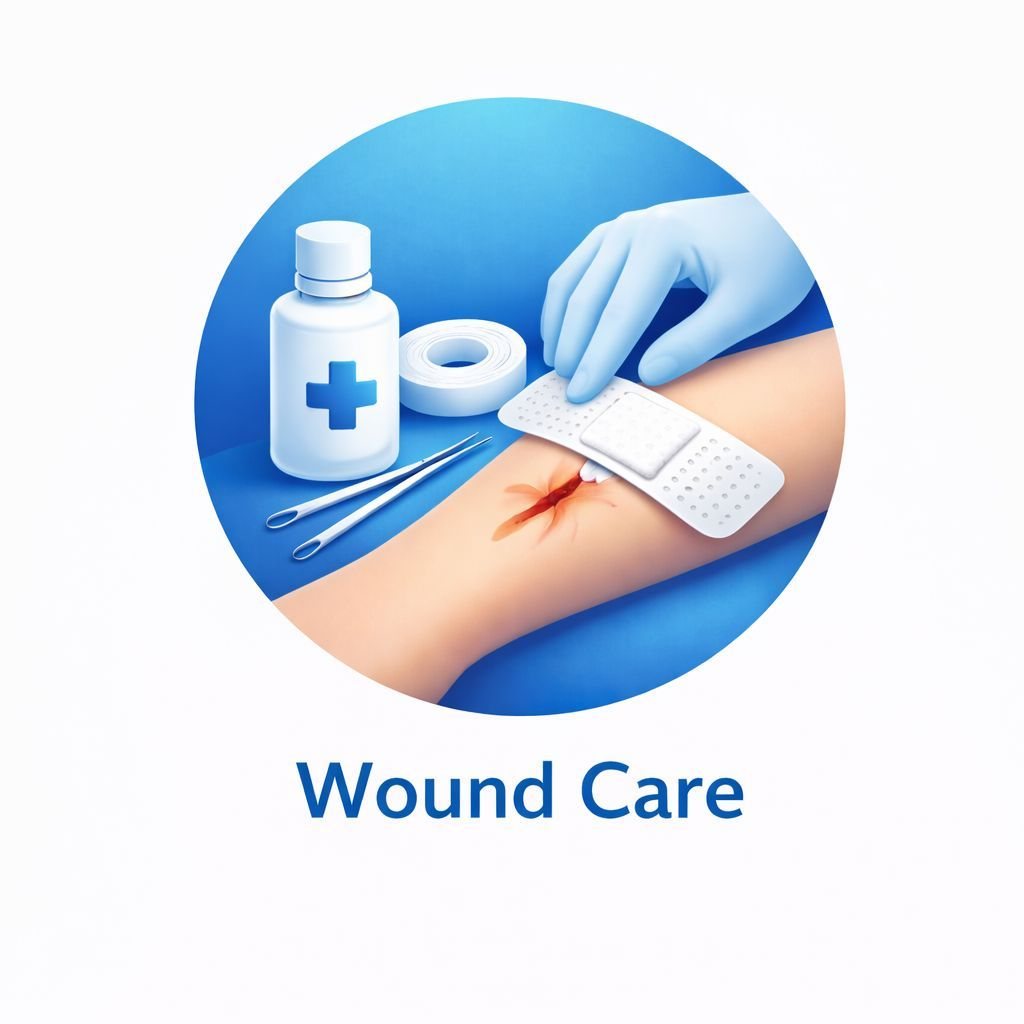
Advanced Wound Care Improves Healing
Many people recovering from surgery, injuries, diabetes, or pressure ulcers require professional wound management.
Registered nurses can:
- Assess wound progression
- Prevent infections
- Apply specialised dressings
- Monitor tissue healing
- Recognise complications early
- Coordinate treatment with GPs
Proper wound care significantly shortens healing times while lowering infection risks.
Ongoing Health Monitoring
Health conditions can change rapidly, especially among elderly individuals.
Professional nursing care includes regular monitoring of:
- Blood pressure
- Pulse
- Oxygen saturation
- Blood glucose
- Temperature
- Weight
- Pain levels
- Respiratory function
Tracking these indicators helps detect health changes before they become emergencies.
Reduced Hospital Admissions
Many avoidable hospital visits occur because health issues were not recognised early enough.
Professional nurses identify subtle symptoms that indicate worsening conditions.
Examples include:
- Fluid retention
- Infection
- Reduced oxygen levels
- Medication reactions
- Dehydration
- Nutritional deficiencies
Prompt intervention often avoids emergency hospital treatment.
Personalised Care Plans
Professional nursing care is never one size fits all.
Each patient receives an individual care plan based on:
- Medical history
- Current diagnosis
- Lifestyle
- Mobility
- Personal goals
- Family involvement
- Recovery progress
The care plan evolves as health needs change, ensuring continuous, patient centred support.
Support After Hospital Discharge
Returning home after surgery or hospital treatment can feel overwhelming.
Professional nursing care provides safe transitional support by helping patients:
- Recover comfortably
- Prevent complications
- Manage medication
- Follow rehabilitation plans
- Monitor healing
- Regain independence
This continuity of care reduces stress for both patients and families.
Specialist Care for Chronic Illness
Many long term medical conditions require regular monitoring rather than occasional assistance.
Professional nurses help manage:
Diabetes
Monitoring blood sugar, insulin administration, wound prevention, dietary education, and complication management.
Heart Disease
Monitoring blood pressure, recognising cardiac symptoms, medication management, and lifestyle guidance.
Respiratory Conditions
Managing oxygen therapy, inhalers, breathing exercises, and respiratory monitoring.
Dementia
Supporting cognitive health while monitoring physical wellbeing and behavioural changes.
Parkinson's Disease
Managing medication timing, mobility support, symptom progression, and fall prevention.
Palliative and End of Life Care
Professional nursing care provides compassionate support for individuals living with life limiting illnesses.
Services include:
- Pain management
- Symptom control
- Emotional support
- Family guidance
- Medication administration
- Comfort focused care
Receiving specialist nursing at home allows patients to remain in familiar surroundings with dignity and respect.
Infection Prevention
Professional nurses follow strict infection control procedures.
This includes:
- Hand hygiene
- Sterile dressing techniques
- Safe waste disposal
- Equipment cleaning
- Cross infection prevention
- Clinical risk assessments
These measures help protect vulnerable individuals from avoidable infections.
Supporting Family Caregivers
Family caregivers often experience physical exhaustion and emotional stress.
Professional nursing care provides valuable respite by sharing clinical responsibilities.
This enables relatives to spend quality time with loved ones instead of constantly worrying about medical care.
Professional nurses also educate family members on:
- Safe moving techniques
- Medication routines
- Nutrition
- Symptom monitoring
- Emergency response
This collaborative approach benefits everyone involved.
Improved Quality of Life
Receiving skilled nursing at home allows patients to maintain:
- Independence
- Familiar routines
- Family connections
- Emotional wellbeing
- Greater confidence
- Comfort
- Personal dignity
Research consistently shows that many patients recover more effectively in familiar home environments than prolonged hospital stays.
Professional Nursing Care Supports Mental Wellbeing
Physical health and mental health are closely connected.
Professional nurses often notice changes in mood, cognition, appetite, or behaviour that indicate emotional distress.
They can provide reassurance, involve family members, and communicate concerns with healthcare professionals when necessary.
This holistic approach supports the patient's overall wellbeing rather than focusing solely on medical treatment.
Greater Continuity of Care
Patients benefit when the same nursing team regularly visits.
Continuity allows nurses to:
- Understand personal preferences
- Recognise subtle health changes
- Build trust
- Improve communication
- Deliver more consistent treatment
Strong therapeutic relationships often lead to better patient satisfaction and improved outcomes.
When Is Professional Nursing Care the Better Choice?
Professional nursing care is generally recommended if someone has:
- Recently undergone surgery
- Multiple chronic illnesses
- Complex medication needs
- Regular wound care requirements
- Mobility issues combined with medical conditions
- Tube feeding requirements
- Catheter care needs
- Stoma management
- Oxygen therapy
- Palliative care requirements
- Frequent hospital admissions
- High risk of falls
- Progressive neurological disorders
In these situations, clinical oversight is essential for maintaining health and preventing complications.
Can Professional Nursing Care and Home Care Work Together?
Absolutely.
Many families combine both services.
For example:
A registered nurse may visit several times each week to manage medical treatment, while home carers provide daily assistance with cooking, bathing, dressing, and companionship.
This integrated model delivers comprehensive support while helping individuals remain safely at home.
Choosing the Right Home Nursing Provider
When selecting professional nursing services, consider:
Registered Healthcare Professionals
Ensure nurses are appropriately qualified and regulated.
Personalised Care
Every patient deserves an individual care plan tailored to their unique needs.
Clinical Experience
Look for providers experienced in caring for patients with complex medical conditions.
Communication
Excellent providers maintain regular communication with families, GPs, consultants, and other healthcare professionals.
Flexible Care Options
Health needs change over time, so care plans should adapt accordingly.
Compassionate Approach
Clinical excellence should always be matched by kindness, respect, dignity, and empathy.
The Growing Demand for Professional Nursing Care in the UK
The UK's ageing population and the increasing prevalence of long term health conditions have significantly changed the way healthcare is delivered. More people are choosing to receive treatment in the comfort of their own homes rather than spending extended periods in hospitals or residential care facilities. This shift has increased the demand for professional nursing care, particularly for older adults, individuals recovering from surgery, and those living with chronic illnesses.
Professional nursing care allows patients to receive high quality medical attention while maintaining their independence and familiar routines. Home based nursing services also support the NHS by reducing unnecessary hospital admissions and helping patients recover in a safe, comfortable environment.
Families are increasingly recognising that healthcare needs often go beyond basic assistance with daily tasks. Clinical expertise, regular health assessments, and personalised treatment plans play an essential role in improving outcomes and ensuring patients receive the right care at the right time.
How Professional Nursing Care Promotes Faster Recovery
Recovery from illness, injury, or surgery is rarely a straightforward process. Patients often require ongoing observation, medication management, rehabilitation support, and encouragement throughout their recovery journey.
Professional nurses understand the physical and emotional challenges that patients face after leaving hospital. They can quickly identify whether recovery is progressing as expected or whether additional medical intervention may be needed.
A professional nurse may assist with:
- Monitoring surgical wounds for signs of infection
- Managing pain effectively
- Encouraging mobility and physical rehabilitation
- Preventing complications such as pressure ulcers or blood clots
- Supporting nutritional needs during recovery
- Monitoring hydration levels
- Coordinating follow up appointments with healthcare professionals
Receiving this level of expert care at home often leads to a smoother recovery, greater patient confidence, and fewer setbacks.
The Importance of Preventative Healthcare at Home
One of the greatest advantages of professional nursing care is its focus on prevention rather than simply responding to medical problems after they occur.
Professional nurses regularly assess a patient's overall health and can detect subtle changes that may indicate an emerging issue. Early identification allows treatment to begin before the condition worsens.
Preventative nursing care may include:
- Routine health assessments
- Blood pressure monitoring
- Blood glucose monitoring
- Medication reviews
- Nutritional assessments
- Fall risk assessments
- Skin integrity checks
- Hydration monitoring
- Respiratory assessments
This proactive approach helps minimise health complications while promoting long term wellbeing.
Supporting Independence Without Compromising Safety
Many people worry that accepting nursing care means giving up their independence. In reality, professional nursing care is designed to support independence for as long as possible.
Rather than doing everything for the patient, nurses encourage individuals to participate in their own care wherever appropriate. This person centred approach helps maintain confidence, mobility, and daily living skills.
Patients are encouraged to:
- Participate in rehabilitation exercises
- Manage simple daily activities safely
- Maintain social connections
- Follow healthy lifestyle habits
- Understand their medical conditions
- Make informed healthcare decisions
Empowering patients in this way contributes to better physical and emotional wellbeing while reducing dependence on others.
The Value of Holistic Nursing Care
Professional nursing is not solely about treating medical conditions. It involves caring for the whole person, including their physical, emotional, psychological, and social wellbeing.
For example, a patient recovering from a stroke may need clinical monitoring, but they may also require emotional reassurance, encouragement to rebuild confidence, and guidance for family members adapting to new caregiving responsibilities.
Professional nurses take the time to understand each person's unique circumstances, preferences, and goals. This holistic approach ensures that care is compassionate as well as clinically effective.
Holistic nursing may involve:
- Providing emotional support during recovery
- Educating patients about their condition
- Encouraging healthy lifestyle choices
- Promoting mental wellbeing
- Working closely with family members
- Coordinating with physiotherapists, occupational therapists, and GPs
This collaborative model delivers comprehensive care that addresses every aspect of a person's health.
Choosing Professional Nursing Care Is an Investment in Better Health
While many families initially compare costs when choosing between standard home care and professional nursing care, it is equally important to consider the long term value.
Professional nursing care can help prevent avoidable medical complications, reduce emergency hospital visits, improve recovery outcomes, and enhance quality of life. These benefits often outweigh the additional cost by reducing the likelihood of expensive hospital treatment or prolonged illness.
More importantly, professional nursing care provides something that cannot easily be measured financially: peace of mind.
Knowing that a qualified healthcare professional is overseeing a loved one's health offers reassurance to families and confidence to patients. It allows individuals to remain in the comfort of their own homes while receiving safe, personalised, and evidence based clinical care.
For those with ongoing medical needs, recovering from illness, or managing complex health conditions, professional nursing care is not simply an alternative to standard home care. It is a comprehensive healthcare solution that places safety, dignity, compassion, and clinical excellence at the centre of every patient journey.
Frequently Asked Questions
Is professional nursing care more expensive than standard home care?
Professional nursing care generally costs more because it involves qualified healthcare professionals delivering clinical services. However, it may reduce hospital admissions, prevent complications, and improve recovery, making it a worthwhile investment for many families.
Can professional nurses administer medication at home?
Yes. Registered nurses are trained to administer medications safely, monitor side effects, and ensure treatment plans are followed correctly.
Is professional nursing care suitable for elderly people?
Yes. Many older adults benefit from nursing care for chronic disease management, medication support, rehabilitation, dementia care, and mobility assistance.
Do I need professional nursing care after surgery?
Many patients recovering from surgery benefit from nursing support for wound care, pain management, medication, and monitoring for complications.
Can nursing care help someone remain at home longer?
Yes. Appropriate clinical support often enables people with complex health conditions to continue living safely and independently at home for much longer.
Why More Families Are Choosing Professional Nursing Care
Healthcare is becoming increasingly personalised. Families no longer want only practical assistance. They want expert clinical care delivered with compassion, dignity, and professionalism.
Professional nursing care offers comprehensive support that addresses both immediate medical needs and long term health management. From monitoring chronic illnesses to supporting recovery after surgery, qualified nurses provide reassurance that standard home care alone cannot always offer.
For individuals living with complex medical conditions, choosing professional nursing care means receiving expert treatment without sacrificing the comfort, familiarity, and independence of home. It empowers patients to recover safely, manage ongoing health concerns effectively, and enjoy a better quality of life while giving families confidence that their loved one is receiving skilled, compassionate care every step of the way.