Are emergency nursing services available in the UK?
Are Emergency Nursing Services Available in the UK?
When a medical emergency happens, getting the right care quickly can make a significant difference to a person's recovery. Many people searching online ask, "Are emergency nursing services available in the UK?" The answer is yes. The UK has a well established network of emergency nursing services delivered through the NHS, ambulance services, emergency departments, urgent treatment centres, community healthcare teams, and qualified private nursing providers.
Emergency nurses play an essential role in assessing, treating and supporting patients experiencing sudden illnesses or injuries. They work in hospitals, communities, care homes and, in some cases, patients' own homes. Their expertise helps ensure patients receive timely care while easing pressure on the wider healthcare system.
If you or your loved one needs professional nursing support outside a hospital setting, trusted providers such as
Nurse Agnes offer compassionate, high quality nursing care tailored to individual needs. Learn more about their services by visiting https://www.nurseagnes.co.uk/.
This guide explains everything you need to know about emergency
nursing services in the UK, including how they work, who provides them, when to access them and what options are available for patients and families.
Quick Answer
Yes, emergency nursing services are available throughout the UK. These services are provided by NHS hospitals, Accident and Emergency departments, urgent treatment centres, ambulance services, community nursing teams and regulated private healthcare providers. Emergency nurses are specially trained to assess patients, deliver urgent treatment, coordinate care and support recovery during medical emergencies.
Understanding Emergency Nursing Services
Emergency nursing involves the rapid assessment, treatment and ongoing management of patients experiencing urgent or life threatening medical conditions. Unlike routine nursing care, emergency nursing focuses on situations where immediate clinical judgement and intervention are required.
Emergency nurses work with patients of all ages, from children and adults to elderly individuals with complex health conditions.
Their responsibilities often include:
- Assessing patient symptoms
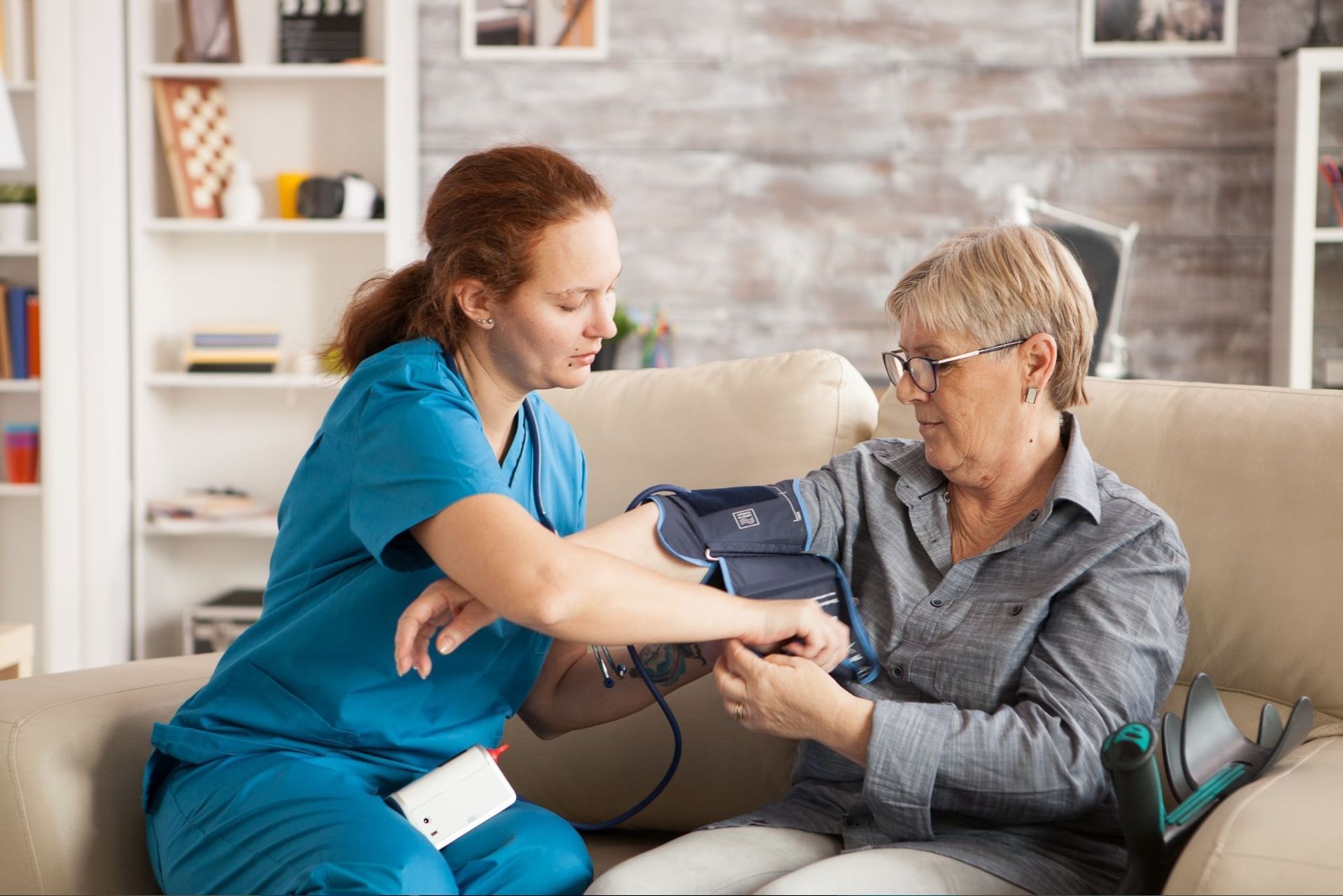
- Monitoring vital signs
- Administering emergency medication
- Providing wound care
- Managing pain
- Supporting trauma patients
- Assisting with resuscitation
- Coordinating with doctors and specialists
- Educating patients and families
- Preparing patients for admission or discharge
Their work requires excellent clinical knowledge, fast decision making and strong communication skills.
Where Are Emergency Nursing Services Available?
Emergency nursing is available across many healthcare settings throughout the UK.
NHS Accident and Emergency Departments
Hospital Accident and Emergency departments provide immediate care for serious injuries and illnesses. Emergency nurses are usually the first healthcare professionals patients encounter.
They assess the urgency of each patient's condition through a process known as triage. This helps prioritise those requiring immediate treatment while ensuring everyone receives appropriate care.
Ambulance Services
Paramedics and emergency nurses often work together during emergency call outs.
Patients experiencing severe breathing difficulties, chest pain, strokes, major injuries or unconsciousness receive immediate clinical care before arriving at hospital.
Urgent Treatment Centres
Urgent Treatment Centres treat medical conditions that require prompt attention but are not considered life threatening.
Emergency nurses working in these centres manage conditions such as:
- Minor fractures
- Burns
- Cuts requiring stitches
- Sprains
- Minor infections
- Eye injuries
- Fever assessment
- Minor head injuries
These centres help reduce pressure on busy emergency departments.
Community Nursing Teams
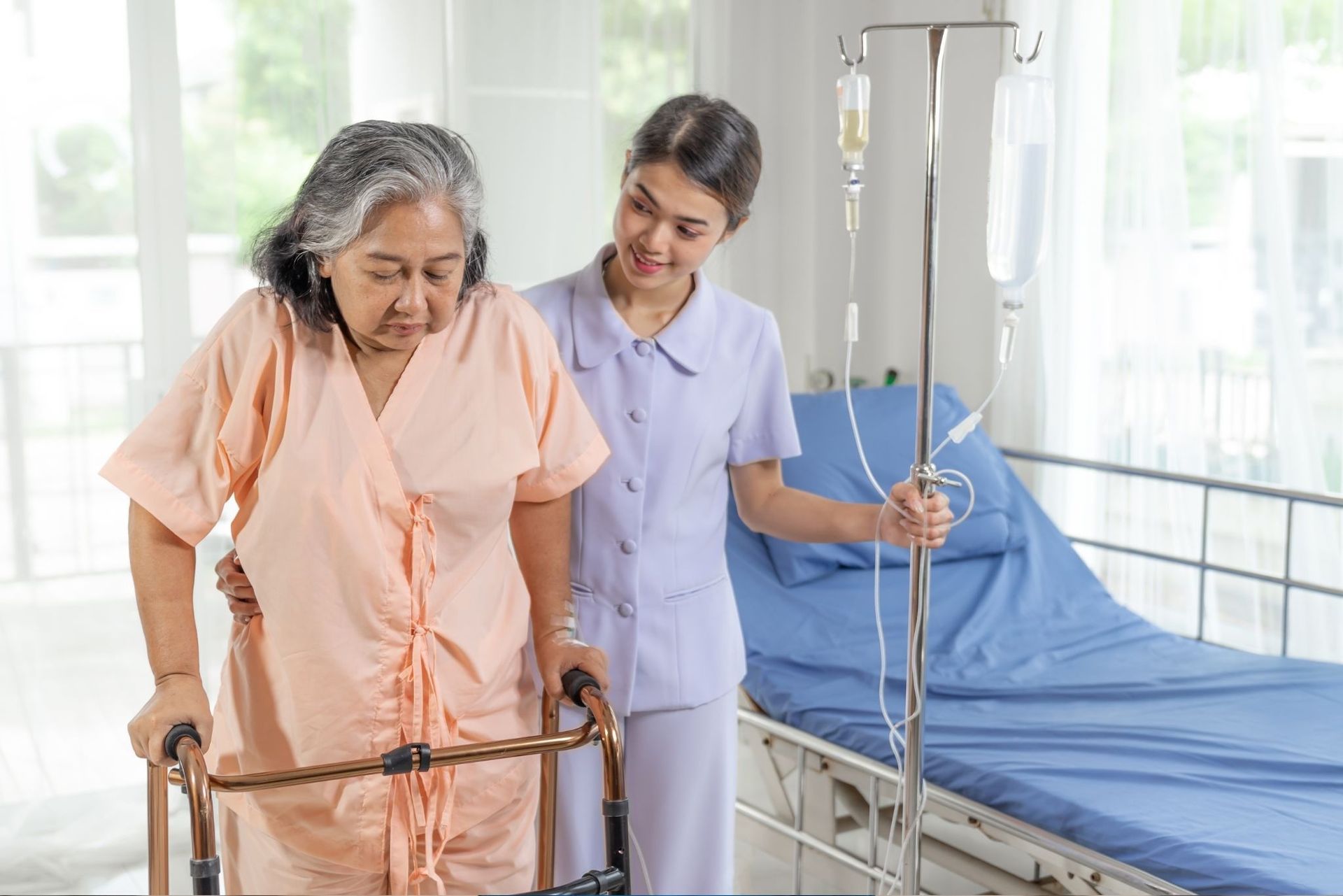
Community nurses provide urgent nursing care for vulnerable patients in their own homes.
This may include:
- Catheter complications
- Wound infections
- Medication administration
- End of life care
- Acute symptom management
- Chronic illness support
Community emergency nursing helps patients avoid unnecessary hospital admissions whenever possible.
Private Nursing Providers
Private nursing organisations also offer urgent nursing support, particularly for patients recovering after surgery, elderly individuals, people with disabilities and those requiring specialist home healthcare.
Depending on the patient's condition, private emergency nursing may involve rapid assessments, medication support, wound care, monitoring or clinical advice delivered at home.
What Do Emergency Nurses Actually Do?
Emergency nurses perform a wide variety of clinical duties that extend far beyond first aid.
Rapid Patient Assessment
One of their primary responsibilities is quickly determining how serious a patient's condition is.
This involves assessing:
- Airway
- Breathing
- Circulation
- Consciousness
- Pain levels
- Medical history
- Current symptoms
Their assessment guides the next stages of treatment.
Immediate Treatment
Emergency nurses can begin treatment before a doctor becomes available.
This may include:
- Oxygen therapy
- Intravenous fluids
- Pain relief
- Blood tests
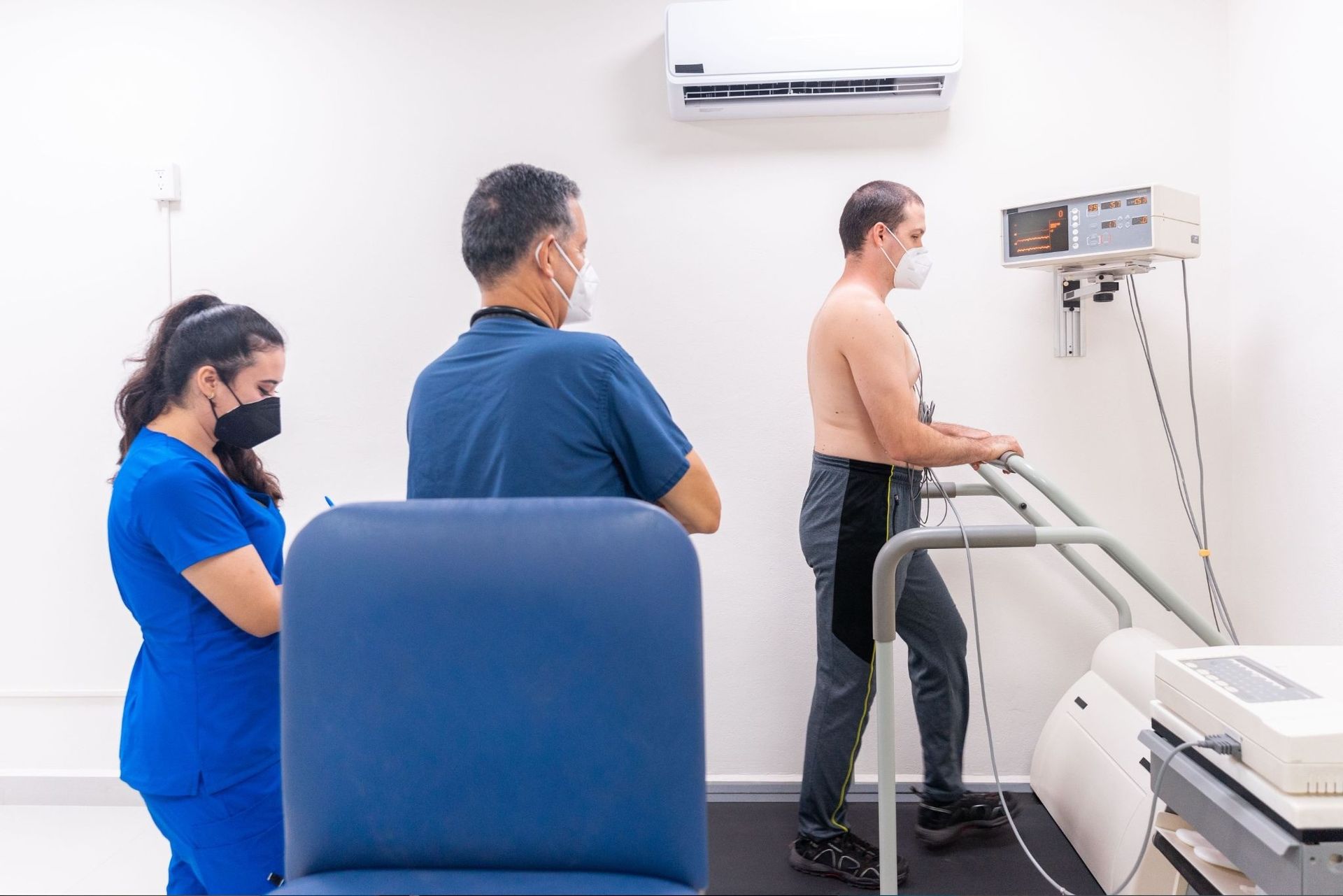
- ECG monitoring
- Wound cleaning
- Infection control
- Medication administration
Prompt intervention often improves patient outcomes.
Continuous Monitoring
Patients in emergency care require regular observation.
Emergency nurses monitor:
- Heart rate
- Blood pressure
- Oxygen saturation
- Temperature
- Respiratory rate
- Neurological condition
Any deterioration is quickly escalated to senior clinicians.
Emotional Support
Medical emergencies affect entire families.
Emergency nurses provide reassurance, explain treatments and help relatives understand what is happening during stressful situations.
This compassionate approach forms an important part of quality patient care.
Conditions Commonly Treated by Emergency Nurses
Emergency nursing services manage a wide range of medical conditions.
These include:
Cardiac Emergencies
Patients experiencing chest pain, suspected heart attacks or irregular heart rhythms require immediate assessment and treatment.
Stroke Symptoms
Fast intervention significantly improves stroke outcomes.
Emergency nurses recognise symptoms quickly and coordinate urgent specialist care.
Severe Breathing Difficulties
Asthma attacks, allergic reactions and respiratory infections often require emergency nursing intervention.
Serious Infections
Conditions such as sepsis require urgent recognition and rapid treatment.
Emergency nurses are trained to identify warning signs early.
Trauma and Injuries
These include:
- Road traffic accidents
- Falls
- Fractures
- Head injuries
- Burns
- Deep wounds
- Crush injuries
Sudden Medical Illness
Patients may present with:
- Severe abdominal pain
- Diabetic emergencies
- Seizures
- Poisoning
- Overdose
- Collapse
- Loss of consciousness
Emergency nurses help stabilise these patients before further treatment.
Who Can Access Emergency Nursing Services?
Emergency nursing care is available to everyone requiring urgent medical attention.
Patients include:
- Children
- Adults
- Older people
- Individuals with disabilities
- People living with chronic illnesses
- Patients receiving palliative care
- Visitors requiring emergency healthcare
Access depends on the urgency of the medical condition rather than age or background.
How Emergency Nurses Support the NHS
Emergency nurses play a vital role in maintaining the efficiency of the NHS.
Their expertise helps:
- Reduce waiting times
- Improve patient flow
- Deliver early treatment
- Prevent unnecessary complications
- Coordinate multidisciplinary care
- Support hospital discharge planning
Their contribution is particularly valuable during periods of high demand such as winter illness seasons or public health emergencies.
Are Emergency Nursing Services Available at Home?
Many people assume emergency nursing only exists within hospitals.
In reality, home based emergency nursing is becoming increasingly important across the UK.
Certain patients benefit from receiving urgent nursing care without travelling to hospital.
Examples include:
- Recently discharged surgical patients
- Elderly individuals
- Patients with mobility challenges
- People receiving palliative care
- Patients managing long term medical conditions
Home nursing can improve comfort while reducing unnecessary hospital admissions.
When Should You Seek Emergency Nursing Services?
Recognising when emergency nursing care is needed can help prevent complications and ensure timely treatment. While not every illness requires a visit to Accident and Emergency, certain symptoms should never be ignored.
You should seek emergency medical assistance immediately if someone experiences:
- Severe chest pain
- Sudden difficulty breathing
- Loss of consciousness
- Signs of a stroke, such as facial drooping, arm weakness or speech difficulties
- Heavy bleeding that cannot be controlled
- Serious burns
- Major head injuries
- Seizures lasting longer than usual
- Severe allergic reactions
- Suspected sepsis
- Broken bones with significant deformity
- Serious road traffic or workplace injuries
In these situations, emergency nurses work alongside doctors, paramedics and other healthcare professionals to provide rapid assessment and life saving treatment.
What Is the Difference Between Emergency and Urgent Nursing Care?
Many people confuse emergency care with urgent care. Although both involve prompt medical attention, they are designed for different situations.
Emergency Nursing Care
Emergency nursing focuses on conditions that are potentially life threatening or could become life threatening without immediate treatment.
Examples include:
- Heart attacks
- Strokes
- Severe breathing problems
- Major trauma
- Uncontrolled bleeding
- Serious infections
- Cardiac arrest
Urgent Nursing Care
Urgent nursing addresses medical conditions that require treatment on the same day but are not immediately life threatening.
Examples include:
- Minor fractures
- Cuts requiring stitches
- Minor burns
- Ear infections
- Urinary tract infections
- Sprains
- Mild asthma flare ups
- Skin infections
Understanding this difference helps patients choose the most appropriate healthcare service while reducing unnecessary pressure on emergency departments.
How Emergency Nurses Assess Patients
One of the first responsibilities of an emergency nurse is triage.
Triage is a structured clinical assessment that determines how quickly a patient needs treatment based on the severity of their condition.
During triage, the nurse may assess:
- Heart rate
- Blood pressure
- Oxygen levels
- Temperature
- Breathing pattern
- Pain severity
- Level of consciousness
- Existing medical conditions
- Current medications
- Allergies
This process ensures that patients with life threatening conditions receive treatment first, while those with less serious illnesses are still cared for appropriately.
Skills That Make Emergency Nurses Essential
Emergency nursing is one of the most demanding areas of healthcare. Nurses must combine advanced clinical knowledge with the ability to make quick decisions under pressure.
Important skills include:
Clinical Decision Making
Emergency nurses often make rapid assessments before a doctor becomes available. Their ability to identify serious illness early can significantly improve patient outcomes.
Critical Thinking
Patients do not always present with obvious symptoms. Emergency nurses analyse clinical information, recognise patterns and respond quickly to changes in a patient's condition.
Communication
Clear communication is vital when coordinating with ambulance crews, doctors, specialists, patients and family members.
Emergency nurses also explain procedures, treatment plans and aftercare instructions in language patients can understand.
Compassion
Medical emergencies are frightening experiences.
Providing reassurance, empathy and emotional support helps patients feel more confident and reduces anxiety during treatment.
Teamwork
Emergency departments rely on close collaboration between healthcare professionals.
Emergency nurses work alongside:
- Consultants
- Junior doctors
- Surgeons
- Paramedics
- Radiographers
- Pharmacists
- Physiotherapists
- Healthcare assistants
This multidisciplinary approach ensures patients receive comprehensive care.
Emergency Nursing Services for Older Adults
Older adults often have more complex healthcare needs during emergencies.
Many elderly patients have multiple long term conditions, making careful assessment especially important.
Emergency nurses commonly assist older patients experiencing:
- Falls
- Fractures
- Dehydration
- Confusion
- Chest infections
- Heart failure
- Medication complications
- Urinary infections
- Reduced mobility
They also consider wider factors such as safeguarding, mental capacity and discharge planning to ensure patients receive appropriate ongoing support.
Emergency Nursing for Children
Children require specialist emergency nursing because their medical needs differ significantly from adults.
Paediatric emergency nurses understand how illnesses and injuries affect children at different stages of development.
Common childhood emergencies include:
- High fevers
- Breathing difficulties
- Asthma attacks
- Allergic reactions
- Head injuries
- Dehydration
- Seizures
- Broken bones
Nurses also support parents by explaining treatments and helping children remain calm throughout their care.
Emergency Nursing and Mental Health Crises
Mental health emergencies are an important part of emergency nursing across the UK.
Emergency nurses regularly care for patients experiencing:
- Severe anxiety attacks
- Suicidal thoughts
- Self harm
- Acute psychosis
- Drug or alcohol related crises
- Severe depression
- Behavioural emergencies
These patients often require a combination of physical assessment, emotional support and referral to specialist mental health teams.
Providing compassionate, non judgemental care is essential.
Can Emergency Nursing Help Prevent Hospital Admissions?
Yes. One of the growing priorities within UK healthcare is preventing avoidable hospital admissions whenever it is safe to do so.
Community emergency nursing teams and private nursing providers can often manage conditions at home through:
- Clinical monitoring
- Medication administration
- Wound care
- Catheter management
- Intravenous therapy
- Infection monitoring
- Chronic disease support
This approach allows patients to remain in familiar surroundings while continuing to receive professional nursing care.
It also reduces pressure on NHS hospitals and helps improve patient satisfaction.
Private Emergency Nursing Services in the UK
While the NHS remains the cornerstone of emergency healthcare, private nursing services provide valuable additional support.
Private emergency nursing may be suitable for people who:
- Require rapid nursing visits at home
- Need post hospital recovery support
- Prefer one to one nursing care
- Have complex medical conditions
- Require specialist wound management
- Need medication supervision
- Require palliative or end of life nursing
Private nursing should complement, rather than replace, emergency NHS services for life threatening situations.
Choosing an experienced, regulated nursing provider ensures patients receive safe, professional and compassionate care.
Benefits of Home Based Emergency Nursing
Receiving nursing care at home offers several advantages for appropriate patients.
These include:
Greater Comfort
Patients often recover better in familiar surroundings where they feel safe and relaxed.
Reduced Infection Risk
Avoiding unnecessary hospital stays may reduce exposure to healthcare associated infections.
Personalised Care
Home nursing provides one to one attention based on each patient's individual needs and preferences.
Family Involvement
Relatives can remain closely involved in the patient's care and communicate directly with the nurse.
Better Recovery
Many patients experience improved confidence and independence while recovering in their own homes.
The Future of Emergency Nursing in the UK
Emergency nursing continues to evolve in response to changing healthcare demands.
Growing populations, longer life expectancy and increasing numbers of people living with long term conditions have expanded the role of emergency nurses.
Modern emergency nursing increasingly includes:
- Digital health technologies
- Virtual clinical assessments
- Community based urgent care
- Advanced nurse practitioners
- Remote patient monitoring
- Integrated multidisciplinary care
- Faster hospital discharge pathways
These developments aim to improve access to urgent healthcare while delivering better outcomes for patients across the UK.