What medical services are included in home nursing care?
What Medical Services Are Included in Home Nursing Care?
As healthcare needs continue to evolve, more individuals and families across the UK are choosing home nursing care as a practical and compassionate alternative to prolonged hospital stays or residential care facilities. Whether supporting older adults, individuals recovering from surgery, people living with chronic illnesses, or those requiring specialist medical attention, home nursing care provides professional healthcare services within the comfort and familiarity of a person's own home.
Understanding exactly what medical services are included in home nursing care can help families make informed decisions about the level of support required. Home nursing is much more than assistance with daily activities. It involves qualified healthcare professionals delivering clinical care, monitoring health conditions, administering treatments, and working closely with patients, families, and healthcare providers to ensure the best possible outcomes.
For those seeking trusted and
professional home nursing support in the UK, services provided by experienced healthcare professionals such as those available through Nurse Agnes can help individuals receive high-quality medical care while maintaining their independence and dignity at home.
Understanding Home Nursing Care
Home nursing care refers to medical and clinical services delivered by registered nurses and trained healthcare professionals in a patient's home. Unlike standard domiciliary care, which focuses primarily on personal care and household assistance, home nursing involves healthcare interventions that require
professional medical knowledge and clinical expertise.
The primary goal is to ensure patients receive the same high standard of medical attention they would expect in a healthcare setting while benefiting from the comfort and emotional wellbeing associated with remaining at home.
Home nursing services can be provided on a short-term, long-term, temporary, or ongoing basis depending on individual healthcare requirements.
Comprehensive Health Assessments
One of the most important medical services included in home nursing care is a thorough health assessment.
A qualified nurse evaluates:
- Current health conditions
- Medical history
- Medication requirements
- Mobility levels
- Nutritional needs
- Pain management concerns
- Risk factors for complications
- Mental and emotional wellbeing
These assessments form the foundation of a personalised care plan designed to address the patient's specific needs. Regular reassessments ensure that care remains effective as health conditions change over time.
Medication Management and Administration
Medication management is among the most commonly requested home nursing services.
Many patients, particularly older adults and those with multiple health conditions, take several medications daily. Incorrect medication usage can lead to serious complications.
Home nurses assist with:
- Administering prescribed medications
- Monitoring medication effectiveness
- Managing dosage schedules
- Preventing missed medications
- Identifying potential side effects
- Coordinating with GPs and pharmacists
- Educating patients about medication usage
This service significantly reduces the risk of medication errors while ensuring optimal treatment outcomes.
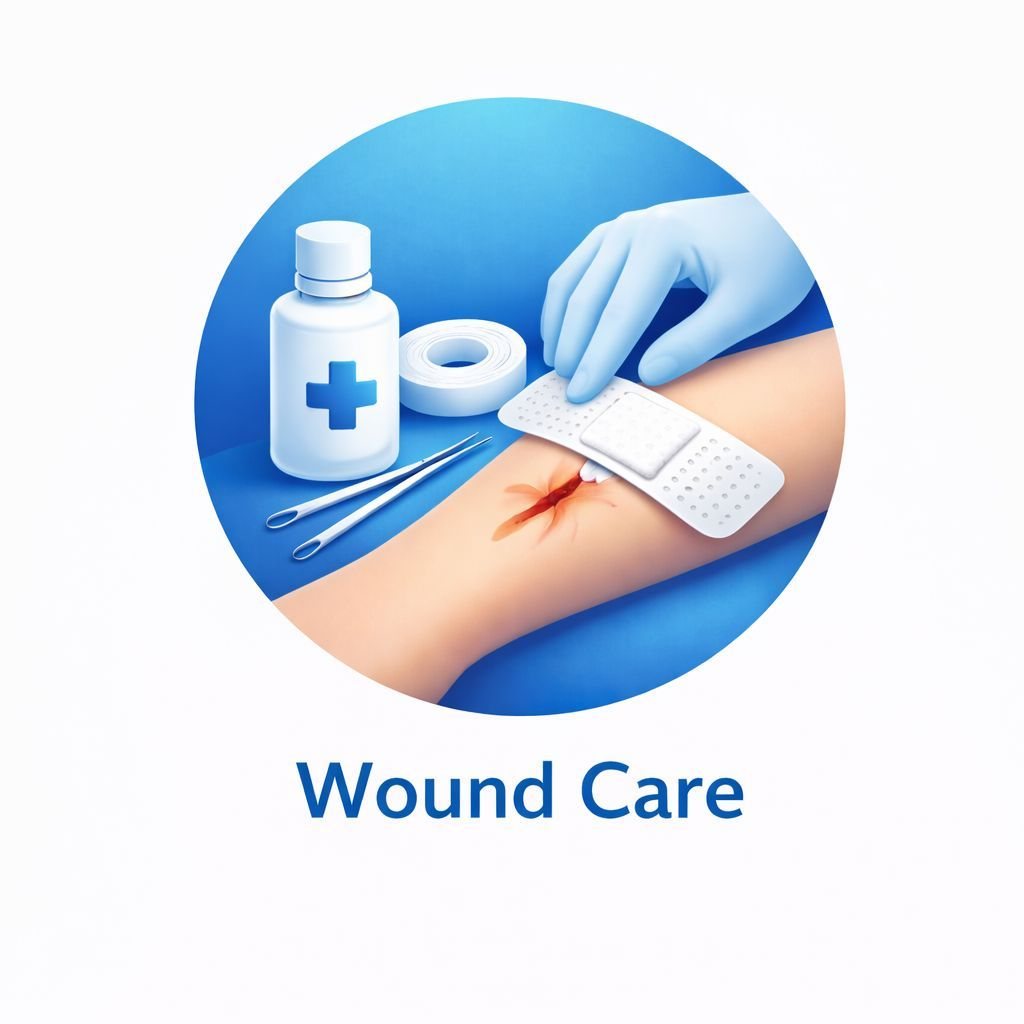
Wound Care and Dressing Changes
Professional wound care is a critical component of home nursing services.
Patients recovering from surgery, injuries, pressure ulcers, diabetic ulcers, or chronic wounds often require ongoing wound management to prevent infection and promote healing.
Home nurses provide:
- Wound assessments
- Dressing changes
- Infection monitoring
- Pressure sore management
- Surgical wound care
- Skin integrity assessments
- Documentation of healing progress
Proper wound management delivered by trained professionals can speed recovery and reduce the likelihood of complications requiring hospital treatment.
Post Surgical Care at Home
Many patients are discharged from hospital earlier than in previous years. As a result, post-operative nursing care at home has become increasingly important.
Home nurses support recovery after procedures such as:
- Orthopaedic surgery
- Cardiac surgery
- Abdominal surgery
- Cosmetic procedures
- Cancer-related surgery
- Joint replacements
Post-surgical nursing services may include:
- Monitoring vital signs
- Managing surgical wounds
- Pain control support
- Medication administration
- Mobility assistance
- Recovery monitoring
- Identification of complications
Receiving professional post-operative care at home often contributes to a smoother and more comfortable recovery process.
Chronic Disease Management
Many individuals live with long-term health conditions that require ongoing monitoring and clinical support.
Home nursing services commonly assist patients managing:
- Diabetes
- Heart disease
- Chronic obstructive pulmonary disease (COPD)
- Parkinson's disease
- Multiple sclerosis
- Kidney disease
- Arthritis
- Stroke recovery
- Hypertension
Nurses help monitor symptoms, assess disease progression, provide education, and coordinate with healthcare providers to improve disease management and quality of life.
Diabetes Care and Blood Glucose Monitoring
Diabetes management is a specialised service frequently included in home nursing care.
Home nurses provide support with:
- Blood glucose monitoring
- Insulin administration
- Diabetes education
- Dietary guidance
- Foot health assessments
- Monitoring for complications
- Medication compliance
Effective diabetes management helps reduce the risk of serious complications such as cardiovascular disease, kidney problems, and nerve damage.
Catheter Care and Continence Management
Individuals requiring urinary catheters often need skilled nursing support to prevent infections and ensure comfort.
Home nursing services may include:
- Catheter insertion and replacement
- Catheter maintenance
- Infection prevention
- Monitoring urinary output
- Continence assessments
- Bladder management support
Professional catheter care helps maintain patient comfort and significantly reduces infection risks.
Stoma Care Services
Patients living with a stoma require specialised nursing support, particularly during the adjustment period following surgery.
Home nurses assist with:
- Stoma assessment
- Appliance changes
- Skin care around the stoma
- Education for patients and families
- Troubleshooting complications
- Monitoring for infection
This support enables patients to regain confidence and maintain independence while managing their condition effectively.
Intravenous Therapy and Injection Services
Certain medical treatments require intravenous administration or regular injections.
Depending on clinical requirements, home nursing services may include:
- IV medication administration
- Antibiotic therapy
- Hydration therapy
- Vitamin infusions
- Injection administration
- Monitoring treatment responses
Receiving these services at home can reduce the need for frequent hospital visits while maintaining continuity of care.
Palliative Care and End of Life Nursing
One of the most valued aspects of home nursing care is the ability to support individuals with life-limiting illnesses in familiar surroundings.
Palliative and end of life nursing focuses on:
- Pain management
- Symptom control
- Emotional support
- Family guidance
- Comfort-focused care
- Coordination with hospice services
- Dignity and quality of life
Many families find comfort in knowing their loved ones can remain at home while receiving compassionate professional support during this important stage of life.
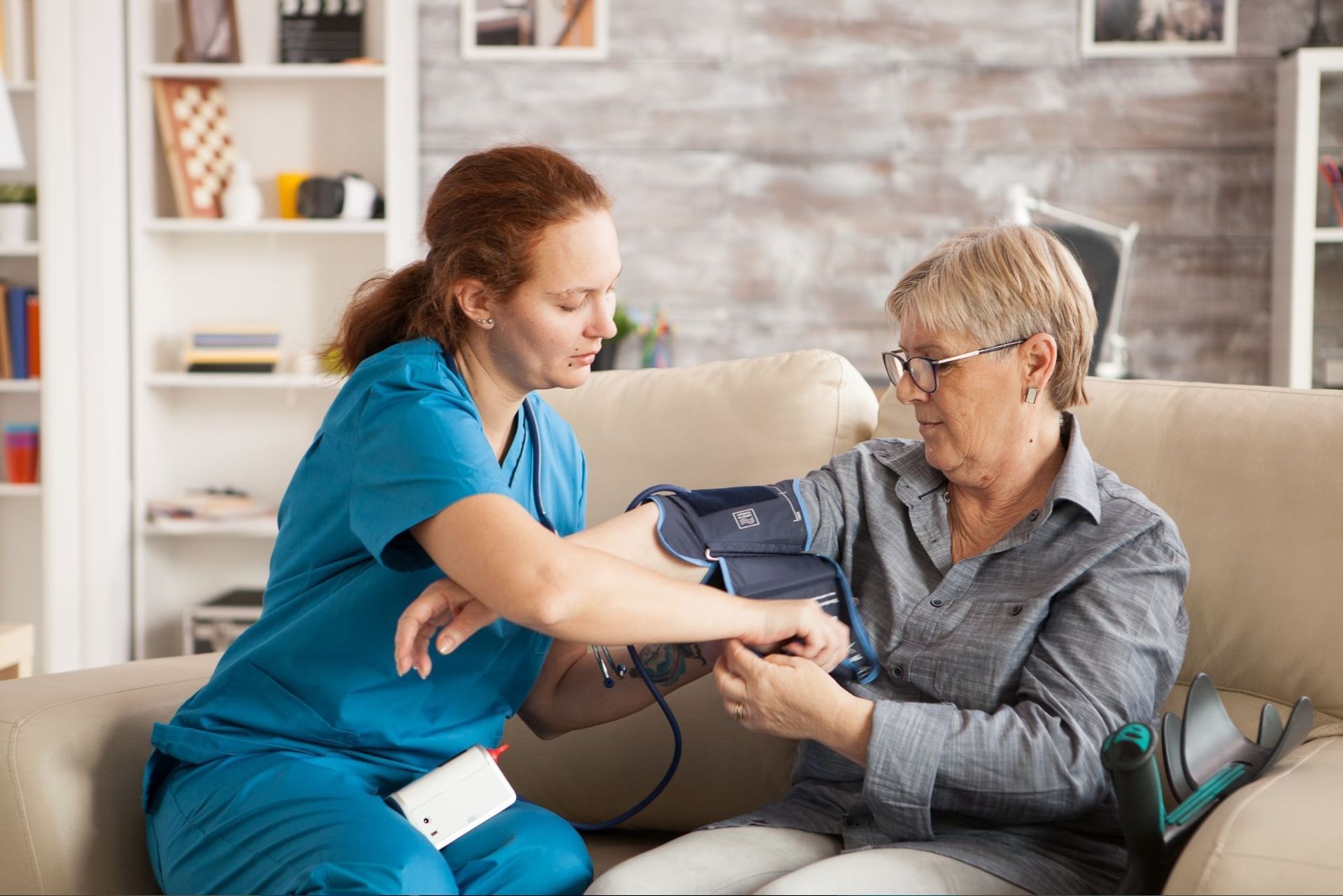
Vital Signs Monitoring
Regular monitoring of vital signs helps detect potential health concerns before they become serious.
Home nurses routinely assess:
- Blood pressure
- Heart rate
- Respiratory rate
- Oxygen saturation
- Temperature
- Weight changes
Ongoing monitoring is especially important for patients with chronic illnesses, recent surgery, or complex healthcare needs.
Respiratory Care Services
Respiratory conditions often require specialist nursing support.
Home nursing care may include:
- Oxygen therapy management
- Nebuliser administration
- Respiratory assessments
- COPD support
- Asthma monitoring
- Breathing exercise guidance
- Airway clearance techniques
These services help patients manage symptoms effectively while reducing the risk of respiratory complications.
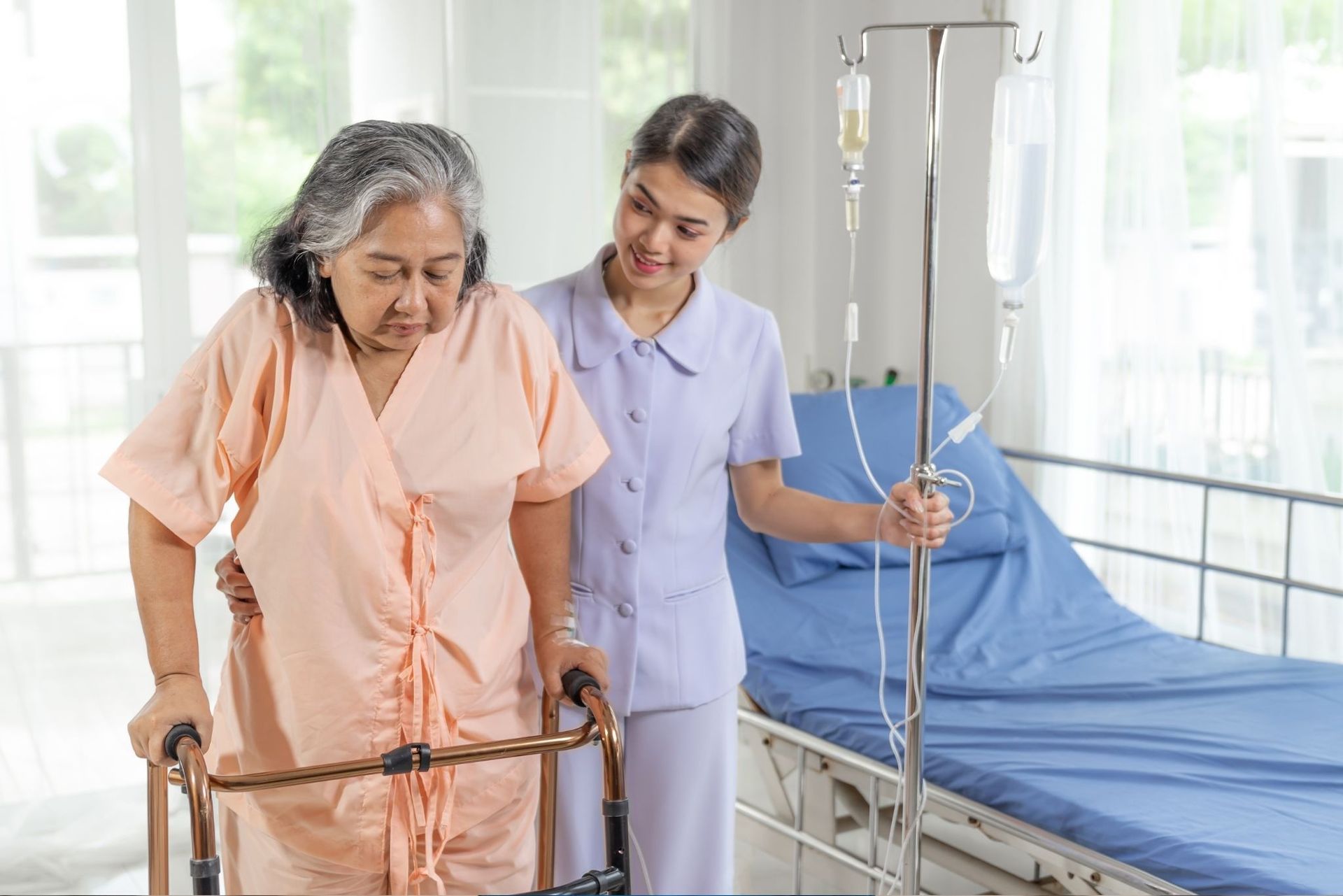
Mobility Support and Rehabilitation
Home nurses frequently assist individuals recovering from illness, injury, or surgery.
Rehabilitation support may involve:
- Mobility assessments
- Safe transfer techniques
- Fall prevention strategies
- Exercise programmes
- Strength-building activities
- Coordination with physiotherapists
Maintaining mobility is crucial for preserving independence and improving overall health outcomes.
Neurological Care at Home
Individuals living with neurological conditions often benefit significantly from specialist home nursing services.
Conditions commonly supported include:
- Parkinson's disease
- Motor neurone disease
- Multiple sclerosis
- Stroke recovery
- Dementia
- Huntington's disease
Home nurses monitor symptoms, assist with treatment plans, and provide ongoing support tailored to the patient's changing needs.
Dementia and Cognitive Support
People living with dementia often require both clinical and emotional support.
Home nursing care may include:
- Cognitive assessments
- Behaviour monitoring
- Medication management
- Safety assessments
- Family education
- Routine health monitoring
Professional nursing support helps maintain quality of life while supporting families managing complex care responsibilities.
Pain Management Services
Pain can significantly impact physical and emotional wellbeing.
Home nurses play a key role in:
- Assessing pain levels
- Monitoring pain medications
- Identifying pain triggers
- Coordinating treatment adjustments
- Providing comfort measures
Effective pain management supports recovery, mobility, and overall quality of life.
Nutritional Support and Hydration Monitoring
Nutrition is a critical aspect of healthcare that is often overlooked.
Home nursing services may include:
- Nutritional assessments
- Weight monitoring
- Hydration management
- Feeding support
- Enteral feeding assistance
- Dietary education
Proper nutrition supports healing, immune function, and long-term health maintenance.
Family Education and Caregiver Support
Home nursing extends beyond direct patient care.
Nurses also provide valuable guidance to family members and informal caregivers.
Support often includes:
- Training on medical procedures
- Medication education
- Infection prevention advice
- Emergency response guidance
- Disease-specific education
- Emotional support
Empowered caregivers are better equipped to contribute positively to the patient's wellbeing.
Care Coordination and Communication
Home nurses frequently act as a bridge between patients and healthcare providers.
This may involve communication with:
- General practitioners
- Hospital consultants
- Physiotherapists
- Occupational therapists
- Pharmacists
- Community healthcare teams
Effective care coordination ensures treatment plans remain consistent and responsive to changing needs.
Benefits of Medical Home Nursing Care
The growing popularity of home nursing care can be attributed to several important benefits:
Personalised Care
Every care plan is tailored to individual needs, preferences, and health goals.
Greater Comfort
Patients often feel more relaxed and secure in familiar surroundings.
Reduced Hospital Admissions
Regular monitoring helps identify concerns early and may prevent unnecessary hospital visits.
Improved Independence
Many individuals can continue living independently for longer with professional nursing support.
Family Involvement
Home care encourages family participation while providing professional oversight and reassurance.
Enhanced Quality of Life
Receiving healthcare at home can improve emotional wellbeing, dignity, and overall satisfaction with care.
Who Can Benefit from Home Nursing Services?
Home nursing care is suitable for a wide range of individuals, including:
- Older adults requiring clinical support
- Patients recovering after surgery
- Individuals managing chronic illnesses
- People with disabilities
- Patients receiving palliative care
- Individuals requiring complex medical treatments
- People living with neurological conditions
- Patients transitioning from hospital to home
The flexibility of home nursing services allows care plans to be adapted according to evolving healthcare needs.
How Home Nursing Care Supports Hospital Discharge and Recovery
One of the fastest-growing areas of healthcare in the UK is hospital-to-home nursing support. Healthcare providers increasingly recognise that many patients recover better in familiar surroundings when appropriate medical supervision is available.
After a hospital stay, patients often face challenges such as reduced mobility, medication changes, wound management needs, and ongoing monitoring requirements. Home nursing services help bridge the gap between hospital treatment and complete recovery.
A home nurse can create a structured recovery plan that includes:
- Clinical assessments
- Medication reviews
- Wound monitoring
- Pain management
- Mobility support
- Nutritional guidance
- Prevention of complications
This continuity of care can help reduce hospital readmissions and improve patient confidence during recovery.
For older adults in particular, recovering at home often promotes emotional wellbeing and reduces the stress associated with long hospital stays.
The Role of Technology in Modern Home Nursing Care
Modern home nursing care has evolved significantly thanks to advances in healthcare technology. Nurses now have access to a variety of tools that allow them to monitor patient health more effectively while keeping healthcare professionals informed.
Examples of technology used in home nursing include:
- Digital blood pressure monitors
- Blood glucose monitoring devices
- Pulse oximeters
- Electronic care records
- Telehealth consultations
- Remote patient monitoring systems
These technologies enable nurses to track health indicators in real time and identify potential concerns before they become serious medical issues.
Remote monitoring is particularly valuable for patients living with chronic conditions such as heart disease, diabetes, and respiratory illnesses. It allows healthcare teams to intervene promptly when changes in a patient's condition occur.
Preventative Healthcare Through Home Nursing
Home nursing care is not solely focused on treating existing conditions. It also plays an important role in preventative healthcare.
Regular nursing visits can help identify early warning signs of health problems that might otherwise go unnoticed.
Preventative services may include:
- Monitoring blood pressure levels
- Assessing fall risks
- Checking skin condition
- Reviewing medication effectiveness
- Monitoring nutritional status
- Identifying signs of infection
- Assessing mental wellbeing
Early intervention often leads to better health outcomes and can prevent minor concerns from developing into serious medical conditions.
Preventative care is especially beneficial for elderly individuals who may be managing multiple health conditions simultaneously.
Choosing the Right Home Nursing Provider
Selecting the right home nursing provider is one of the most important decisions a family can make. The quality of care directly affects patient safety, comfort, and overall wellbeing.
When evaluating home nursing services, families should consider factors such as:
- Professional qualifications and registrations
- Experience with specific medical conditions
- Personalised care planning
- Availability of specialist nursing services
- Communication with family members
- Emergency response procedures
- Reputation and client reviews
A reputable provider will conduct a thorough assessment before creating a customised care plan. They should also work collaboratively with GPs, consultants, and other healthcare professionals to ensure seamless care delivery.
The best home nursing services combine clinical excellence with compassion, helping patients feel respected, valued, and supported throughout their healthcare journey.
As demand for personalised healthcare continues to grow across the UK, professional home nursing remains an essential solution for individuals seeking high-quality medical care without leaving the comfort and security of their own homes.
Final Thoughts
Home nursing care encompasses a broad range of medical services designed to support health, recovery, independence, and quality of life. From medication administration and wound care to chronic disease management, palliative support, rehabilitation, and specialist clinical services, professional home nurses play a vital role in modern healthcare delivery.
As more people seek personalised healthcare solutions outside traditional hospital environments, home nursing continues to provide a safe, effective, and compassionate alternative. By receiving expert medical care within familiar surroundings, patients can benefit from greater comfort, improved wellbeing, and enhanced continuity of care.
Understanding what medical services are included in home nursing care helps families make informed decisions and ensures loved ones receive the appropriate level of professional support needed to live safely and comfortably at home.