Can home nurses administer injections?
Can Home Nurses Administer Injections? A Complete UK Guide
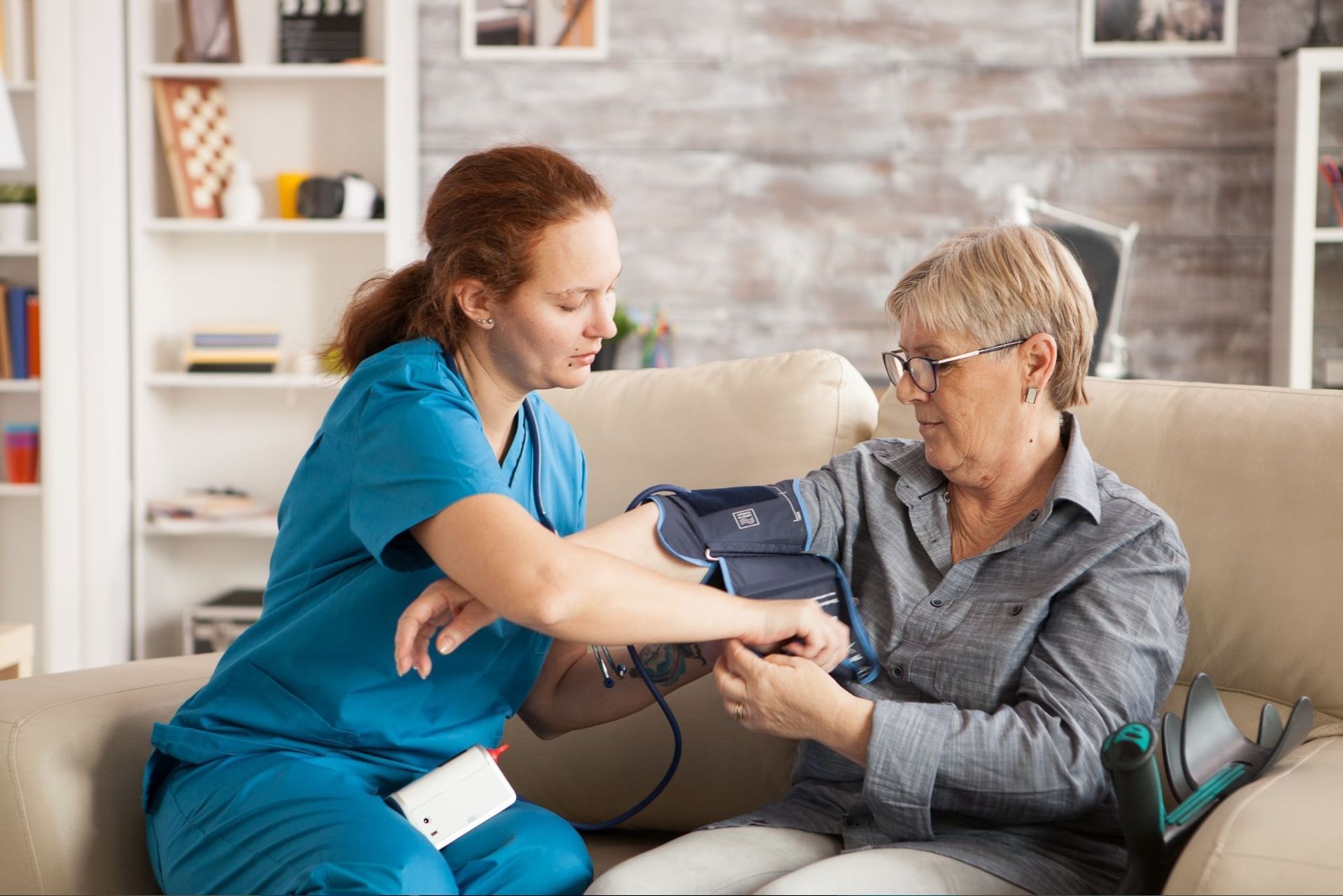
If you or a loved one has been prescribed injectable medication, you may be wondering: Can home nurses administer injections? The simple answer is yes. In the United Kingdom, qualified home nurses can safely and legally administer many types of injections in a patient's home, provided they are appropriately trained, registered, and working within their professional scope of practice.
Home nursing services have become an increasingly popular option for people who want professional healthcare without travelling to a GP surgery, clinic, or hospital. Whether you require regular vitamin B12 injections, anticoagulant medication after surgery, fertility injections, antibiotics, or other prescribed treatments, receiving care at home can be both convenient and reassuring.
This guide explains everything you need to know about home nurses administering injections, including the legal requirements, types of injections they can provide, safety standards, benefits, and when you should arrange a professional home visit.
If you are looking for trusted professional home nursing services across the UK, visit Nurse Agnes to learn more about personalised care delivered in the comfort of your own home.
Can Home Nurses Administer Injections?
Yes. Registered nurses who provide home healthcare are fully qualified to administer many different types of injections. They receive comprehensive clinical training during their nursing education and continue developing their knowledge through ongoing professional practice and competency assessments.
In the UK, nurses are regulated by the Nursing and Midwifery Council (NMC). This means they must maintain high standards of professional practice, patient safety, medication management, and infection prevention.
A home nurse will only administer injections that they are competent to deliver and that have been appropriately prescribed or authorised under relevant clinical arrangements.
Why More Patients Choose Home Injection Services
Modern healthcare is becoming increasingly patient centred. Rather than attending busy healthcare facilities for every injection, many patients now receive treatment at home.
Home nursing services are particularly valuable for:
- Older adults
- People recovering from surgery
- Individuals with reduced mobility
- Patients living with chronic illnesses
- Those requiring regular medication
- People who prefer treatment in familiar surroundings
Receiving injections at home can reduce stress while improving treatment adherence and overall patient experience. (nurseagnes.co.uk)
What Types of Injections Can Home Nurses Administer?
The exact injections available depend on the patient's treatment plan and the nurse's competence.
Common examples include:
Vitamin B12 Injections
Vitamin B12 deficiency is common and often requires regular intramuscular injections. Home nurses can administer these safely while monitoring patient wellbeing.
Anticoagulant Injections
Patients recovering from surgery or those at increased risk of blood clots may require anticoagulant injections for several days or weeks.
Fertility Medication
Many fertility treatments involve carefully timed hormone injections. Home nurses can assist patients who prefer professional administration.
Antibiotic Injections
Certain infections require injectable antibiotics that may be given in community settings under appropriate clinical guidance.
Hormone Therapy
Some hormone replacement treatments require regular injections that can be administered during home visits.
Pain Management Injections
Certain pain relief medications may be administered by qualified nurses where clinically appropriate.
Vaccinations
Depending on the service provided, community nurses may administer vaccinations while following strict vaccine storage and administration protocols. (nurseagnes.co.uk)
Are Home Nurses Legally Allowed to Give Injections?
Yes.
Registered nurses in the UK are legally authorised to administer injections when they:
- Hold current NMC registration
- Have received appropriate training
- Demonstrate clinical competence
- Follow evidence based clinical guidelines
- Obtain informed patient consent
- Maintain accurate clinical records
They must also work within their professional scope of practice and employer policies.
These legal safeguards help ensure every patient receives safe, effective, and accountable care. (nurseagnes.co.uk)
What Qualifications Does a Home Nurse Need?
Professional home nurses typically possess:
- A recognised nursing qualification
- Current NMC registration
- Medication administration competency
- Clinical assessment skills
- Infection prevention training
- Ongoing continuing professional development
Some nurses also complete additional specialist training depending on the injections they provide, such as immunisation programmes, intravenous therapy, fertility care, or chronic disease management. (nurseagnes.co.uk)
How Do Nurses Ensure Injection Safety?
Patient safety is always the highest priority. Before administering an injection, a home nurse will usually:
Verify Patient Identity
The nurse confirms they are treating the correct patient.
Review the Prescription
Medication type, dosage, timing, and route of administration are carefully checked.
Obtain Consent
Patients should understand the treatment and give informed consent before receiving an injection.
Assess the Patient
The nurse considers allergies, previous reactions, medical history, and current health status.
Maintain Sterile Technique
Strict infection control procedures reduce the risk of complications.
Monitor After Administration
Some injections require short observation periods to identify any immediate reactions.
Document the Procedure
Accurate clinical documentation forms an important part of safe nursing practice. (nurseagnes.co.uk)
Benefits of Receiving Injections at Home
Many patients find home nursing offers significant advantages over travelling to healthcare facilities.
Greater Convenience
Appointments take place at home, removing the need for transport or lengthy waiting times.
Reduced Stress
Many people feel calmer in familiar surroundings, especially older adults or those living with anxiety.
Improved Comfort
Patients can relax before and after treatment without travelling.
Better Continuity of Care
Regular visits from the same nurse help build trust and improve communication.
Lower Risk of Exposure
Avoiding busy healthcare environments may reduce exposure to infectious illnesses.
Personalised Attention
Home visits often allow more time for patient education and discussion about ongoing treatment.
Can Home Nurses Teach Patients to Self Inject?
Yes.
For some medications, long term self administration may be appropriate.
A qualified nurse can teach patients how to:
- Prepare medication safely
- Choose the correct injection site
- Rotate injection sites
- Handle needles safely
- Dispose of sharps correctly
- Recognise side effects
- Store medication properly
This education helps patients become confident while maintaining treatment safety. (nurseagnes.co.uk)
What Types of Injection Techniques Do Nurses Use?
Different medications require different administration methods.
Intramuscular Injection
Medication is injected directly into muscle tissue for faster absorption.
Examples include:
- Vitamin B12
- Certain antibiotics
- Some vaccinations
Subcutaneous Injection
Medication is injected beneath the skin into fatty tissue.
Common examples include:
- Insulin
- Blood thinning medication
- Fertility injections
Intradermal Injection
Used for specific diagnostic procedures such as allergy or tuberculosis testing.
Intravenous Medication
Some specially trained nurses administer medications directly into veins, although this usually requires additional qualifications and careful clinical assessment.
Who May Benefit Most from Home Injection Services?
Home nursing is suitable for many different patients.
Common examples include:
- Elderly individuals
- Patients recovering after hospital discharge
- People with chronic illnesses
- Individuals receiving palliative care
- Patients with mobility difficulties
- Busy professionals requiring flexible appointments
- Parents caring for young children
- Patients requiring regular injections over many months
Every patient's circumstances are different, which is why personalised assessment is important.
Are There Any Risks?
Like any medical procedure, injections carry some potential risks.
Possible complications include:
- Mild bruising
- Temporary discomfort
- Bleeding
- Infection
- Allergic reactions
- Incorrect administration if performed by untrained individuals
Fortunately, these risks are significantly reduced when injections are administered by experienced registered nurses following established clinical procedures. (nurseagnes.co.uk)
Should Family Members Give Injections Instead?
Some medications are specifically designed for patient or family administration after professional training.
However, not every injection is suitable for this approach.
Complex medications, high risk treatments, or injections requiring specialist assessment should always be administered by qualified healthcare professionals.
If you are unsure, always seek advice from your prescribing clinician or home nursing provider before attempting to administer injectable medication yourself.
What Happens During a Home Nurse Visit?
Although every visit varies depending on the treatment required, patients can generally expect the following:
- Confirmation of identity
- Review of medical history where appropriate
- Medication checks
- Explanation of the procedure
- Safe preparation of equipment
- Administration of the injection
- Monitoring for immediate reactions
- Clinical documentation
- Advice on aftercare and any symptoms to monitor
Professional home nurses aim to provide compassionate, patient centred care while ensuring the highest standards of safety.
Choosing a Professional Home Nursing Service
Selecting a reputable provider is essential.
Look for services that offer:
- Registered nurses
- Transparent clinical standards
- Flexible appointments
- Excellent communication
- Patient centred care
- Strong infection prevention procedures
- Positive patient reviews
- Clear information about services provided
Choosing experienced professionals helps ensure your treatment is delivered safely and confidently.
How Home Nursing Supports Better Long Term Health Outcomes
Receiving injections at home is about much more than convenience. For many patients, consistent access to professional nursing care plays an important role in achieving better health outcomes over time. Missed appointments or delayed medication can affect the effectiveness of treatment, particularly for long term conditions that require regular injections.
When a registered home nurse visits according to a planned schedule, patients are more likely to receive their medication on time. This consistency helps maintain stable treatment routines and reduces the likelihood of complications caused by missed doses.
Home nurses also have the opportunity to observe subtle changes in a patient's health that may not be noticed during a brief clinic appointment. They can identify concerns such as changes in mobility, signs of infection, swelling at previous injection sites, worsening symptoms, or difficulties managing medication. If necessary, they can advise patients to seek further medical assessment or communicate concerns with the wider healthcare team.
Another significant advantage is patient education. During each visit, nurses can answer questions about medications, explain possible side effects, discuss lifestyle considerations, and reinforce advice provided by the prescribing clinician. This ongoing support helps patients feel more informed and confident about managing their health.
For older adults living independently, home nursing visits also provide reassurance that a qualified healthcare professional is regularly monitoring their wellbeing. Family members often appreciate knowing their loved one is receiving professional care in a familiar environment.
Common Questions to Ask Before Booking a Home Injection Service
Before arranging a home nurse to administer injections, it is helpful to ask a few important questions. Choosing the right provider ensures you receive safe, reliable, and professional care.
Consider asking:
- Is the nurse registered with the Nursing and Midwifery Council (NMC)?
- Does the nurse have experience administering my specific type of injection?
- What documentation or prescription do I need before the appointment?
- Will the nurse provide all necessary clinical equipment?
- How should I store my medication before the visit?
- What happens if I experience side effects after the injection?
- Are follow up appointments available if I require ongoing treatment?
- Can appointments be arranged at a time that suits my schedule?
These questions help you understand what to expect and ensure that your care is delivered according to recognised professional standards.
Why Professional Administration Matters
While some injections may appear straightforward, they should never be underestimated. Correct injection technique requires clinical knowledge, attention to detail, and an understanding of patient safety. Administering medication incorrectly may reduce its effectiveness or increase the risk of complications.
Professional home nurses understand how to select the correct injection site, prepare medication safely, minimise discomfort, maintain strict infection control procedures, and recognise early signs of adverse reactions. They also know when an injection should be postponed if a patient's condition has changed or if there are concerns about the medication.
This level of expertise provides reassurance that every stage of the procedure is carried out with care and precision. Rather than worrying about administering injections yourself or relying on an untrained individual, choosing a qualified home nurse allows you to focus on your recovery and overall wellbeing.
As demand for community healthcare continues to grow across the UK, home nursing services remain an essential part of delivering safe, personalised, and compassionate care directly to patients where they feel most comfortable: at home.
Frequently Asked Questions
Can a home nurse administer insulin injections?
Yes. Qualified nurses commonly administer insulin injections and can also teach patients how to self administer insulin where appropriate.
Can a nurse administer injections without a doctor?
Some advanced nurse prescribers can assess, prescribe, and administer medications independently. Other nurses administer injections based on prescriptions or authorised treatment plans. (nurseagnes.co.uk)
Are home injections safe?
Yes. When administered by qualified registered nurses following professional standards, home injections are considered safe and effective.
Can elderly patients receive injections at home?
Absolutely. Home nursing services are especially valuable for older adults who may find travelling to healthcare facilities difficult.
How long does a home injection appointment take?
The length varies depending on the medication, patient assessment, and any observation period required after administration. Many routine appointments are completed efficiently while allowing time for patient questions.
Final Thoughts
So, can home nurses administer injections?
Yes, they certainly can. Across the UK, qualified registered nurses provide safe, professional injection services in patients' homes every day. Their training, clinical expertise, and commitment to patient safety make home nursing an excellent option for many individuals requiring injectable medications.
Whether you need regular vitamin injections, post operative medication, hormone therapy, anticoagulants, or other
prescribed injections & treatments, receiving professional care at home offers convenience, comfort, and peace of mind.
Choosing an experienced home nursing provider ensures your injections are administered according to recognised clinical standards while allowing you to receive healthcare in the familiar surroundings of your own home. This combination of professional expertise and personalised care continues to make home nursing an increasingly valuable part of modern healthcare across the United Kingdom.