Do home nurses provide wound care?
Do Home Nurses Provide Wound Care? Everything You Need to Know
When recovering from surgery, managing a chronic wound, or caring for an elderly family member, one of the most common questions people ask is: Do home nurses provide wound care?
The simple answer is yes. Qualified home nurses provide
professional wound care in the comfort of your own home. This service is particularly valuable for people who have limited mobility, have recently been discharged from hospital, or simply prefer receiving healthcare in familiar surroundings.
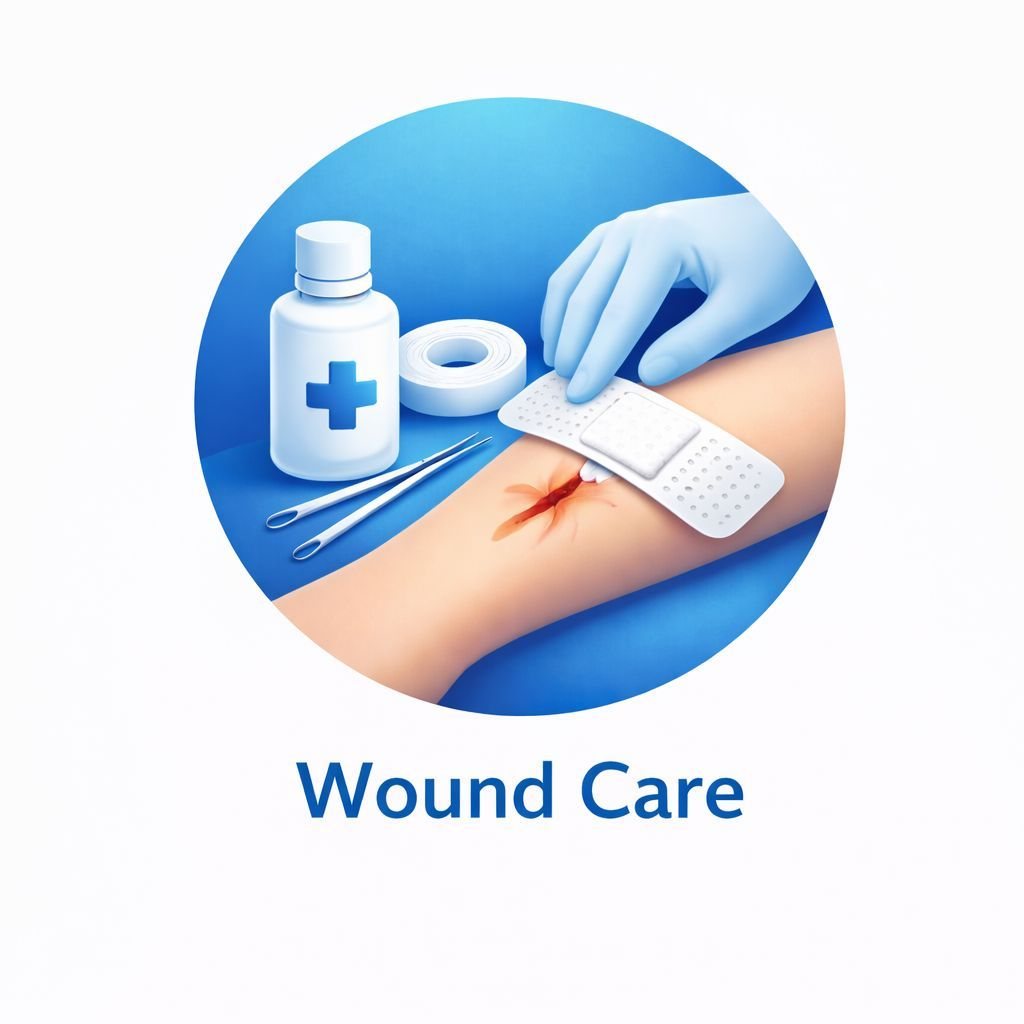
Professional wound care at home goes far beyond changing a dressing. A registered nurse assesses the wound, monitors healing, identifies early signs of infection, provides advice on recovery, and ensures the wound is managed according to current clinical standards. Home nursing services can help reduce unnecessary travel, improve comfort, and support better healing outcomes when appropriate care is delivered consistently.
If you are looking for experienced private home nursing services in the UK, Nurse Agnes provides professional nursing care in your own home, including wound assessment, dressing changes, stitch removal, and post-operative support tailored to individual needs. (nurseagnes.co.uk)
What Is Wound Care?
Wound care refers to the assessment, treatment, monitoring, and management of injuries to the skin and underlying tissue. The primary objective is to promote healthy healing while preventing infection and complications.
A wound may result from:
- Surgery
- Accidental injuries
- Burns
- Pressure ulcers
- Diabetic foot ulcers
- Venous leg ulcers
- Skin tears
- Animal bites
- Minor cuts and lacerations
Every wound heals differently depending on several factors including age, medical history, circulation, nutrition, and underlying health conditions. Because of this, professional assessment is often recommended, especially for wounds that are deep, slow healing, or showing signs of infection.
Do Home Nurses Treat All Types of Wounds?
Registered home nurses are trained to manage many different types of wounds safely.
Common wounds treated at home include:
Post Surgical Wounds
Following surgery, many patients require dressing changes, wound monitoring, staple removal, or stitch removal. Instead of travelling back to a clinic, a home nurse can perform these procedures safely at home while monitoring for any signs of delayed healing.
Chronic Wounds
Some wounds take weeks or months to heal. These include:
- Pressure sores
- Venous leg ulcers
- Diabetic foot ulcers
These wounds require regular monitoring and evidence based dressing selection to encourage healing.
Traumatic Injuries
Cuts, abrasions, skin tears, and minor injuries often benefit from professional wound cleaning and dressing, especially in elderly patients whose skin is more fragile.
Burns
Minor burns may require dressing changes and ongoing assessment to ensure healthy healing while reducing infection risk.
What Does a Home Nurse Do During a Wound Care Visit?
Many people imagine wound care simply means replacing a dressing. In reality, professional wound management involves much more.
A home nurse will usually:
Perform a Full Assessment
The first step involves carefully examining the wound.
This includes evaluating:
- Size
- Depth
- Colour
- Drainage
- Surrounding skin
- Pain levels
- Healing progress
These observations help determine whether the wound is healing normally or requires additional medical review.
Clean the Wound
The wound is cleaned using appropriate sterile techniques to minimise contamination and reduce infection risk.
Apply the Correct Dressing
Different wounds require different dressings.
A nurse selects the most suitable dressing based on factors such as:
- Moisture level
- Tissue condition
- Infection risk
- Healing stage
- Amount of drainage
Modern wound dressings are designed to create the ideal environment for healing while protecting the wound from external bacteria.
Monitor Healing
Every visit includes monitoring changes since the previous appointment.
Professional documentation allows nurses to identify whether healing is progressing as expected.
Educate Patients
Home nurses also teach patients and family members how to:
- Protect the wound
- Keep dressings dry
- Recognise infection
- Improve healing through nutrition
- Know when medical attention is required
Patient education is an essential part of successful wound care.
Benefits of Receiving Wound Care at Home
Home nursing has become increasingly popular because it combines professional clinical care with convenience.
Some of the biggest advantages include:
Greater Comfort
Many people recover better in familiar surroundings.
Receiving treatment at home reduces stress and anxiety associated with clinic appointments.
Reduced Travel
Travelling after surgery or with painful wounds can be difficult.
Home visits eliminate unnecessary journeys while ensuring consistent care.
Lower Risk of Exposure
Remaining at home may reduce exposure to illnesses commonly encountered in busy healthcare settings.
Personalised Care
Home nursing usually involves one to one attention.
The nurse focuses entirely on one patient throughout the visit, allowing more time for assessment, questions, and personalised advice.
Better Continuity
Seeing the same nurse regularly allows consistent monitoring of wound healing and early identification of complications.
Who May Benefit from Home Wound Care?
Home nursing services are suitable for many individuals.These include:
Older Adults
Ageing skin heals more slowly and is more vulnerable to injury.
Regular nursing support can help prevent complications.
People Recovering After Surgery
Following hospital discharge, many patients still require professional dressing changes and wound monitoring.
People with Diabetes
Diabetes can slow healing and increase infection risk.
Professional wound care plays an important role in preventing complications.
Individuals with Limited Mobility
Travelling to appointments may be difficult due to disability, illness, or reduced mobility.
Home visits allow treatment without unnecessary physical strain.
Busy Professionals
Some people simply prefer receiving healthcare at home because it saves time and fits around work or family commitments.
Can Home Nurses Remove Stitches and Staples?
Yes.
Many registered nurses provide:
- Suture removal
- Staple removal
- Steri strip application
- Dressing replacement after removal
Before removing stitches, the nurse assesses whether the wound has healed sufficiently.
Removing sutures too early may increase the risk of the wound reopening.
Professional assessment helps ensure removal is carried out safely. (nurseagnes.co.uk)
How Often Will a Home Nurse Visit?
The frequency depends entirely on the wound.
Some wounds require:
- Daily visits
- Every other day
- Weekly reviews
- One off dressing changes
Factors affecting visit frequency include:
- Type of wound
- Healing progress
- Infection risk
- Medical history
- Clinical recommendations
As healing improves, visits often become less frequent.
Signs That a Wound Needs Professional Attention
Not every wound requires nursing care.
However, professional assessment is recommended if you notice:
- Increasing redness
- Swelling
- Persistent pain
- Unpleasant odour
- Yellow or green discharge
- Fever
- Wound reopening
- Delayed healing
- Excessive bleeding
These symptoms may indicate infection or complications that require prompt assessment.
How Home Nurses Help Prevent Infection
Preventing infection is one of the most important aspects of wound management.
Professional nurses follow strict infection prevention procedures including:
- Hand hygiene
- Sterile dressing techniques
- Safe disposal of clinical waste
- Appropriate wound cleansing
- Regular monitoring
- Timely referral if infection develops
Early intervention often prevents small problems from becoming serious complications.
How to Choose the Right Home Nursing Service for Wound Care
Not all wounds require the same level of care, which is why choosing a reputable home nursing provider is important. A qualified nursing service should have experienced registered nurses who understand evidence based wound management and can adapt treatment plans to suit each patient's individual needs.
When comparing home nursing providers, consider asking the following questions:
- Are the nurses registered and appropriately qualified?
- Do they have experience in wound care and post-operative recovery?
- Can they provide care for both acute and chronic wounds?
- Are home visits available at times that suit your schedule?
- Will you receive continuity of care from the same nurse whenever possible?
- Can the service communicate with your GP or hospital team if required?
Choosing a provider that prioritises patient safety, clinical excellence, and compassionate care can make a significant difference to both your experience and your recovery.
The Importance of Regular Wound Monitoring
Many wounds appear to be healing well initially but can develop complications if they are not monitored consistently. Regular visits from a home nurse allow subtle changes to be identified before they become more serious.
For example, a wound may begin producing more fluid than expected, the surrounding skin may become irritated, or healing may slow down despite following the recommended treatment plan. These changes are not always obvious to patients or family members but can be recognised quickly by an experienced nurse.
Routine monitoring also helps ensure that the chosen dressing continues to meet the wound's needs. As healing progresses, the type of dressing required may change. Using the right dressing at the right stage supports an optimal healing environment while improving patient comfort.
Keeping accurate records of wound measurements, tissue appearance, and healing progress also provides valuable information if further medical assessment becomes necessary.
Supporting Family Members and Carers
Home nursing is not only beneficial for the patient but also provides reassurance to family members and carers who may be helping with daily care.
Looking after someone with a wound can feel overwhelming, especially if there are concerns about infection, dressing changes, or recognising when something is wrong. A home nurse can answer questions, demonstrate safe wound care techniques where appropriate, and provide practical advice that helps carers feel more confident.
This collaborative approach helps ensure everyone involved understands the care plan and knows what to expect throughout the healing process.
Family members are often advised on:
- How to keep the wound area clean
- How to avoid putting unnecessary pressure on the wound
- Warning signs that require medical advice
- The importance of good nutrition and hydration
- How to help the patient remain comfortable between nursing visits
Providing education alongside treatment is one of the key advantages of professional home nursing services.
Why Early Intervention Leads to Better Outcomes
One of the greatest benefits of arranging home wound care is that problems can often be identified and managed at an early stage. Delaying treatment for a wound that is not healing properly may increase the risk of infection, prolonged recovery, additional discomfort, or even hospital admission.
Seeking professional support as soon as concerns arise allows a registered nurse to assess the wound thoroughly and recommend the most appropriate course of action. Early intervention is particularly important for people with diabetes, poor circulation, weakened immune systems, or other long term health conditions that can affect healing.
Professional wound care is not only about treating an existing injury. It is also about preventing complications, promoting recovery, and helping patients maintain their independence while receiving high quality clinical care in the comfort of their own home. By combining expert assessment, personalised treatment, and ongoing monitoring, home nurses play an essential role in achieving the best possible healing outcomes.
What Makes Professional Wound Care Different?
Many people wonder whether they can simply change dressings themselves.
While some minor wounds can be safely managed at home after receiving appropriate advice, professional wound care offers several advantages.
Experienced nurses can identify subtle changes that may indicate:
- Poor circulation
- Infection
- Delayed healing
- Excessive moisture
- Tissue damage
- Pressure injury development
These clinical observations help guide appropriate treatment and improve recovery.
Supporting Faster Healing
Although no healthcare professional can guarantee faster healing, several factors improve the likelihood of healthy recovery.
A home nurse may advise on:
Good Nutrition
Protein, vitamins, and minerals all support tissue repair.
Hydration also plays an important role.
Blood Sugar Management
For people with diabetes, maintaining stable blood glucose levels helps wounds heal more effectively.
Pressure Relief
Patients with pressure ulcers may require regular repositioning or specialist equipment.
Smoking Cessation
Smoking reduces oxygen supply to tissues and can significantly delay healing.
Following Dressing Instructions
Keeping dressings clean and dry supports healing while reducing contamination.
Frequently Asked Questions
Do home nurses provide wound care after surgery?
Yes. Home nurses commonly provide dressing changes, wound assessment, stitch removal, staple removal, and ongoing monitoring after surgery.
Can a nurse treat an infected wound at home?
A nurse can assess the wound, identify signs of infection, provide appropriate wound management, and advise whether further medical review or treatment is required.
Is home wound care suitable for elderly patients?
Yes. Elderly individuals often benefit from receiving professional wound care at home because it avoids unnecessary travel and provides personalised support.
Can home nurses help with diabetic ulcers?
Many experienced nurses provide ongoing care for diabetic foot ulcers and other chronic wounds while monitoring healing and coordinating care when required.
What should I prepare before the nurse arrives?
Ensure there is a clean, well lit area available for treatment. Have any prescribed dressings, medications, or discharge paperwork ready if applicable.
Why Choosing a Qualified Home Nurse Matters
Wound care requires clinical knowledge, experience, and attention to detail.
Choosing a qualified registered nurse means your wound receives professional assessment at every visit rather than simply having a dressing replaced.
Experienced nurses understand:
- Different wound types
- Healing stages
- Infection prevention
- Dressing selection
- Post operative recovery
- Patient education
- Escalation when further medical review is necessary
This level of expertise provides reassurance while supporting safe recovery.
Final Thoughts
So, do home nurses provide wound care?
Absolutely. Home nurses deliver far more than basic dressing changes. They provide comprehensive wound assessment, professional treatment, infection prevention, ongoing monitoring, and practical advice that supports recovery at home.
Whether you are recovering from surgery, living with a chronic wound, or caring for an elderly relative, professional home nursing can provide safe, convenient, and personalised care without the need for frequent clinic visits. By combining clinical expertise with compassionate support, home nurses help patients remain comfortable while promoting healthy wound healing and identifying any concerns at an early stage.