Can home nurses help with recovery after a fall?
Can Home Nurses Help with Recovery After a Fall?
Falls are one of the leading causes of injury among older adults and people living with long term health conditions. Even a seemingly minor fall can have lasting physical, emotional and psychological effects. Recovery often extends beyond treating bruises or broken bones. Many people experience reduced confidence, limited mobility, fear of falling again and difficulty managing everyday tasks.
This is where home nursing support becomes invaluable.
Professional home nurses provide personalised care that promotes recovery in a familiar environment while reducing the risk of complications. Whether someone has returned home after a hospital stay or needs ongoing support following a fall, home nursing can make a significant difference to both recovery and quality of life.
If you are considering professional care at home, experienced healthcare professionals from Nurse Agnes can provide personalised nursing services tailored to individual recovery needs across the UK.
In this guide, we explain how home nurses assist with recovery after a fall, who benefits most from home nursing care and why early intervention often leads to better outcomes.
Understanding the Impact of a Fall
Many people assume that a fall only causes physical injuries. While fractures, cuts and bruises are common, the overall consequences can be much broader.
A fall may result in:
- Broken hips, wrists or ankles
- Muscle strains
- Head injuries
- Soft tissue damage
- Reduced mobility
- Balance problems
- Fear of walking independently
- Anxiety and depression
- Loss of confidence
- Reduced independence
Older adults are particularly vulnerable because healing tends to take longer and existing medical conditions can complicate recovery.
Without proper support, even a minor fall can trigger a decline in overall health.
Why Recovery at Home Matters
Home is often the safest and most comfortable place to recover after leaving hospital. Familiar surroundings reduce stress, encourage emotional wellbeing and help people regain confidence more quickly.
However, recovering alone is not always practical.
Many people require assistance with:
- Personal hygiene
- Medication management
- Dressing wounds
- Walking safely
- Preparing meals
- Managing pain
- Preventing further falls
- Monitoring recovery progress
Professional home nurses bridge this gap by providing clinical expertise alongside compassionate care.
Can Home Nurses Help with Recovery After a Fall?
Yes. Home nurses play an important role throughout every stage of recovery.
Rather than offering one standard service, they create personalised care plans based on the individual's injuries, medical history, mobility level and long term health goals.
Their support helps people recover safely while maintaining as much independence as possible.
Initial Health Assessment
Recovery begins with a comprehensive assessment.
A home nurse evaluates several factors including:
- Current injuries
- Pain levels
- Mobility
- Risk of infection
- Existing health conditions
- Medication requirements
- Nutrition
- Mental wellbeing
- Home safety
This assessment allows the nurse to identify risks that could slow recovery or increase the likelihood of another fall.
Wound Care and Injury Management
Many falls result in cuts, skin tears or surgical wounds following hospital treatment.
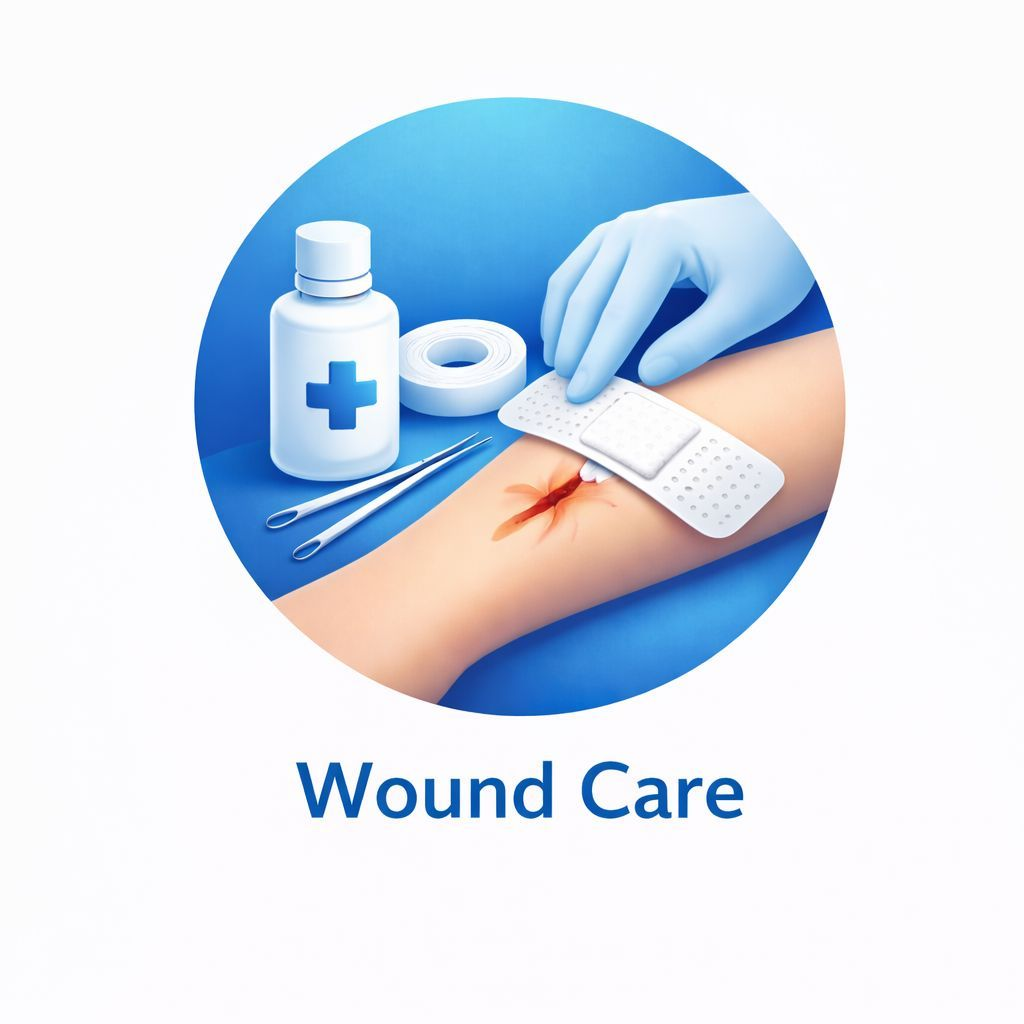
Professional nurses provide expert wound care by:
- Cleaning wounds correctly
- Changing dressings
- Monitoring healing
- Preventing infection
- Reporting concerns promptly
- Advising on skin care
Proper wound management significantly reduces complications while supporting faster healing.
Medication Support
After a fall, medication routines often become more complex.
Patients may receive:
- Pain relief medication
- Antibiotics
- Blood thinning medication
- Anti inflammatory medicines
- Bone strengthening treatment
Home nurses ensure medications are taken correctly by:
- Organising medication schedules
- Monitoring side effects
- Preventing missed doses
- Liaising with GPs when necessary
- Watching for adverse reactions
Medication management becomes especially valuable for older adults taking multiple prescriptions.
Helping Patients Regain Mobility
One of the biggest challenges after a fall is rebuilding strength and confidence.
Many people avoid movement because they fear another accident.
Unfortunately, prolonged inactivity weakens muscles further and delays recovery.
Home nurses encourage gradual mobility through:
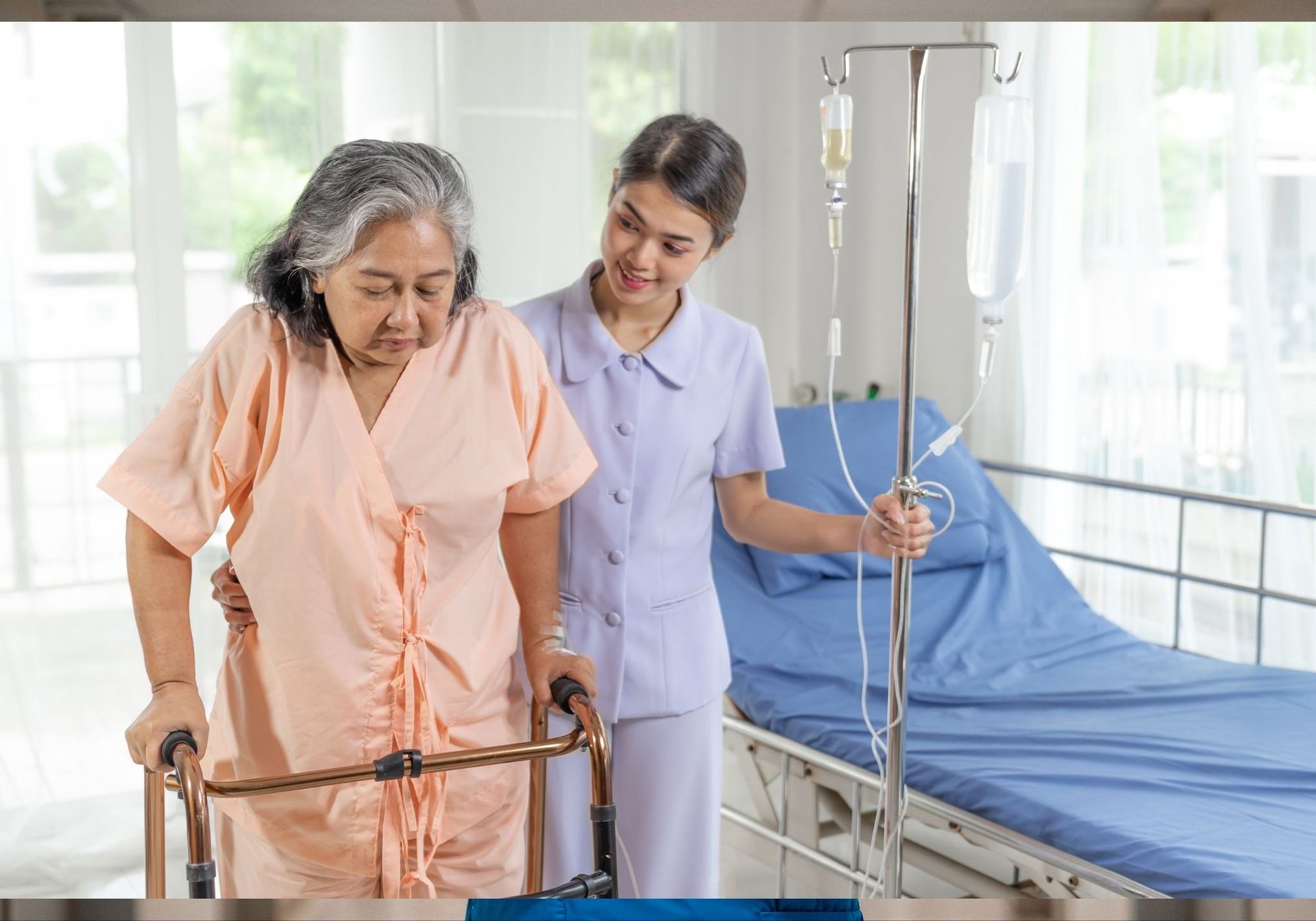
- Safe walking assistance
- Transfers between bed and chair
- Balance support
- Encouragement during rehabilitation
- Monitoring physical progress
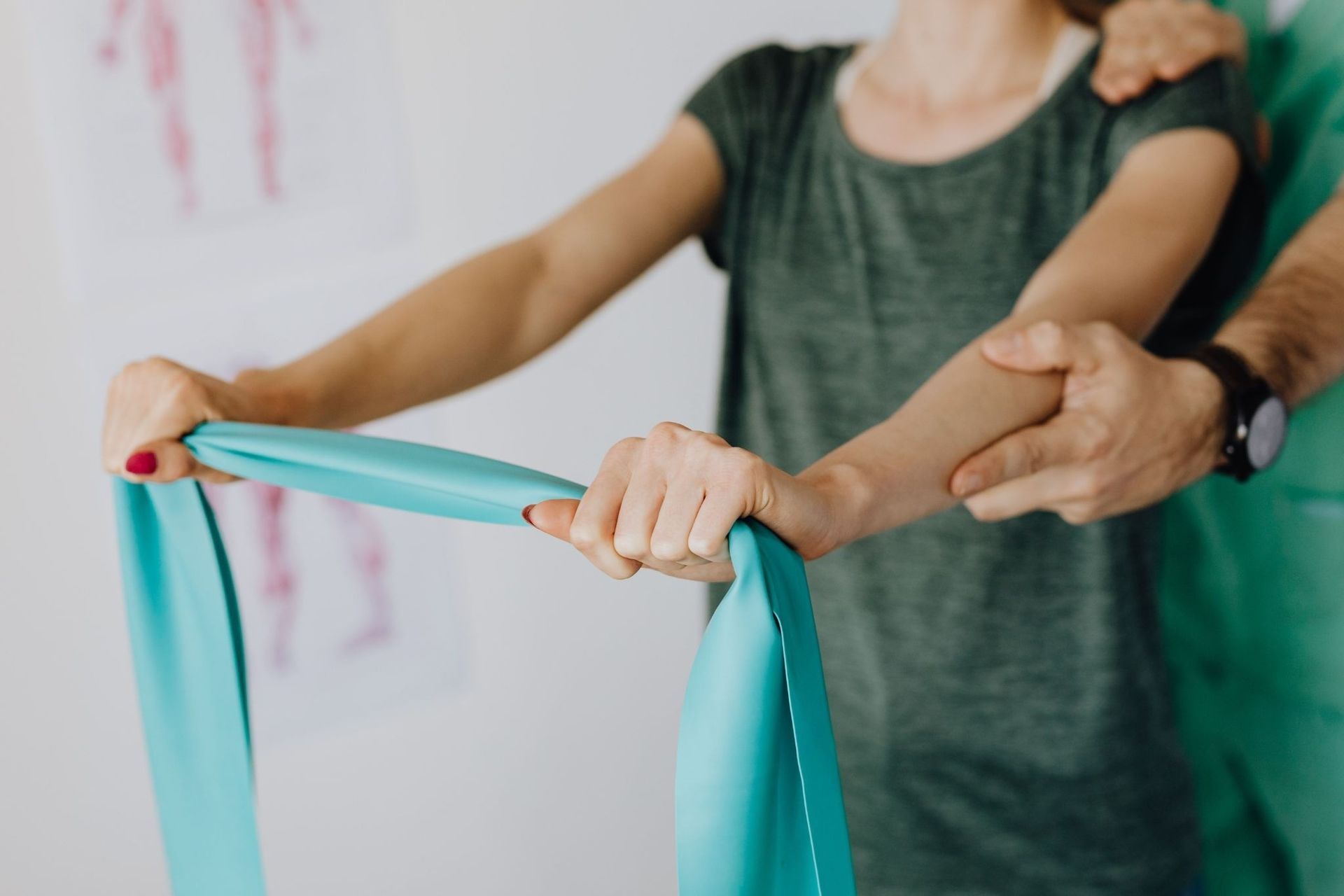
- Reinforcing physiotherapy exercises
This steady approach allows patients to regain independence safely.
Supporting Rehabilitation
Recovery often involves physiotherapy exercises recommended by healthcare professionals.
Home nurses help patients remain consistent by:
- Supervising exercises
- Ensuring movements are performed safely
- Monitoring pain during activity
- Recording improvements
- Identifying setbacks early
Consistency is one of the biggest predictors of successful rehabilitation.
Pain Monitoring
Pain management requires more than simply taking medication.
Home nurses regularly assess:
- Pain severity
- Pain triggers
- Swelling
- Inflammation
- Mobility limitations
- Effectiveness of medication
If pain becomes worse instead of improving, nurses can advise contacting medical professionals before complications develop.
Preventing Pressure Injuries
Patients recovering from fractures or surgery may spend extended periods in bed.
Reduced movement increases the risk of pressure ulcers.
Home nurses minimise this risk through:
- Regular repositioning
- Skin inspections
- Pressure relief advice
- Hygiene support
- Mattress recommendations
- Monitoring circulation
Early prevention reduces serious complications.
Nutritional Support
Good nutrition directly affects healing.
After a fall, the body requires:
- Protein
- Calcium
- Vitamin D
- Iron
- Hydration
- Healthy calories
Home nurses monitor nutritional intake and encourage healthy eating habits that promote tissue repair and muscle recovery.
Hydration Monitoring
Dehydration contributes to:
- Dizziness
- Weakness
- Confusion
- Increased fall risk
Older adults often drink less than they should during recovery.
Home nurses encourage adequate fluid intake while monitoring signs of dehydration.
Personal Care Assistance
Depending on the injury, everyday activities may become difficult.
Home nurses provide support with:
- Washing
- Showering
- Dressing
- Toileting
- Grooming
- Oral hygiene
Maintaining personal hygiene improves comfort, dignity and overall wellbeing.
Emotional Recovery After a Fall
The emotional impact of falling is frequently overlooked.
Many people develop:
- Fear of walking
- Anxiety
- Reduced self confidence
- Social isolation
- Depression
Professional nurses provide reassurance through regular interaction, encouragement and compassionate support.
Having a trusted healthcare professional nearby often restores confidence more quickly than recovering alone.
Reducing Fear of Falling Again
Fear of another fall often leads people to limit their activity.
Ironically, inactivity increases weakness and raises the risk of future falls.
Home nurses help patients gradually rebuild confidence through:
- Safe movement techniques
- Confidence building exercises
- Walking support
- Positive reinforcement
- Practical safety advice
Over time, many patients regain independence without unnecessary fear.
Home Safety Assessments
Recovery does not stop with treating injuries.
Preventing another fall is equally important.
Home nurses assess potential hazards including:
- Loose rugs
- Poor lighting
- Cluttered walkways
- Slippery floors
- Unsafe stairs
- Inadequate handrails
- Bathroom safety risks
Simple adjustments often make the home significantly safer.
Working Alongside Other Healthcare Professionals
Home nurses frequently collaborate with:
- GPs
- Physiotherapists
- Occupational therapists
- Hospital consultants
- Community healthcare teams
- Family carers
This coordinated approach ensures everyone involved understands the patient's progress and recovery goals.
Monitoring Long Term Health Conditions
Many falls occur because of underlying medical conditions.
Examples include:
- Parkinson's disease
- Stroke recovery
- Arthritis
- Diabetes
- Dementia
- Osteoporosis
- Heart disease
Home nurses monitor these conditions while supporting recovery from the fall itself.
Managing both issues together often improves overall health outcomes.
Supporting Family Members
Family carers often feel overwhelmed after a loved one experiences a fall.
Home nurses provide valuable guidance by:
- Teaching safe lifting techniques
- Demonstrating mobility support
- Explaining medication routines
- Providing reassurance
- Answering healthcare questions
This helps families feel more confident while reducing caregiver stress.
Who Can Benefit from Home Nursing After a Fall?
Home nursing is suitable for many people, including:
- Older adults
- Individuals living alone
- Patients recovering after hip surgery
- People with reduced mobility
- Stroke survivors
- Individuals with neurological conditions
- Patients with multiple health conditions
- People recovering after fractures
- Adults requiring wound care
- Anyone needing temporary nursing support after hospital discharge
Each care plan is personalised according to individual needs.
Signs Someone May Need a Home Nurse
Professional nursing support may be beneficial if someone:
- Cannot walk safely alone
- Has recently been discharged from hospital
- Needs wound care
- Requires medication monitoring
- Has experienced repeated falls
- Struggles with personal care
- Shows signs of confusion
- Lives alone
- Has ongoing pain
- Is losing confidence
Seeking help early often prevents further health problems.
Preventing Future Falls
Recovery should always include strategies to reduce future risk.
Home nurses provide advice on:
Improving Strength
Simple daily exercises strengthen muscles and improve balance.
Wearing Appropriate Footwear
Properly fitting, non slip footwear improves stability indoors and outdoors.
Reviewing Medications
Some medications cause dizziness or low blood pressure.
Regular medication reviews may reduce fall risk.
Vision Checks
Poor eyesight contributes to many falls.
Routine eye examinations remain an important part of prevention.
Healthy Diet
Adequate calcium, vitamin D and protein help maintain bone health and muscle strength.
Safe Home Environment
Removing hazards significantly lowers the chances of another accident.
Benefits of Home Nursing Compared with Residential Care
Many people prefer recovering at home because it allows them to:
- Stay in familiar surroundings
- Maintain daily routines
- Receive personalised one to one care
- Enjoy greater privacy
- Remain close to family
- Recover at their own pace
- Reduce unnecessary hospital visits
Home nursing combines professional healthcare with the comfort of home.
Why Early Nursing Support Matters
Delaying care can increase the likelihood of complications such as:
- Infections
- Reduced mobility
- Muscle weakness
- Pressure ulcers
- Medication errors
- Falls during recovery
- Hospital readmission
Early intervention allows healthcare professionals to identify issues before they become serious.
The Importance of Personalised Recovery Plans After a Fall
No two falls are exactly the same, which is why recovery should never follow a one size fits all approach. Factors such as age, medical history, the severity of the injury and a person's overall mobility all influence how quickly they recover. A professional home nurse develops a personalised care plan that evolves as the patient's condition improves.
A tailored recovery plan may include:
- Daily health observations
- Pain management strategies
- Mobility goals
- Nutritional guidance
- Medication reviews
- Skin integrity checks
- Fall prevention measures
- Emotional wellbeing support
- Communication with other healthcare professionals
Regular reviews ensure that the care provided remains appropriate and effective throughout every stage of recovery.
Helping Patients Regain Confidence in Everyday Activities
One of the less obvious effects of a fall is the loss of confidence when performing routine tasks. Activities that once seemed simple, such as walking to the kitchen, climbing stairs or taking a shower, may suddenly feel overwhelming.
Home nurses help patients rebuild confidence gradually by encouraging safe participation in daily activities rather than completing every task for them. This approach promotes independence while ensuring the individual remains safe.
Examples of daily activities supported by home nurses include:
- Getting in and out of bed safely
- Preparing simple meals
- Walking around the home
- Using the bathroom independently
- Climbing stairs where appropriate
- Getting dressed
- Managing household routines
This encouragement helps prevent dependence and motivates individuals to continue making progress.
Identifying Hidden Complications After a Fall
Not all injuries are immediately visible. Some complications may develop hours or even days after the accident. This is particularly important for older adults, who may not always recognise or report symptoms.
Experienced home nurses remain alert for warning signs such as:
- Persistent headaches
- Increased confusion
- Sudden weakness
- Swelling around joints
- Signs of infection
- Reduced appetite
- Difficulty breathing
- Changes in blood pressure
- Increased pain despite medication
- Reduced urine output
Early identification of these issues allows prompt medical intervention, potentially preventing serious complications or emergency hospital admissions.
Supporting People Living with Dementia After a Fall
Individuals living with dementia face unique challenges during recovery. They may struggle to remember safety advice, communicate pain or follow rehabilitation instructions. They can also become distressed after a fall, particularly if they do not understand what has happened.
Home nurses experienced in dementia care adapt their approach by providing calm reassurance, maintaining familiar routines and using clear, simple communication. They also monitor for behavioural changes that may indicate discomfort or worsening health.
Support may include:
- Gentle reminders about mobility aids
- Assistance with medication
- Maintaining hydration and nutrition
- Monitoring confusion levels
- Providing reassurance during personal care
- Working closely with family members and carers
This specialist support helps create a safer and more comfortable recovery environment.
The Role of Family in Recovery
Family members often play an essential part in helping someone recover after a fall. However, many relatives worry about providing the right support without causing further injury.
Home nurses work alongside families by offering practical advice and education. They explain how to assist with mobility safely, recognise signs of deterioration and encourage healthy recovery habits without reducing the individual's independence.
Families may receive guidance on:
- Safe transfer techniques
- Correct use of mobility equipment
- Medication reminders
- Recognising emergency symptoms
- Encouraging physical activity
- Supporting emotional wellbeing
- Creating a safer home environment
This collaborative approach ensures everyone involved understands the recovery plan and feels more confident in supporting their loved one.
Encouraging Long Term Independence
The ultimate goal of home nursing after a fall is not simply to treat injuries but to help individuals return to living as independently as possible. Recovery involves rebuilding physical strength, restoring confidence and reducing the likelihood of another fall.
By providing expert clinical care, personalised rehabilitation support and practical safety advice, home nurses empower people to take control of their recovery while maintaining their dignity and quality of life.
For many individuals, professional nursing care at home provides the reassurance needed to recover safely without leaving the comfort and familiarity of their own surroundings. With the right support, many people are able to regain independence, continue enjoying daily activities and reduce the risk of future falls, making home nursing an invaluable part of the recovery journey.
Frequently Asked Questions
Can a home nurse help someone who has fractured their hip after a fall?
Yes. Home nurses assist with pain management, wound care, mobility support, medication administration, rehabilitation and monitoring during recovery after hip fractures.
How long is home nursing needed after a fall?
Every recovery is different. Some individuals need nursing support for a few days after hospital discharge, while others benefit from several weeks or longer depending on their condition and rehabilitation progress.
Can home nurses help elderly people avoid future falls?
Yes. Home nurses identify fall risks, provide mobility support, recommend safety improvements and educate patients on preventing future accidents.
Do home nurses work with physiotherapists?
Yes. Home nurses often work alongside physiotherapists and other healthcare professionals to ensure rehabilitation exercises are completed safely and consistently.
Can home nursing reduce hospital readmissions?
In many cases, yes. Regular monitoring allows nurses to detect complications early, helping patients receive timely treatment before problems become severe.
Final Thoughts
Recovering after a fall is about much more than healing visible injuries. Physical recovery, emotional wellbeing, confidence, mobility and long term independence all play essential roles in helping someone return to everyday life.
Professional home nurses provide skilled clinical care alongside compassionate, person centred support that enables people to recover safely within the comfort of their own homes. From
medication management and wound care to rehabilitation, mobility assistance and fall prevention, their expertise helps patients regain confidence while reducing the risk of future complications.
Whether recovery lasts a few days or several months, personalised home nursing can significantly improve outcomes for individuals and peace of mind for their families. Choosing
experienced nursing care at home is an investment in safer recovery, greater independence and better overall wellbeing.