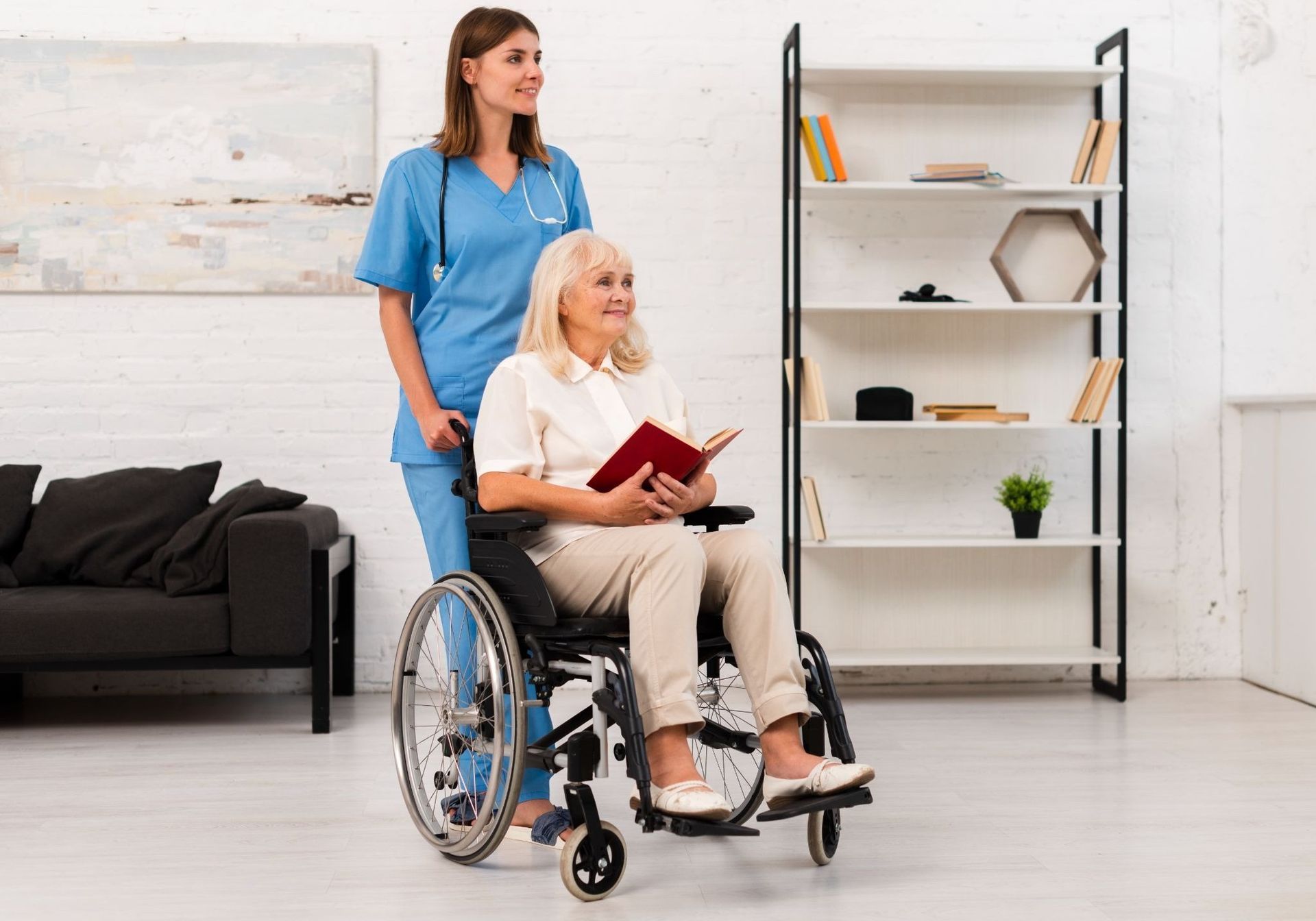
How are home nursing visits scheduled?
How Are Home Nursing Visits Scheduled?
Home nursing has become an increasingly important part of healthcare across the United Kingdom. As more people choose to receive medical care in the comfort of their own homes, understanding how home nursing visits are scheduled has become a common question among patients, family members and caregivers. Whether someone requires short term recovery support after surgery, long term nursing care for a chronic illness or specialist palliative care, knowing how appointments are arranged helps reduce uncertainty and ensures expectations are clear.
Home nursing services are carefully planned to ensure patients receive the right level of care at the right time. Scheduling is not simply about booking an appointment. It involves assessing the patient's medical condition, understanding their personal needs, considering the availability of qualified nurses and ensuring continuity of care whenever possible.
If you are looking for professional and compassionate home nursing services across the UK, Nurse Agnes provides experienced nursing professionals who deliver personalised care tailored to individual healthcare needs.
This guide explains how home nursing visits are scheduled, what factors influence appointment times and what patients and families should expect throughout the process.
Understanding Home Nursing Visits
Home nursing visits involve qualified nurses travelling to a patient's home to provide clinical care that would otherwise require attendance at a healthcare facility. These services allow patients to remain in familiar surroundings while receiving professional medical support.
Home nursing may include:
- Wound care and dressing changes
- Medication administration
- Post operative care
- Catheter management
- Stoma care
- Diabetes management
- Blood pressure monitoring
- Chronic disease management
- Palliative and end of life care
- Health assessments
- Rehabilitation support
- Intravenous therapy
- Elderly nursing care
Each patient's requirements differ significantly, which is why scheduling is highly personalised rather than based on a fixed timetable.
Why Scheduling Matters in Home Nursing
Effective scheduling is one of the most important aspects of delivering quality home healthcare. A well organised schedule ensures patients receive timely treatment while allowing nurses to manage their workload efficiently.
Proper scheduling helps to:
- Deliver medication at appropriate intervals
- Prevent missed treatments
- Reduce unnecessary hospital admissions
- Improve continuity of care
- Support patient safety
- Coordinate with GPs and consultants
- Accommodate emergency healthcare needs
A structured scheduling system also enables healthcare providers to respond quickly if a patient's condition changes.
The First Step: Initial Patient Assessment
Before any home nursing visits are arranged, a comprehensive assessment is carried out.
This assessment helps determine:
- Current medical condition
- Diagnosis
- Existing treatment plans
- Mobility level
- Medication requirements
- Personal care needs
- Home environment
- Family support availability
- Equipment requirements
- Risk factors
The assessment may be completed following a referral from a GP, hospital consultant, discharge coordinator or through a private enquiry.
During this stage, nurses gather detailed information to build an individual care plan.
Creating a Personalised Care Plan
Following the assessment, the healthcare provider develops a personalised nursing care plan.
This document outlines:
- Required nursing procedures
- Visit frequency
- Preferred visit times
- Duration of each appointment
- Clinical priorities
- Monitoring requirements
- Emergency protocols
- Communication with healthcare professionals
The care plan forms the foundation for scheduling all future visits.
Rather than applying the same schedule to every patient, nurses work according to the individual's clinical needs.
Factors That Determine Home Nursing Visit Schedules
Several factors influence how home nursing appointments are organised.
Medical Condition
Patients with complex medical conditions often require more frequent visits than those recovering from straightforward procedures.
Examples include:
- Cancer patients receiving symptom management
- Patients with advanced neurological disorders
- Individuals recovering from major surgery
- People requiring intravenous medication
- Patients with severe wounds
The higher the clinical need, the more carefully visits are planned.
Urgency of Care
Some nursing procedures are time sensitive.
Examples include:
- Insulin administration
- Antibiotic therapy
- Pain management
- Wound dressing changes
- Catheter replacement
These treatments must occur according to strict clinical guidelines.
Frequency of Treatment
Patients may require:
- Daily visits
- Twice daily visits
- Weekly appointments
- Monthly reviews
- One off nursing visits
The required frequency is determined by healthcare professionals.
Availability of Qualified Nurses
Scheduling also depends upon matching patients with nurses who possess the necessary clinical expertise.
For example:
- Oncology nurses
- Tissue viability nurses
- Palliative care nurses
- Paediatric nurses
- Dementia specialists
- Continence specialists
Healthcare providers aim to assign appropriately trained professionals whenever possible.
Patient Preferences
Whenever clinically appropriate, providers try to accommodate patient preferences.
Patients may request visits:
- Early morning
- Mid morning
- Afternoon
- Evening
Some individuals prefer appointments around work commitments or family routines.
Although exact times cannot always be guaranteed, providers make every effort to minimise disruption.
Referral Process Before Scheduling Begins
Many home nursing visits begin through referrals from healthcare professionals.
Common referral sources include:
- NHS hospitals
- General practitioners
- Community healthcare teams
- Private consultants
- Rehabilitation centres
- Hospice teams
Following referral, patient information is reviewed before appointments are arranged.
Private home nursing services may also accept direct enquiries from patients or family members.
How Visit Priorities Are Decided
Not every appointment carries the same level of urgency.
Scheduling teams classify patients according to clinical priority.
High Priority Visits
These typically involve:
- Critical wound management
- End of life care
- Medication administration
- Serious infections
- Post surgical complications
These patients are generally seen first.
Medium Priority Visits
Examples include:
- Routine health monitoring
- Dressing changes
- Diabetes management
- Blood pressure checks
These appointments are scheduled according to care plans.
Routine Visits
Routine care may include:
- Long term condition reviews
- Preventative health monitoring
- Wellness assessments
These appointments often allow greater flexibility in scheduling.
Coordinating With Hospital Discharge Plans
Many home nursing schedules begin immediately after hospital discharge.
Discharge coordinators work alongside community nursing providers to ensure patients continue receiving treatment without interruption.
This coordination helps prevent:
- Medication errors
- Delayed wound care
- Hospital readmissions
- Missed follow up treatments
Often, the first home visit takes place within 24 to 48 hours after discharge, depending on clinical needs.
Scheduling Around Medication Requirements
Medication timing is one of the biggest influences on nursing schedules.
Certain medicines must be administered at precise intervals.
Examples include:
- Injectable medications
- Intravenous antibiotics
- Pain relief
- Anticoagulants
- Insulin
Nursing visits are organised around these treatment schedules to maximise effectiveness and patient safety.
How Geographic Location Affects Scheduling
Travel logistics play an important role in home healthcare.
Scheduling coordinators consider:
- Distance between patients
- Traffic conditions
- Rural or urban locations
- Weather conditions
- Travel time
- Nurse availability within local areas
Healthcare providers often group appointments geographically to reduce travel time and improve efficiency.
This approach also enables nurses to respond more quickly to urgent situations if necessary.
Continuity of Care
One of the key goals of scheduling is maintaining continuity of care.
Patients often feel more comfortable seeing the same nurse whenever possible.
Benefits include:
- Better communication
- Stronger patient relationships
- Improved understanding of medical history
- Increased confidence
- Better clinical outcomes
While staff availability may occasionally require different nurses to attend, providers aim to maintain consistency wherever practical.
How Technology Has Improved Home Nursing Scheduling
Modern healthcare providers increasingly use digital scheduling systems to coordinate appointments more efficiently.
Technology helps healthcare teams:
- Allocate nurses based on location and expertise
- Track appointment times
- Update patient records in real time
- Communicate schedule changes quickly
- Reduce delays
- Improve care coordination
Electronic care records also allow nurses to access important clinical information securely before arriving at each patient's home.
This digital approach improves efficiency while helping ensure patients receive timely, well coordinated care.
Emergency Home Nursing Visits
While many home nursing appointments are planned in advance, there are situations where urgent visits become necessary. A patient's condition can change unexpectedly, requiring immediate clinical attention.
Emergency home nursing visits may be arranged for situations such as:
- Sudden deterioration in health
- Signs of infection
- Uncontrolled pain
- Problems with a catheter or stoma
- Bleeding from a wound
- Unexpected medication reactions
- Concerns following surgery
Healthcare providers continually assess the urgency of every request. If a situation is considered life threatening, patients are advised to contact emergency services rather than wait for a scheduled nursing visit.
For urgent but non life threatening concerns, home nursing providers aim to arrange a nurse as quickly as possible, depending on clinical priority and staff availability.
Can Home Nursing Appointments Be Rescheduled?
Life is unpredictable, and there may be occasions when a scheduled visit needs to be changed.
Patients can usually request a different appointment time if they:
- Have another medical appointment
- Are attending a hospital clinic
- Have family commitments
- Feel unwell and need to delay the visit
- Need additional support from relatives during the appointment
Providing as much notice as possible helps the provider reorganise schedules efficiently and minimise disruption to other patients.
Similarly, there may be rare occasions when the provider needs to adjust appointment times due to:
- Nurse illness
- Severe weather
- Road closures
- Emergency patient visits
- Unexpected clinical emergencies
When this happens, patients are normally informed promptly and offered the next suitable appointment.
What Happens Before the Nurse Arrives?
Preparation helps ensure every home nursing visit runs smoothly.
Patients may receive confirmation of:
- The planned visit date
- An estimated arrival window
- The name of the attending nurse where possible
- Any preparation required before treatment
Patients are encouraged to have relevant information available, including:
- Current medications
- Hospital discharge paperwork
- Recent test results
- Medical equipment
- NHS number if applicable
Having this information readily accessible allows the nurse to focus on delivering care rather than gathering missing details.
What Happens During a Home Nursing Visit?
Each visit varies depending on the patient's care plan, but a typical appointment often includes several stages.
Clinical Assessment
The nurse begins by reviewing the patient's current condition.
This may include checking:
- Temperature
- Blood pressure
- Pulse
- Oxygen saturation
- Blood glucose levels
- Pain levels
- Mobility
- Changes in symptoms
Treatment
The planned clinical procedures are then completed.
These may include:
- Dressing wounds
- Administering medication
- Changing catheters
- Managing stomas
- Providing injections
- Monitoring recovery
- Supporting rehabilitation exercises
Documentation
Accurate records are essential.
The nurse documents:
- Treatments provided
- Patient observations
- Medication administered
- Progress since the previous visit
- Any concerns requiring further review
These records ensure continuity of care and allow other healthcare professionals to remain informed.
Education and Advice
Many home nursing visits also include patient education.
Nurses may provide guidance on:
- Managing long term conditions
- Preventing infections
- Taking medication correctly
- Improving nutrition
- Safe mobility
- Recognising warning signs
- Preventing falls
This education empowers patients and carers to participate actively in their healthcare.
How Family Members Are Involved
Family members often play an important role in home nursing care.
With the patient's consent, nurses may discuss:
- Medication routines
- Care techniques
- Equipment use
- Monitoring symptoms
- Appointment schedules
- Emergency contact procedures
This collaborative approach helps create a safe and supportive environment between scheduled visits.
Scheduling for Different Types of Home Nursing Care
Not all home nursing services follow the same schedule. The timing and frequency of visits depend on the type of care required.
Post Operative Nursing
Patients recovering from surgery often receive more frequent visits during the first few weeks.
The focus may include:
- Wound monitoring
- Pain management
- Infection prevention
- Mobility support
- Recovery assessments
As healing progresses, visits usually become less frequent.
Chronic Disease Management
People living with conditions such as diabetes, heart failure or chronic respiratory disease may receive regular monitoring visits.
These appointments help:
- Detect complications early
- Monitor treatment effectiveness
- Encourage healthy lifestyle habits
- Reduce avoidable hospital admissions
Palliative Care
Patients receiving palliative care often require flexible scheduling.
Visit frequency may increase as clinical needs change.
Nurses work closely with:
- GPs
- Hospices
- Community healthcare teams
- Family carers
- Specialist consultants
The goal is to maximise comfort, dignity and quality of life.
Elderly Nursing Care
Older adults often benefit from routine nursing visits to manage multiple health conditions.
Appointments may include:
- Medication reviews
- Pressure sore prevention
- Mobility assessments
- Continence care
- Nutritional monitoring
Regular visits support independent living while helping to identify concerns before they become more serious.
Challenges in Home Nursing Scheduling
Although providers strive to deliver timely care, several factors can affect scheduling.
Increasing Demand
The UK's ageing population has led to greater demand for community nursing services.
As more people choose home based healthcare, providers must balance increasing caseloads while maintaining high standards of care.
Travel Time
Unlike hospital settings, community nurses travel between homes throughout the day.
Traffic, weather conditions and distance between appointments can occasionally result in slight delays.
Clinical Priorities
Healthcare is dynamic.
If another patient develops an urgent medical issue, schedules may need to be adjusted to ensure those with the greatest clinical need receive immediate attention.
Staff Availability
Providers work hard to maintain continuity, but annual leave, sickness and training commitments can occasionally require alternative nurses to attend.
Tips to Help Your Home Nursing Visits Run Smoothly
Patients and families can help make each visit more efficient by following a few practical steps.
- Keep a list of medications up to date.
- Inform the provider about any changes in symptoms.
- Notify the office if your contact details change.
- Ensure pets are safely secured if necessary.
- Prepare a clean, well lit area for treatment.
- Have dressings or prescribed supplies ready if requested.
- Ask questions if you are unsure about any aspect of your care.
- Report concerns as soon as possible rather than waiting until the next visit.
Good communication between patients and healthcare professionals contributes to better outcomes and a more positive care experience.
Frequently Asked Questions
How quickly can home nursing visits be arranged?
The timeframe depends on the urgency of the patient's condition, the referral process and nurse availability. Some visits can be arranged within 24 hours, while routine care may be scheduled over the following days.
Can I choose the time of my home nursing visit?
Providers will try to accommodate preferred times where clinically possible. However, appointment windows are influenced by medical priorities, nurse availability and travel routes.
Will I have the same nurse every time?
Continuity of care is an important objective. Wherever possible, the same nurse or a small team of familiar nurses will provide ongoing care, although this cannot always be guaranteed.
Do home nursing visits include personal care?
Some services focus solely on clinical nursing, while others work alongside carers who provide assistance with washing, dressing and daily living activities. This depends on the care package arranged.
Are home nursing services available on weekends?
Many providers offer weekend, evening and even overnight services, particularly for patients with complex medical needs or those receiving palliative care.
What if my condition changes between visits?
Patients should contact their healthcare provider promptly if they notice worsening symptoms or have concerns. The provider will assess whether an earlier visit or alternative medical support is required.
Why Personalised Scheduling Makes a Difference
Every patient has unique healthcare needs, personal preferences and family circumstances. A personalised scheduling approach ensures nursing care fits around the individual rather than expecting the individual to adapt to a rigid timetable.
Well planned home nursing visits improve treatment outcomes by:
- Supporting timely medical interventions
- Reducing stress for patients and families
- Encouraging continuity of care
- Improving communication between healthcare professionals
- Promoting independence at home
- Helping patients recover in familiar surroundings
When scheduling is built around clinical priorities and compassionate care, patients receive not only the treatment they need but also the reassurance that professional support is available when it matters most.
Final Thoughts
Home nursing visits are carefully coordinated through a structured process that begins with a comprehensive assessment and continues with an individualised care plan tailored to each patient's medical needs. Appointment schedules are influenced by factors such as clinical urgency, treatment requirements, nurse expertise, travel logistics and patient preferences. This thoughtful approach ensures that every visit delivers safe, effective and compassionate care in the comfort of the patient's own home.
Whether someone is recovering after surgery, managing a long term condition, receiving palliative support or requiring regular clinical monitoring, understanding how home nursing visits are scheduled can provide confidence and peace of mind. Clear communication, flexibility and continuity of care all contribute to a positive experience for patients and their families.
As demand for community healthcare continues to grow across the UK, professional home nursing services remain an essential part of delivering high quality, patient centred care. Choosing an experienced provider that values personalised planning and clinical excellence can make a significant difference to recovery, comfort and overall wellbeing.