Can nurses provide rehabilitation after a stroke?
Can Nurses Provide Rehabilitation After a Stroke?
A stroke can change a person's life in an instant. Simple daily activities such as walking, speaking, eating, writing, or remembering things may suddenly become difficult. While emergency medical treatment is essential during the first few hours of a stroke, recovery does not end once a patient leaves the hospital. Rehabilitation becomes one of the most important parts of the journey, helping people regain independence, confidence, and quality of life.
Many people ask, "Can nurses provide rehabilitation after a stroke?" The answer is yes. Nurses play a vital role in stroke rehabilitation and ongoing recovery. Although rehabilitation involves a multidisciplinary team that includes physiotherapists, occupational therapists, speech and language therapists, doctors, psychologists, and carers, qualified nurses are central to coordinating care, monitoring progress, preventing complications, educating families, and supporting patients throughout every stage of recovery.
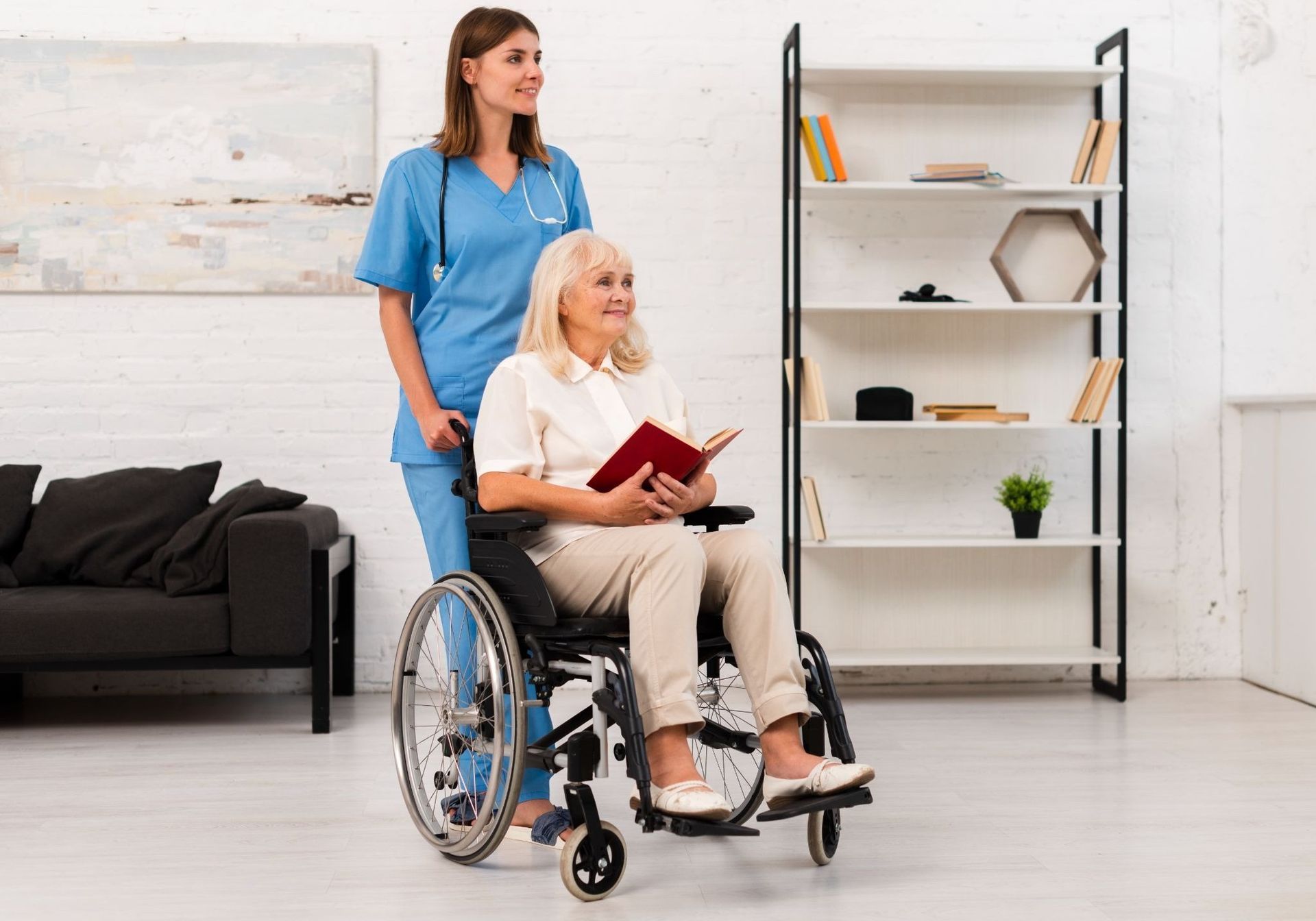
For individuals recovering at home, community nurses and specialist rehabilitation nurses often become trusted healthcare professionals who ensure rehabilitation continues safely and effectively. Professional nursing care can bridge the gap between hospital discharge and independent living, making recovery more structured and less overwhelming.
If you are looking for experienced nursing support, Nurse Agnes provides compassionate, professional nursing services tailored to individual healthcare needs across the UK.
Understanding Stroke Rehabilitation
Stroke rehabilitation is a structured process designed to help people recover as much physical, cognitive, emotional, and functional ability as possible following a stroke. Every stroke affects people differently depending on which part of the brain has been damaged and how severe the stroke was.
Some individuals recover within weeks, while others require months or even years of rehabilitation. Recovery is rarely linear, and progress often comes through consistent practice, professional guidance, and personalised care.
Rehabilitation focuses on improving:
- Mobility and walking
- Balance and coordination
- Muscle strength
- Speech and communication
- Swallowing ability
- Daily living skills
- Memory and concentration
- Emotional wellbeing
- Confidence and independence
Nurses contribute to every one of these recovery goals through continuous assessment, encouragement, education, and clinical expertise.
What Is the Nurse's Role in Stroke Rehabilitation?
Nurses are often the healthcare professionals who spend the most time with stroke patients. This regular interaction allows them to identify subtle changes, respond quickly to concerns, and build trusting relationships with patients and families.
Rather than focusing on only one aspect of recovery, nurses provide holistic care that considers physical, emotional, psychological, and social wellbeing.
Their responsibilities include:
- Monitoring recovery progress
- Administering medication safely
- Managing pain
- Preventing complications
- Supporting mobility
- Educating patients and carers
- Coordinating multidisciplinary care
- Encouraging rehabilitation exercises
- Promoting healthy lifestyle changes
- Supporting emotional recovery
Their role extends far beyond bedside care.
How Nurses Support Physical Rehabilitation
Physical recovery is often one of the biggest concerns after a stroke.
Weakness on one side of the body, poor balance, muscle stiffness, reduced coordination, and fatigue are common challenges.
Nurses help patients regain strength by encouraging safe movement throughout the day.
Their support may include:
Assisting with Mobility
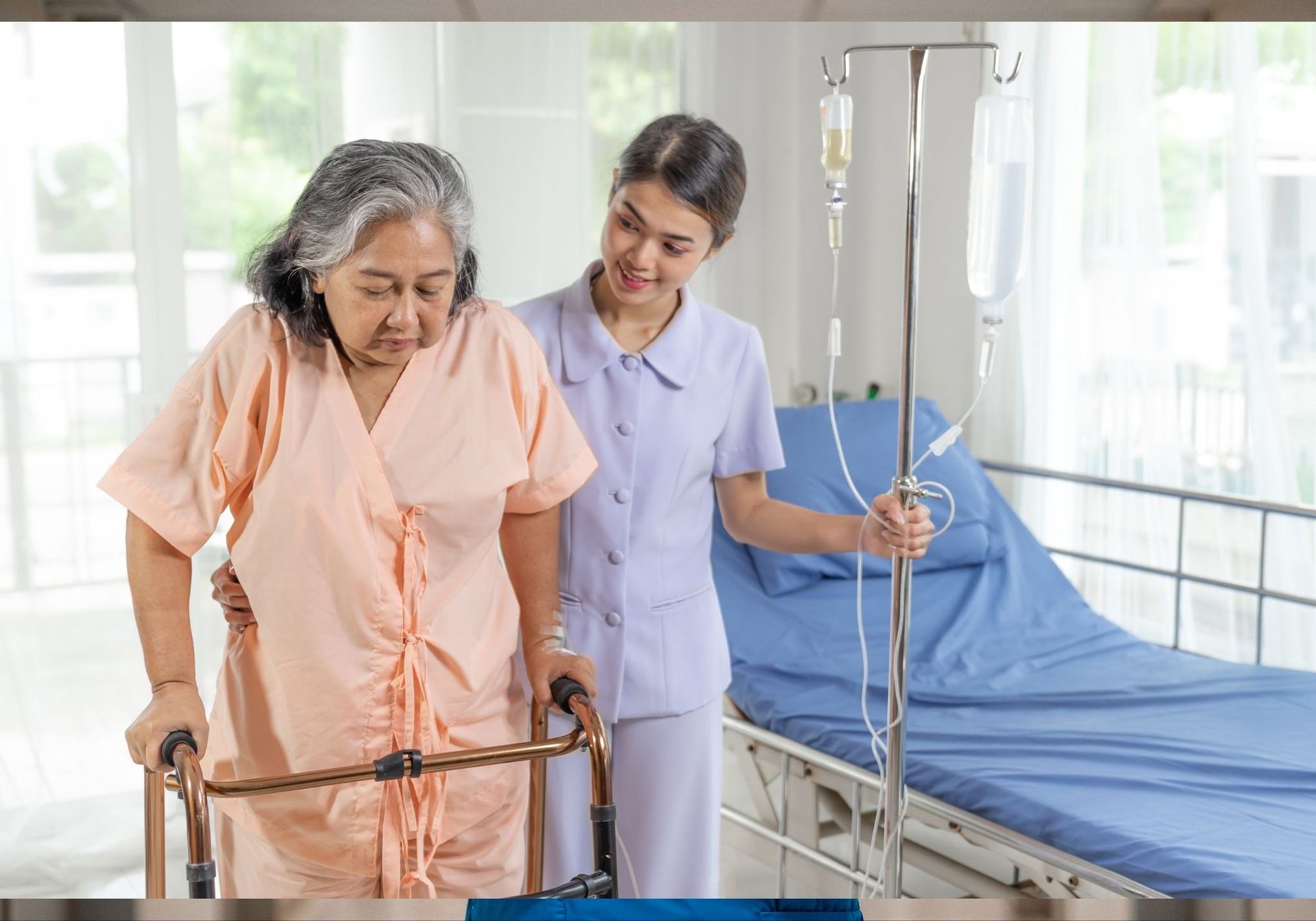
Nurses help patients move safely between the bed, chair, bathroom, and other areas of the home.
They teach safe transfer techniques while reducing the risk of falls.
Encouraging Daily Activity
Rehabilitation is not limited to formal therapy sessions.
Everyday activities become opportunities for recovery.
Nurses encourage patients to:
- Walk short distances
- Sit upright during meals
- Dress independently where possible
- Perform simple household activities
- Increase physical activity gradually
Small achievements often lead to significant long term improvements.
Preventing Muscle Contractures
Limited movement can lead to stiff joints and shortened muscles.
Nurses encourage regular repositioning and movement while supporting physiotherapy exercises to maintain flexibility.
Medication Management After Stroke
Many stroke survivors require long term medication.
This may include:
- Blood thinners
- Blood pressure medication
- Cholesterol lowering medication
- Diabetes medication
- Pain relief
- Antidepressants
Nurses ensure medications are taken correctly and monitor for side effects or interactions.
They also educate patients about:
- Why each medicine is prescribed
- Importance of taking medicines consistently
- Potential warning signs
- When medical advice should be sought
Good medication management significantly reduces the risk of another stroke.
Monitoring Recovery and Identifying Complications
Stroke recovery requires ongoing monitoring.
Nurses regularly assess:
- Blood pressure
- Heart rate
- Blood sugar levels
- Oxygen saturation
- Mobility
- Swallowing ability
- Skin integrity
- Nutrition
- Hydration
- Cognitive function
Early identification of problems allows prompt treatment.
Common complications nurses monitor include:
Pressure Ulcers
Patients with limited mobility have an increased risk of pressure sores.
Nurses use repositioning schedules, pressure relieving equipment, and regular skin assessments to prevent skin damage.
Chest Infections
Reduced mobility and swallowing difficulties increase the risk of pneumonia.
Nurses monitor breathing, encourage deep breathing exercises, and promote safe swallowing practices.
Urinary Tract Infections
Stroke survivors may experience bladder problems.
Nurses encourage hydration, monitor symptoms, and help manage continence.
Falls
Balance problems remain common after stroke.
Nurses assess environmental hazards, recommend mobility aids, and educate families on fall prevention.
Supporting Speech and Communication
Many stroke survivors develop communication difficulties.
Some experience aphasia, making speaking, understanding, reading, or writing difficult.
Although speech and language therapists provide specialist treatment, nurses reinforce communication strategies throughout daily care.
They may:
- Speak slowly and clearly
- Allow extra time for responses
- Use simple language
- Encourage alternative communication methods
- Reduce distractions
- Involve family members in communication techniques
Consistent communication support helps improve confidence.
Helping Patients with Swallowing Difficulties
Difficulty swallowing, known as dysphagia, affects many stroke survivors.
Without proper management, swallowing problems can lead to:
- Choking
- Malnutrition
- Dehydration
- Aspiration pneumonia
Nurses follow swallowing assessments and ensure patients receive food and drinks with the appropriate consistency.
They monitor:
- Eating ability
- Fluid intake
- Weight changes
- Signs of choking
- Nutritional status
Working alongside dietitians and speech therapists helps improve safety during meals.
Emotional Support Is a Major Part of Rehabilitation
Stroke affects emotional wellbeing just as much as physical health.
Many patients experience:
- Anxiety
- Depression
- Frustration
- Fear
- Low confidence
- Anger
- Social isolation
Nurses provide compassionate emotional support throughout recovery.
Sometimes patients simply need someone who listens without judgement.
Nurses encourage realistic goal setting while celebrating progress, however small.
Emotional encouragement often becomes one of the strongest motivators during rehabilitation.
Supporting Families and Carers
Stroke affects the entire family.
Loved ones suddenly become carers, often with little preparation.
Nurses educate families on:
- Safe moving and handling
- Medication routines
- Nutrition
- Mobility support
- Personal care
- Preventing complications
- Recognising stroke symptoms
- Emergency procedures
Confident carers are better equipped to support successful recovery.
Rehabilitation at Home
Many stroke survivors continue rehabilitation after leaving hospital.
Home based nursing offers several advantages.
Patients recover in familiar surroundings, reducing stress and encouraging independence.
Community nurses can assist with:
- Wound care
- Medication administration
- Blood pressure monitoring
- Continence care
- Diabetes management
- Rehabilitation support
- Health education
- Lifestyle guidance
- Care planning
Home nursing also helps identify practical issues that may not be visible in hospital settings.
Working with the Multidisciplinary Team
Stroke rehabilitation works best when healthcare professionals collaborate closely.
Nurses coordinate care with:
- Physiotherapists
- Occupational therapists
- Speech and language therapists
- Neurologists
- General practitioners
- Dietitians
- Psychologists
- Social workers
- Community healthcare teams
This coordinated approach ensures patients receive comprehensive support across every aspect of recovery.
Lifestyle Education After Stroke
Preventing another stroke is an essential goal.
Nurses provide practical education on reducing future risk factors.
Topics often include:
Healthy Diet
Patients are encouraged to eat balanced meals rich in:
- Vegetables
- Fruits
- Whole grains
- Lean protein
- Healthy fats
Reducing salt and saturated fat supports cardiovascular health.
Exercise
Regular physical activity improves:
- Heart health
- Strength
- Balance
- Mood
- Endurance
Exercise programmes are always adapted to individual ability.
Smoking Cessation
Smoking significantly increases stroke risk.
Nurses offer advice, resources, and referrals to smoking cessation services.
Alcohol Consumption
Patients receive guidance on recommended alcohol limits according to UK health guidance.
Managing Long Term Conditions
Proper management of:
- High blood pressure
- Diabetes
- High cholesterol
- Heart disease
can significantly reduce future stroke risk.
Can Nurses Deliver Rehabilitation Independently?
Nurses provide many rehabilitation interventions independently within their professional scope of practice.
However, stroke rehabilitation is most effective when delivered collaboratively.
For example:
- Physiotherapists lead complex mobility programmes.
- Occupational therapists focus on daily living skills.
- Speech therapists address communication and swallowing disorders.
- Nurses reinforce therapy goals throughout daily care while providing continuous monitoring and support.
Because nurses spend more time with patients than many other healthcare professionals, they are ideally positioned to reinforce rehabilitation techniques every day.
Signs That Professional Nursing Support May Be Needed
Professional nursing care may be beneficial if a stroke survivor experiences:
- Reduced mobility
- Difficulty managing medications
- Frequent falls
- Swallowing problems
- Memory difficulties
- Ongoing medical conditions
- Pressure sore risk
- Continence issues
- Fatigue affecting daily life
- Family carers needing additional support
Early intervention often improves long term outcomes.
Benefits of Nurse Led Stroke Rehabilitation Support
Professional nursing care offers numerous advantages throughout recovery.
These include:
Improved Safety
Continuous monitoring helps reduce complications and hospital readmissions.
Better Recovery Outcomes
Regular encouragement keeps rehabilitation progressing consistently.
Increased Confidence
Patients gain reassurance knowing experienced healthcare professionals are supporting them.
Personalised Care
Nursing care plans are tailored to each individual's abilities, goals, and medical needs.
Family Support
Families receive education, reassurance, and practical advice for everyday care.
Better Quality of Life
Holistic care focuses not only on recovery but also on emotional wellbeing and independence.
Setting Realistic Rehabilitation Goals After a Stroke
One of the most important aspects of stroke rehabilitation is setting realistic and achievable goals. Recovery is rarely immediate, and every individual's progress is different. Some people regain most of their abilities within a few months, while others may continue making gradual improvements over several years. Nurses play a significant role in helping patients understand that recovery is a journey rather than a race.
Rather than focusing only on the end result, nurses encourage patients to celebrate small milestones. These might include standing independently for the first time, preparing a simple meal, improving speech clarity, dressing without assistance, or walking a few extra steps each day. Recognising these achievements helps build confidence and motivates patients to continue participating in rehabilitation.
Goal setting also allows healthcare professionals to measure progress more effectively. Nurses regularly review care plans alongside the wider rehabilitation team, adjusting objectives as the patient's condition improves. This personalised approach ensures that rehabilitation remains challenging enough to encourage improvement while still being achievable.
Promoting Independence Throughout Recovery
A key aim of stroke rehabilitation is to help individuals regain as much independence as possible. Nurses encourage patients to participate actively in their own care rather than becoming completely reliant on others. Even when tasks take longer or require additional support, maintaining involvement can improve both physical recovery and emotional wellbeing.
For example, a patient who struggles with dressing may initially require full assistance. As strength and coordination improve, nurses may encourage them to complete parts of the task independently before providing help where needed. This gradual progression supports both rehabilitation and confidence.
Independence also extends beyond physical activities. Nurses encourage patients to make decisions about their care, discuss personal goals, and remain involved in planning their recovery. Feeling in control often has a positive effect on motivation and overall mental health.
Nutrition and Hydration During Stroke Recovery
Good nutrition is essential for healing and rehabilitation after a stroke. A balanced diet provides the body with the energy and nutrients needed to repair damaged tissues, maintain muscle strength, and support brain function.
Nurses monitor nutritional intake closely, particularly for patients who have swallowing difficulties or reduced appetite. They work with dietitians where appropriate to ensure patients receive meals that meet their individual nutritional requirements.
Adequate hydration is equally important. Dehydration can contribute to confusion, dizziness, urinary tract infections, constipation, and poor recovery. Nurses encourage regular fluid intake while following any recommendations made by speech and language therapists regarding safe swallowing techniques.
Patients and families also receive practical dietary advice that supports long term cardiovascular health.
This often includes reducing processed foods, limiting excess salt and sugar, choosing healthier fats, increasing fibre intake, and eating a wide variety of fruit and vegetables. These changes not only aid recovery but also help lower the risk of another stroke.
The Importance of Regular Follow Up Care
Stroke rehabilitation does not finish once formal therapy sessions end. Ongoing follow up care is essential to monitor recovery, identify new challenges, and prevent avoidable complications.
Nurses continue assessing physical health, mobility, medication effectiveness, emotional wellbeing, and daily functioning during follow up appointments or home visits. If concerns arise, they can refer patients to appropriate specialists, ensuring timely intervention before problems become more serious.
Regular reviews also provide opportunities for patients and carers to ask questions, discuss concerns, and receive updated advice as circumstances change. Many stroke survivors experience improvements months after the initial event, while others may develop new needs as they become more active. Continuous nursing support helps ensure rehabilitation remains responsive and patient centred.
Why Early Rehabilitation Makes a Difference
Research consistently shows that beginning rehabilitation as early as it is medically safe can improve recovery outcomes. Early movement, guided exercises, and patient education help reduce complications associated with prolonged immobility, including muscle weakness, joint stiffness, pressure ulcers, and chest infections.
Nurses are instrumental in initiating these early interventions. They encourage safe mobilisation, assist with positioning, promote circulation, and support patients in gradually increasing their activity levels under clinical guidance. Even small amounts of movement during the early stages of recovery can contribute to better long term function.
Equally important is the education provided by nurses during this period. Patients and their families learn about stroke recovery, understand realistic expectations, recognise warning signs that require medical attention, and gain confidence in managing care after discharge. This foundation supports a smoother transition from hospital to home and empowers individuals to take an active role in their rehabilitation journey.
Frequently Asked Questions
How long does stroke rehabilitation usually last?
Recovery varies considerably. Some people recover within several months, while others continue rehabilitation for years. Improvement can continue long after the initial stroke.
Can rehabilitation continue at home?
Yes. Home based rehabilitation is common and allows patients to recover in familiar surroundings while receiving ongoing nursing and therapy support.
Are community nurses trained to care for stroke patients?
Community nurses receive training in managing a wide range of long term health conditions, including stroke recovery. Many also work closely with specialist stroke rehabilitation teams.
Can nurses help prevent another stroke?
Yes. Nurses educate patients about medication adherence, healthy lifestyle choices, blood pressure management, smoking cessation, exercise, and recognising warning signs of another stroke.
What happens if recovery slows down?
Recovery often occurs in stages. Nurses encourage continued rehabilitation, reassess goals, and coordinate with other healthcare professionals to adapt treatment plans where necessary.
The Future of Stroke Rehabilitation Nursing
Healthcare continues to evolve, and nurses are becoming increasingly involved in community based rehabilitation.
Advances such as telehealth consultations, remote patient monitoring, digital rehabilitation programmes, and personalised care planning allow nurses to provide ongoing support even after hospital discharge.
As the UK's ageing population grows and stroke survival rates improve, the demand for skilled rehabilitation nurses is expected to increase. Their ability to combine clinical expertise with compassionate, patient centred care makes them an indispensable part of modern stroke rehabilitation.
Final Thoughts
So, can nurses provide rehabilitation after a stroke? Absolutely. Nurses are a fundamental part of the rehabilitation journey. While they work alongside physiotherapists, occupational therapists, speech and language therapists, and other healthcare professionals, nurses provide the continuity of care that keeps recovery moving forward.
From monitoring health,
managing medications, preventing complications, and encouraging physical recovery to supporting emotional wellbeing and educating families, nurses contribute at every stage of stroke rehabilitation. Their expertise helps patients regain independence, improve confidence, and achieve the highest possible quality of life.
Every stroke survivor has a unique recovery journey, and access to skilled nursing support can make a significant difference. Through personalised care, ongoing assessment, and compassionate guidance, nurses help transform rehabilitation from a challenging process into one focused on achievable progress and long term wellbeing.