How do I know if home nursing is right for me?
How Do I Know If Home Nursing Is Right for Me?
Choosing the right type of care for yourself or a loved one is one of the most important decisions you will ever make. As healthcare needs change due to age, illness, recovery from surgery, disability, or long term medical conditions, many families begin exploring alternatives to hospital stays and residential care homes.
One option that continues to grow in popularity across the UK is home nursing.
But how do you know if home nursing is right for you?
The answer depends on several factors, including your medical needs, personal preferences, level of independence, family support, and overall quality of life goals. Home nursing provides professional clinical care in the comfort of your own home, allowing individuals to receive personalised support while remaining in familiar surroundings.
In this guide, we will explore what home nursing involves, who can benefit from it, signs that indicate it may be the right choice, and how to evaluate whether home nursing meets your specific healthcare requirements.
What Is Home Nursing?
Home nursing is a professional healthcare service delivered in a person's home by qualified nurses and healthcare professionals. The service is designed to support individuals who require medical care, ongoing health monitoring, rehabilitation, or specialised nursing assistance outside of a hospital setting.
Home nursing can include:
- Medication administration and injections
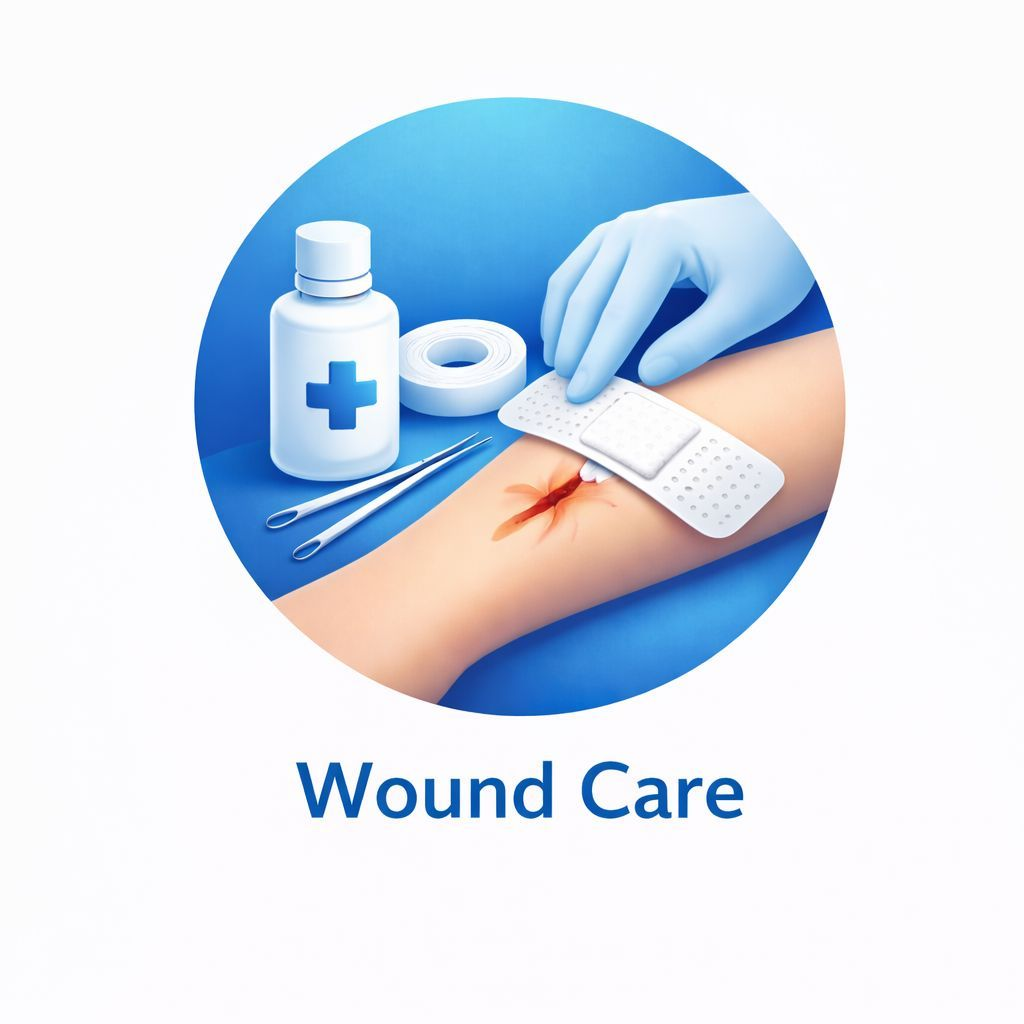
- Wound care and dressing changes
- Post operative recovery support
- Chronic disease management
- Palliative care
- Dementia care
- Catheter care
- Mobility assistance
- Monitoring vital signs
- Clinical assessments
- Personal care support
Unlike standard domiciliary care, home nursing involves clinical expertise provided by registered nurses who can manage complex healthcare needs while ensuring safety and comfort.
Professional providers such as Nurse Agnes offer tailored nursing services that allow individuals to receive high quality care while maintaining independence and dignity at home.
Quick Answer: How Do I Know If Home Nursing Is Right for Me?
Home nursing may be right for you if:
- You require regular medical care but do not need hospitalisation.
- You want to remain in your own home rather than move into a care facility.
- You are recovering from surgery or illness.
- You have a chronic health condition requiring professional monitoring.
- You need support with medications or treatments.
- You value independence and familiar surroundings.
- Your family requires additional professional support in managing your care.
If one or more of these situations applies to you, home nursing may offer a safe and effective solution.
Why More People Are Choosing Home Nursing
Healthcare preferences have shifted significantly over recent years. Many people now prefer receiving care at home rather than in institutional settings.
Several reasons contribute to this growing trend.
Familiar Environment
Being at home provides comfort, security, and emotional wellbeing. Familiar surroundings can reduce stress, anxiety, and confusion, particularly among older adults and individuals living with dementia.
Personalised Care
Home nursing is highly individualised. Care plans are designed around the patient's specific medical conditions, lifestyle, and personal goals.
Greater Independence
Many individuals wish to maintain their routines and independence for as long as possible. Home nursing supports this objective while ensuring professional healthcare oversight.
Reduced Hospital Visits
With professional nursing support at home, many patients can avoid unnecessary hospital admissions, emergency visits, and prolonged stays.
Family Involvement
Family members can remain actively involved in care planning and decision making while benefiting from professional guidance and support.
Signs That Home Nursing May Be Right for You
Determining whether home nursing is appropriate often starts with recognising specific indicators.
You Have Ongoing Medical Needs
If you require regular clinical interventions such as injections, wound care, medication management, or health monitoring, home nursing can provide these services without requiring a hospital stay.
Common conditions include:
- Diabetes
- Heart disease
- Stroke recovery
- Parkinson's disease
- Multiple sclerosis
- Respiratory conditions
- Cancer care
You Are Recovering After Surgery
Post surgical recovery often requires specialised care to ensure healing progresses safely.
Home nursing can support:
- Wound management
- Pain monitoring
- Infection prevention
- Mobility assistance
- Medication administration
- Rehabilitation support
Receiving professional care at home can enhance recovery while reducing stress associated with extended hospital stays.
You Prefer Remaining at Home
Many people simply feel happier in their own homes.
Research consistently shows that individuals often experience improved emotional wellbeing when they remain connected to familiar environments, personal belongings, neighbours, and family routines.
If maintaining independence is important to you, home nursing may align with your preferences.
You Have Mobility Challenges
Travelling to healthcare facilities can become difficult for individuals with mobility limitations.
Home nursing removes the need for frequent travel while ensuring access to professional healthcare services.
This can be particularly beneficial for people who:
- Use mobility aids
- Experience chronic pain
- Have neurological conditions
- Recover from injuries
- Have limited transportation options
Family Caregivers Need Support
Family caregivers often provide invaluable support, but caring responsibilities can become physically and emotionally demanding.
Home nursing offers professional assistance while helping families avoid caregiver burnout.
This collaborative approach allows family members to focus on emotional support while clinical needs are managed by qualified professionals.
Medical Conditions That May Benefit from Home Nursing
Many health conditions can be effectively managed through home nursing services.
Dementia and Alzheimer's Disease
Individuals living with dementia often benefit from remaining in familiar surroundings. Home nursing can provide specialised support while minimising confusion and anxiety.
Services may include:
- Medication management
- Cognitive support
- Behaviour monitoring
- Personal care assistance
- Family education
Parkinson's Disease
Parkinson's disease often requires ongoing symptom management and monitoring.
Home nursing professionals can assist with:
- Medication schedules
- Mobility support
- Fall prevention
- Health monitoring
Stroke Recovery
Recovery following a stroke frequently involves multidisciplinary support.
Home nursing can play an important role by assisting with:
- Rehabilitation programmes
- Health assessments
- Medication management
- Mobility improvement
Cancer Care
Cancer patients may require specialised nursing support throughout treatment and recovery.
Home nursing can help with:
- Symptom management
- Pain control
- Treatment monitoring
- Emotional support
- Palliative care services
Complex Long Term Conditions
People managing multiple chronic conditions often benefit from regular professional oversight that helps reduce complications and maintain stability.
Questions to Ask Yourself Before Choosing Home Nursing
To determine whether home nursing is the right option, consider the following questions.
Do I Need Regular Clinical Care?
If your condition requires ongoing nursing interventions, home nursing may be a suitable solution.
Am I Safe Living at Home?
A professional assessment can determine whether your home environment supports safe care delivery.
Would Home Care Improve My Quality of Life?
Think about where you feel most comfortable and whether remaining at home would enhance your wellbeing.
How Much Support Does My Family Provide?
Home nursing can complement family care arrangements while reducing pressure on loved ones.
What Are My Long Term Care Goals?
Understanding your personal preferences can help identify the most appropriate care pathway.
Advantages of Home Nursing Compared to Residential Care
Both home nursing and residential care offer valuable services, but many individuals prefer home nursing for several reasons.
Individual Attention
One to one care enables nurses to focus entirely on the patient's needs.
Greater Comfort
Patients remain surrounded by familiar possessions, routines, and memories.
Flexible Care Plans
Services can be adjusted as needs change.
Enhanced Privacy
Home nursing provides care within a private environment rather than a communal setting.
Emotional Wellbeing
Remaining at home can promote a sense of control, dignity, and independence.
Potential Challenges to Consider
While home nursing offers numerous benefits, it is important to consider potential limitations.
Home Suitability
Some homes may require modifications to support safe care delivery.
Complex Medical Needs
Certain acute conditions may still require hospital treatment.
Availability of Family Support
Although home nursing provides professional care, family involvement may still be beneficial depending on
circumstances.
A professional assessment can help determine whether home nursing is suitable for your specific situation.
How a Home Nursing Assessment Works
Before services begin, a comprehensive assessment is typically conducted.
This evaluation examines:
- Medical history
- Current health conditions
- Medication requirements
- Mobility levels
- Personal care needs
- Home environment
- Family support systems
- Risk factors
The information gathered helps create a personalised care plan tailored to the individual's needs.
What Makes Quality Home Nursing Different?
Not all nursing providers offer the same level of service.
When evaluating providers, consider:
Clinical Expertise
Ensure nurses possess relevant qualifications, registrations, and experience.
Personalised Care Planning
Care should be tailored to individual requirements rather than using a standardised approach.
Communication
Effective communication between nurses, patients, families, and healthcare professionals is essential.
Continuity of Care
Consistency helps build trust and improves outcomes.
Compassionate Approach
Technical expertise is important, but empathy and understanding are equally valuable.
The Emotional Benefits of Receiving Care at Home
The emotional impact of healthcare is often underestimated.
Many patients report feeling:
- More relaxed
- Less anxious
- More independent
- Better connected to family
- More in control of daily life
These emotional benefits can contribute positively to overall health outcomes and recovery.
For older adults especially, maintaining familiar routines can support cognitive function and emotional stability.
Home Nursing and Ageing in Place
The concept of ageing in place has become increasingly important across the UK.
Ageing in place refers to the ability to remain living safely and independently in one's own home as long as possible.
Home nursing supports this goal by providing professional healthcare services without requiring relocation to a residential care setting.
For many older adults, this approach offers the ideal balance between independence and professional support.
How Home Nursing Supports Better Health Outcomes
One of the most significant advantages of home nursing is its ability to support positive health outcomes. Research has shown that many patients recover more effectively when they receive care in a familiar environment. The comfort of home can reduce stress levels, improve sleep quality, and encourage greater participation in treatment plans.
Professional nurses can closely monitor changes in a patient's condition and identify potential issues before they become serious complications. Early intervention often helps prevent hospital readmissions and emergency medical situations.
For patients with chronic illnesses, regular home nursing visits provide ongoing assessments and personalised care adjustments. This proactive approach ensures that treatment remains aligned with the patient's evolving needs.
Home nursing also encourages better adherence to medication schedules. Missed medications and incorrect dosages are common concerns, particularly among older adults managing multiple prescriptions. A qualified nurse can help ensure medications are administered safely and correctly, reducing the risk of adverse health events.
The Role of Home Nursing in Preventing Hospital Readmissions
Hospital readmissions can be stressful for patients and families alike. They may also increase the risk of infections, complications, and prolonged recovery periods.
Home nursing services play an important role in reducing avoidable hospital readmissions by providing ongoing clinical oversight. Nurses can identify warning signs early and coordinate with GPs, consultants, and other healthcare professionals when concerns arise.
Patients recovering from surgery, heart conditions, respiratory illnesses, or serious infections often benefit from continued monitoring after discharge. Home nursing ensures that recovery remains on track and that any complications are addressed promptly.
Regular assessments may include:
- Monitoring blood pressure
- Checking oxygen saturation levels
- Evaluating wound healing
- Assessing mobility progress
- Reviewing medication effectiveness
- Monitoring nutritional intake
These preventative measures help create a safer transition from hospital to home.
How Home Nursing Supports Family Members
When a loved one develops healthcare needs, family members often step into caregiving roles. While this support is invaluable, it can also place significant emotional, physical, and practical demands on relatives.
Home nursing helps relieve some of these pressures by providing professional clinical care and expert guidance.
Families often gain peace of mind knowing that a qualified nurse is overseeing important aspects of their loved one's health. This reassurance can reduce stress and allow family members to focus on spending meaningful time together rather than managing complex medical responsibilities.
Home nurses can also educate family caregivers about:
- Safe mobility techniques
- Medication management
- Infection prevention
- Nutritional support
- Symptom monitoring
- Emergency response procedures
This collaborative approach strengthens the overall care network and improves outcomes for everyone involved.
Personalised Care Plans Make a Difference
No two individuals have identical healthcare needs. This is why personalised care planning is a cornerstone of effective home nursing services.
A tailored care plan considers multiple factors, including:
- Current medical conditions
- Personal preferences
- Cultural considerations
- Daily routines
- Mobility levels
- Long term healthcare goals
As health needs change over time, the care plan can be adjusted accordingly. This flexibility is one of the reasons many people prefer home nursing over more standardised care settings.
Personalised care also promotes dignity and respect. Patients are treated as individuals rather than simply as medical cases, helping them maintain a sense of control over their lives and healthcare decisions.
Choosing the Right Home Nursing Provider
Selecting the right provider is a crucial step in ensuring high quality care.
When researching home nursing services, consider asking the following questions:
- Are the nurses fully qualified and registered?
- What experience do they have with my specific condition?
- How are care plans developed and reviewed?
- Is emergency support available if required?
- How is communication maintained with family members?
- What quality assurance processes are in place?
A reputable provider will be transparent about their services, qualifications, and approach to patient care.
It is also beneficial to choose a provider that places strong emphasis on compassionate, person centred care. Clinical expertise is essential, but so too is the ability to build trust, understanding, and meaningful relationships with patients and families.
Organisations such as Nurse Agnes focus on delivering professional nursing care that combines clinical excellence with a personalised approach, helping individuals receive the support they need while remaining comfortable in their own homes.
Looking Ahead: Is Home Nursing the Future of Personalised Healthcare?
As the UK's population continues to age and healthcare needs become increasingly complex, home nursing is expected to play an even greater role in the future of healthcare delivery.
Many individuals are seeking alternatives to long hospital stays and residential care settings. Home nursing provides a solution that balances professional medical support with personal independence.
Advances in healthcare technology are also making home based care more effective than ever before. Remote monitoring devices, digital health records, and improved communication systems enable nurses to provide high quality care while maintaining close coordination with wider healthcare teams.
For many people, home nursing represents the ideal combination of safety, comfort, flexibility, and personalised healthcare. By allowing individuals to remain in familiar surroundings while receiving professional support, it offers a care model that aligns with both medical needs and personal preferences.
Frequently Asked Questions
Can home nursing replace hospital care?
Home nursing can provide many healthcare services outside a hospital environment, but some acute medical conditions still require hospital treatment.
Is home nursing only for older people?
No. Home nursing can benefit adults of all ages who require medical care, rehabilitation, or specialised support.
Can home nursing be temporary?
Yes. Services may be provided on a short term basis during recovery from surgery, illness, or injury.
Can family members still help with care?
Absolutely. Home nursing often works alongside family caregivers to create a collaborative support system.
Is home nursing personalised?
Yes. Care plans are tailored to each individual's medical needs, preferences, and goals.
Final Thoughts
So, how do you know if home nursing is right for you?
The answer lies in understanding your healthcare needs, lifestyle preferences, and long term wellbeing goals. If you require professional medical support while wishing to remain in the comfort and familiarity of your own home, home nursing may provide the ideal solution.
Whether you are recovering from surgery, managing a chronic condition, living with a complex illness, or seeking support for a loved one, home nursing offers a personalised approach that prioritises dignity, independence, and quality of life.
By choosing professional nursing care delivered in the home, individuals often gain the medical support they need while maintaining the comfort, security, and personal freedom that comes from staying in a place they know and love.