Do nurses monitor recovery after surgery?
Do Nurses Monitor Recovery After Surgery?
Recovering from surgery is about much more than the operation itself. While surgeons perform the procedure, nurses play an essential role in helping patients recover safely, comfortably and confidently. From the moment you leave the operating theatre until you return home and continue healing, nursing care is one of the most important parts of the recovery journey.
The short answer is yes. Nurses monitor recovery after surgery continuously. They assess your vital signs, manage pain, monitor wounds, identify early signs of complications, support mobility, provide emotional reassurance and educate you about caring for yourself once you leave hospital.
Whether you have undergone a minor day procedure or major surgery requiring several days in hospital, postoperative nursing care is designed to help you recover safely while reducing the risk of complications. Understanding what nurses monitor after surgery can help patients and families feel more prepared and confident about the recovery process.
If you are looking for
professional nursing support before or after surgery, experienced healthcare professionals such as those available through Nurse Agnes provide compassionate, patient-centred care that supports recovery at every stage.
Why Postoperative Monitoring Matters
Every surgical procedure places stress on the body. Anaesthesia, surgical wounds, blood loss and reduced mobility all affect how the body functions during recovery.
Although many patients recover without complications, the hours and days immediately after surgery are when healthcare professionals remain especially vigilant.
Early monitoring allows nurses to identify potential problems before they become serious, including:
- Internal or external bleeding
- Infection
- Breathing difficulties
- Blood clots
- Pain that is not adequately controlled
- Allergic reactions
- Changes in blood pressure
- Heart rhythm abnormalities
- Delayed recovery from anaesthesia
Careful observation significantly improves patient safety and supports faster recovery. UK hospitals follow structured postoperative monitoring protocols to ensure patients receive appropriate assessments after surgery.
What Happens Immediately After Surgery?
Following surgery, patients are usually transferred to the Post Anaesthetic Care Unit (PACU), commonly known as the recovery room.
Recovery nurses provide one-to-one care while the patient wakes from anaesthesia. This is one of the most closely monitored periods because the effects of anaesthetic medicines gradually wear off.
During this stage, nurses regularly assess:
- Airway and breathing
- Oxygen levels
- Blood pressure
- Heart rate
- Temperature
- Level of consciousness
- Pain
- Nausea and vomiting
- Surgical dressing
- Bleeding
Only once the patient is stable are they transferred to the ward or discharged home if appropriate.
How Nurses Monitor Recovery After Surgery
Postoperative nursing care involves ongoing assessment rather than simply checking observations every few hours. Nurses continually evaluate both physical and emotional recovery throughout the healing process.
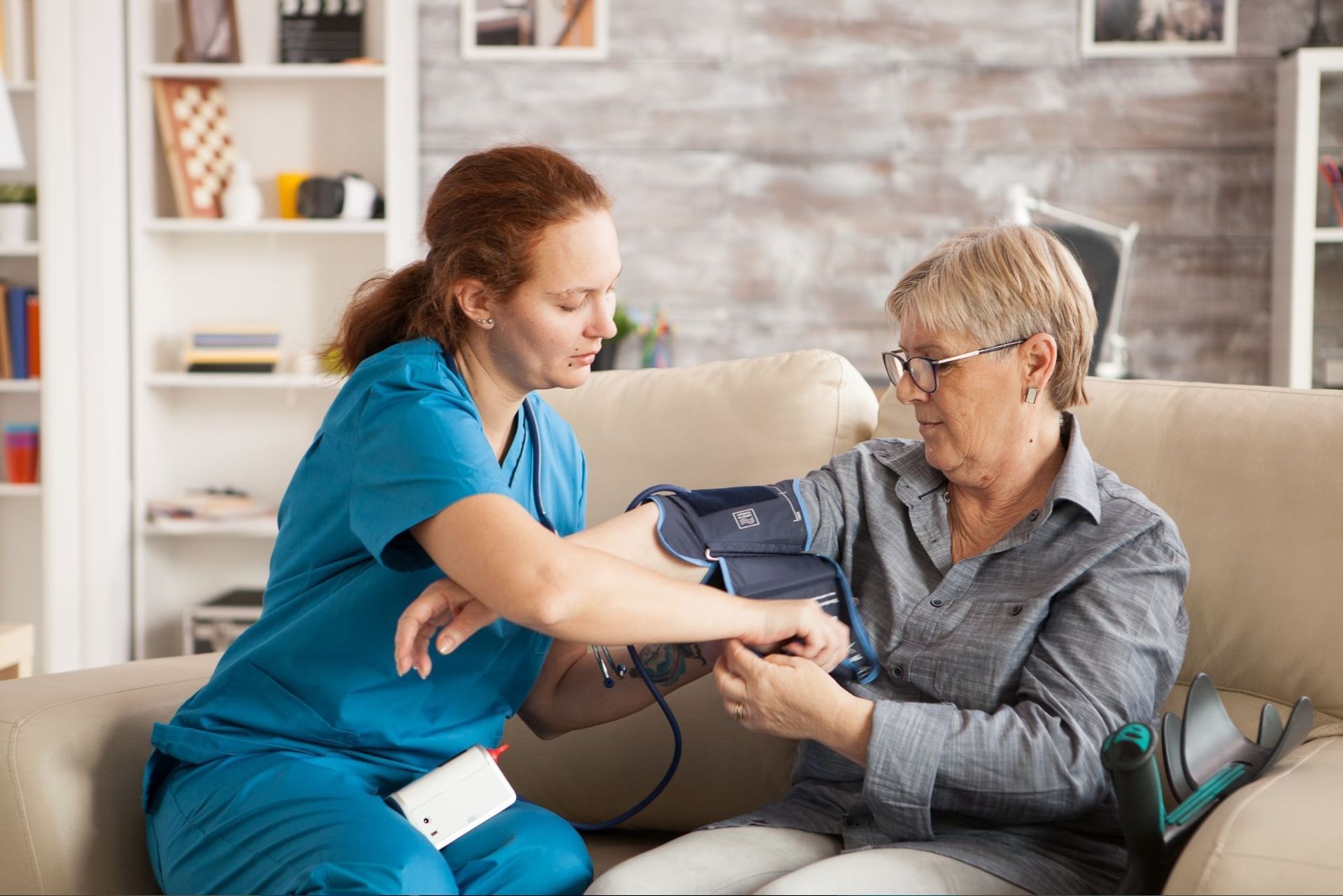
Monitoring Vital Signs
One of the first responsibilities of postoperative nurses is monitoring vital signs.
These include:
- Blood pressure
- Pulse
- Respiratory rate
- Oxygen saturation
- Body temperature
Changes in these measurements can indicate complications before obvious symptoms appear.
For example:
- Low blood pressure may suggest bleeding.
- High temperature may indicate infection.
- Reduced oxygen levels could signal breathing problems.
- Rapid heart rate may suggest pain, dehydration or internal bleeding.
Regular observations allow healthcare teams to intervene promptly if any concerns arise.
Pain Assessment and Pain Management
Pain is expected after surgery, but uncontrolled pain can slow recovery and reduce mobility.
Nurses regularly ask patients to describe:
- Pain intensity
- Pain location
- Pain type
- Whether medication is effective
Using pain assessment scales allows nurses to adjust treatment plans with the medical team.
Pain management may include:
- Oral medication
- Intravenous pain relief
- Patient-controlled analgesia (PCA)
- Local anaesthetic techniques
- Non-drug methods such as repositioning and relaxation
Effective pain control helps patients breathe deeply, move safely and sleep better, all of which support healing.
Monitoring Surgical Wounds
The surgical wound provides valuable information about recovery.
Nurses inspect wounds for signs including:
- Excessive bleeding
- Swelling
- Redness
- Warmth
- Fluid leakage
- Unusual discharge
- Separation of wound edges
- Signs of infection
Dressings are checked regularly, and any concerns are reported immediately.
Patients are also educated about wound care before discharge so they know what is normal and when to seek medical advice.
Preventing Infection
Preventing infection is one of the highest priorities after surgery.
Nurses follow strict infection prevention procedures, including:
- Hand hygiene
- Sterile dressing changes
- Monitoring temperature
- Observing wound healing
- Identifying early signs of infection
- Encouraging proper personal hygiene
Patients are also advised about keeping wounds clean and recognising symptoms such as increasing redness, fever or foul-smelling discharge.
Monitoring Recovery From Anaesthesia
General anaesthesia affects multiple body systems.
Recovery nurses monitor:
- Alertness
- Orientation
- Speech
- Muscle strength
- Swallowing ability
- Breathing patterns
Patients are not discharged from recovery until they safely regain protective reflexes and demonstrate stable observations.
Supporting Breathing
After surgery, patients may breathe more shallowly because of pain or lingering effects of anaesthesia.
Nurses encourage:
- Deep breathing exercises
- Coughing techniques
- Use of incentive spirometers where prescribed
- Sitting upright
- Early mobilisation
These measures reduce the risk of chest infections and collapsed air sacs within the lungs.
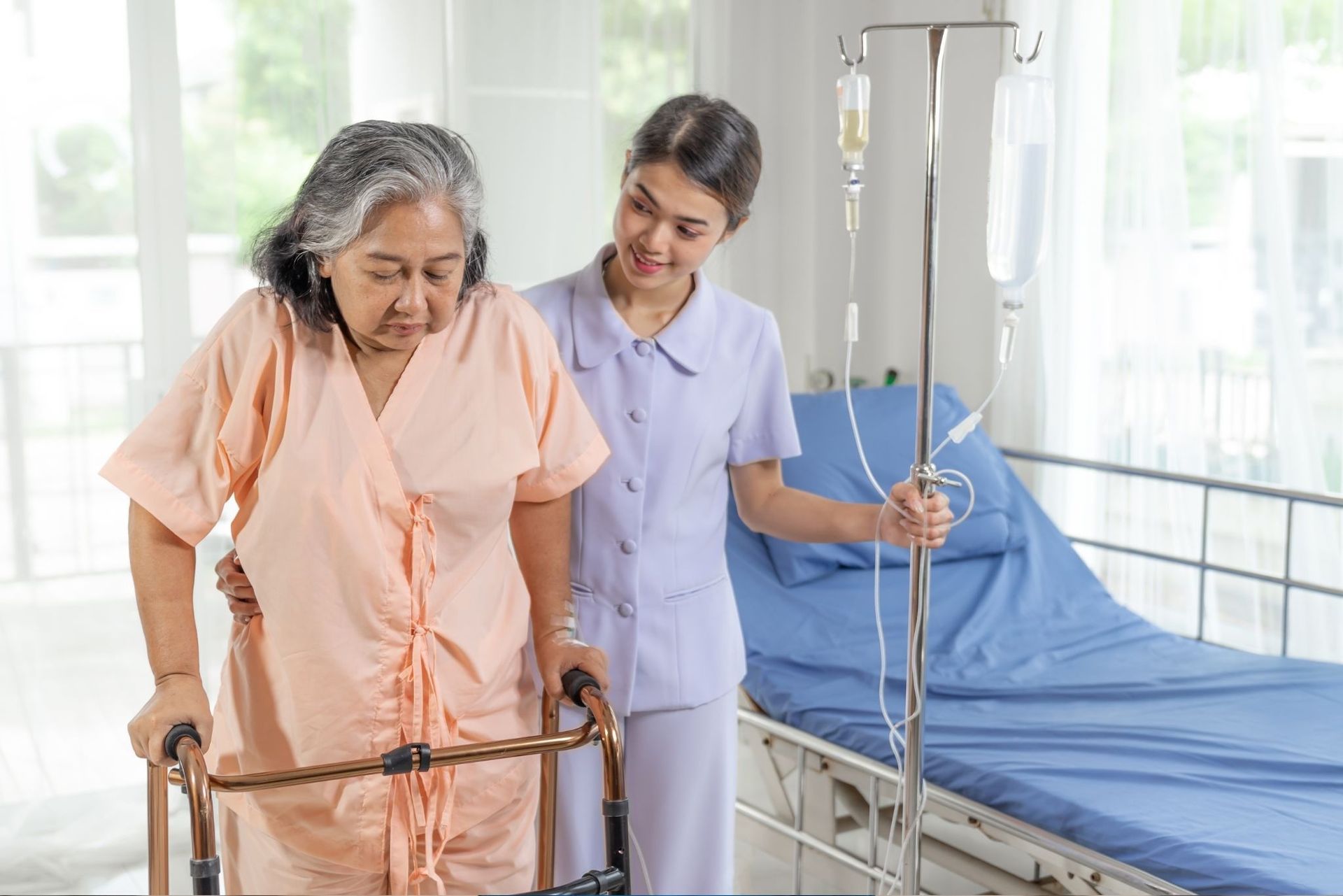
Encouraging Early Mobility
Getting patients moving safely is one of the most effective ways to speed recovery.
Prolonged bed rest increases the risk of:
- Blood clots
- Pneumonia
- Muscle weakness
- Pressure sores
- Slower recovery
Depending on the procedure, nurses help patients:
- Sit upright
- Stand safely
- Walk short distances
- Perform leg exercises
- Increase activity gradually
Enhanced Recovery After Surgery (ERAS) programmes strongly promote early mobilisation because research consistently demonstrates improved outcomes.
Monitoring Fluid Balance
Hydration is carefully monitored after surgery.
Nurses assess:
- Fluid intake
- Urine output
- Intravenous fluids
- Signs of dehydration
- Swelling
- Electrolyte balance
Maintaining proper hydration supports circulation, wound healing and kidney function.
Preventing Blood Clots
Reduced movement increases the risk of deep vein thrombosis (DVT).
Nurses help prevent blood clots by encouraging:
- Walking
- Leg exercises
- Compression stockings
- Blood-thinning medication where prescribed
Patients also receive education on recognising symptoms such as swelling, pain or redness in the legs.
Monitoring Nutrition
Nutrition plays a major role in tissue repair.
Depending on the surgery, nurses assess:
- Appetite
- Ability to swallow
- Nausea
- Vomiting
- Fluid intake
- Bowel function
Patients are encouraged to gradually return to eating according to medical advice while maintaining adequate protein intake to support healing.
Monitoring Bowel and Bladder Function
Some surgical procedures temporarily affect bladder and bowel function.
Nurses monitor:
- Passing urine
- Bowel movements
- Abdominal swelling
- Constipation
- Urinary retention
Prompt intervention helps avoid unnecessary discomfort and complications.
Emotional Support During Recovery
Surgery can be emotionally challenging.
Patients commonly experience:
- Anxiety
- Worry
- Frustration
- Fatigue
- Fear of complications
Nurses provide reassurance by:
- Explaining recovery expectations
- Answering questions
- Supporting families
- Encouraging realistic recovery goals
- Listening to patient concerns
Compassionate communication is an important part of holistic postoperative care.
Patient Education Before Going Home
Discharge planning begins long before patients leave hospital.
Nurses provide personalised advice about:
- Wound care
- Medication schedules
- Pain management
- Activity restrictions
- Bathing
- Driving
- Returning to work
- Exercise
- Diet
- Follow-up appointments
Patients also receive guidance on recognising warning signs that require urgent medical attention.
This education helps reduce hospital readmissions and gives patients confidence to manage their recovery safely at home.
Signs Nurses Watch for After Surgery
Throughout recovery, nurses remain alert for complications including:
Infection
Warning signs include:
- Fever
- Increased pain
- Redness
- Swelling
- Pus
- Unpleasant wound odour
Haemorrhage
Signs may include:
- Falling blood pressure
- Rapid pulse
- Excessive wound bleeding
- Pale skin
- Dizziness
Deep Vein Thrombosis
Symptoms include:
- Leg pain
- Swelling
- Warmth
- Redness
Pulmonary Embolism
Emergency symptoms include:
- Sudden breathlessness
- Chest pain
- Rapid heart rate
- Coughing blood
Respiratory Problems
Nurses monitor for:
- Low oxygen levels
- Difficulty breathing
- Persistent cough
- Wheezing
Early recognition allows immediate medical treatment and can prevent serious complications.
Do Nurses Continue Monitoring After You Go Home?
In many cases, yes.
Patients recovering at home may continue receiving nursing support through:
- Community nurses
- District nurses
- Private nursing services
- Home healthcare providers
Home visits may include:
- Dressing changes
- Wound assessments
- Medication support
- Removal of stitches
- Health education
- Monitoring recovery progress
This ongoing support is particularly valuable for older adults, individuals with limited mobility and patients recovering from complex procedures.
The Importance of Individualised Recovery Monitoring
No two patients recover in exactly the same way. Factors such as age, overall health, medical history, lifestyle, the type of surgery performed and any existing long term conditions all influence how quickly someone heals. This is why nurses do not use a one size fits all approach when monitoring recovery after surgery.
For example, an older adult recovering from a hip replacement may require more frequent mobility assessments and support to prevent falls. A patient with diabetes may need closer monitoring of their blood glucose levels because high blood sugar can delay wound healing and increase the risk of infection.
Similarly, someone who has undergone abdominal surgery may need additional monitoring of bowel function and nutritional intake before being discharged.
Nurses continuously adapt their care plans based on how the patient responds to treatment. If a patient is recovering more slowly than expected, nurses communicate these concerns with doctors, physiotherapists, pharmacists and other members of the multidisciplinary team. This collaborative approach ensures that patients receive the most appropriate care throughout every stage of recovery.
Individualised nursing care also helps improve patient satisfaction. When patients feel listened to and involved in decisions about their recovery, they are more likely to follow medical advice, attend follow up appointments and actively participate in their rehabilitation.
How Nurses Support Recovery After Hospital Discharge
Leaving hospital does not always mean the recovery process is complete. In fact, many patients continue healing for several weeks or even months after surgery. During this period, ongoing nursing support can make a significant difference to recovery outcomes.
Community nurses and private nursing professionals often provide essential postoperative care in the comfort of a patient's home. Their role extends beyond simple wound checks and includes monitoring overall health, assessing progress and helping patients regain confidence as they return to daily activities.
During home visits, nurses may:
- Assess whether the surgical wound is healing as expected.
- Change dressings using sterile techniques.
- Remove stitches or staples when appropriate.
- Monitor for signs of infection or delayed healing.
- Review medications and ensure they are being taken correctly.
- Check blood pressure, pulse, temperature and oxygen levels if required.
- Support patients with mobility and safe movement around the home.
- Educate family members and carers on providing appropriate assistance.
- Reinforce discharge advice and answer any questions that have arisen since leaving hospital.
This continuity of care reduces unnecessary hospital readmissions and allows potential complications to be identified early before they become more serious.
When Should Patients Contact a Healthcare Professional?
Although mild discomfort and tiredness are common after surgery, patients should know when recovery is not progressing as expected. Nurses play an important role in educating patients about warning signs that should never be ignored.
Patients should seek medical advice promptly if they experience:
- A fever or persistent high temperature.
- Increasing redness, swelling or warmth around the wound.
- Thick yellow, green or foul smelling wound discharge.
- Heavy or persistent bleeding.
- Severe pain that does not improve with prescribed medication.
- Shortness of breath or chest pain.
- Swelling, redness or pain in one leg.
- Persistent vomiting or inability to keep fluids down.
- Confusion, extreme drowsiness or difficulty waking up.
- Wounds that begin to separate or reopen.
Recognising these symptoms early allows healthcare professionals to provide prompt treatment and helps reduce the risk of more serious complications.
The Lasting Value of Postoperative Nursing Care
Modern surgery has advanced considerably, but successful outcomes depend on much more than the operation itself. High quality postoperative nursing care bridges the gap between surgery and full recovery by ensuring patients receive continuous clinical assessment, practical support and compassionate guidance.
Nurses are often the healthcare professionals who spend the most time with patients during recovery. They notice subtle changes that others may not immediately detect, provide reassurance during difficult moments and encourage patients to take an active role in their healing journey. Their expertise helps prevent complications, promotes faster rehabilitation and improves both physical and emotional wellbeing.
For patients and families, understanding that nurses closely monitor recovery after surgery provides valuable peace of mind. Whether care is delivered in hospital, at home or through specialist community services, skilled nursing support remains one of the most important factors in achieving a safe, comfortable and successful recovery.
Frequently Asked Questions
How often do nurses check patients after surgery?
Immediately after surgery, nurses may assess patients every few minutes. Once stable, observations become less frequent depending on the patient's condition and hospital protocol. Patients recovering well may have routine observations every few hours.
Can nurses detect complications before doctors?
Often, yes. Nurses spend more time with patients and continuously observe changes throughout the day. They are usually the first healthcare professionals to identify early warning signs and promptly notify the medical team.
Do nurses help manage pain after surgery?
Absolutely. Pain assessment and pain management are central parts of postoperative nursing care. Nurses evaluate pain regularly and ensure appropriate treatments are provided.
Will nurses teach me how to care for my wound?
Yes. Before discharge, nurses explain wound care, medication instructions, activity recommendations and symptoms that require medical attention.
Can nurses provide care after I leave hospital?
Yes. Many patients receive ongoing care from community nursing teams or private nursing providers who continue monitoring recovery and wound healing at home.
The Bottom Line
So, do nurses monitor recovery after surgery?
Without question, they do.
Postoperative nurses are central to safe surgical recovery. They monitor vital signs, assess wounds, manage pain, prevent complications, encourage mobility, support emotional wellbeing and educate patients for recovery at home. Their continuous assessment helps identify concerns early, improves patient outcomes and contributes significantly to successful healing.
Whether recovery takes a few days or several months, skilled nursing care provides reassurance, safety and expert guidance throughout every stage of the journey. Patients who understand the importance of postoperative nursing often feel more confident knowing experienced professionals are closely monitoring their recovery and helping them return to normal life as safely and comfortably as possible.