How long is post-surgery nursing needed?
How Long Is Post Surgery Nursing Needed?
Recovering from surgery does not end when a patient leaves the hospital. In many cases, the most important stage of healing begins at home, where ongoing medical support, careful monitoring, and personalised care help reduce complications and encourage a faster recovery. One of the most common questions patients and their families ask is, "How long is post surgery nursing needed?"
The answer depends on several factors, including the type of surgery, the patient's age, overall health, mobility, medical history, and the speed of recovery. Some individuals may only need professional nursing care for a few days, while others require several weeks or even months of post operative support.
Professional post surgery nursing plays a significant role in ensuring patients recover safely in the comfort of their own homes. Qualified nurses provide wound care, medication management, pain assessment, mobility assistance, infection prevention, and ongoing health monitoring. Their expertise helps identify complications early and provides reassurance during what can often be a stressful period.
If you are looking for experienced, compassionate home nursing support across the UK, the professional team at https://www.nurseagnes.co.uk/ offers personalised post operative nursing care tailored to each patient's recovery journey.
Quick Answer
Most patients require post surgery nursing for anywhere between three days and twelve weeks. Minor procedures may only need short term nursing visits, while major surgeries such as joint replacements, cardiac surgery, spinal surgery, abdominal surgery, or cancer surgery often require extended professional care. The exact duration should always be determined by the patient's consultant, GP, and nursing team based on recovery progress.
Why Post Surgery Nursing Is So Important
Surgery places physical stress on the body. Although hospitals provide immediate medical treatment, patients are often discharged before they have fully recovered. Home nursing bridges the gap between hospital discharge and complete independence.
Professional post operative nurses support recovery by:
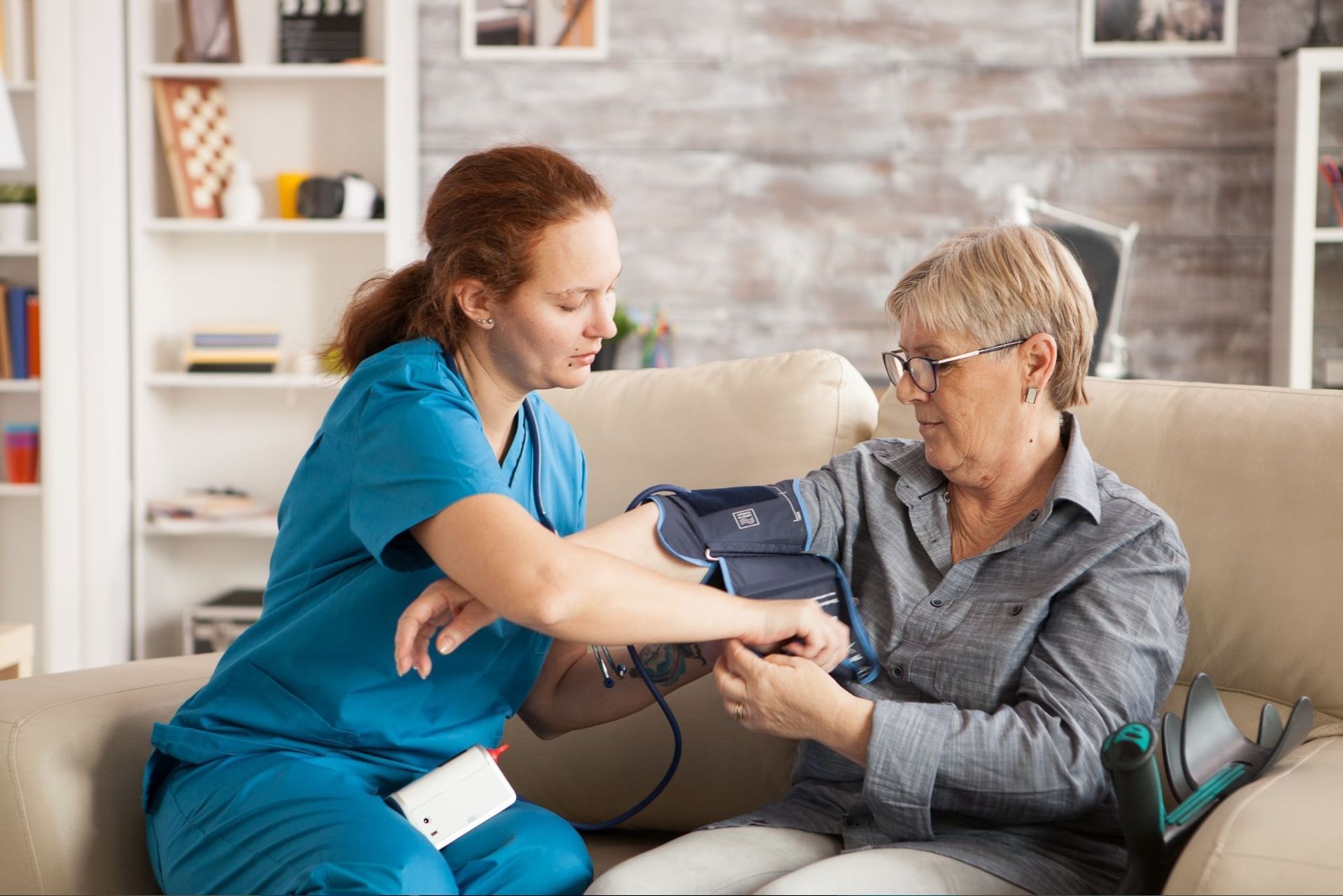
- Monitoring vital signs
- Managing surgical wounds
- Changing dressings safely
- Preventing infection
- Administering medications
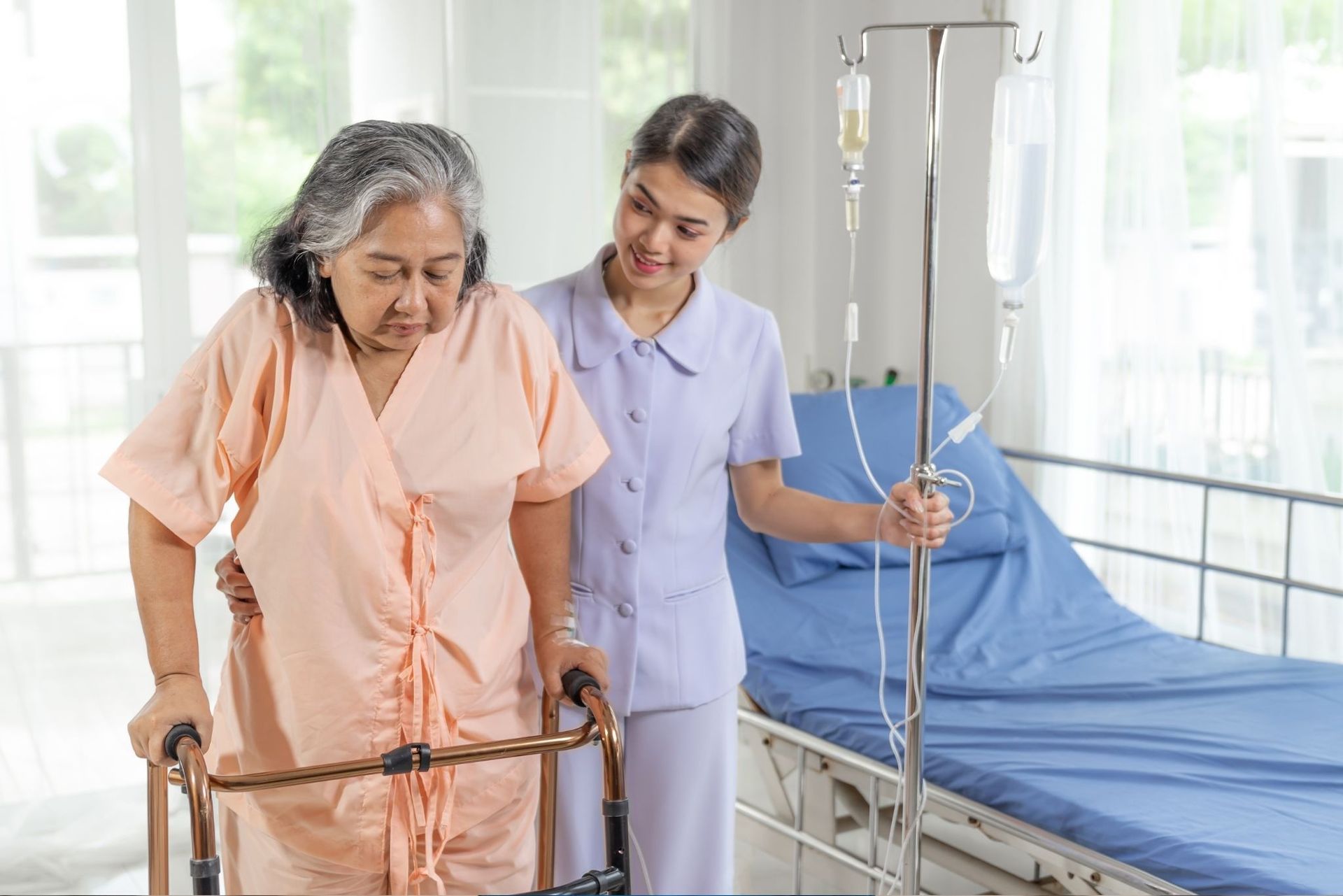
- Helping with mobility
- Supporting rehabilitation exercises
- Monitoring pain levels
- Educating patients and family members
- Identifying early warning signs of complications
Without appropriate aftercare, patients may experience delayed healing, infections, falls, medication errors, dehydration, or unnecessary hospital readmissions.
Factors That Determine How Long Post Surgery Nursing Is Needed
There is no universal timeframe because every patient heals differently. Several important factors influence how long nursing care will be required.
Type of Surgery
The complexity of surgery is usually the biggest factor affecting recovery.
Minor surgeries typically involve:
- Mole removal
- Cataract surgery
- Hernia repair
- Simple orthopaedic procedures
- Day case surgery
These procedures usually require only a few nursing visits, primarily to check wounds, change dressings, and ensure medications are being taken correctly.
Major surgeries generally require significantly longer support, including:
- Hip replacement
- Knee replacement
- Cardiac surgery
- Bowel surgery
- Cancer surgery
- Organ surgery
- Spinal surgery
Recovery from these procedures often involves ongoing wound management, rehabilitation, mobility support, pain management, and monitoring for complications.
Patient's Age
Older adults generally recover more slowly than younger individuals.
Ageing naturally affects:
- Immune response
- Muscle strength
- Bone healing
- Skin regeneration
- Balance
- Mobility
- Energy levels
Older patients are also more likely to have multiple medical conditions requiring careful monitoring after surgery.
Existing Medical Conditions
Underlying health conditions can significantly extend recovery time.
Patients with the following conditions often need longer nursing support:
- Diabetes
- Heart disease
- Chronic kidney disease
- Respiratory illness
- Obesity
- Arthritis
- Dementia
- Parkinson's disease
These conditions increase the risk of delayed healing and post operative complications.
Mobility Following Surgery
Many operations temporarily reduce a patient's ability to move independently.
Examples include:
- Joint replacement surgery
- Fracture repair
- Spinal surgery
- Neurological procedures
Nurses assist patients with safe movement, transferring between bed and chair, preventing pressure sores, reducing fall risks, and encouraging gradual rehabilitation.
Risk of Infection
Certain surgeries carry a greater risk of infection.
These include:
- Abdominal surgery
- Orthopaedic implants
- Vascular surgery
- Cancer surgery
Professional wound care and regular monitoring help reduce infection risks and ensure early intervention if problems develop.
Typical Recovery Timelines After Common Surgeries
Although recovery varies, general estimates help patients understand what to expect.
Minor Surgical Procedures
Typical nursing support:
Three to seven days
Patients usually require:
- Dressing changes
- Medication advice
- Pain monitoring
- Wound inspections
Many regain independence quickly.
Hip Replacement Surgery
Typical nursing support:
Two to six weeks
Patients often need assistance with:
- Walking safely
- Preventing falls
- Pain management
- Surgical wound care
- Rehabilitation exercises
- Mobility progression
Some older adults benefit from longer periods of home nursing depending on their overall health.
Knee Replacement Surgery
Typical nursing support:
Two to eight weeks
Recovery focuses heavily on:
- Physiotherapy support
- Swelling management
- Mobility improvement
- Pain control
- Monitoring range of movement
Nurses work alongside physiotherapists to encourage safe rehabilitation.
Cardiac Surgery
Typical nursing support:
Four to twelve weeks
Recovery may involve:
- Blood pressure monitoring
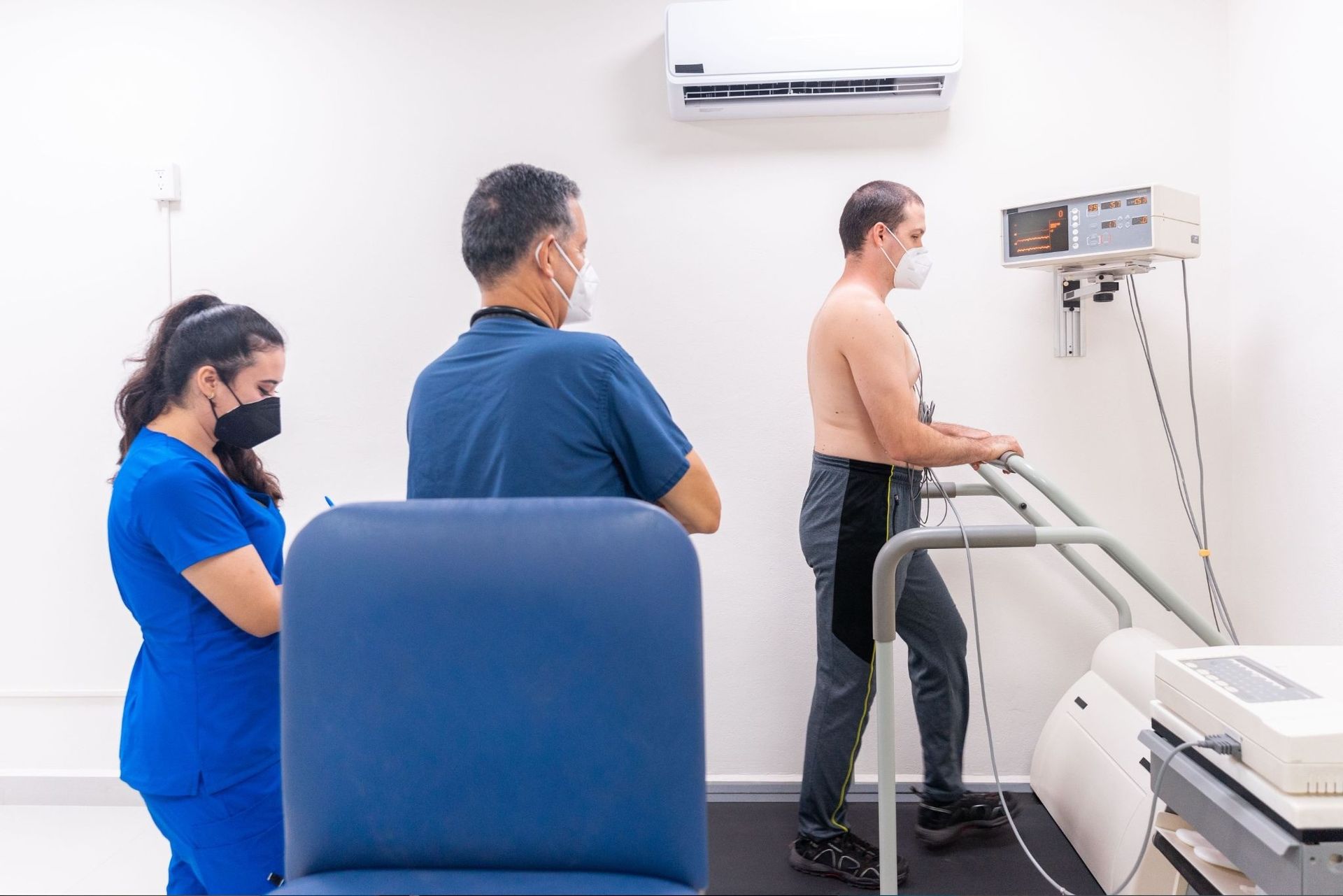
- Heart rate assessment
- Medication management
- Wound care
- Fatigue management
- Lifestyle guidance
Close observation is particularly important during the first few weeks after discharge.
Signs That Nursing Care Is Still Needed
Patients should continue receiving professional nursing care if they experience:
- Persistent pain
- Difficulty walking
- Surgical wound drainage
- Swelling around the incision
- Fever
- Reduced appetite
- Medication confusion
- Poor balance
- Breathlessness
- General weakness
Stopping nursing support too early may increase the risk of complications or delay recovery.
What Does a Post Surgery Nurse Do During Home Visits?
Each nursing visit is tailored to the patient's individual recovery needs.
Typical responsibilities include:
Wound Assessment
The nurse checks for:
- Redness
- Swelling
- Bleeding
- Discharge
- Signs of infection
- Proper healing
Dressings are changed using sterile techniques to reduce infection risk.
Medication Management
Following surgery, patients are often prescribed several medications, including pain relief, antibiotics, anticoagulants, or anti inflammatory medicines.
A nurse ensures medicines are taken correctly, monitors side effects, and communicates concerns with the patient's healthcare team.
Pain Monitoring
Pain should gradually improve over time.
Nurses regularly assess:
- Pain severity
- Medication effectiveness
- Changes in symptoms
- Signs of complications causing increased pain
This helps ensure recovery remains on track rather than masking a developing medical issue.
Supporting Recovery Through Rehabilitation
Successful recovery after surgery involves much more than allowing time for the body to heal. Patients often need structured rehabilitation to regain strength, confidence, and independence. A post surgery nurse works closely with other healthcare professionals, including physiotherapists, occupational therapists, consultants, and GPs, to support every stage of recovery.
Professional nursing care encourages patients to follow rehabilitation plans safely while reducing the risk of setbacks. Nurses also help patients understand their limitations, ensuring they do not return to normal activities too quickly.
Encouraging Safe Mobility
Remaining active after surgery is important, but movement must be gradual and appropriate for the procedure performed.
A home nurse may assist patients with:
- Walking safely around the home
- Using walking aids correctly
- Climbing stairs where appropriate
- Preventing falls
- Improving balance
- Building confidence with daily activities
Early mobility helps improve circulation, reduce the risk of blood clots, minimise muscle loss, and support overall healing.
Monitoring Nutrition and Hydration
Good nutrition plays a vital role in wound healing and tissue repair.
A post operative nurse may assess whether the patient is eating and drinking adequately. Proper nutrition supports the immune system and provides the energy needed for recovery.
Patients recovering from surgery are often encouraged to consume foods rich in:
- Protein
- Iron
- Vitamin C
- Zinc
- Calcium
- Fibre
Adequate hydration is equally important, particularly for patients taking pain medication, as dehydration can contribute to constipation, dizziness, and delayed healing.
Preventing Post Surgery Complications
One of the greatest benefits of professional nursing care is the early identification of complications.
Possible complications after surgery include:
- Surgical site infection
- Deep vein thrombosis
- Pulmonary embolism
- Pneumonia
- Pressure ulcers
- Urinary tract infections
- Medication side effects
- Delayed wound healing
Prompt recognition allows medical treatment to begin before problems become serious.
Recovery Times for Different Types of Surgery
Although every patient's experience is unique, understanding typical recovery periods can help set realistic expectations.
Abdominal Surgery
Examples include:
- Gallbladder removal
- Bowel surgery
- Appendix surgery
- Hernia repair
Typical nursing support ranges from one to four weeks depending on the complexity of the operation.
Nurses monitor:
- Surgical wounds
- Digestive function
- Pain levels
- Signs of infection
- Hydration
- Mobility
Spinal Surgery
Recovery following spinal procedures is often gradual.
Many patients require nursing care for four to twelve weeks while mobility improves.
Support may include:
- Assistance with transfers
- Pain management
- Wound care
- Neurological observations
- Safe movement techniques
Cancer Surgery
Cancer surgery varies considerably depending on the procedure performed.
Some patients recover within several weeks, while others require months of ongoing nursing support alongside chemotherapy or radiotherapy.
Nurses provide both physical and emotional support throughout recovery.
Cosmetic Surgery
Procedures such as facelifts, tummy tucks, breast surgery, or liposuction may require professional nursing during the first few days or weeks.
Post operative nurses assist with:
- Dressing changes
- Drain management
- Swelling assessment
- Pain control
- Monitoring healing
This reduces complications and promotes the best possible cosmetic outcome.
Can Family Members Replace Professional Nursing?
Family members often provide invaluable emotional support, but they are not trained healthcare professionals.
Many aspects of post operative care require clinical knowledge and experience.
Professional nurses understand how to:
- Recognise early signs of infection
- Assess wound healing
- Administer medications safely
- Monitor changes in vital signs
- Respond to medical emergencies
- Document recovery accurately
Having qualified nursing support also gives family members peace of mind and reduces caregiver stress.
When Can Post Surgery Nursing Safely End?
Professional nursing usually ends when the patient has reached important recovery milestones.
These often include:
- Surgical wounds have healed appropriately.
- Pain is well controlled.
- Medications can be managed independently.
- Mobility has improved significantly.
- Personal care can be completed safely.
- No signs of infection are present.
- The consultant or GP is satisfied with recovery.
Some patients continue with physiotherapy after nursing care has finished, particularly following orthopaedic surgery.
Benefits of Receiving Nursing Care at Home
Home based nursing has become increasingly popular because it allows patients to recover in familiar surroundings while still receiving expert clinical care.
Some key benefits include:
Greater Comfort
Patients often feel more relaxed recovering in their own home compared with remaining in hospital.
A familiar environment can improve emotional wellbeing and reduce anxiety.
Lower Risk of Hospital Acquired Infections
Leaving hospital when medically appropriate reduces exposure to infections that may circulate within healthcare settings.
Professional home nursing helps maintain this safety while continuing essential clinical care.
Personalised One to One Care
Unlike busy hospital wards, home nurses focus entirely on one patient during each visit.
This allows care plans to be tailored according to individual recovery goals, medical needs, and personal preferences.
Faster Recovery
Studies have shown that patients who recover comfortably at home with appropriate professional support often regain independence more quickly.
Regular nursing visits encourage adherence to treatment plans while providing reassurance throughout recovery.
Frequently Asked Questions
Is post surgery nursing always necessary?
Not every patient requires professional nursing after surgery. Those undergoing minor procedures with no complications may recover independently. However, older adults, individuals with chronic health conditions, and patients recovering from major operations often benefit significantly from professional nursing care.
How often will a nurse visit after surgery?
Visit frequency depends on individual needs.
Some patients require daily visits during the first week, while others may only need nursing support two or three times each week. As recovery progresses, visits usually become less frequent.
Can nurses manage surgical drains?
Yes. Qualified post operative nurses are trained to monitor, empty, and care for surgical drains while observing for signs of infection or blockage.
Can post surgery nurses administer injections?
Yes. Depending on the patient's treatment plan, nurses may administer prescribed injections such as anticoagulants, antibiotics, or other medications as directed by the treating clinician.
What happens if complications develop?
If a nurse identifies concerns such as infection, uncontrolled pain, excessive bleeding, breathing difficulties, or abnormal vital signs, they will contact the patient's healthcare team immediately and arrange appropriate medical intervention.
How to Know You Have Chosen the Right Post Surgery Nursing Provider
Choosing an experienced nursing provider can have a significant impact on recovery.
When comparing services, consider whether they offer:
- Qualified and experienced registered nurses
- Individual care plans
- Flexible visit schedules
- Wound management expertise
- Medication support
- Rehabilitation assistance
- Communication with consultants and GPs
- Compassionate, patient centred care
- Reliable emergency support where required
Professional nursing should always be tailored to the patient's clinical needs rather than following a one size fits all approach.
Final Thoughts
So, how long is post surgery nursing needed? The honest answer is that recovery is different for every individual. While some patients regain independence within a few days, others recovering from major surgery may require several weeks or months of professional nursing support.
The duration depends on the complexity of the operation, the patient's overall health, mobility, existing medical conditions, and how well healing progresses. Regular assessment by experienced nurses ensures care continues only for as long as it is genuinely needed.
High quality post operative nursing does more than assist with wound care. It provides reassurance, improves safety, reduces the risk of complications, supports rehabilitation, and helps patients regain confidence during recovery. Investing in professional after surgery care can contribute to better health outcomes and a smoother return to everyday life.
Whether recovering from orthopaedic surgery, abdominal surgery, cardiac procedures, cancer treatment, or another operation, receiving personalised nursing care at home offers comfort, continuity, and expert clinical support. Patients and families looking for trusted home nursing services can explore the experienced team at https://www.nurseagnes.co.uk/, where compassionate, patient focused care is designed to support every stage of the recovery journey.