How long does cupping treatment last
How long does cupping treatment last
Cupping therapy has become increasingly popular across the UK as more people look for natural ways to relieve muscle tension, improve circulation, and support recovery from pain and stress. One of the most common questions people ask before booking an appointment is: how long does cupping treatment last?
The answer depends on several factors, including the type of cupping therapy used, the condition being treated, individual health needs, and how the body responds after treatment.
In most cases, a cupping therapy session lasts between 20 and 45 minutes. However, the effects of the treatment can continue for several days or even weeks after the session. Some people experience immediate relief, while others may require multiple appointments for long-term benefits.
This guide explains everything you need to know about the duration of cupping treatment, how long the marks last, the lasting effects of therapy, and how often sessions may be needed. It also covers recovery expectations, benefits, side effects, and aftercare advice to help you make informed decisions before starting treatment.
What Is Cupping Therapy?
Cupping therapy is a traditional treatment that uses suction cups placed on the skin to stimulate blood flow, release muscular tension, and encourage natural healing. The therapy has roots in ancient Chinese, Middle Eastern, and Egyptian medicine and is now widely used in sports therapy, physiotherapy, wellness clinics, and holistic healthcare practices throughout the UK.
The suction is created using either heat or a mechanical pump. The cups are usually placed on areas such as the back, shoulders, neck, legs, or arms. Depending on the treatment approach, cups may remain stationary or be moved across the skin using massage oil.
There are several types of cupping treatments available:
- Dry cupping
- Wet cupping
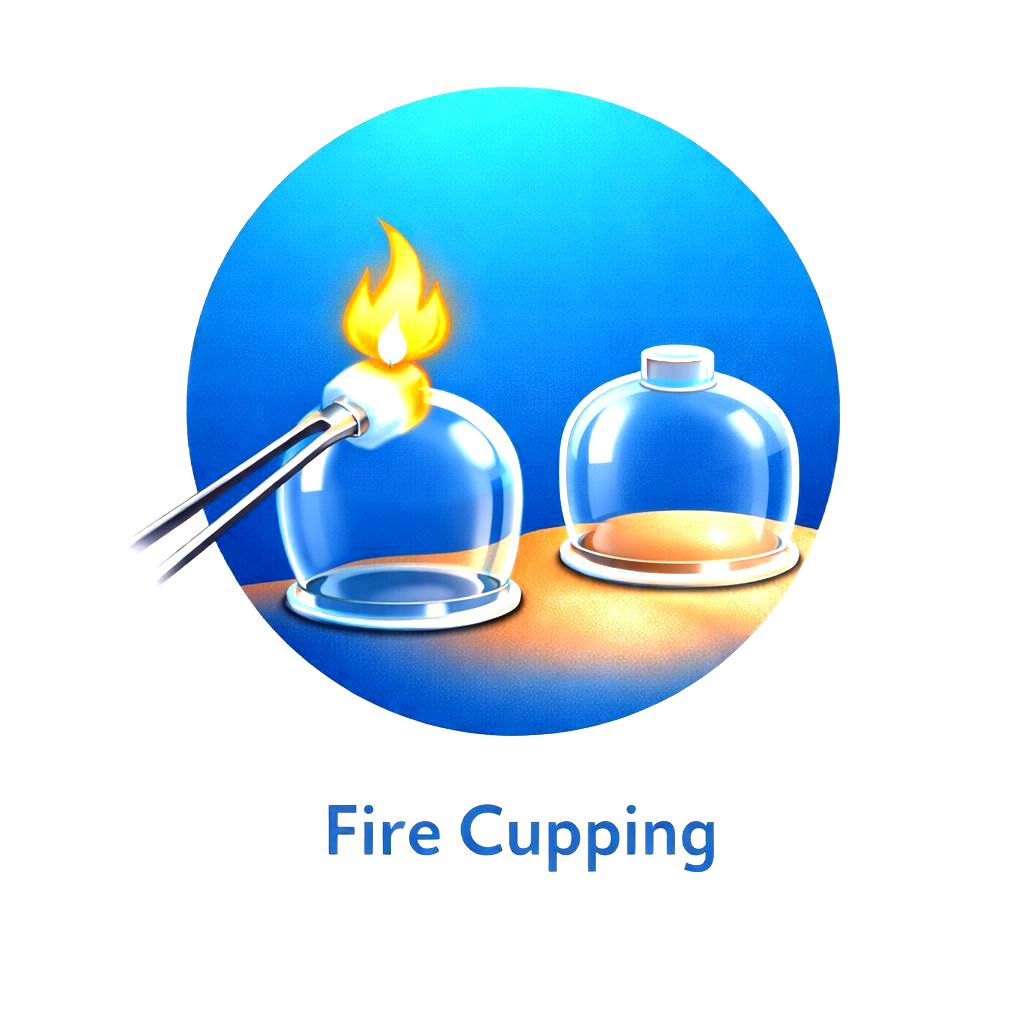
- Fire cupping
- Moving cupping
- Sports cupping
- Facial cupping
Each treatment method may vary slightly in session length and recovery time.
How Long Does a Cupping Session Last?
A standard cupping treatment session generally lasts between 20 and 45 minutes. The actual duration depends on the treatment plan and the number of cups used during therapy.
Typical Cupping Session Times
| Type of Cupping | Average Session Length |
|---|---|
| Dry Cupping | 20–30 minutes |
| Wet Cupping | 30–45 minutes |
| Moving Cupping | 20–40 minutes |
| Sports Cupping | 30–60 minutes |
| Facial Cupping | 15–20 minutes |
During the appointment, the practitioner will first assess your condition, discuss symptoms, and determine the best placement for the cups. The cups are usually left on the skin for around 5 to 20 minutes.
For sports recovery or chronic pain conditions, longer sessions may sometimes be recommended.
How Long Do the Effects of Cupping Therapy Last?
The results of cupping therapy vary from person to person. Some individuals feel relief immediately after one session, while others notice gradual improvements over several days.
Immediate Effects
Many people report:
- Reduced muscle tightness
- Improved flexibility
- Relaxation
- Better circulation
- Reduced pain and stiffness
These benefits may last anywhere from a few days to several weeks depending on lifestyle, hydration, stress levels, and overall health.
Long-Term Benefits
With regular sessions, cupping therapy may help manage:
- Chronic back pain
- Neck and shoulder tension
- Sports injuries
- Migraines
- Stress-related tension
- Muscle fatigue
People receiving ongoing treatment often schedule appointments every 2 to 6 weeks for maintenance and symptom management.
How Long Do Cupping Marks Last?
One of the most recognisable aspects of cupping therapy is the circular marks left on the skin after treatment. These marks are not bruises in the traditional sense. They occur because suction draws blood to the surface of the skin.
Average Duration of Cupping Marks
Most cupping marks last between 3 and 14 days.
The colour and duration depend on:
- Skin sensitivity
- Intensity of suction
- Toxin build-up
- Blood circulation
- Overall health condition
Lighter marks often fade within a few days, while darker marks may take up to two weeks to disappear fully.
What Different Cupping Mark Colours May Indicate
| Colour | Possible Meaning |
|---|---|
| Light pink | Mild stagnation or healthy circulation |
| Red | Increased blood flow |
| Dark purple | Deeper stagnation or tension |
| Brownish | Older stagnation or chronic muscle tightness |
These interpretations are commonly used in traditional cupping practices, though they are not considered medical diagnoses.
Factors That Affect How Long Cupping Treatment Lasts
Several factors influence how long the benefits of cupping therapy continue after treatment.
1. The Condition Being Treated
Acute muscle tension may improve quickly after one session, while chronic pain conditions often require ongoing treatment.
2. Frequency of Sessions
Regular appointments can provide longer-lasting relief. Maintenance sessions are often recommended monthly for chronic issues.
3. Lifestyle and Activity Levels
Hydration, exercise, posture, stress management, and sleep all impact how long results last.
4. Individual Healing Response
Everyone responds differently to cupping therapy. Some individuals notice significant improvements after a single appointment, while others need multiple sessions.
5. Type of Cupping Used
Wet cupping, sports cupping, and moving cupping may produce different recovery timelines and therapeutic outcomes.
How Often Should You Have Cupping Therapy?
The ideal frequency depends on your health goals and symptoms.
General Recommendations
| Purpose | Suggested Frequency |
|---|---|
| Relaxation and wellness | Once every 4–6 weeks |
| Sports recovery | Weekly or fortnightly |
| Chronic pain management | Every 1–2 weeks initially |
| Muscle tension relief | Every 2–4 weeks |
A qualified practitioner will tailor the treatment plan according to your condition and response to therapy.
What Happens During a Cupping Therapy Session?
Understanding the treatment process helps set realistic expectations about session duration and recovery.
Step 1: Consultation
The practitioner discusses symptoms, medical history, and treatment goals.
Step 2: Cup Placement
Cups are positioned on targeted areas such as the back, shoulders, or legs.
Step 3: Suction Creation
Suction is applied using heat or a manual pump.
Step 4: Treatment Time
The cups remain in place for several minutes while circulation increases beneath the skin.
Step 5: Removal and Aftercare
The practitioner removes the cups and may provide aftercare advice to support recovery.
Does Cupping Therapy Hurt?
Cupping therapy is generally well tolerated. Most people describe the sensation as tightness or pressure rather than pain.
Some temporary discomfort may occur if:
- Strong suction is used
- The area is already inflamed
- Deep muscular tension is present
The marks may feel tender for a day or two afterwards, similar to post-massage soreness.
How Long Does It Take to Recover After Cupping?
Recovery time after cupping therapy is usually short. Most individuals can return to normal daily activities immediately after treatment.
Common Temporary Effects
- Mild soreness
- Skin sensitivity
- Fatigue
- Lightheadedness
- Temporary redness
These symptoms typically resolve within 24 to 48 hours.
Aftercare Tips
To maximise the benefits of treatment:
- Drink plenty of water
- Avoid intense exercise for 24 hours
- Keep the treated area warm
- Avoid hot showers immediately afterwards
- Rest if feeling tired
Proper aftercare can help extend the positive effects of therapy.
Is Cupping Therapy Safe?
Cupping therapy is generally considered safe when performed by a trained and qualified practitioner.
However, treatment may not be suitable for everyone, including individuals with:
- Blood clotting disorders
- Severe skin conditions
- Active infections
- Certain cardiovascular conditions
- Pregnancy in some cases
Always consult a qualified healthcare professional before starting any complementary therapy.
Those seeking professional guidance and holistic wellness support can explore services provided by Nurse Agnes
for more information about patient-centred care and wellness treatments in the UK.
Benefits of Cupping Therapy
Many people choose cupping therapy because of its potential physical and mental wellness benefits.
Commonly Reported Benefits
- Reduced muscular tension
- Improved circulation
- Relaxation and stress reduction
- Better mobility
- Enhanced sports recovery
- Reduced inflammation
- Support for chronic pain management
Although many individuals report positive experiences, scientific evidence continues to evolve regarding the effectiveness of cupping therapy for specific conditions.
Cupping Therapy for Sports Recovery
Athletes and active individuals often use sports cupping to support recovery after training or competition.
Why Athletes Use Cupping
Sports cupping may help:
- Reduce muscle stiffness
- Improve mobility
- Promote blood circulation
- Speed up recovery
- Support muscle relaxation
Professional athletes and physiotherapists frequently incorporate cupping into broader recovery programmes.
How Long Does Wet Cupping Last Compared to Dry Cupping?
Wet cupping and dry cupping differ in both procedure and recovery time.
Dry Cupping
- Less invasive
- Faster recovery
- Marks typically fade within days
- Session length around 20–30 minutes
Wet Cupping
- Involves small superficial skin incisions
- Longer recovery time
- Requires strict hygiene standards
- Sessions may last up to 45 minutes
Wet cupping may also leave marks that last slightly longer because of the deeper therapeutic process involved.
Can Cupping Therapy Provide Permanent Results?
Cupping therapy is generally used as a supportive wellness treatment rather than a permanent cure. Long-
term benefits depend on:
- Consistency of treatment
- Lifestyle habits
- Underlying health conditions
- Exercise and posture
- Stress management
Some people experience long-lasting relief after several sessions, while others use cupping regularly as part of ongoing wellness care.
Signs You May Benefit From Repeat Cupping Sessions
You may consider additional sessions if you experience:
- Returning muscle tension
- Ongoing stiffness
- Sports-related soreness
- Stress-related tightness
- Chronic pain symptoms
Your practitioner can recommend an appropriate treatment schedule based on your progress.
Frequently Asked Questions
How long do cupping therapy benefits last?
Benefits can last from several days to several weeks depending on the individual, treatment type, and lifestyle habits.
How long should cups stay on during treatment?
Most practitioners leave cups on for between 5 and 20 minutes.
Are cupping marks permanent?
No. Cupping marks are temporary and usually fade within 1 to 2 weeks.
Can you shower after cupping therapy?
It is generally recommended to wait a few hours before taking a hot shower to avoid skin irritation.
How many cupping sessions are needed?
Some individuals feel relief after one session, while chronic conditions may require multiple treatments over time.
Is cupping therapy good for back pain?
Many people use cupping therapy to help manage muscular back pain and tension, although results vary between individuals.
Final Thoughts
So, how long does cupping treatment last? A typical cupping therapy session usually lasts between 20 and 45 minutes, while the therapeutic effects may continue for days or weeks afterwards. The visible marks commonly fade within 3 to 14 days, depending on skin type and treatment intensity.
Cupping therapy remains a popular complementary treatment across the UK for muscle recovery, stress relief, and pain management. Whether you are exploring cupping for sports recovery, chronic tension, or general wellness, choosing a qualified practitioner and following proper aftercare advice can help maximise the benefits.
As interest in holistic healthcare continues to grow, more individuals are turning to complementary wellness therapies alongside professional healthcare support to improve overall wellbeing.