How much does a cupping session usually cost
How much does a cupping session usually cost
Cupping therapy has become increasingly popular across the UK as more people look for complementary treatments to support pain relief, muscle recovery, relaxation, and overall wellbeing. One of the most common questions people ask before booking treatment is: how much does a cupping session usually cost?
The answer depends on several factors, including the clinic location, therapist experience, session duration, treatment type, and whether the session is part of a wider wellness or rehabilitation programme. In the UK, cupping therapy prices can vary significantly between private clinics, sports therapy centres, physiotherapy practices, and mobile healthcare providers.
This guide explains the average cost of cupping therapy in the UK, what affects pricing, what is included in a session, and how to choose a reputable practitioner. It also explores the different types of cupping available and whether cupping therapy is worth the investment for long-term wellbeing.
For professional healthcare and wellness support in the UK, many people also explore services from
Nurse Agnes for private nursing and complementary care options.
Average Cost of a Cupping Session in the UK
The average cupping therapy session in the UK typically costs between £40 and £120 per appointment.
Here is a general pricing breakdown:
| Type of Session | Average UK Cost |
|---|---|
| Short introductory session | £30–£50 |
| Standard 45–60 minute session | £50–£90 |
| Specialist sports cupping | £70–£120 |
| Wet cupping therapy | £60–£120 |
| Home visit cupping session | £80–£150 |
| Luxury wellness clinic cupping | £100–£200 |
Prices in major cities such as London, Manchester, and Birmingham are often higher due to increased clinic overheads and demand.
Smaller towns and regional clinics may offer more affordable pricing while still delivering high-quality treatment.
What Is Included in the Cost of a Cupping Session?
Cupping therapy works by creating negative pressure on the skin. Unlike massage, which compresses tissue, cupping lifts tissue upward.
Practitioners believe this process may:
- Increase local blood circulation
- Reduce muscle tightness
- Encourage lymphatic drainage
- Improve fascial mobility
- Stimulate the nervous system
- Promote relaxation
- Support recovery after physical activity
Although traditional explanations often involve concepts such as energy flow or stagnation, modern clinical theories focus more on circulation, neuromuscular response, and soft tissue mobilisation.
The circular marks left after treatment are not usually bruises. They are typically caused by tiny blood vessels responding to suction pressure beneath the skin surface.
Factors That Affect the Cost of Cupping Therapy
Several factors influence how much a cupping session usually costs in the UK.
Practitioner Experience
Highly qualified practitioners with clinical experience, healthcare training, or sports rehabilitation expertise generally charge higher fees.
For example, cupping performed by:
- Registered nurses
- Physiotherapists
- Sports therapists
- Osteopaths
- Traditional Chinese Medicine practitioners
may cost more than sessions offered in general beauty or wellness salons.
Patients often pay extra for practitioners with advanced anatomical knowledge and medical training because treatment may feel safer and more personalised.
Clinic Location
Location plays a major role in pricing.
Clinics in affluent areas or central city locations tend to charge more due to:
- Higher rent costs
- Increased demand
- Premium facilities
- Specialist clientele
For example, a cupping session in central London may cost twice as much as a similar treatment in a smaller town.
Session Length
The longer the session, the higher the price.
Typical session durations include:
| Session Duration | Typical Cost |
|---|---|
| 20–30 minutes | £30–£50 |
| 45 minutes | £45–£75 |
| 60 minutes | £60–£100 |
| 90 minutes | £100–£150 |
Longer appointments may involve a more comprehensive treatment plan or multiple therapy techniques.
Type of Cupping Therapy
Different forms of cupping require varying levels of expertise and equipment.
Dry Cupping
Dry cupping is usually the most affordable option. It involves placing suction cups on the skin without drawing blood.
Average price:
£40–£80
Wet Cupping
Wet cupping, sometimes called Hijama therapy, involves controlled skin pricking and blood extraction after suction.
Because it requires stricter hygiene protocols and specialised training, wet cupping generally costs more.
Average price:
£60–£120
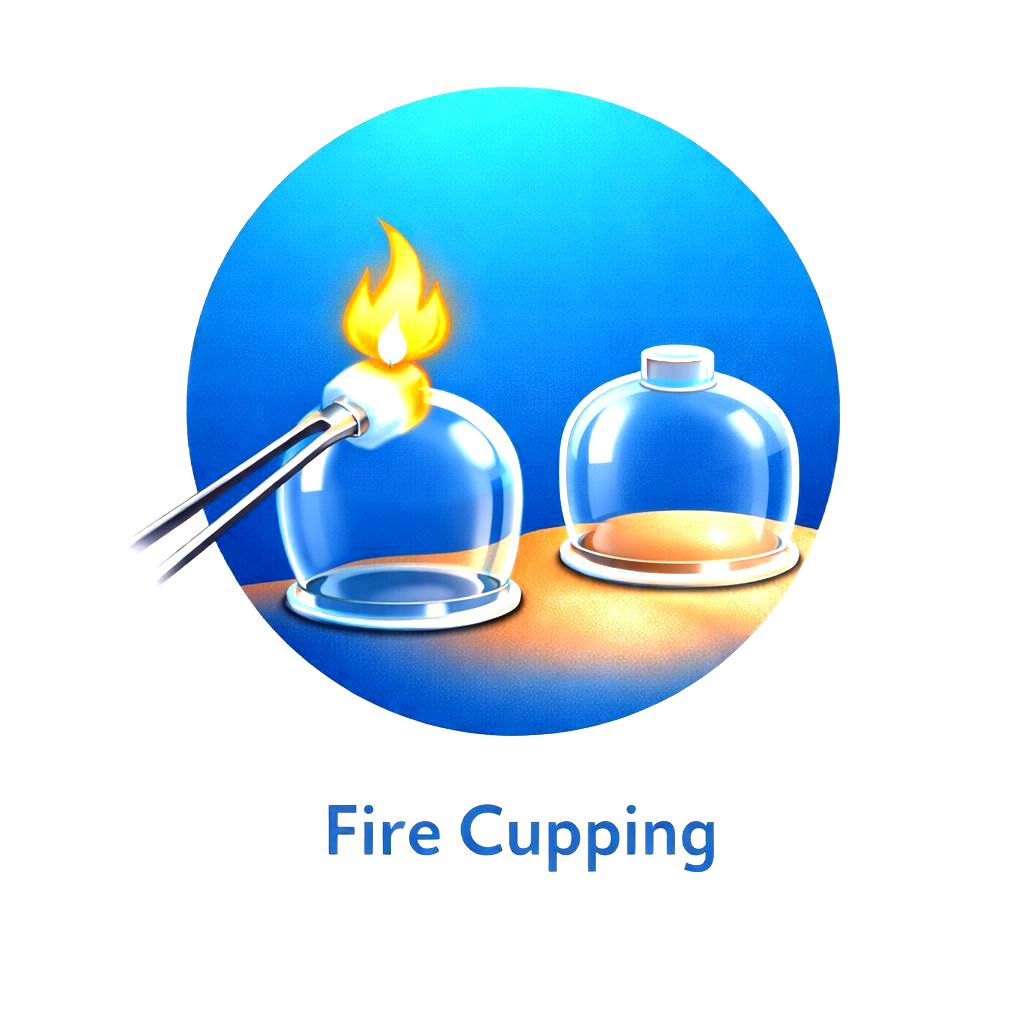
Fire Cupping
Fire cupping uses heat to create suction inside glass cups. It is often associated with Traditional Chinese Medicine.
Average price:
£50–£100
Sports Cupping
Sports cupping targets muscle recovery, athletic performance, and injury prevention.
Sports therapists often combine cupping with massage and rehabilitation exercises.
Average price:
£70–£120
Why Do Some Cupping Clinics Charge More?
Premium pricing often reflects several quality indicators.
Higher-cost clinics may provide:
- Private consultation rooms
- Clinical-grade hygiene standards
- Medical supervision
- Advanced practitioner qualifications
- Bespoke treatment plans
- Integrated rehabilitation support
- Luxury wellness facilities
Some clients prioritise expertise and safety over low pricing, especially when seeking treatment for chronic pain or sports injuries.
Is Expensive Cupping Therapy Better?
Not necessarily.
Higher prices do not always guarantee better treatment outcomes. However, very low-cost cupping
sessions may indicate:
- Limited practitioner training
- Poor hygiene standards
- Short treatment times
- Lack of consultation
- Generic treatment approaches
Choosing a qualified and experienced practitioner is usually more important than selecting the cheapest option.
Patients should look for:
- Verified reviews
- Professional qualifications
- Transparent pricing
- Proper consultation procedures
- Clear hygiene practices
- Insurance coverage
Does the NHS Cover Cupping Therapy?
In most cases, the NHS does not routinely cover cupping therapy.
Cupping is generally considered a complementary or alternative therapy rather than a standard NHS treatment.
However, some integrated pain management clinics or physiotherapy programmes may include related therapies under specific circumstances.
Most people seeking cupping therapy in the UK pay privately.
How Often Should You Have Cupping Therapy?
Treatment frequency affects the overall annual cost.
Recommendations vary depending on the reason for treatment.
For General Wellness
Many people book sessions:
- Once per month
- Every six weeks
- Seasonally
Estimated yearly cost:
£400–£900
For Chronic Pain
Individuals managing chronic pain may initially attend weekly or fortnightly sessions.
Estimated short-term treatment cost:
£300–£1,000+
For Sports Recovery
Athletes sometimes use cupping:
- Before competitions
- After intense training
- During rehabilitation
Costs depend on frequency and performance goals.
Is Cupping Therapy Worth the Cost?
Many people feel cupping therapy provides good value when used appropriately.
Reported benefits may include:
- Muscle tension relief
- Improved circulation
- Relaxation
- Reduced soreness
- Enhanced recovery
- Stress reduction
- Temporary pain relief
Athletes and physically active individuals often use cupping as part of broader recovery programmes.
However, results vary between individuals, and cupping should not replace medical diagnosis or essential healthcare treatment.
What Conditions Are Commonly Treated With Cupping?
People seek cupping therapy for many reasons.
Common concerns include:
- Back pain
- Neck stiffness
- Shoulder tension
- Muscle soreness
- Sciatica
- Sports injuries
- Migraines
- Stress and anxiety
- Fatigue
- Poor circulation
Some individuals also use cupping alongside physiotherapy or rehabilitation programmes.
Are There Extra Costs Beyond the Session Fee?
Some clinics charge additional fees for:
- Initial consultations
- Specialist equipment
- Home visits
- Combination therapies
- Follow-up treatments
- Premium oils or herbal therapies
Always ask for a complete price breakdown before booking.
Transparent clinics clearly explain:
- What is included
- Session duration
- Cancellation policies
- Additional charges
- Recommended treatment frequency
Home Visit Cupping Therapy Costs
Mobile cupping therapy services are becoming more popular across the UK.
Home appointments are convenient for:
- Busy professionals
- Elderly clients
- Post-operative patients
- Athletes
- Individuals with mobility issues
However, home visits usually cost more because practitioners include:
- Travel time
- Transport expenses
- Portable equipment setup
Typical home visit pricing:
£80–£150+
Some providers offer discounted rates for multiple household bookings.
Cupping Therapy Packages and Memberships
Many clinics offer discounted treatment packages.
Examples include:
| Package Type | Estimated Cost |
|---|---|
| 3-session package | £120–£220 |
| 5-session package | £200–£400 |
| Monthly wellness membership | £60–£150 per month |
Packages may reduce the cost per session and encourage consistent treatment.
Before purchasing packages, ensure:
- The practitioner is qualified
- Refund policies are clear
- Treatments suit your health goals
What Happens During a Typical Cupping Session?
Understanding the process helps patients decide whether the cost feels reasonable.
Initial Consultation
The practitioner asks about:
- Medical history
- Pain areas
- Injuries
- Lifestyle
- Treatment goals
Preparation
The skin is cleaned thoroughly, and the treatment area is prepared.
Cup Placement
Cups are placed using suction created by:
- Heat
- Pumps
- Silicone compression
Treatment Duration
Cups usually remain on the skin for:
5–20 minutes
Aftercare Advice
Patients may receive advice about:
- Hydration
- Rest
- Exercise
- Skin care
- Recovery expectations
Why Do Cupping Marks Appear?
Circular marks are one of the most recognisable effects of cupping therapy.
These marks occur due to suction pulling blood toward the skin surface.
The marks:
- Are usually painless
- Often fade within days
- Vary in colour intensity
- Are not typically bruises in the traditional sense
Some people view stronger marks as an indicator of tissue stagnation, though scientific evidence remains limited.
Are There Risks Associated With Cheap Cupping Therapy?
Very low-cost providers may present safety concerns.
Potential risks include:
- Poor sterilisation
- Infection
- Skin burns
- Excessive suction
- Cross-contamination
- Unqualified practitioners
Wet cupping especially requires strict hygiene standards.
Patients should avoid unlicensed or poorly reviewed providers simply to save money.
Questions to Ask Before Booking a Cupping Session
Before paying for treatment, ask:
- What qualifications do you hold?
- Is the session personalised?
- How long will treatment last?
- What type of cupping do you use?
- Are there any side effects?
- What hygiene procedures do you follow?
- Are follow-up sessions recommended?
- What is included in the price?
These questions help patients compare value rather than focusing only on cost.
Cupping Therapy vs Massage Cost
People often compare cupping therapy prices with massage therapy.
Here is a rough UK comparison:
| Treatment | Average Cost |
|---|---|
| Swedish massage | £40–£80 |
| Deep tissue massage | £50–£100 |
| Sports massage | £60–£120 |
| Cupping therapy | £40–£120 |
Cupping therapy is similarly priced to specialist massage services.
Some clinics combine both treatments for enhanced muscle recovery.
Can Private Nurses Offer Cupping Therapy?
In some cases, trained nurses and healthcare professionals may integrate complementary wellness services into broader care plans.
Healthcare-led providers often emphasise:
- Safety
- Hygiene
- Clinical assessment
- Patient-centred treatment
Patients seeking medically informed wellness support sometimes prefer healthcare practitioners rather than general wellness centres.
For those exploring private healthcare and wellness support in the UK, Nurse Agnes provides a range of private nursing and patient-focused care services.
Scientific Evidence and Public Interest in Cupping
Interest in cupping therapy increased significantly after elite athletes publicly used the treatment during international sporting events.
Research into cupping continues to develop, though scientific evidence remains mixed.
Some studies suggest cupping may help:
- Short-term pain relief
- Muscle relaxation
- Circulation support
However, larger clinical studies are still needed to confirm long-term effectiveness.
Patients should view cupping as a complementary therapy rather than a guaranteed medical solution.
How to Find a Reputable Cupping Practitioner in the UK
When choosing a clinic, consider:
Qualifications
Look for training in:
- Sports therapy
- Physiotherapy
- Traditional Chinese Medicine
- Nursing
- Osteopathy
Reviews and Testimonials
Verified reviews can indicate:
- Professionalism
- Cleanliness
- Communication
- Treatment quality
Hygiene Standards
Ensure practitioners use:
- Sterile equipment
- Disposable materials where appropriate
- Proper cleaning procedures
Consultation Process
Professional clinics take time to:
- Assess your health
- Explain risks
- Discuss goals
- Create personalised plans
Red Flags When Comparing Prices
Be cautious if:
- Prices seem unusually low
- Practitioners avoid discussing qualifications
- Clinics lack reviews
- Hygiene standards appear poor
- There is no consultation process
Quality care should prioritise patient safety over aggressive pricing.
How Much Does a Cupping Session Usually Cost for Athletes?
Athletes often receive specialist sports cupping.
Pricing may increase because sessions involve:
- Movement assessments
- Rehabilitation advice
- Recovery planning
- Combined therapies
Professional sports clinics may charge:
£80–£150 per session
Elite athlete recovery programmes can cost even more.
Seasonal Demand and Price Changes
Demand for cupping therapy sometimes increases during:
- Winter wellness periods
- Marathon season
- Sporting events
- Stress-heavy periods
Popular clinics may increase pricing during peak demand times.
Booking packages or off-peak appointments may reduce costs.
Is Cupping Therapy Safe?
Cupping is generally considered safe when performed by trained professionals.
Possible side effects include:
- Temporary skin marks
- Mild soreness
- Fatigue
- Light-headedness
Wet cupping carries additional risks if hygiene standards are poor.
Individuals with certain medical conditions should seek medical advice before treatment.
This includes people with:
- Bleeding disorders
- Skin infections
- Severe anaemia
- Pregnancy complications
- Blood-thinning medication use
Final Thoughts
So, how much does a cupping session usually cost in the UK?
Most people can expect to pay between £40 and £120 depending on:
- Treatment type
- Practitioner qualifications
- Clinic location
- Session length
- Additional therapies
While cupping therapy is not usually covered by the NHS, many people continue to invest in it for relaxation, muscle recovery, and complementary wellness support.
The key to finding value is not simply choosing the cheapest option. Instead, patients should prioritise:
- Practitioner expertise
- Hygiene standards
- Personalised care
- Transparent pricing
- Professional reputation
As interest in holistic wellness continues to grow across the UK, cupping therapy remains a popular option for individuals seeking complementary approaches to recovery and wellbeing.