How much is a cupping session in the UK
How much is a cupping session in the UK
Cupping therapy has become increasingly popular across the UK as more people look for complementary treatments to support pain relief, muscle recovery, relaxation, and overall wellbeing. One of the most common questions people ask before booking is: how much is a cupping session in the UK?
The answer depends on several factors, including the clinic location, therapist experience, type of cupping therapy, session duration, and whether additional therapies are included. In most parts of the UK, cupping therapy sessions generally range between £35 and £120 per appointment. However, prices can vary
significantly depending on the service provider and treatment plan.
This guide explains the average cost of cupping therapy in the UK, what influences pricing, the different types of cupping available, and what patients should expect before booking a session.
For professional healthcare support and wellness services in the UK, you can also explore
Nurse Agnes.
Average Cost of Cupping Therapy in the UK
The average cupping session price in the UK usually falls into the following ranges:
| Number | Type of Session | Average UK Price |
|---|---|---|
| 1 | Basic dry cupping session | £35–£60 |
| 2 | Wet cupping therapy (Hijama) | £45–£90 |
| 3 | Sports cupping therapy | £50–£100 |
| 4 | Medical or specialist cupping | £70–£120 |
| 5 | Luxury wellness clinic sessions | £100+ |
Prices in larger cities such as London, Manchester, and Birmingham are typically higher than in smaller towns or rural areas.
What Is Cupping Therapy?
Cupping therapy is an alternative treatment that involves placing specialised cups on the skin to create suction. The suction effect may help stimulate circulation, reduce muscle tension, and encourage relaxation.
Different forms of cupping are practised throughout the UK, including:
- Dry cupping
- Wet cupping (Hijama)
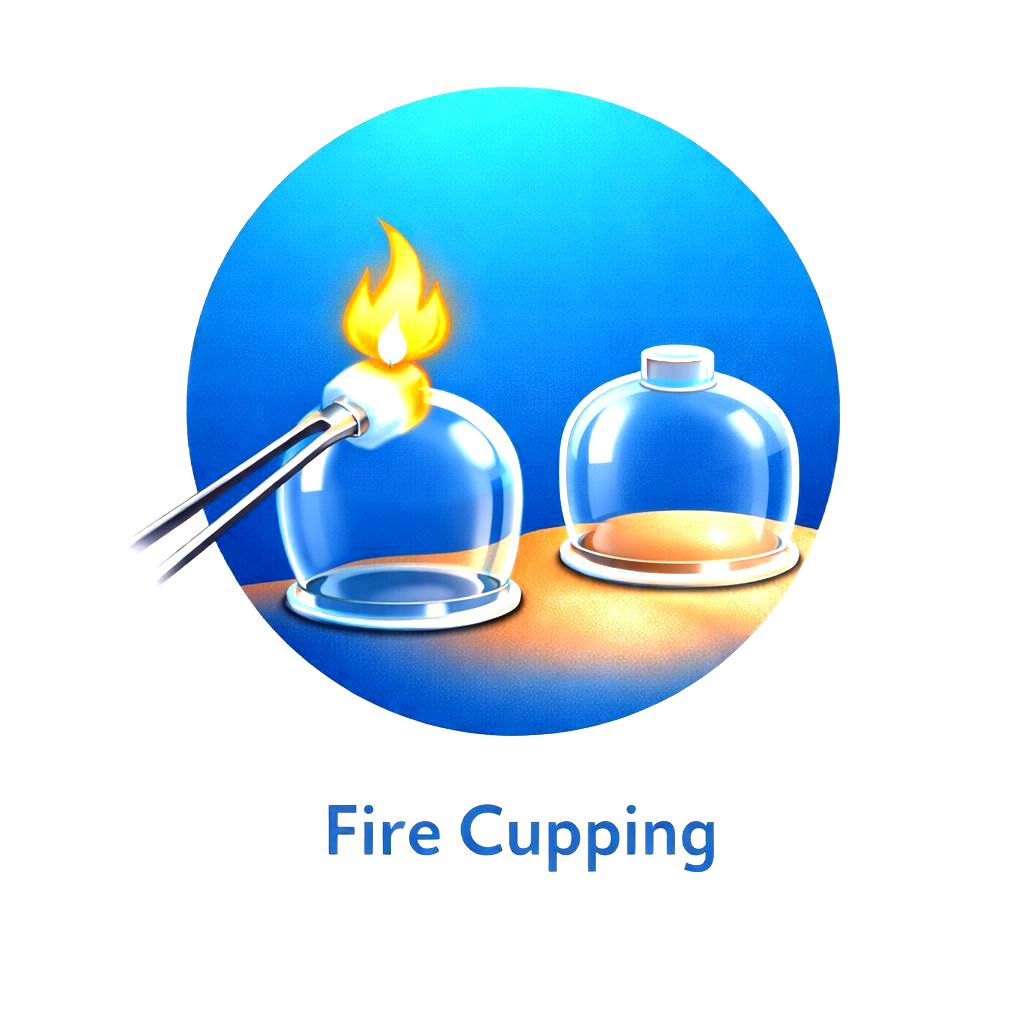
- Fire cupping
- Sports cupping
- Massage cupping
- Silicone cupping
- Facial cupping
Many wellness clinics and complementary therapy centres now offer cupping as part of broader rehabilitation or holistic health services.
Factors That Affect Cupping Session Prices in the UK
Several important factors influence the cost of a cupping therapy appointment.
1. Location of the Clinic
Clinic location is one of the biggest pricing factors.
Therapists operating in central London or affluent areas often charge considerably more due to higher operating costs. Clinics in smaller towns usually offer more affordable rates.
Typical regional price differences include:
| UK Region | Average Price |
|---|---|
| Central London | £70–£120 |
| Greater London | £50–£90 |
| Manchester | £45–£80 |
| Birmingham | £40–£75 |
| Leeds | £40–£70 |
| Glasgow | £40–£75 |
| Smaller towns | £35–£60 |
2. Type of Cupping Therapy
Dry Cupping
Dry cupping is generally the most affordable option because it is less complex and requires fewer materials.
Average price:
- £35–£60
Wet Cupping (Hijama)
Wet cupping involves superficial skin incisions and specialised hygiene procedures. Due to additional safety measures and practitioner expertise, prices are usually higher.
Average price:
- £45–£90
Sports Cupping
Sports therapists often combine cupping with:
- Deep tissue massage
- Physiotherapy
- Myofascial release
- Athletic rehabilitation
Average price:
- £50–£100
3. Therapist Qualifications and Experience
Highly qualified practitioners generally charge more for their expertise.
Practitioners may include:
- Physiotherapists
- Osteopaths
- Sports therapists
- Holistic therapists
- Nurses trained in complementary therapies
Experienced practitioners with strong reputations often command premium rates.
4. Session Duration
Longer appointments naturally cost more.
Common session lengths include:
| Session Length | Typical Cost |
|---|---|
| 20–30 minutes | £35–£50 |
| 45 minutes | £50–£75 |
| 60 minutes | £60–£100 |
| 90 minutes | £100+ |
5. Combination Treatments
Some clinics combine cupping with other wellness services, including:
- Massage therapy
- Acupuncture
- Chiropractic care
- Physiotherapy
- Lymphatic drainage
- Sports rehabilitation
These integrated packages are usually more expensive but may provide additional therapeutic benefits.
How Much Does Wet Cupping Cost in the UK?
Wet cupping therapy, commonly known as Hijama, is widely practised throughout the UK.
Typical Hijama prices include:
| Number | Wet Cupping Type | Average Cost |
|---|---|---|
| 1 | Basic Hijama session | £45–£65 |
| 2 | Full body Hijama | £70–£120 |
| 3 | Sunnah Hijama package | £50–£90 |
| 4 | Home visit Hijama | £80–£150 |
The number of cups used and body areas treated can influence the final cost.
Many practitioners also charge additional consultation fees for first-time clients.
Are Cupping Sessions Covered by Insurance in the UK?
In most cases, cupping therapy is not covered by NHS services.
However, some private health insurance providers may reimburse treatment if:
- The therapy is provided by a recognised practitioner
- The treatment is medically recommended
- It forms part of physiotherapy or rehabilitation
Patients should always check directly with their insurer before booking.
Why Do Some UK Clinics Charge More for Cupping?
Premium clinics often justify higher pricing through:
- Advanced qualifications
- Clinical environments
- Sterile equipment
- Personalised treatment plans
- Longer consultation times
- Integrated wellness programmes
Luxury wellness clinics may also provide enhanced facilities such as:
- Spa settings
- Recovery lounges
- Tailored rehabilitation plans
- Sports performance assessments
Is Cheap Cupping Therapy Safe?
Lower-cost cupping sessions are not always unsafe, but patients should carefully research providers before booking.
When choosing a cupping therapist in the UK, look for:
- Hygiene standards
- Professional certifications
- Positive reviews
- Transparent pricing
- Proper consultation procedures
- Insurance coverage
For wet cupping specifically, strict hygiene protocols are essential.
Questions to Ask Before Booking a Cupping Session
Before attending a session, patients should ask:
- What type of cupping is offered?
- How long does the session last?
- Are consultation fees included?
- Is the therapist qualified and insured?
- Are disposable cups or sterile equipment used?
- Are there additional charges for larger treatment areas?
Asking these questions helps avoid hidden costs and ensures a safer experience.
What Happens During a Cupping Therapy Session?
Understanding the process helps patients know what they are paying for.
A typical session may include:
Initial Consultation
The therapist assesses:
- Medical history
- Pain levels
- Muscle tension
- Wellness goals
Preparation
The skin is cleaned thoroughly before treatment begins.
Cup Placement
Special cups are placed on targeted body areas using suction.
Common treatment areas include:
- Back
- Shoulders
- Neck
- Legs
- Arms
Treatment Duration
The cups usually remain on the skin for:
- 5–20 minutes
Some therapists use moving cupping techniques combined with oils.
Post-Treatment Advice
Patients may receive aftercare guidance, including:
- Hydration advice
- Rest recommendations
- Exercise restrictions
- Skin care instructions
Benefits of Cupping Therapy
Many people seek cupping therapy for potential benefits such as:
- Muscle relaxation
- Reduced tension
- Improved circulation
- Stress reduction
- Sports recovery support
- Temporary pain relief
Some individuals also use cupping as part of holistic wellness routines.
Conditions Commonly Treated With Cupping
UK clinics often advertise cupping for:
- Back pain
- Neck pain
- Shoulder tension
- Sports injuries
- Muscle fatigue
- Headaches
- Stress-related tension
However, patients should always seek professional medical advice for ongoing or serious health conditions.
Does Expensive Cupping Mean Better Quality?
Not necessarily.
Higher prices may reflect:
- Premium clinic facilities
- Specialist expertise
- Longer sessions
- Additional therapies
However, affordable practitioners can still provide excellent care if they maintain strong professional standards.
Patients should focus on:
- Qualifications
- Cleanliness
- Experience
- Reviews
- Communication
rather than price alone.
How Often Should You Have Cupping Therapy?
Treatment frequency varies depending on the individual.
Some common schedules include:
| Goal | Suggested Frequency |
|---|---|
| General wellness | Monthly |
| Sports recovery | Weekly or fortnightly |
| Chronic muscle tension | Every 2–4 weeks |
| Stress management | Monthly |
Therapists typically personalise recommendations based on symptoms and goals.
Are Home Visit Cupping Sessions More Expensive?
Yes, mobile cupping services generally cost more because therapists travel to the client’s location.
Typical home visit pricing includes:
- £80–£150 per session
- Additional travel charges in some areas
Home appointments are popular among:
- Busy professionals
- Elderly patients
- Athletes
- Individuals with mobility limitations
Is Cupping Therapy Regulated in the UK?
Cupping therapy itself is not tightly regulated by one single UK governing body.
However, reputable practitioners may belong to professional organisations related to:
- Complementary therapies
- Physiotherapy
- Holistic medicine
- Sports therapy
Patients should always verify credentials before treatment.
Red Flags to Avoid When Booking Cupping Therapy
Be cautious if a provider:
- Cannot explain qualifications
- Uses poor hygiene practices
- Offers extremely low prices
- Makes unrealistic medical claims
- Avoids discussing risks
- Does not conduct consultations
Safe practice should always come before affordability.
How to Find a Good Cupping Therapist in the UK
To choose a reputable practitioner:
- Read verified reviews
- Check professional memberships
- Ask about training
- Compare treatment plans
- Review clinic hygiene standards
- Confirm insurance coverage
Many clients also seek recommendations from healthcare professionals or trusted wellness providers.
Is Cupping Therapy Worth the Cost?
For many people, cupping therapy can be a worthwhile investment in relaxation, recovery, and wellbeing.
The value often depends on:
- Individual health goals
- Practitioner quality
- Treatment consistency
- Combined lifestyle habits
People using cupping for sports recovery or muscle tension often consider it part of an ongoing wellness strategy.
UK Cupping Therapy Trends
Interest in cupping therapy continues to grow across the UK due to:
- Increased awareness of holistic health
- Social media exposure
- Sports recovery popularity
- Wellness culture expansion
- Demand for non-invasive therapies
Professional athletes and wellness influencers have also contributed to the rising visibility of cupping therapy.
Frequently Asked Questions
How much is one cupping session in the UK?
A standard cupping session in the UK usually costs between £35 and £120 depending on location, therapist experience, and treatment type.
Is wet cupping more expensive than dry cupping?
Yes. Wet cupping generally costs more because it requires additional hygiene procedures, equipment, and practitioner expertise.
How long does a cupping session last?
Most cupping appointments last between 30 and 60 minutes.
Is cupping therapy painful?
Most people describe cupping as mildly uncomfortable rather than painful. Circular marks may appear temporarily after treatment.
Can I have cupping therapy at home?
Yes. Some UK practitioners offer mobile or home visit cupping services, although these appointments usually cost more.
Does the NHS offer cupping therapy?
Cupping therapy is generally not available through standard NHS treatment services.
Are cupping marks permanent?
No. The marks usually fade within several days to two weeks depending on skin sensitivity and treatment intensity.
Final Thoughts
So, how much is a cupping session in the UK? Most people can expect to pay anywhere from £35 to £120 depending on the clinic, treatment type, and practitioner expertise. While pricing varies across the country,
choosing a qualified and reputable therapist is far more important than simply finding the cheapest option.
As cupping therapy becomes more mainstream in the UK wellness industry, patients now have access to a wider range of professional services tailored to relaxation, sports recovery, and holistic wellbeing.
If you are exploring professional healthcare and wellness support services in the UK, visit Nurse Agnes for more information.