What does cupping therapy actually do
What does cupping therapy actually do
Cupping therapy has become one of the most talked-about complementary treatments in recent years, especially among people seeking natural pain relief, muscle recovery, stress reduction, and holistic wellness support. From athletes and office workers to individuals living with chronic tension, many people are turning to cupping therapy to help improve circulation, ease discomfort, and support overall wellbeing.
But what does cupping therapy actually do? Is it simply a wellness trend, or does it provide measurable benefits for the body and mind?
Cupping therapy works by creating suction on the skin using specially designed cups. This suction is believed to stimulate blood flow, loosen tight muscles, encourage lymphatic drainage, and promote the body’s natural healing response. Depending on the technique used, cupping may also help reduce inflammation, relieve muscle stiffness, support relaxation, and improve mobility.
In the UK, cupping therapy is increasingly offered by wellness clinics, physiotherapists, complementary therapists, and healthcare professionals who integrate holistic recovery methods into patient care. While research is still developing, many people report positive outcomes when cupping is used alongside evidence-based healthcare and healthy lifestyle practices.
This comprehensive guide explains exactly what cupping therapy does, how it works, its potential benefits, risks, types, and what you can realistically expect from treatment.
What is cupping therapy?
Cupping therapy is a traditional therapeutic technique that involves placing cups on the skin to create negative pressure or suction. The cups may be made from silicone, glass, bamboo, or plastic and are typically applied to areas such as the back, shoulders, neck, legs, or arms.
The suction gently lifts the skin and underlying tissues. This process is thought to increase local blood circulation, reduce muscle tightness, and stimulate healing responses within the body.
Historically, cupping has roots in several ancient medical systems, including Traditional Chinese Medicine, Middle Eastern healing practices, and early Egyptian medicine. Today, modern practitioners often combine traditional methods with contemporary knowledge of anatomy and rehabilitation.
Cupping therapy is commonly used for:
- Muscle tension
- Back pain
- Neck stiffness
- Sports recovery
- Stress management
- Headaches
- Fatigue
- General wellbeing support
Although cupping is not considered a cure for medical conditions, many people use it as part of a broader wellness or recovery plan.
How does cupping therapy work?
The main mechanism behind cupping therapy is suction. When a cup creates negative pressure against the skin, several physiological responses may occur.
Increased blood circulation
One of the most widely recognised effects of cupping therapy is enhanced blood flow to the treated area. The suction draws blood closer to the surface of the skin, which may help deliver oxygen and nutrients to tissues.
Improved circulation may support:
- Muscle recovery
- Tissue repair
- Reduced stiffness
- Temporary pain relief
This increased circulation is one reason why many people feel warmth and relaxation after treatment.
Muscle decompression and tension release
Unlike massage, which applies downward pressure, cupping gently lifts tissues upward. Some therapists describe this as a form of myofascial decompression.
This lifting effect may help:
- Loosen tight muscles
- Improve mobility
- Reduce muscle adhesions
- Relieve deep muscular tension
People who experience prolonged sitting, repetitive movement, or physically demanding work often seek cupping therapy for muscular tightness.
Stimulation of the lymphatic system
The lymphatic system helps remove waste products and excess fluid from the body. Some practitioners believe cupping therapy may encourage lymphatic drainage by stimulating fluid movement beneath the skin.
Although scientific evidence remains limited, improved lymphatic circulation is often associated with:
- Reduced swelling
- Enhanced recovery
- Detoxification support
- Reduced feelings of heaviness
Nervous system relaxation
Many individuals report feeling deeply relaxed during and after cupping therapy sessions. The treatment may help activate the parasympathetic nervous system, which supports rest and recovery.
Potential relaxation effects include:
- Reduced stress
- Better sleep quality
- Lower muscle guarding
- Mental calmness
This is one reason cupping is commonly included in wellness and holistic therapy programmes.
What conditions is cupping therapy commonly used for?
Cupping therapy is used for a wide range of symptoms and wellness concerns. While outcomes vary between individuals, it is commonly sought for the following purposes.
Back pain relief
Back pain is one of the most common reasons people try cupping therapy. The suction effect may help reduce muscular tension and temporarily improve circulation in tight or painful areas.
Many people use cupping alongside physiotherapy, stretching, exercise, or manual therapy for additional support.
Neck and shoulder tension
Modern lifestyles often contribute to poor posture, desk-related strain, and prolonged screen use. Cupping therapy may help release tension around the shoulders, upper back, and neck. Individuals experiencing stiffness from sedentary work frequently report short-term relief after sessions.
Sports recovery
Professional athletes and fitness enthusiasts have helped increase the popularity of cupping therapy worldwide. The circular marks often seen on athletes are typically the result of dry cupping treatments.
Sports recovery benefits may include:
- Reduced muscle tightness
- Improved flexibility
- Faster recovery perception
- Relaxation after intense activity
Many athletes incorporate cupping into broader recovery routines including hydration, mobility training, physiotherapy, and sleep optimisation.
Headaches and migraines
Some practitioners use cupping therapy to address tension-related headaches, especially when muscular tightness contributes to symptoms.
Treatment often focuses on the neck, shoulders, and upper back regions. However, individuals with persistent headaches should always seek medical evaluation to rule out underlying conditions.
Stress and anxiety support
Because cupping therapy can promote relaxation, some individuals use it to support stress management and emotional wellbeing.
The calming nature of treatment may help reduce physical tension associated with stress and anxiety.
Chronic muscular discomfort
People living with ongoing muscular discomfort sometimes explore complementary therapies such as cupping when conventional approaches alone have not fully resolved symptoms.
However, chronic pain should always be properly assessed by qualified healthcare professionals.
Types of cupping therapy
There are several different cupping methods used by practitioners today.
Dry cupping
Dry cupping is the most common modern technique. Cups are applied to the skin using suction only, without drawing blood.
The cups may remain stationary or be moved across lubricated skin in a technique called moving cupping.
Wet cupping
Wet cupping involves creating small superficial skin incisions before applying suction. This method is less common in mainstream UK wellness settings and should only be performed by appropriately trained professionals following strict hygiene and infection control procedures.
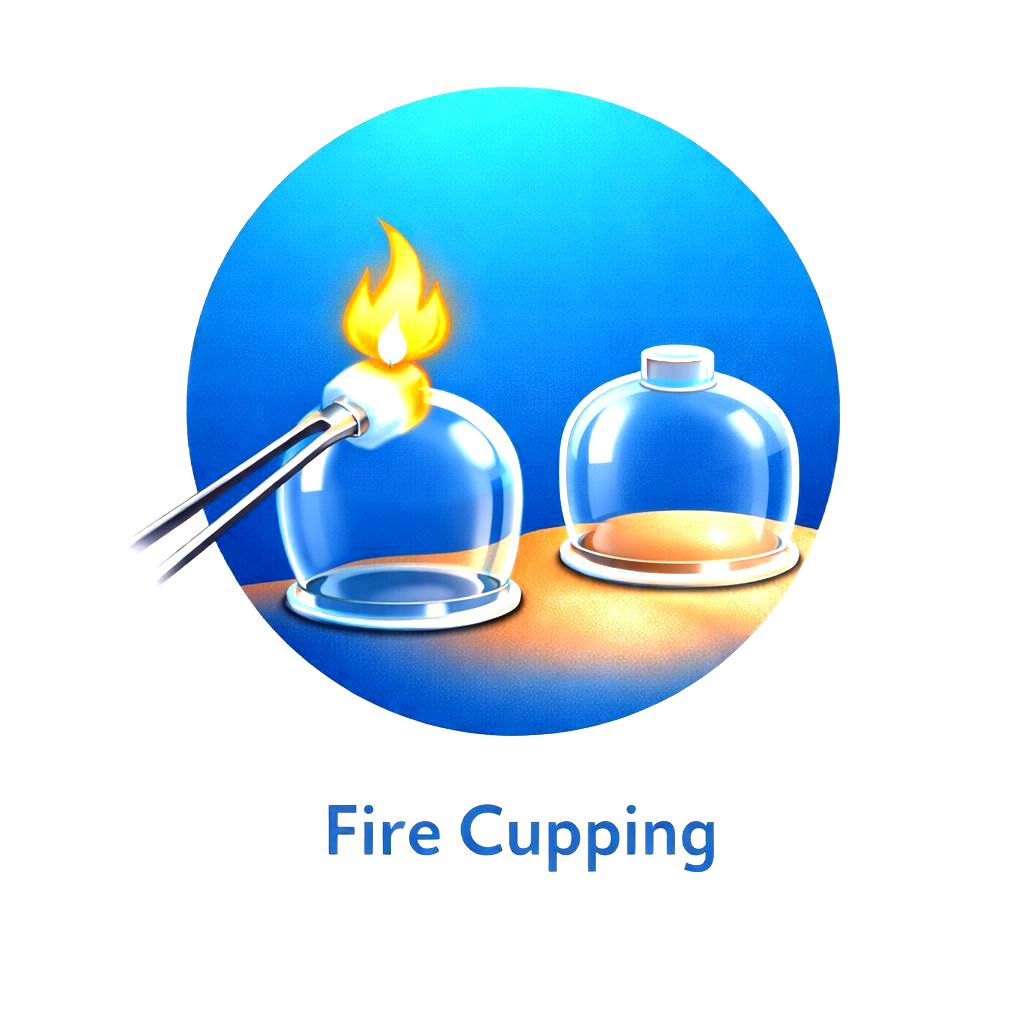
Fire cupping
Fire cupping uses heat to create suction inside glass cups. A flame briefly heats the cup before placement on the skin.
Although traditional, this method requires significant expertise to ensure safety.
Silicone cupping
Flexible silicone cups are commonly used for massage-style treatments. These cups allow gentle movement over the skin and are often used in sports therapy settings.
What happens during a cupping therapy session?
A typical cupping session usually begins with a consultation discussing symptoms, medical history, and treatment goals.
The practitioner then places cups on targeted areas of the body. Depending on the method used, the cups may remain stationary or move across the skin.
What does cupping feel like?
Most people describe cupping as:
- Tight but not painful
- Warm and relaxing
- A pulling or stretching sensation
- Deep tissue release
Some areas may feel more sensitive than others, especially where muscles are particularly tight.
Sessions generally last between 20 and 45 minutes.
Why does cupping leave marks?
One of the most recognisable features of cupping therapy is the circular marks left on the skin after treatment.
These marks are not usually bruises caused by trauma. Instead, they are believed to result from small blood vessels responding to suction beneath the skin.
The colour and intensity of marks vary depending on:
- Skin sensitivity
- Suction strength
- Duration of treatment
- Circulation in the area
Marks commonly fade within several days to two weeks.
Is cupping therapy scientifically proven?
Research into cupping therapy is still evolving. Some studies suggest potential benefits for pain management, muscle relaxation, and wellbeing, while others conclude that more high-quality evidence is needed.
Current evidence indicates cupping may help some people experience short-term symptom relief, particularly for muscular pain and tension. However, it should not replace evidence-based medical treatment for serious conditions.
Healthcare professionals generally recommend using cupping as a complementary therapy rather than a standalone cure.
Potential benefits of cupping therapy
Although experiences vary, commonly reported benefits include:
Improved circulation
Enhanced blood flow may support tissue nourishment and recovery.
Reduced muscle tightness
The decompression effect may help release tension in overworked muscles.
Relaxation
Many individuals experience deep relaxation during treatment.
Enhanced mobility
Loosening tight tissues may temporarily improve movement and flexibility.
Recovery support
Athletes often use cupping as part of post-exercise recovery routines.
Stress reduction
The calming environment and physical release may support emotional wellbeing.
Are there risks or side effects?
Cupping therapy is generally considered safe when performed by trained professionals, but there are potential side effects and contraindications.
Common temporary side effects may include:
- Circular skin marks
- Mild soreness
- Skin sensitivity
- Fatigue
- Lightheadedness
Rare but possible risks include:
- Burns
- Skin irritation
- Infection
- Excessive bruising
Cupping may not be suitable for people with:
- Bleeding disorders
- Severe skin conditions
- Certain cardiovascular conditions
- Active infections
- Pregnancy in some treatment areas
Always consult a qualified healthcare professional before starting complementary therapies, particularly if you have underlying medical conditions.
Who should perform cupping therapy?
Cupping therapy should only be carried out by properly trained and insured professionals.
In the UK, practitioners may include:
- Complementary therapists
- Physiotherapists
- Sports therapists
- Wellness clinicians
- Holistic healthcare providers
Choosing a reputable practitioner is important for both safety and treatment quality.
If you are exploring professional wellness support or complementary healthcare services, organisations such as Nurse Agnes
provide information about patient-centred care approaches within the UK healthcare and wellbeing sector.
How often should you have cupping therapy?
Treatment frequency depends on individual goals, symptoms, and practitioner recommendations.
Some people have sessions:
- Weekly for short-term muscular recovery
- Fortnightly for ongoing maintenance
- Monthly for general wellness support
Others may only use cupping occasionally after intense physical activity or periods of high stress.
Can cupping therapy help with inflammation?
Some practitioners believe cupping may help regulate inflammatory responses by improving circulation and promoting tissue recovery.
However, inflammation is complex and may result from numerous underlying causes. Persistent inflammation-related symptoms should always be medically assessed.
Is cupping therapy painful?
Cupping therapy is usually not painful, although it may feel intense in tight or sensitive areas.
Most individuals describe the sensation as:
- Strong suction
- Deep pulling
- Pressure release
- Therapeutic tightness
If discomfort becomes excessive, the practitioner can usually adjust suction levels.
Cupping therapy vs massage: what is the difference?
Although both therapies aim to reduce tension and support relaxation, they work differently.
Massage therapy
- Uses downward pressure
- Compresses muscles
- Improves circulation through manual manipulation
Cupping therapy
- Uses suction
- Lifts tissue upward
- Creates decompression effects
Some practitioners combine both therapies within the same treatment plan.
Can cupping therapy detox the body?
The idea of “detoxification” is commonly associated with cupping therapy, but scientifically, the body already has natural detoxification systems including the liver, kidneys, lungs, and lymphatic system.
Cupping may support circulation and lymphatic movement, but it should not be viewed as a medical detox cure.
Balanced nutrition, hydration, exercise, sleep, and medical care remain essential for overall health.
What should you do after cupping therapy?
After treatment, many practitioners recommend:
- Drinking water
- Resting if needed
- Avoiding intense exercise immediately after treatment
- Keeping the treated area warm
- Monitoring skin sensitivity
People often feel relaxed or slightly tired following sessions.
Is cupping therapy popular in the UK?
Interest in complementary therapies has grown significantly across the UK in recent years. Many people now combine conventional healthcare with wellness-focused treatments to support recovery, mobility, stress management, and self-care.
Cupping therapy has become increasingly visible within:
- Sports recovery clinics
- Holistic wellness centres
- Physiotherapy practices
- Integrative healthcare settings
Public awareness has also increased through athletes, celebrities, and social media exposure.
Frequently asked questions about cupping therapy
Does cupping therapy really work?
Some people report noticeable improvements in muscular tension, relaxation, and recovery. Scientific evidence is still developing, but many individuals find it beneficial as part of a broader wellness approach.
How long do cupping marks last?
Marks usually fade within a few days to two weeks depending on skin sensitivity and treatment intensity.
Can cupping help back pain?
Many people use cupping therapy for back tension and muscular discomfort. It may provide temporary relief by improving circulation and reducing muscle tightness.
Is cupping therapy safe?
Cupping is generally safe when performed by qualified professionals using appropriate hygiene and safety standards.
How much does cupping therapy cost in the UK?
Prices vary depending on location, practitioner experience, and session length. In the UK, sessions commonly range between £30 and £90.
Final thoughts: what does cupping therapy actually do?
Cupping therapy works primarily by creating suction that lifts the skin and underlying tissues. This process may help improve circulation, reduce muscle tightness, support relaxation, and enhance recovery. Many individuals use cupping therapy to complement physiotherapy, exercise, massage, and broader wellness routines.
Although research is still evolving, cupping continues to grow in popularity because many people report positive experiences with pain relief, tension reduction, and recovery support.
Like all complementary therapies, cupping should be approached realistically. It is not a miracle cure, but for some individuals, it may offer meaningful support as part of a balanced healthcare and wellbeing strategy.
Choosing a qualified practitioner, maintaining open communication about your health, and combining therapies with evidence-based medical care remain the safest and most effective approach to long-term wellbeing.