Is private nursing better than NHS?
Is Private Nursing Better Than NHS?
When searching for healthcare options in the UK, one of the most common questions people ask is whether private nursing is better than NHS care. It is a fair question, especially when health, comfort, and quality of life are at stake. The answer, however, is not as simple as choosing one over the other. Both private nursing and NHS services offer significant benefits, and the right choice depends on individual needs, urgency, and expectations.
In this guide, we will explore the differences in depth, helping you understand which option may be better suited for your situation. This article is designed to provide real value, answer frequently asked questions, and help you make an informed healthcare decision.
Understanding Private Nursing and NHS Care
Before comparing them, it is important to understand what each service offers.
What Is Private Nursing?
Private nursing refers to healthcare services provided outside the NHS system, typically funded by individuals or private insurance. These services are often delivered in the comfort of your own home or in private care facilities. Private nurses may include registered nurses, specialist carers, and healthcare assistants who provide tailored, one-to-one care.
Services can include:
- Post-operative care
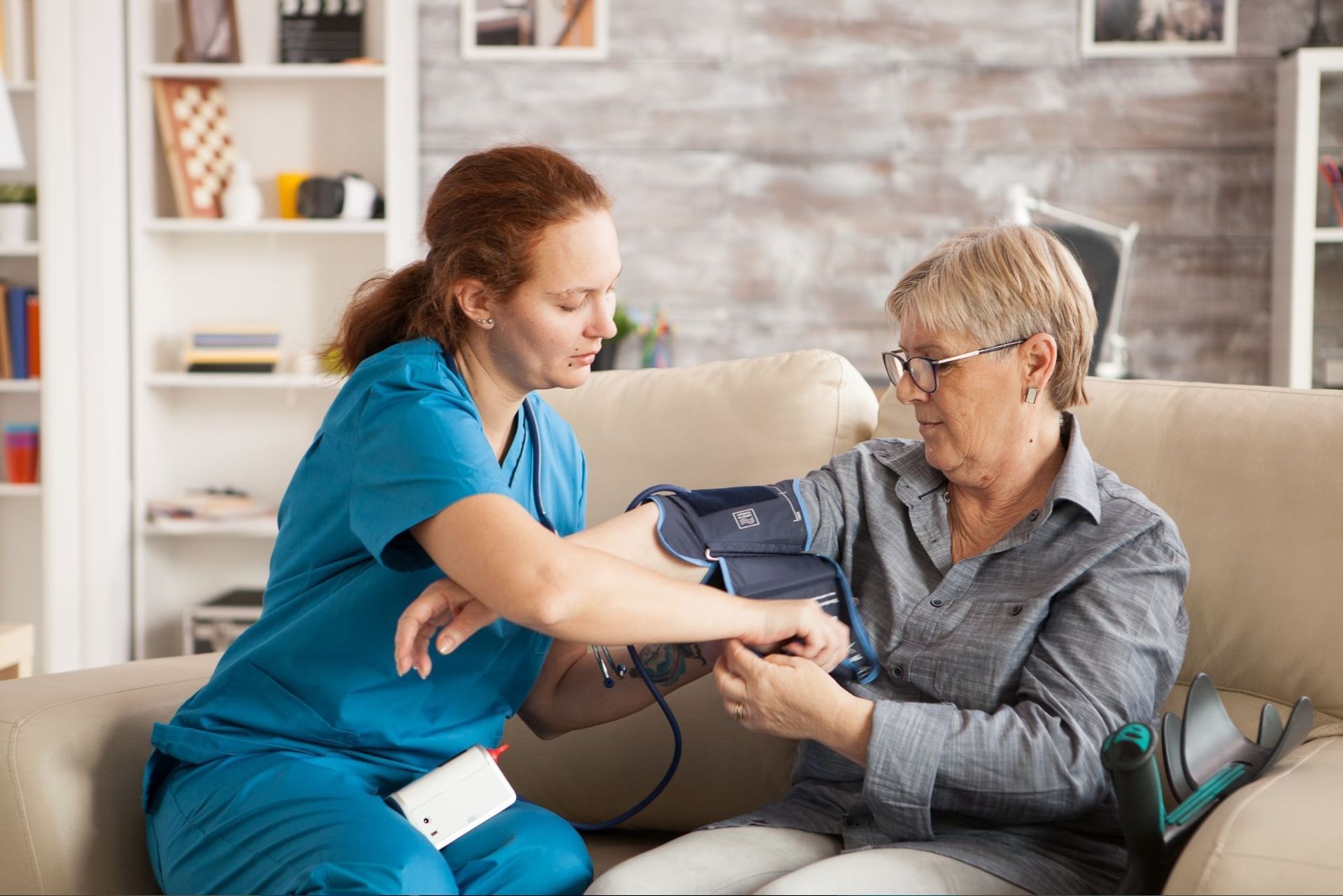
- Elderly care at home
- Palliative and end-of-life care
- Chronic illness management
- Medication administration
- Personal care and rehabilitation
For more information about personalised
private nursing services, you can visit Nurse Agnes to explore tailored care solutions.
What Is NHS Nursing Care?
The NHS provides publicly funded healthcare services that are free at the point of use for UK residents. NHS nursing services are highly respected globally and include:
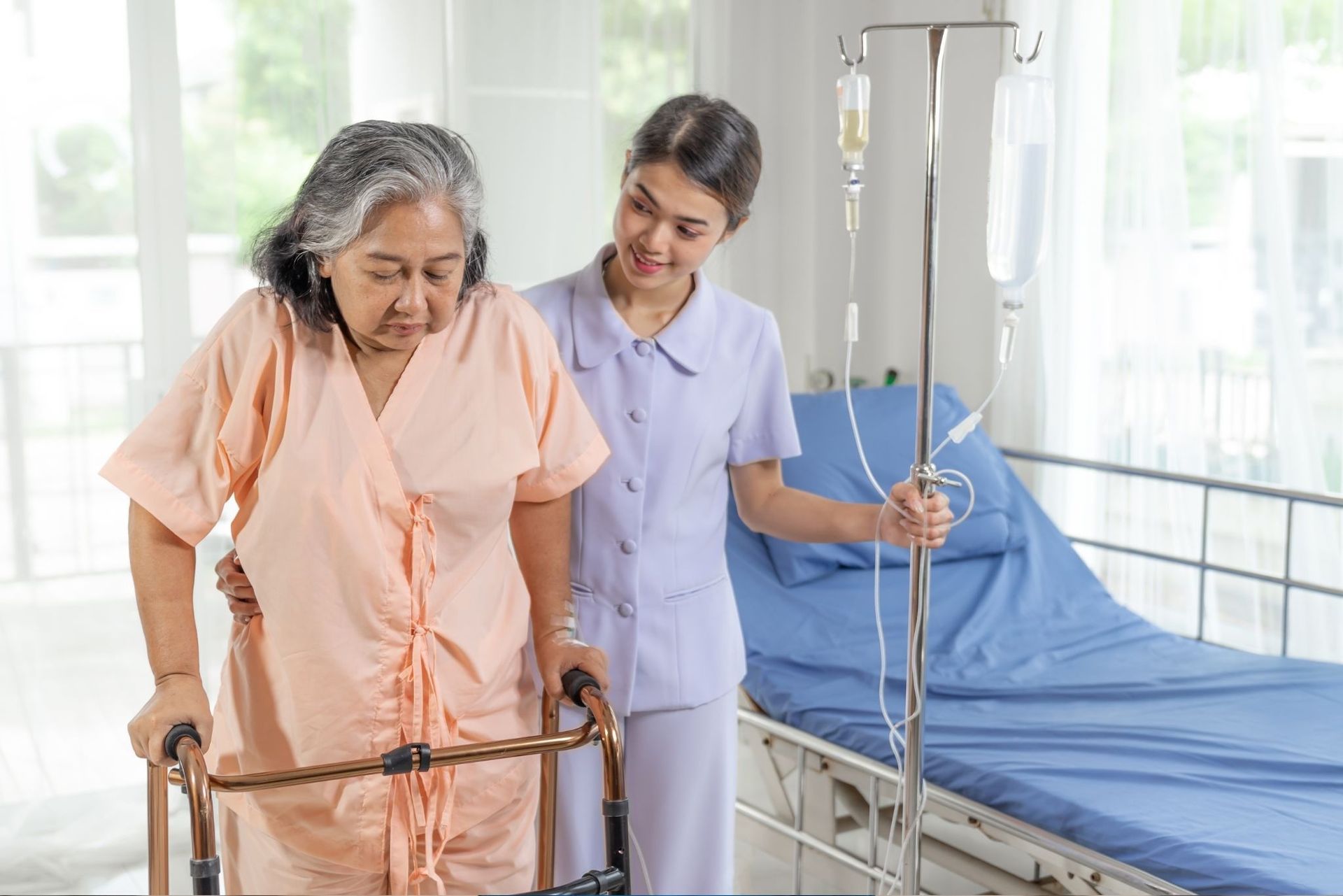
- Hospital-based care
- Community nursing
- District nursing services
- Specialist clinics
- Emergency and urgent care
The NHS operates under high clinical standards and is designed to ensure that everyone has access to essential healthcare, regardless of financial status.
Key Differences Between Private Nursing and NHS
To answer whether private nursing is better, we need to break down the comparison into key factors
1. Accessibility and Waiting Times
One of the most noticeable differences is waiting time.
Private Nursing:
Private services are typically available almost immediately. Once arrangements are made, care can begin quickly, often within days or even hours.
NHS Care:
Due to high demand and limited resources, NHS services can involve longer waiting times, especially for non-emergency treatments or specialist care.
Verdict:
If speed and immediate access are important, private nursing has a clear advantage.
2. Personalisation of Care
Private Nursing:
Care is highly tailored. Patients receive one-to-one attention, and care plans are customised to suit individual preferences, routines, and medical needs.
NHS Care:
While NHS care is professional and compassionate, it is often stretched across many patients. This can limit the level of personalisation and time available per patient.
Verdict:
Private nursing excels in delivering personalised, patient-focused care.
3. Cost and Affordability
Private Nursing:
This is a paid service, and costs can vary depending on the level of care required. Long-term private nursing can become expensive.
NHS Care:
Funded through taxation, NHS services are free at the point of use, making them accessible to everyone.
Verdict:
The NHS is far more affordable and remains essential for equitable healthcare access.
4. Quality of Care
This is often misunderstood.
Private Nursing:
Offers high-quality care with more time, attention, and comfort. Patients may experience better continuity of care, seeing the same nurse regularly.
NHS Care:
The NHS provides excellent clinical standards, highly trained professionals, and evidence-based treatments. However, workload pressures can affect patient experience.
Verdict:
Both provide high clinical quality. Private nursing may offer a better experience, but NHS care is equally reliable medically.
5. Comfort and Environment
Private Nursing:
Often delivered at home, allowing patients to remain in familiar surroundings. This can significantly improve emotional wellbeing and recovery outcomes.
NHS Care:
Usually hospital-based, which can feel clinical and less personal. However, hospitals are well-equipped for complex medical needs.
Verdict:
Private nursing provides greater comfort, especially for long-term or recovery care.
6. Continuity of Care
Private Nursing:
Patients often see the same caregiver consistently, which builds trust and improves communication.
NHS Care:
Due to shift patterns and staffing demands, patients may interact with multiple professionals.
Verdict:
Private nursing offers better continuity and relationship-based care.
7. Range of Services
Private Nursing:
Flexible and adaptable, covering a wide range of services including specialised home care, rehabilitation, and companionship.
NHS Care:
Comprehensive but structured, focusing on essential medical services and prioritising urgent cases.
Verdict:
Private nursing is more flexible, while NHS care is more structured and prioritised.
Is Private Nursing Better Than NHS?
The honest answer is that it depends on your priorities.
Choose Private Nursing If:
- You want immediate care without delays
- You prefer one-to-one attention
- You value comfort and home-based care
- You require flexible and personalised services
- You can afford the associated costs
Choose NHS Care If:
- You need emergency or critical treatment
- You require complex medical procedures
- You want free healthcare access
- Cost is a concern
- You trust a large, established healthcare system
Can You Use Both Private Nursing and NHS?
Yes, and many people do.
Combining both options can provide the best of both worlds. For example:
- NHS for diagnosis, surgery, and medical treatment
- Private nursing for recovery, rehabilitation, and home care
This hybrid approach ensures you receive high-quality clinical treatment while benefiting from personalised support during recovery.
Frequently Asked Questions
Is private nursing safer than NHS care?
Both private and NHS services follow strict clinical standards and regulations. Safety depends more on the provider and individual care plan than the system itself.
Why do people choose private nursing?
Common reasons include shorter waiting times, personalised care, comfort at home, and consistent caregivers.
Is NHS care declining in quality?
The NHS continues to deliver high-quality care, but increased demand and resource constraints can affect waiting times and patient experience.
How much does private nursing cost in the UK?
Costs vary widely depending on the type of care, duration, and level of expertise required. It is best to request a tailored quote based on your needs.
Is private nursing worth the money?
For many families, the benefits of comfort, personalised attention, and faster access make it a worthwhile investment.
The Emotional Side of the Decision
Healthcare decisions are not purely logical. They are emotional too.
Choosing private nursing often brings peace of mind. Families feel reassured knowing their loved one is receiving dedicated attention in a familiar environment. For elderly patients or those recovering from surgery, this emotional comfort can play a significant role in healing.
On the other hand, the NHS provides a safety net that ensures no one is left without care. It represents trust, reliability, and accessibility, which are equally valuable.
So, is private nursing better than NHS?
Private nursing is not necessarily better, but it is different. It offers speed, comfort, and personalised care that the NHS, due to its scale, may not always provide. However, the NHS remains a cornerstone of healthcare in the UK, delivering essential, life-saving services to millions.
The best choice depends on your situation, needs, and resources. In many cases, combining both private nursing and NHS services creates the most balanced and effective care plan.
If you are exploring private nursing options tailored to your needs, you can learn more by visiting
Nurse Agnes and discovering how personalised care can support you or your loved ones.
Comparing Outcomes: Does Private Nursing Lead to Better Results?
A common follow-up question is whether private nursing actually improves health outcomes compared to NHS care. The answer depends on the type of care required.
For acute and life-threatening conditions, the NHS is exceptionally strong. Its hospitals are equipped with advanced technology, multidisciplinary teams, and highly trained specialists who manage complex medical cases daily. Outcomes for serious conditions such as cardiac events, trauma, and cancer treatment are often comparable to, or in some cases better than, private systems due to the scale and expertise available.
However, when it comes to recovery, rehabilitation, and long-term support, private nursing can offer a noticeable advantage. The ability to provide consistent, one-to-one care means that changes in a patient’s condition are identified more quickly, and care plans can be adjusted in real time. This can lead to:
- Faster recovery after surgery
- Reduced risk of complications such as infections or falls
- Better adherence to medication and therapy plans
- Improved mental wellbeing and reduced anxiety
In short, NHS care excels in critical treatment, while private nursing often enhances the recovery journey.
The Role of Home Care in Modern Healthcare
Healthcare is evolving, and one major trend is the shift towards home-based care. Private nursing plays a central role in this transformation.
Why Home Care Matters
Recovering at home offers several advantages:
- Familiar surroundings reduce stress and confusion
- Lower exposure to hospital-acquired infections
- Greater independence and dignity
- More involvement from family members
Private nursing services are designed to support this model by delivering clinical care directly to the patient’s home. This is particularly beneficial for elderly patients, those with chronic illnesses, or individuals requiring palliative care.
In contrast, NHS home care services do exist, such as district nursing, but they are often limited in frequency and duration due to demand.
Staffing Pressures and Their Impact
One of the key challenges facing the NHS is staffing pressure. High patient volumes, workforce shortages, and increasing demand can affect service delivery.
This does not mean NHS staff are less capable. In fact, they are among the most skilled and dedicated professionals in the world. However, the system they operate in can limit the time and attention they are able to provide to each individual.
Private nursing services, on the other hand, operate with lower patient-to-staff ratios. This allows for:
- Longer consultation times
- Closer monitoring
- Stronger patient-nurse relationships
This difference often shapes patient perception, leading many to feel that private care is more attentive.
Flexibility and Control Over Care
Another major distinction is the level of control patients have.
Private Nursing
Patients and families have a direct say in:
- Choosing their nurse or caregiver
- Scheduling visits and care routines
- Adjusting care plans as needed
- Selecting additional services
This flexibility is especially valuable for families managing complex or evolving health conditions.
NHS Care
Care is structured around clinical priority and availability. While patient preferences are considered, they cannot always be accommodated due to system constraints.
Transparency and Communication
Clear communication is essential in healthcare.
Private nursing services often provide more direct and accessible communication channels. Families can speak with caregivers regularly, receive updates, and participate actively in decision-making.
In the NHS, communication is professional and structured, but it may involve multiple departments and professionals. This can sometimes lead to delays or fragmented information, particularly in busy hospital settings.
When Private Nursing Makes the Biggest Difference
Private nursing is not always necessary, but there are certain situations where it can make a significant impact:
Post-Surgery Recovery
After major surgery, patients often require close monitoring, wound care, and assistance with mobility. Private nurses can provide continuous support, reducing the likelihood of complications.
For professional wound management and dressing changes,
private wound care London services ensure proper healing and infection prevention in the comfort of your home.
Elderly Care
Older adults often need a combination of medical and personal care. Private nursing allows them to remain at home while receiving comprehensive support tailored to their needs.
Chronic Illness Management
Conditions such as diabetes, respiratory diseases, or neurological disorders require ongoing care. Private nursing ensures consistent monitoring and management.
Palliative and End-of-Life Care
For patients in the final stages of life, comfort and dignity are paramount. Private nursing enables compassionate care in a familiar environment, often surrounded by loved ones.
Addressing Common Misconceptions
There are several myths surrounding private nursing and NHS care that are worth addressing.
Myth 1: Private Nursing Is Always Better
Private nursing offers advantages in comfort and personalisation, but it does not replace the comprehensive medical infrastructure of the NHS.
Myth 2: NHS Care Is Inferior
This is not true. NHS care is highly respected globally for its clinical excellence and accessibility.
Myth 3: Private Nursing Is Only for the Wealthy
While it is a paid service, there are flexible care options available. Some people use private nursing for short-term support rather than long-term care, making it more accessible.
Cost Versus Value: A Practical Perspective
When evaluating private nursing, it is important to consider value rather than just cost.
Ask yourself:
- Does it reduce hospital readmissions?
- Does it improve quality of life?
- Does it provide peace of mind for family members?
- Does it support faster recovery?
If the answer to these questions is yes, then private nursing may justify the investment.
How to Choose the Right Option
Making the right decision involves careful consideration.
Assess Your Needs
Determine whether you need acute medical treatment, ongoing support, or recovery care.
Consider Your Budget
Understand what you can afford and explore flexible care options.
Evaluate Urgency
If immediate care is required, private nursing may be the faster option.
Think About Comfort and Preferences
Some patients strongly prefer to remain at home, while others feel safer in a hospital setting.
Seek Professional Advice
Consult healthcare professionals to understand what level of care is most appropriate.
The Future of Healthcare in the UK
The future is likely to see greater integration between NHS and private services. As demand continues to rise, private nursing will play an increasingly important role in supporting the healthcare system.
Key trends include:
- Growth in home-based care services
- Increased use of digital health monitoring
- Greater collaboration between public and private providers
- Focus on preventative and personalised care
This evolution will give patients more choice and flexibility than ever before.
Final Verdict: Which Is Better?
There is no universal answer to whether private nursing is better than NHS care.
Private nursing stands out for:
- Speed
- Personalisation
- Comfort
- Continuity
The NHS stands out for:
- Accessibility
- Clinical excellence
- Emergency care
- Affordability
Rather than viewing them as competitors, it is more accurate to see them as complementary.
Take the Next Step
If you are considering private nursing for yourself or a loved one, it is important to choose a provider that prioritises quality, compassion, and professionalism.
To explore tailored private nursing services and understand how they can support your healthcare journey, visit
Nurse
Agnes
Conclusion
Choosing between private nursing and NHS care is a deeply personal decision. Both systems offer valuable benefits, and the best choice depends on your specific circumstances.
Private nursing provides a level of attention and comfort that can transform the care experience, particularly for long-term or home-based needs. Meanwhile, the NHS remains an essential foundation of healthcare, delivering high-quality treatment to millions.
By understanding the strengths of each, you can make a decision that ensures the best possible care, outcome, and peace of mind for you and your family.