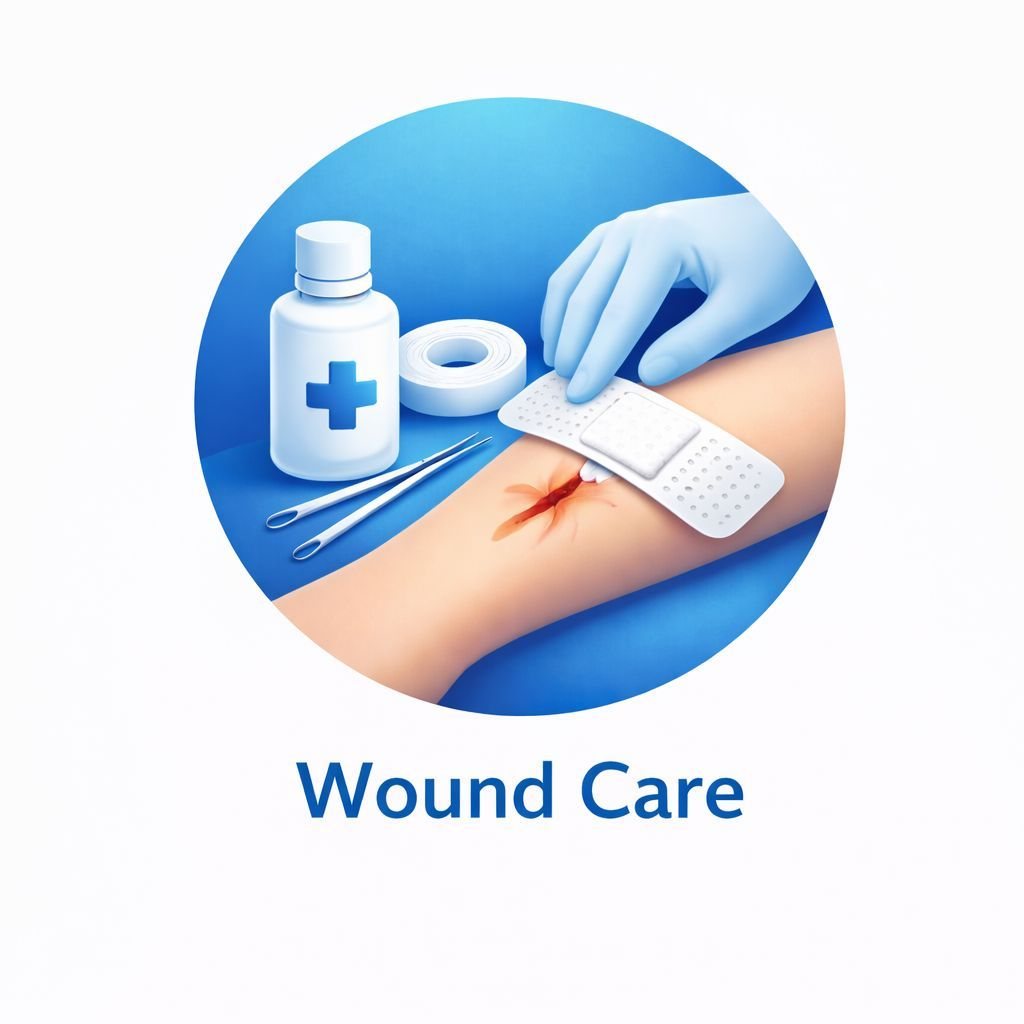
What is a wound care nurse called
What is a wound care nurse called
Wound care is a specialised area of healthcare focused on assessing, treating, and managing wounds of different types and severity. From post-surgical wounds to pressure ulcers and diabetic foot ulcers, proper wound management plays a critical role in preventing infection, promoting healing, and improving patient quality of life. Many people searching online often ask, “What is a wound care nurse called?” because they want to understand the role, qualifications, and responsibilities of these healthcare professionals.
A wound care nurse is commonly referred to as a
Wound Care Nurse Specialist,
Tissue Viability Nurse, or
Certified Wound Care Nurse, depending on their training, qualifications, and healthcare setting. In the UK, the term “Tissue Viability Nurse” is widely used within the NHS and private healthcare sectors. These professionals specialise in wound assessment, dressing selection, infection prevention, pressure ulcer management, and long-term wound healing strategies.
This detailed guide explains everything you need to know about wound care nurses, including their responsibilities, qualifications, work settings, treatment approaches, and how they support patients with acute and chronic wounds.
Understanding the Role of a Wound Care Nurse
A wound care nurse is a registered nurse who has advanced knowledge and clinical experience in wound management. Their main objective is to promote effective healing while reducing complications such as infection, delayed healing, tissue damage, and unnecessary hospital admissions.
These nurses often work with patients suffering from:
- Pressure sores
- Surgical wounds
- Burns
- Diabetic ulcers
- Leg ulcers
- Trauma injuries
- Skin tears
- Infected wounds
- Chronic non-healing wounds
The role combines clinical expertise with patient education, making wound care nurses an essential part of modern healthcare services.
Different Names for a Wound Care Nurse
The title used for a wound care nurse can vary based on location, certification, and healthcare organisation.
Common Titles Include:
Tissue Viability Nurse (TVN)
In the UK, this is one of the most recognised titles. Tissue viability nurses focus on maintaining skin integrity and treating complex wounds.
Wound Care Nurse Specialist
This title is commonly used in hospitals and private healthcare clinics where nurses specialise exclusively in wound treatment.
Certified Wound Care Nurse (CWCN)
A nurse who has obtained additional wound care certification may use this professional title.
Continence and Wound Care Nurse
Some nurses manage both wound care and continence-related skin issues.
Community Wound Care Nurse
These nurses provide wound management services in patients’ homes or community healthcare settings.
What Does a Wound Care Nurse Do?
A wound care nurse performs comprehensive patient assessments and develops personalised treatment plans to improve healing outcomes.
Key Responsibilities Include:
Wound Assessment
They examine wounds carefully to determine:
- Wound type
- Depth and severity
- Signs of infection
- Tissue condition
- Drainage levels
- Healing progress
Dressing Selection
Different wounds require different dressings. A wound care nurse chooses appropriate dressings based on moisture balance, infection control, and healing requirements.
Infection Prevention
One of the most important aspects of wound management is preventing complications such as cellulitis or sepsis.
Pressure Ulcer Prevention
Patients with reduced mobility are at higher risk of developing pressure sores. Wound care nurses create prevention strategies to reduce tissue damage.
Patient Education
They educate patients and carers about:
- Dressing changes
- Hygiene practices
- Nutrition for healing
- Signs of infection
- Pressure relief techniques
Collaboration with Healthcare Teams
Wound care nurses often work alongside:
- GPs
- Surgeons
- Podiatrists
- District nurses
- Physiotherapists
- Diabetes specialists
Why Wound Care Nursing Is Important
Proper wound management is essential because untreated or poorly managed wounds can lead to severe health complications.
Benefits of Specialist Wound Care Include:
- Faster healing times
- Reduced infection risk
- Lower hospital admission rates
- Improved patient comfort
- Reduced scarring
- Better mobility
- Improved quality of life
Specialist wound care also reduces healthcare costs by preventing complications that require extensive medical intervention.
Qualifications Needed to Become a Wound Care Nurse
In the UK, a wound care nurse typically begins their career as a registered nurse before specialising further.
Common Requirements Include:
Nursing Degree
A nurse must complete an approved nursing qualification and register with the Nursing and Midwifery Council (NMC).
Clinical Experience
Most wound care specialists gain experience in:
- Community nursing
- Surgical wards
- Elderly care
- Dermatology
- Tissue viability services
Specialist Training
Additional courses in wound management, tissue viability, and pressure ulcer prevention are usually required.
Professional Certifications
Some nurses pursue advanced certifications in wound care to expand their expertise and career opportunities.
Types of Wounds Managed by Wound Care Nurses
Wound care nurses manage both acute and chronic wounds.
Acute Wounds
Acute wounds usually heal within a predictable timeframe.
Examples include:
- Surgical incisions
- Minor burns
- Traumatic injuries
- Lacerations
Chronic Wounds
Chronic wounds heal slowly and often require ongoing treatment.
Examples include:
- Venous leg ulcers
- Arterial ulcers
- Diabetic foot ulcers
- Pressure ulcers
These wounds require specialist assessment and long-term care planning.
Where Do Wound Care Nurses Work?
Wound care nurses work across a variety of healthcare settings.
Hospitals
They support surgical departments, orthopaedic wards, intensive care units, and outpatient clinics.
Community Healthcare
Many provide home visits for patients unable to travel to clinics.
Care Homes
Older adults are at higher risk of pressure sores and skin breakdown.
Private Clinics
Private wound management services are becoming increasingly popular in the UK.
GP Practices
Some GP surgeries have specialist wound clinics managed by experienced nurses.
What Is Tissue Viability?
Tissue viability refers to maintaining healthy skin and soft tissue while preventing breakdown and promoting healing.
A tissue viability nurse focuses on:
- Pressure ulcer prevention
- Skin assessments
- Chronic wound management
- Evidence-based wound treatments
- Staff education
The role is particularly important for vulnerable patients with limited mobility or complex health conditions.
Common Wound Treatments Used by Wound Care Nurses
Treatment methods vary depending on wound type and severity.
Modern Wound Dressings
Examples include:
- Foam dressings
- Hydrocolloid dressings
- Alginate dressings
- Antimicrobial dressings
- Silicone dressings
Compression Therapy
Used for venous leg ulcers to improve circulation and reduce swelling.
Debridement
Removal of dead tissue to promote healthy healing.
Negative Pressure Wound Therapy
Also known as vacuum-assisted closure, this method supports healing in complex wounds.
Skin Protection
Barrier creams and protective measures help prevent skin breakdown.
Signs You May Need a Wound Care Nurse
Patients should seek specialist wound care support if they experience:
- Slow-healing wounds
- Persistent redness
- Swelling
- Pain
- Pus or unusual discharge
- Foul odour
- Increased skin breakdown
- Recurring ulcers
Early intervention significantly improves healing outcomes.
Wound Care Nurses and Diabetic Foot Care
Diabetes can severely affect wound healing due to poor circulation and nerve damage.
Wound care nurses play an essential role in:
- Preventing diabetic foot ulcers
- Monitoring circulation
- Educating patients about foot care
- Reducing infection risks
- Supporting limb preservation
Diabetic wound management often requires multidisciplinary care involving podiatrists and diabetes specialists.
Pressure Ulcer Prevention and Management
Pressure ulcers are a major concern in healthcare settings.
Common Causes Include:
- Prolonged immobility
- Poor nutrition
- Reduced circulation
- Friction and shear
Wound care nurses implement strategies such as:
- Repositioning schedules
- Pressure-relieving mattresses
- Skin inspections
- Nutritional support
Preventing pressure ulcers is far more effective than treating advanced skin damage.
How Wound Care Nurses Support Elderly Patients
Older adults often experience slower healing due to reduced skin elasticity and chronic medical conditions.
Wound care nurses help elderly patients by:
- Managing fragile skin
- Preventing infections
- Supporting mobility
- Providing pain management advice
- Coordinating long-term care
Their role is especially important in residential care settings.
The Importance of Holistic Wound Care
Effective wound management involves more than simply applying dressings.
Wound care nurses assess factors such as:
- Nutrition
- Hydration
- Circulation
- Underlying medical conditions
- Medication use
- Lifestyle habits
This holistic approach improves overall healing and patient wellbeing.
Nutritional Support in Wound Healing
Nutrition directly affects tissue repair and immune function.
Wound care nurses often advise patients to increase intake of:
- Protein
- Vitamin C
- Zinc
- Iron
- Fluids
Malnutrition can significantly delay wound healing.
Emotional Impact of Chronic Wounds
Chronic wounds can affect mental health and quality of life.
Patients may experience:
- Anxiety
- Social isolation
- Reduced mobility
- Depression
- Loss of confidence
Wound care nurses provide reassurance, education, and emotional support throughout the healing process.
Community Wound Care Services in the UK
Community nursing services allow patients to receive wound care at home, reducing unnecessary hospital visits.
These services are especially beneficial for:
- Elderly patients
- Individuals with mobility issues
- Post-surgical patients
- People with chronic ulcers
Home-based wound care can improve patient comfort and treatment adherence.
Advanced Technologies in Wound Care
Modern wound management continues to evolve with new technologies.
Innovations Include:
- Smart dressings
- Digital wound imaging
- Telemedicine consultations
- Antimicrobial therapies
- Bioengineered skin substitutes
Wound care nurses often receive training in advanced treatment techniques to improve patient outcomes.
Difference Between a District Nurse and a Wound Care Nurse
Many people confuse district nurses with wound care specialists.
District Nurses
- Provide general community nursing care
- Support patients at home
- Manage medications and chronic illnesses
Wound Care Nurses
- Focus specifically on wound assessment and treatment
- Handle complex wounds
- Use advanced wound management techniques
Some district nurses also have additional wound care expertise.
How Long Does Wound Healing Take?
Healing times depend on factors such as:
- Wound type
- Infection status
- Blood supply
- Nutrition
- Age
- Underlying health conditions
Minor wounds may heal within days, while chronic ulcers can take months or even years without specialist management.
Infection Risks in Wound Care
Untreated wound infections can become serious quickly.
Signs of Infection Include:
- Increased redness
- Heat around the wound
- Swelling
- Pain
- Fever
- Pus or discharge
Wound care nurses monitor wounds closely to identify complications early.
The Role of Evidence-Based Practice in Wound Care
Modern wound care relies heavily on evidence-based clinical practice.
Wound care nurses use current research and guidelines to determine:
- Best dressing choices
- Infection management strategies
- Pressure ulcer prevention methods
- Compression therapy protocols
This ensures patients receive safe and effective treatment.
Career Opportunities in Wound Care Nursing
Wound care nursing offers strong career progression opportunities.
Possible career paths include:
- Tissue viability specialist
- Community wound care lead
- Clinical educator
- Research nurse
- Private wound care consultant
The demand for wound care expertise continues to grow across the UK healthcare sector.
How to Access Professional Wound Care Services
Patients can access wound care support through:
- NHS community nursing teams
- GP referrals
- Hospital outpatient clinics
- Private healthcare providers
For individuals seeking professional nursing support and personalised care services in the UK, providers such as Nurse Agnes offer healthcare assistance tailored to patient needs.
Frequently Asked Questions
What is another name for a wound care nurse?
A wound care nurse may also be called a tissue viability nurse, wound care specialist nurse, or certified wound care nurse.
What qualifications does a wound care nurse need?
They must first qualify as a registered nurse and then complete specialist wound management training.
Do wound care nurses work in hospitals?
Yes, they work in hospitals, community settings, private clinics, and care homes.
Can wound care nurses treat infected wounds?
Yes, they assess and manage infected wounds while coordinating treatment with medical teams when necessary.
What wounds require specialist care?
Chronic ulcers, pressure sores, diabetic foot wounds, surgical complications, and non-healing wounds often require specialist management.
Are wound care nurses available for home visits?
Many community and private nursing services provide home-based wound care.
Conclusion
A wound care nurse is a highly skilled healthcare professional specialising in wound assessment, tissue viability, infection prevention, and long-term healing management. In the UK, they are commonly known as tissue viability nurses or wound care nurse specialists. Their expertise is essential in preventing complications, improving recovery, and supporting patients with both acute and chronic wounds.
As wound management becomes increasingly advanced, the role of specialist wound care nurses continues to grow across hospitals, community healthcare services, and private nursing sectors. Whether managing pressure ulcers, diabetic wounds, surgical recovery, or chronic skin conditions, these professionals play a crucial role in modern patient care.
Understanding what a wound care nurse is called and what they do helps patients make informed healthcare decisions and seek appropriate treatment when needed.