What is post-operative nursing care?
What Is Post Operative Nursing Care?
Recovering from surgery does not end when you leave the operating theatre or hospital. In many cases, the recovery period is just as important as the procedure itself. Proper post operative nursing care helps patients heal safely, reduces the risk of complications, manages pain effectively, and provides reassurance during what can often be a challenging time. Whether you have undergone a minor day procedure or major surgery, professional nursing support can make a significant difference to your recovery.
Many people today choose to recover in the comfort of their own homes rather than remain in hospital for longer than necessary. Advances in healthcare have made home recovery both safe and practical for many patients, provided they receive appropriate medical supervision. A qualified private nurse can monitor recovery, administer prescribed medications, assess wounds, assist with mobility, and ensure that any concerns are identified before they become serious.
For patients recovering at home in London and across the UK, professional nursing services offer personalised care that is tailored to individual medical needs. This approach allows patients to recover in familiar surroundings while still benefiting from expert clinical support. Families also gain peace of mind knowing that a registered healthcare professional is overseeing the recovery process.
At https://www.nurseagnes.co.uk/, experienced private nurses provide compassionate, patient centred care both at home and in clinic settings. Whether you require short term assistance following surgery or ongoing nursing support, professional care can help you recover comfortably while reducing the likelihood of complications.
This guide explains everything you need to know about post operative nursing care, including what it involves, why it matters, the services provided by private nurses, and how professional nursing support can help you return to normal life safely and confidently.
What Is Post Operative Nursing Care?
Post operative nursing care refers to the professional medical care and monitoring provided after a surgical procedure. It begins immediately after surgery and continues until the patient has recovered sufficiently. The level of care required depends on several factors, including the type of surgery performed, the patient's age, overall health, and any existing medical conditions.
The primary objective of post operative nursing care is to support healing while preventing complications that could delay recovery. Nurses carefully assess the patient's condition, monitor vital signs, manage pain, inspect surgical wounds, administer medications, encourage safe movement, and educate patients about their recovery plan.
Recovery is not the same for everyone. Some patients may only require a few days of support following a straightforward procedure, while others recovering from complex surgery may need several weeks of professional nursing care.
Typical surgeries that often require post operative nursing support include:
- Orthopaedic surgery
- Hip replacement
- Knee replacement
- Spinal surgery
- Cosmetic surgery
- General abdominal surgery
- Hernia repair
- Gallbladder removal
- Cardiac surgery
- Gynaecological procedures
- Cancer surgery
- Bariatric surgery
Professional nurses understand the recovery process for each type of operation and adapt their care accordingly.
Unlike general home care, post operative nursing requires clinical knowledge and experience. Registered nurses are trained to identify early warning signs of infection, blood clots, excessive bleeding, dehydration, medication reactions, and other complications that may require urgent medical attention.
Their role extends beyond physical care. Surgery can also affect emotional wellbeing. Many patients experience anxiety, reduced confidence, fatigue, or fear during recovery. Having an experienced nurse available provides reassurance, guidance, and encouragement throughout the healing process.
Why Is Post Operative Nursing Care So Important?
Every surgical procedure places stress on the body. While surgeons perform the operation itself, successful recovery depends heavily on the care received afterwards.
Without appropriate post operative care, patients may face increased risks such as:
- Surgical site infections
- Delayed wound healing
- Poor pain management
- Blood clots
- Reduced mobility
- Pressure ulcers
- Medication errors
- Hospital readmission
Professional nursing care significantly reduces these risks through continuous assessment and evidence based clinical practice.
Promotes Faster Healing
Healing requires proper wound care, good nutrition, adequate hydration, and careful monitoring. Nurses help ensure that every aspect of recovery supports tissue repair and reduces unnecessary strain on the body.
Reduces the Risk of Infection
One of the most important responsibilities of a post operative nurse is preventing infection. Surgical wounds require careful cleaning, dressing changes, and ongoing assessment.
Early signs of infection include:
- Increased redness
- Swelling
- Warmth around the wound
- Discharge
- Fever
- Increasing pain
Prompt identification allows early intervention before complications become severe.
Supports Effective Pain Management
Pain is a natural part of recovery, but it should remain well controlled. Nurses administer prescribed pain relief, assess pain levels regularly, and monitor for any side effects from medication.
Effective pain management also encourages patients to move safely, breathe deeply, and participate in rehabilitation exercises.
Encourages Safe Mobility
Many complications occur because patients remain inactive after surgery. Nurses help patients regain mobility gradually while reducing the risk of falls or injury.
Early mobilisation helps improve:
- Blood circulation
- Lung function
- Muscle strength
- Joint flexibility
- Digestive function
- Overall recovery
Patients are encouraged to increase activity levels safely according to their surgeon's recommendations.
Prevents Hospital Readmission
Patients recovering at home often feel more comfortable, but they still require medical supervision. Private nurses identify concerns before they become emergencies, reducing the need for unexpected hospital visits.
Their regular assessments provide reassurance that recovery is progressing normally.
The Different Stages of Post Operative Nursing Care
Post operative care is generally divided into several stages, each focusing on different aspects of recovery.
Immediate Recovery
Immediately after surgery, nurses monitor:
- Blood pressure
- Heart rate
- Oxygen saturation
- Temperature
- Breathing
- Level of consciousness
Patients are observed closely until they recover safely from anaesthesia.
Early Recovery
During the first few days following surgery, nursing care focuses on:
- Pain management
- Wound assessment
- Medication administration
- Fluid balance
- Infection prevention
- Safe movement
- Nutrition support
This stage is often when patients transition from hospital to home.
Ongoing Recovery
As healing progresses, nurses assist patients with regaining independence.
Support may include:
- Mobility assistance
- Rehabilitation exercises
- Monitoring wound healing
- Removing stitches or clips if appropriate
- Medication reviews
- Patient education
- Emotional support
The aim is to restore normal daily activities while ensuring complete recovery.
Long Term Follow Up
Some patients require ongoing nursing care due to complex surgeries or underlying medical conditions.
Long term support may involve:
- Chronic wound management
- Long term catheter care
- Medication administration
- Intramuscular injections
- Intravenous therapy
- Health monitoring
- Coordination with GPs and consultants
This continuity of care helps maintain good health after surgery.
Types of Post Operative Nursing Care
Post operative nursing care is never a one size fits all service. Every patient has different health needs, recovery goals, and medical instructions following surgery. A registered nurse develops a personalised care plan based on the type of operation, the patient's overall health, and recommendations from the surgeon or consultant. This tailored approach ensures that recovery is both safe and effective.
Below are some of the key services provided during post operative nursing care.
Wound Care and Dressing Changes
One of the most important aspects of recovery is caring for the surgical wound. Proper wound management promotes healing and significantly reduces the risk of infection.
A private nurse will assess the wound during every visit, checking for:
- Redness or inflammation
- Swelling
- Excessive bruising
- Bleeding
- Fluid leakage
- Signs of infection
- Progress of healing
Dressings are changed using sterile techniques to minimise the risk of bacteria entering the wound. Nurses also educate patients and family members about keeping the wound clean and recognising signs that require medical attention.
Whether recovering from abdominal surgery, orthopaedic surgery, cosmetic procedures or other operations, expert wound care plays a crucial role in achieving the best possible outcome.
Medication Management
After surgery, patients are often prescribed several medications. These may include antibiotics, pain relief, anti inflammatory medicines, anticoagulants to prevent blood clots, or medications to manage existing health conditions.
Keeping track of multiple medicines can be confusing, particularly for older adults or patients recovering from major surgery.
A private nurse can:
- Administer prescribed medication safely
- Ensure medicines are taken at the correct times
- Monitor for side effects
- Observe for allergic reactions
- Review medication compliance
- Communicate concerns with the patient's healthcare team
Accurate medication management helps reduce avoidable complications and supports a smoother recovery.
Pain Assessment and Management
Pain following surgery varies depending on the type of procedure and the individual patient. Effective pain management allows patients to move more comfortably, sleep better, and participate in rehabilitation activities.
Rather than simply asking whether pain is present, nurses assess:
- Pain intensity
- Pain location
- Type of pain
- Pain triggers
- Response to medication
- Changes over time
If prescribed pain medication is not providing sufficient relief, the nurse can advise patients to seek further medical review before pain becomes difficult to control.
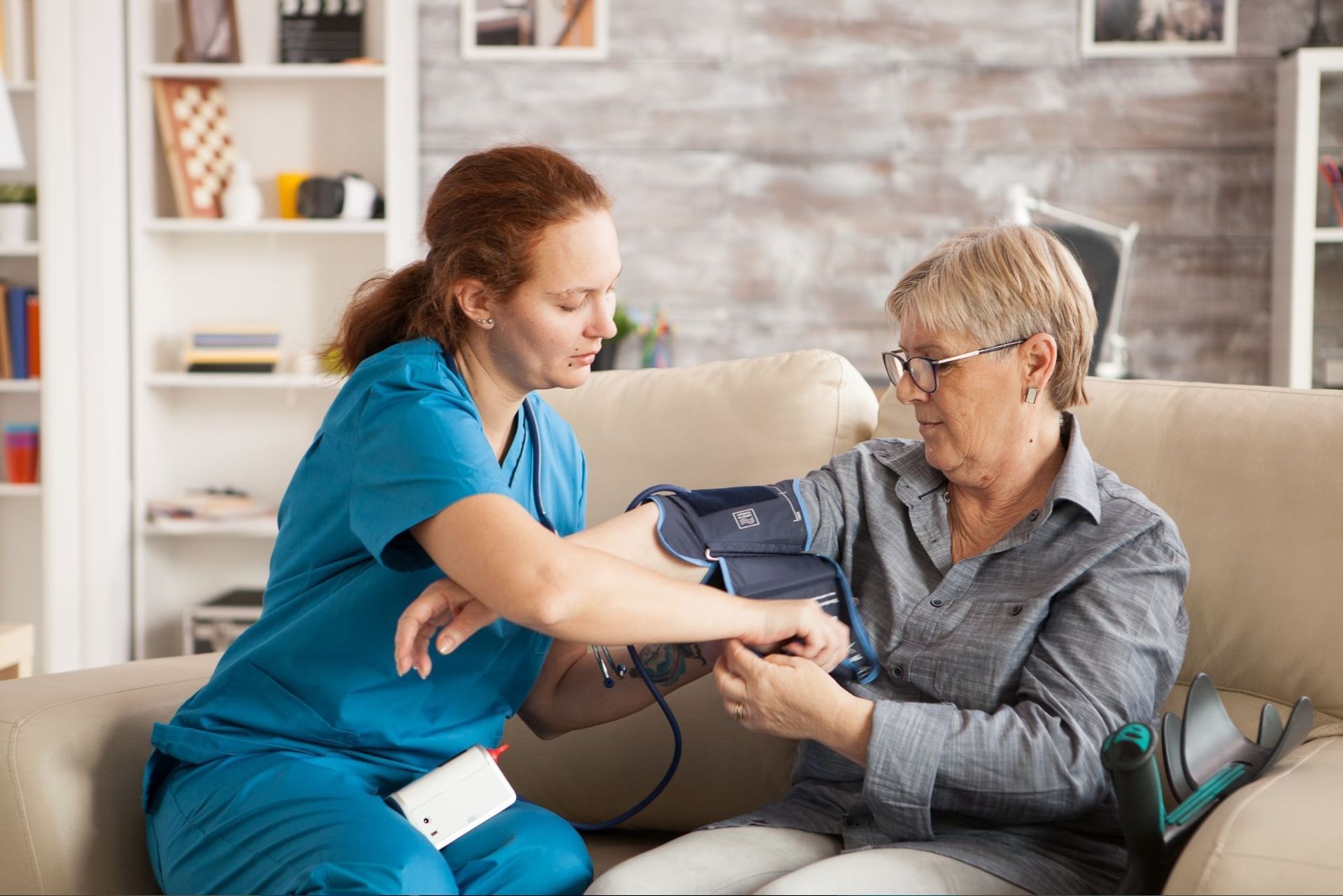
Monitoring Vital Signs
Regular observation allows nurses to detect subtle changes before they become serious complications.
Vital signs commonly monitored include:
- Blood pressure
- Heart rate
- Respiratory rate
- Oxygen saturation
- Body temperature
Changes in these measurements can indicate infection, internal bleeding, dehydration, medication reactions or other concerns requiring prompt medical attention.
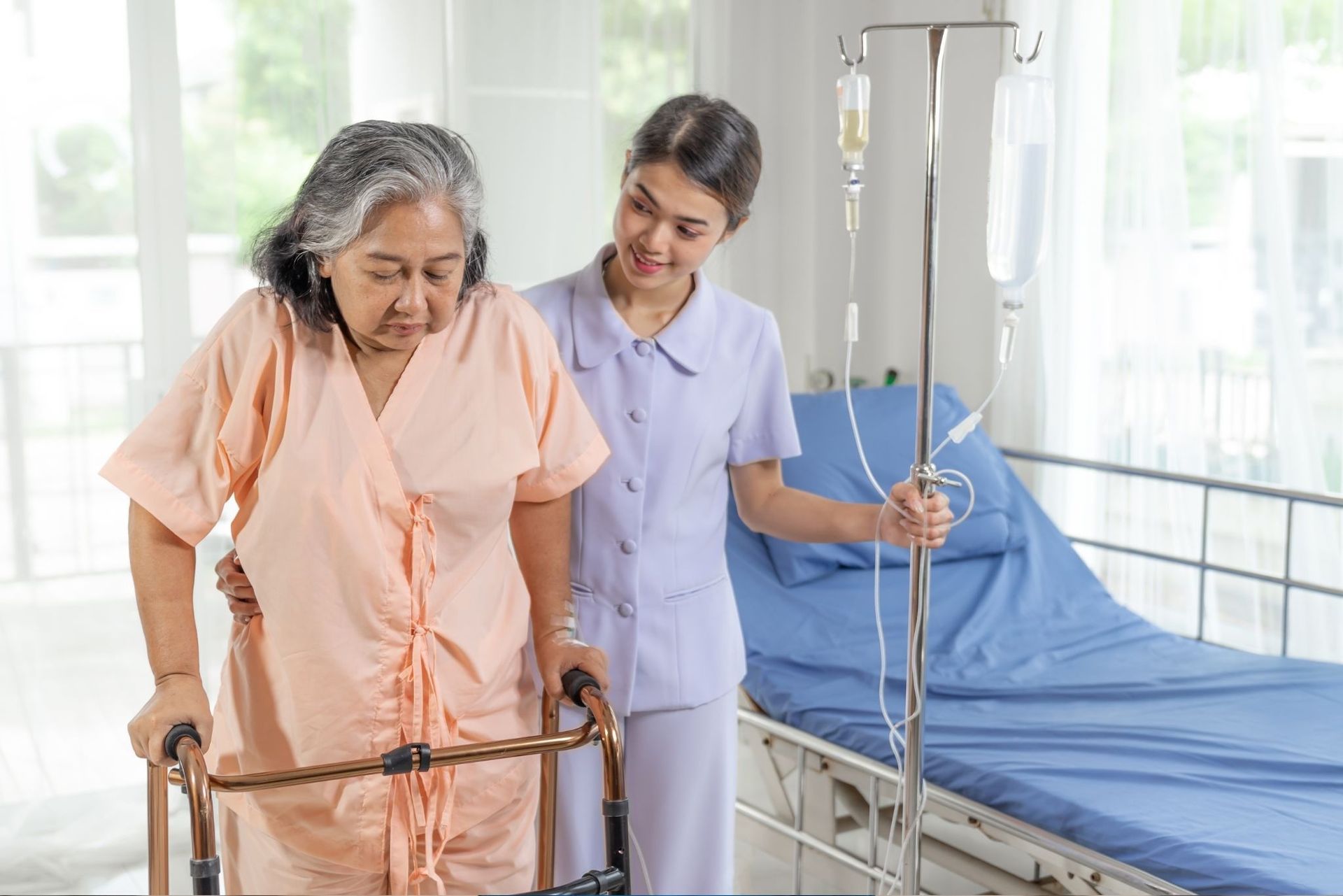
Mobility Support
Reduced movement after surgery increases the risk of complications such as blood clots, muscle weakness, constipation and chest infections.
Private nurses encourage patients to regain mobility safely and gradually according to their surgeon's instructions.
Support may include:
- Helping patients walk safely
- Assisting with transfers from bed to chair
- Teaching safe movement techniques
- Supporting the use of walking aids
- Encouraging gentle exercises
- Preventing falls
Regaining confidence in movement is often one of the biggest milestones during recovery.
Nutritional and Hydration Support
Good nutrition provides the body with the nutrients needed to repair tissues and fight infection.
Nurses encourage patients to consume:
- Adequate fluids
- High protein foods
- Fresh fruit and vegetables
- Fibre rich meals
- Vitamins and minerals essential for healing
Patients recovering from abdominal or gastrointestinal surgery may receive additional dietary advice depending on their procedure.
Hydration is equally important, as dehydration can slow healing and contribute to complications such as urinary tract infections and constipation.
Emotional Support
Surgery affects emotional wellbeing as much as physical health.
Patients may experience:
- Anxiety
- Low mood
- Frustration
- Fear of complications
- Loss of independence
- Sleep disturbances
Private nurses provide reassurance, answer questions, and help patients regain confidence throughout their recovery journey.
Emotional support is especially valuable for patients recovering alone or those with limited family assistance.
Common Procedures That Require Post Operative Nursing Care
Although almost any surgical procedure can benefit from professional nursing support, some operations require closer monitoring because recovery may be longer or more complex.
Orthopaedic Surgery
Joint replacement procedures such as hip and knee replacements require careful rehabilitation.
Nurses help with:
- Pain control
- Mobility exercises
- Walking assistance
- Wound care
- Preventing falls
- Monitoring for blood clots
Early rehabilitation plays a major role in restoring independence.
Cosmetic Surgery
Patients recovering from cosmetic procedures often require careful wound management and monitoring to achieve the best aesthetic outcome.
Private nurses commonly assist following:
- Facelift surgery
- Liposuction
- Tummy tuck procedures
- Breast surgery
- Eyelid surgery
Professional aftercare helps reduce swelling, monitor healing and provide reassurance throughout recovery.
Abdominal Surgery
Operations involving the abdomen often require close monitoring due to the increased risk of infection and reduced mobility.
Examples include:
- Appendix removal
- Gallbladder surgery
- Hernia repair
- Bowel surgery
- Liver procedures
Nurses monitor bowel function, wound healing and overall recovery.
Cardiac Surgery
Recovery following heart surgery requires specialised nursing care.
Patients may require support with:
- Monitoring blood pressure
- Medication management
- Fluid balance
- Breathing exercises
- Lifestyle advice
- Gradual physical activity
Close observation helps reduce the risk of complications during recovery.
Cancer Surgery
Patients recovering from cancer surgery often experience fatigue, pain and reduced immunity.
Private nurses provide compassionate support through:
- Wound management
- Symptom monitoring
- Pain relief
- Medication administration
- Nutritional guidance
- Emotional reassurance
Their care allows patients to recover comfortably within their own homes.
Gynaecological Surgery
Women recovering from procedures such as hysterectomy or ovarian surgery often benefit from nursing support during the first few weeks after discharge.
Nurses assist with:
- Pain management
- Wound care
- Infection prevention
- Mobility support
- Education about recovery milestones
Benefits of Receiving Post Operative Nursing Care at Home
Recovering at home has become increasingly popular across the UK. Many patients find that familiar surroundings improve both comfort and emotional wellbeing.
Greater Comfort
Home provides a calm, familiar environment where patients can rest without the interruptions commonly experienced in hospital settings.
Being surrounded by family, personal belongings and familiar routines often contributes to a more positive recovery experience.
Reduced Risk of Hospital Acquired Infections
Although hospitals maintain strict infection control measures, recovering at home reduces exposure to other patients who may have contagious illnesses.
Professional nursing care at home combines expert clinical support with a safer environment for many patients.
Personalised One to One Care
Unlike busy hospital wards where nurses care for multiple patients, private nursing provides dedicated attention focused entirely on one individual.
This personalised approach allows nurses to identify concerns quickly and adapt care according to the patient's changing needs.
Improved Independence
Recovering at home encourages patients to gradually resume everyday activities within a familiar setting.
Private nurses promote independence while ensuring that patients remain safe throughout the process.
Peace of Mind for Families
Family members often want to help but may feel uncertain about providing medical care.
Knowing that a qualified nurse is overseeing recovery provides reassurance that professional support is always available should any concerns arise.
In addition, nurses educate family members about wound care, medication schedules and signs of complications, helping everyone feel more confident throughout the recovery period.
How to Choose the Right Private Post Operative Nurse
Choosing the right healthcare professional after surgery is one of the most important decisions you can make during your recovery. While many patients receive discharge instructions before leaving hospital, ongoing support from a qualified private nurse can make the transition from hospital to home much smoother.
Not all nursing services provide the same level of expertise. When selecting a private post operative nurse, it is important to consider their qualifications, experience, and the range of services they offer.
Professional Qualifications
Always ensure your nurse is fully qualified and registered to practise in the UK. Registered nurses have the clinical knowledge and practical skills needed to monitor recovery, identify complications, and deliver safe, evidence based care.
Professional qualifications also demonstrate that the nurse adheres to recognised standards of patient safety, confidentiality, and ethical practice.
Experience in Post Operative Care
Every surgical procedure has its own recovery pathway. A nurse with experience in post operative care understands the specific challenges associated with different types of surgery and knows what to expect during each stage of recovery.
Experienced nurses are able to recognise subtle changes in a patient's condition, often identifying potential problems before they become serious.
Flexible Care Plans
Recovery times vary considerably between patients. Some individuals may only need support for a few days, while others recovering from major surgery may require nursing care for several weeks.
Look for a nursing provider that offers flexible appointments and personalised care plans that can be adjusted as your recovery progresses.
Comprehensive Nursing Services
A reliable private nursing service should provide a broad range of post operative support, including:
- Wound assessment and dressing changes
- Medication administration
- Intramuscular injections
- Vital signs monitoring
- Catheter care
- Mobility support
- Health assessments
- Patient education
- Coordination with GPs and consultants
Having access to multiple services through one trusted provider simplifies your recovery and ensures continuity of care.
Compassionate, Patient Focused Care
Clinical expertise is essential, but compassion is equally important.
Recovering from surgery can be physically demanding and emotionally challenging. A caring nurse who listens, explains procedures clearly, and provides reassurance helps patients feel more confident throughout the healing process.
The best nursing care combines professional medical knowledge with kindness, respect, and genuine commitment to patient wellbeing.
Why Choose Nurse Agnes for Post Operative Nursing Care?
Recovering after surgery requires more than simply resting at home. It requires professional clinical support, careful monitoring, and personalised care that adapts to your individual recovery.
At https://www.nurseagnes.co.uk/, patients receive expert private nursing services designed to promote safe, comfortable, and effective recovery in both home and clinic settings.
Nurse Agnes provides high quality nursing care for patients recovering from a wide range of surgical procedures, offering services that are tailored to individual medical requirements.
Patients benefit from:
- Qualified and experienced registered nurses
- Home visits across London
- Flexible appointment scheduling
- Personalised recovery plans
- Professional wound care
- Medication administration
- Injection services
- Health monitoring
- Compassionate one to one nursing support
Whether you have undergone orthopaedic surgery, cosmetic surgery, abdominal surgery, or another medical procedure, professional nursing care helps reduce stress while supporting your return to everyday life.
Private nursing also allows patients to recover with dignity, privacy, and confidence within familiar surroundings.
Frequently Asked Questions
What is included in post operative nursing care?
Post operative nursing care typically includes wound care, dressing changes, medication management, pain assessment, monitoring vital signs, infection prevention, mobility assistance, nutritional guidance, and patient education. Depending on your recovery, a private nurse may also provide injections, catheter care, or ongoing health assessments.
How long do I need post operative nursing care?
The duration depends on the type of surgery, your overall health, and your surgeon's recommendations. Some patients only require a few days of nursing support, while others recovering from complex procedures may benefit from several weeks of care.
Can I recover safely at home after surgery?
Many patients can recover safely at home when appropriate nursing support is available. A private nurse monitors your recovery, manages your treatment plan, and identifies any complications early, helping to reduce the likelihood of hospital readmission.
What are the signs of complications after surgery?
Patients should seek medical advice if they experience:
- Persistent fever
- Increasing pain
- Heavy bleeding
- Excessive swelling
- Redness spreading around the wound
- Pus or unpleasant discharge
- Difficulty breathing
- Chest pain
- Severe dizziness
- Sudden swelling in the legs
Prompt medical attention can prevent complications from becoming more serious.
Can a private nurse change surgical dressings?
Yes. Registered private nurses are trained to perform sterile dressing changes, assess wound healing, monitor for infection, and provide advice on caring for surgical wounds between appointments.
Do private nurses administer medication after surgery?
Yes. Subject to a valid prescription or clinical instructions, private nurses can administer medications, injections, monitor treatment effectiveness, and ensure medicines are taken safely and correctly.
Is post operative nursing suitable for elderly patients?
Absolutely. Older adults often require additional support following surgery because recovery may take longer and they may have other medical conditions. Private nursing provides personalised care that helps maintain safety, independence, and comfort during recovery.
Can family members still be involved in recovery?
Yes. Private nurses work alongside families by providing education, practical guidance, and reassurance. This collaborative approach allows family members to support their loved one with greater confidence while ensuring professional clinical oversight remains in place.
Conclusion
Post operative nursing care plays a vital role in helping patients recover safely after surgery. While the surgical procedure itself may be completed within a matter of hours, successful recovery often depends on the quality of care provided in the days and weeks that follow.
Professional nursing support promotes faster healing, reduces the risk of infection, improves pain management, encourages safe mobility, and provides valuable reassurance throughout the recovery journey. Whether recovering from orthopaedic surgery, cosmetic procedures, abdominal operations, cardiac surgery, or cancer treatment, expert nursing care helps patients regain their health with confidence.
Receiving post operative nursing care at home combines the comfort of familiar surroundings with the reassurance of professional clinical expertise. Personalised one to one care allows nurses to respond quickly to changing needs while helping patients recover at their own pace.
If you are planning surgery or supporting a loved one through recovery, choosing experienced private nursing care can make a meaningful difference. The dedicated team at https://www.nurseagnes.co.uk/ offers compassionate, professional home visits and clinic appointments, ensuring every patient receives safe, personalised, and high quality care from experienced registered nurses.
Investing in expert post operative nursing care is an investment in a smoother recovery, greater peace of mind, and the best possible outcome for your long term health.