Who is a private nurse?
Healthcare has evolved far beyond hospital walls. Today, more people are choosing tailored, one-to-one medical support that fits around their lives rather than disrupting them. This shift has brought increased attention to the role of a private nurse. But what exactly does a private nurse do, and why are so many individuals and families opting for this form of care?
This comprehensive guide explores the meaning, responsibilities, benefits, and real-world applications of private nursing, helping you understand whether it is the right solution for your needs.
What Is a Private Nurse?
A private nurse is a qualified and registered healthcare professional who provides personalised medical and supportive care to individuals outside the traditional hospital or NHS setting. Unlike nurses working in public healthcare systems, private nurses are typically hired directly by patients, families, or through specialist agencies to deliver one-to-one care.
Private nurses can work in a variety of environments, including:
- Private homes
- Residential care settings
- Rehabilitation centres
- Holiday accommodations
- Hospitals, as additional support alongside existing staff
Their role is centred on offering highly individualised care tailored to the specific health conditions, lifestyle, and preferences of the patient.
Key Responsibilities of a Private Nurse
The duties of a private nurse can vary depending on the patient’s needs, but generally include a combination of clinical, practical, and emotional support.
1. Medical Care and Monitoring
Private nurses are trained to manage a wide range of medical conditions. Their responsibilities may include:
- Administering medication
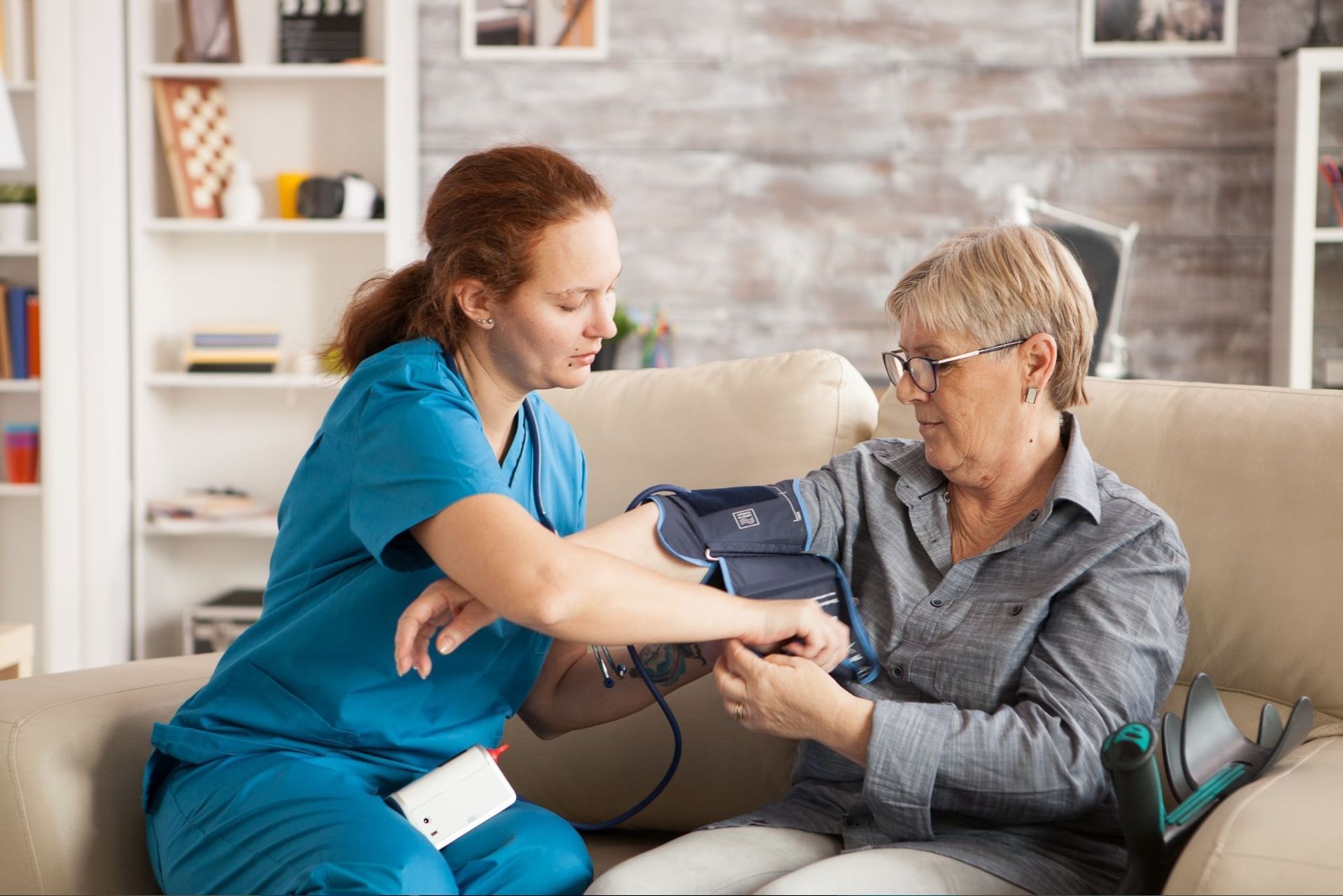
- Monitoring vital signs such as blood pressure, pulse, and oxygen levels
- Managing chronic conditions like diabetes or heart disease
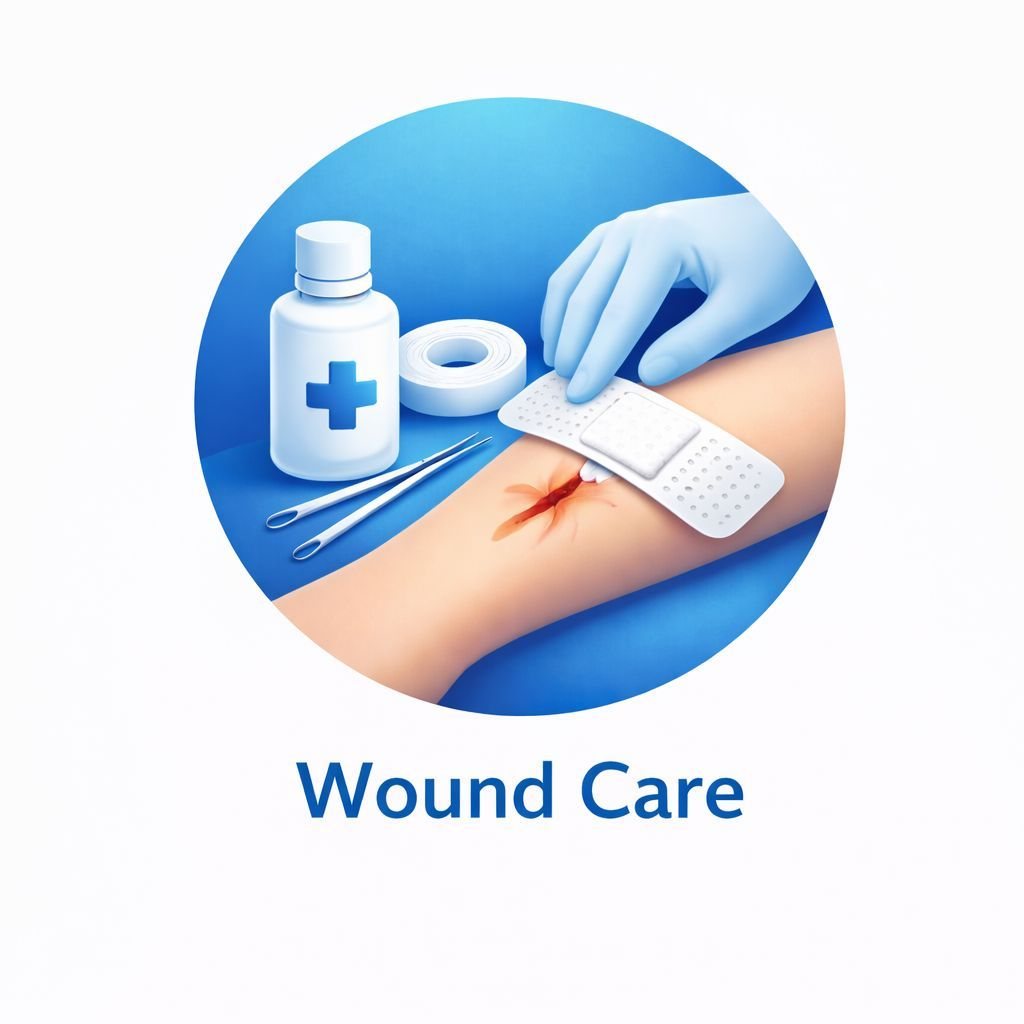
- Wound care and dressing changes
- Post-operative care
- Private nurse for injection services for prescribed treatments
Their continuous presence allows for early detection of complications, which can significantly improve recovery outcomes.
2. Personal Care Assistance
In addition to medical support, private nurses often assist with daily living activities, especially for patients with limited mobility or serious illness. This can include:
- Bathing and hygiene
- Dressing
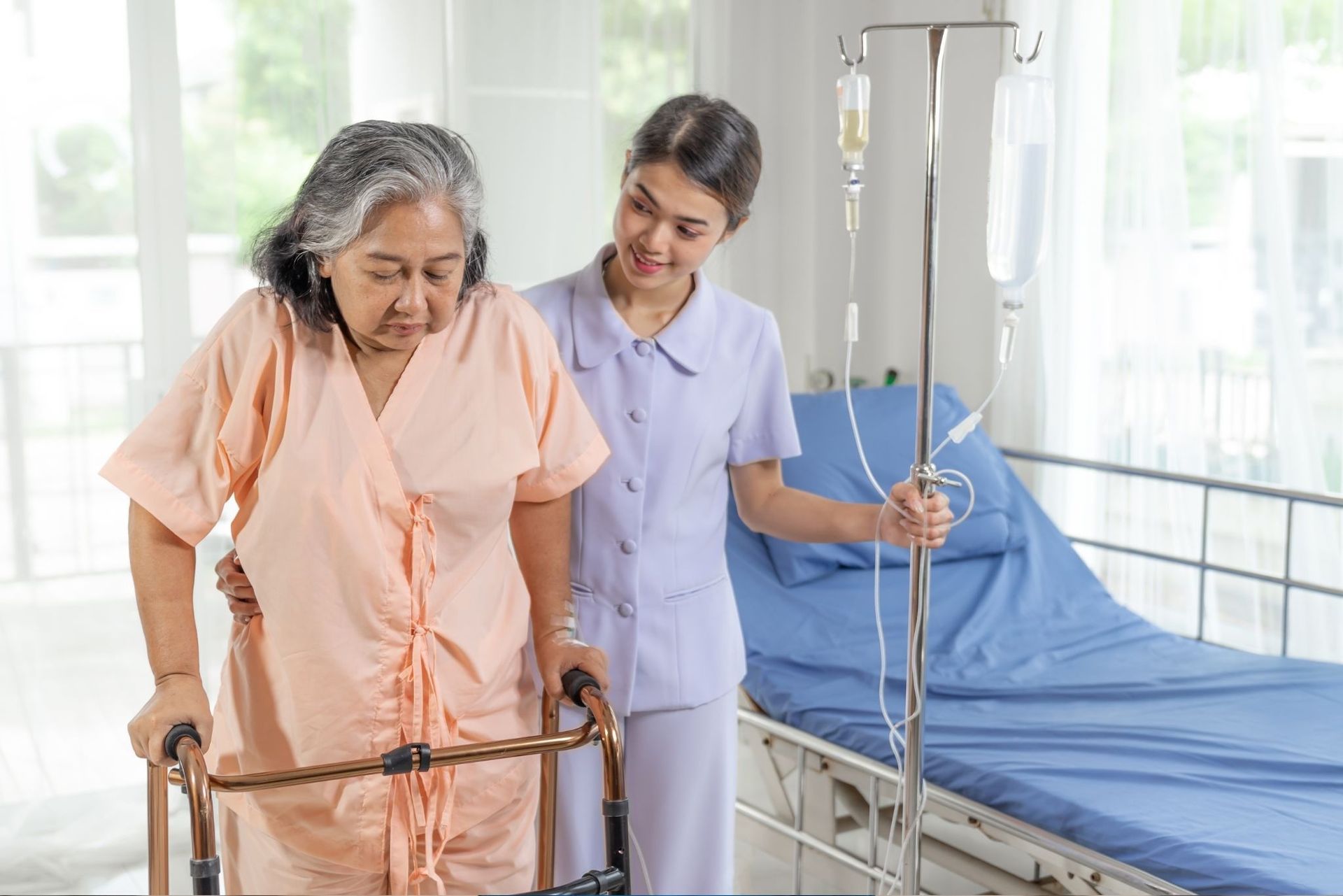
- Mobility support
- Feeding assistance
This ensures dignity and comfort while maintaining high standards of care.
3. Emotional and Psychological Support
One of the most valuable aspects of private nursing is the emotional connection. Patients often feel more relaxed and secure when cared for by a consistent professional who understands their needs.
Private nurses provide:
- Companionship
- Reassurance during recovery or illness
- Support for anxiety or depression related to health conditions
4. Care Coordination
Private nurses frequently act as a bridge between patients, families, and other healthcare providers. They may:
- Liaise with GPs and consultants
- Coordinate appointments
- Manage care plans
- Ensure continuity of care
Types of Private Nursing Services
Private nursing is not a one-size-fits-all solution. It encompasses a wide range of specialised services designed to meet diverse needs.
Live-in Nursing Care
A live-in private nurse stays in the patient’s home, providing round-the-clock care. This is ideal for individuals who require continuous supervision or have complex medical needs.
Visiting or Part-Time Nursing
Some patients only need assistance for a few hours a day or week. Visiting private nurses offer flexibility, allowing patients to receive professional care without full-time commitment.
Post-Surgical Care
After surgery, many patients prefer to recover in the comfort of their own home. Private nurses ensure proper wound care, medication adherence, and rehabilitation support.
Palliative and End-of-Life Care
Private nurses play a crucial role in providing compassionate care for patients with life-limiting conditions. Their focus is on comfort, dignity, and quality of life.
Specialist Nursing
Certain private nurses have advanced training in areas such as:
- Oncology care
- Paediatric nursing
- Neurological conditions
- Intensive care support
Qualifications and Training of a Private Nurse
Private nurses in the UK are highly trained professionals. Most are registered with the Nursing and Midwifery Council and have extensive clinical experience.
Typical qualifications include:
- A degree in nursing
- Registration with the Nursing and Midwifery Council
- Clinical experience in hospitals or specialist units
- Additional certifications depending on specialisation
Many private nurses also undergo continuous professional development to stay updated with the latest healthcare practices.
Benefits of Hiring a Private Nurse
The growing demand for private nursing is driven by its clear advantages over traditional care models.
Personalised Care
Unlike busy hospital environments, private nurses focus solely on one patient at a time. This allows for:
- Tailored care plans
- Greater attention to detail
- Faster response to changing health conditions
Comfort of Home
Receiving care at home promotes:
- Emotional wellbeing
- Faster recovery
- Reduced risk of hospital-acquired infections
Flexibility
Private nursing services can be adjusted based on changing needs, whether short-term or long-term.
Continuity of Care
Having a consistent caregiver builds trust and ensures a deeper understanding of the patient’s health and preferences.
Support for Families
Private nurses also relieve the burden on family members by providing professional care and guidance.
Who Can Benefit from a Private Nurse?
Private nursing is suitable for a wide range of individuals, including:
Elderly Patients
Older adults often require ongoing medical and personal care. A private nurse enables them to maintain independence while receiving expert support.
Individuals with Chronic Illness
Conditions such as diabetes, arthritis, or heart disease require consistent monitoring, which private nurses provide effectively.
Post-Surgery Patients
Recovery at home with professional supervision reduces complications and improves outcomes.
People with Disabilities
Private nurses help individuals with physical or neurological disabilities live more comfortably and independently.
Patients Requiring Palliative Care
End-of-life care is deeply personal, and private nurses ensure dignity and comfort during this sensitive time.
Private Nurse vs NHS Nurse: What Is the Difference?
While both private and NHS nurses are qualified professionals, their working environments and care delivery differ significantly.
| Aspect | Private Nurse | NHS Nurse | |
|---|---|---|---|
| 1 | Patient Ratio | One-to-one | Multiple patients |
| 2 | Environment | Home or private setting | Hospital or clinic |
| 3 | Flexibility | Highly flexible | Fixed schedules |
| 4 | Personalisation | Tailored care | Standardised care plans |
| 5 | Availability | On demand | Subject to system capacity |
Private nurses complement rather than replace NHS services, offering additional support where needed.
How to Choose the Right Private Nurse
Selecting the right private nurse is crucial for ensuring high-quality care. Consider the following factors:
Qualifications and Experience
Verify credentials and ensure the nurse has relevant experience for the patient’s condition.
Communication Skills
A good private nurse should communicate clearly with both patients and families.
Compatibility
Personal rapport is important, especially for long-term care arrangements.
References and Reviews
Check testimonials or agency reputations to ensure reliability.
Flexibility
Choose a nurse or service that can adapt to changing care needs.
Cost of Private Nursing in the UK
The cost of hiring a private nurse varies depending on:
- Level of care required
- Duration of service
- Specialisation
- Location
While private nursing is an investment, many families consider it worthwhile for the level of personalised care and peace of mind it provides.
The Future of Private Nursing
As healthcare systems face increasing pressure, private nursing is becoming a vital component of modern care. Advances in medical technology and a growing preference for home-based care are expected to drive further demand.
Private nurses are no longer seen as a luxury but as a practical solution for high-quality, patient-centred healthcare.
Why Choose Professional Private Nursing Services?
When considering private nursing, working with a trusted provider ensures safety, professionalism, and quality care. Established services connect patients with experienced nurses who are carefully vetted and trained.
For those seeking reliable and compassionate care, you can explore
professional nursing services at
Nurse Agnes which offers tailored private nursing solutions designed to meet individual healthcare needs.
A private nurse is much more than a healthcare provider. They are a dedicated professional who delivers personalised medical care, emotional support, and peace of mind in the comfort of your own environment.
Whether you are recovering from surgery, managing a long-term condition, or seeking compassionate end-of-life care, private nursing offers a flexible and highly effective solution.
Understanding the role and benefits of a private nurse allows you to make informed decisions about your healthcare or that of a loved one. As demand continues to grow, private nursing is set to play an increasingly important role in delivering high-quality, patient-focused care across the UK.
When Should You Consider Hiring a Private Nurse?
Many people assume private nursing is only necessary in extreme situations. In reality, it can be beneficial at several stages of a health journey. Knowing when to seek this level of care can make a significant difference in both recovery and quality of life.
After Hospital Discharge
Hospitals are designed for acute care, not extended recovery. Patients are often discharged as soon as they are medically stable, but that does not mean they are fully recovered. A private nurse ensures a
smooth transition from hospital to home by:
- Monitoring recovery progress
- Managing medications correctly
- Reducing the risk of readmission
During Rehabilitation
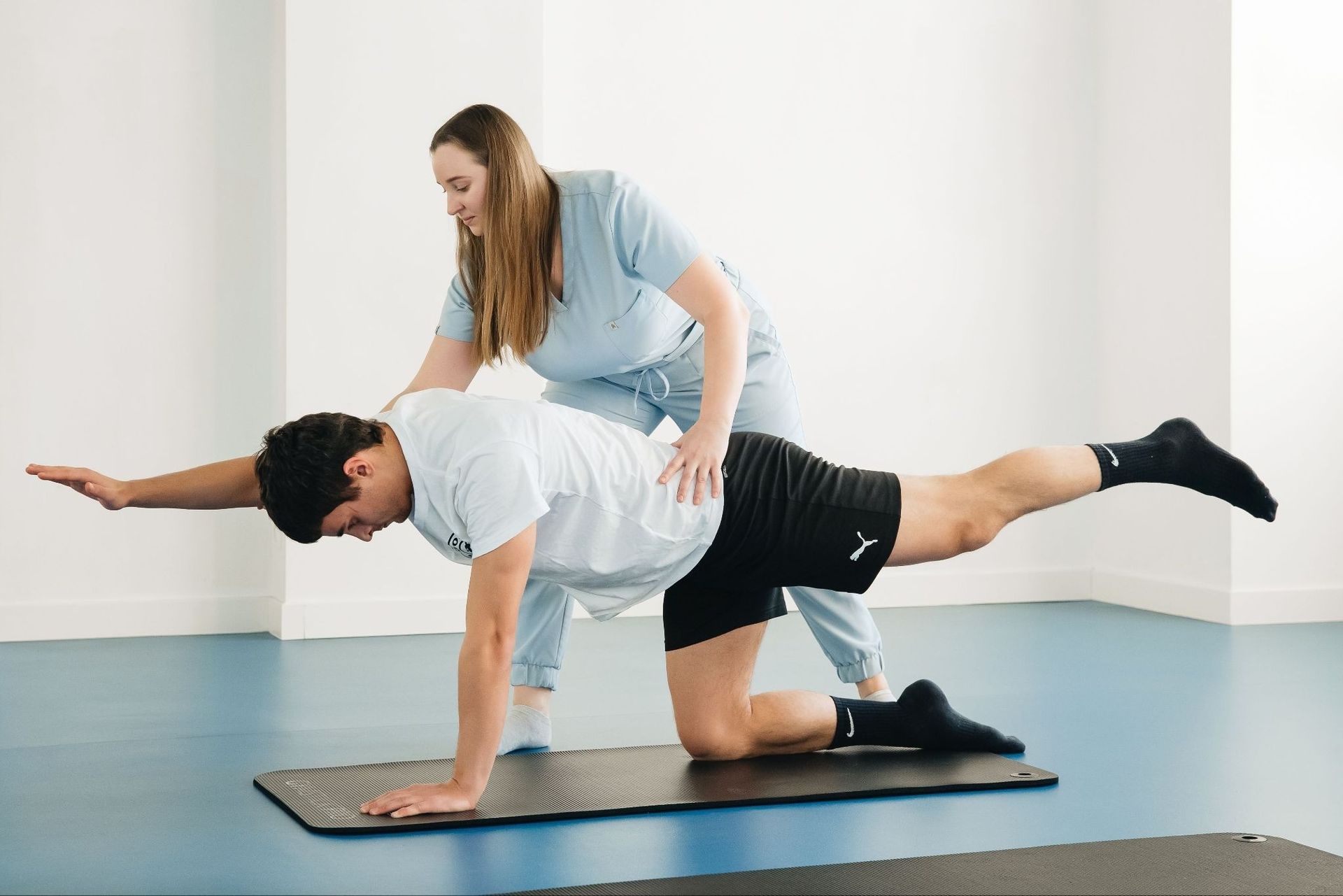
Recovery from injury, stroke, or surgery often requires structured rehabilitation. A private nurse supports physiotherapy routines, mobility exercises, and ongoing health assessments, ensuring consistency and progress.
For Complex Medical Needs
Patients with multiple or serious health conditions require close observation and skilled care. A private nurse provides the level of attention that is difficult to achieve in busy healthcare settings.
When Family Support Is Limited
Not every family can provide full-time care due to work, distance, or other responsibilities. A private nurse fills this gap while keeping families informed and involved.
The Role of Technology in Private Nursing
Modern private nursing is increasingly supported by advanced technology, improving both efficiency and patient outcomes.
Remote Monitoring
Private nurses may use digital tools to track:
- Heart rate
- Oxygen levels
- Blood glucose
- Sleep patterns
This allows for real-time health insights and quicker responses to any changes.
Telehealth Integration
Private nurses often coordinate virtual consultations with doctors and specialists, reducing the need for frequent hospital visits while maintaining high-quality medical oversight.
Electronic Care Records
Detailed digital records ensure accurate documentation of treatments, medications, and patient progress. This improves communication between all parties involved in care.
Common Misconceptions About Private Nurses
Despite the growing popularity of private nursing, several misconceptions still exist.
“Private Nursing Is Only for the Wealthy”
While private care does involve costs, there are flexible options available, including short-term care and part-time services. Many families find it more affordable than prolonged hospital stays or residential care.
“It Replaces Doctors”
Private nurses do not replace doctors or consultants. Instead, they work alongside them, implementing care plans and providing continuous monitoring.
“It Is Only for Elderly People”
Private nursing is suitable for people of all ages, including children, adults recovering from surgery, and individuals with temporary medical needs.
“Hospitals Provide Better Care”
Hospitals provide essential acute care, but they are often overstretched. Private nurses offer focused, one-to-one care that complements hospital treatment.
How Private Nursing Supports Independence
One of the most important benefits of private nursing is its ability to preserve independence. Many individuals prefer to remain in familiar surroundings rather than move into care facilities.
Private nurses enable this by:
- Encouraging self-care where possible
- Assisting without taking over completely
- Adapting care to the patient’s lifestyle
This approach promotes confidence, dignity, and a better overall quality of life.
Legal and Ethical Standards in Private Nursing
Private nurses in the UK operate under strict professional and ethical guidelines. These standards ensure patient safety and high-quality care.
Regulation
Private nurses must be registered with the Nursing and Midwifery Council, which sets standards for:
- Professional conduct
- Clinical competence
- Ongoing training
Confidentiality
Patient privacy is a top priority. Private nurses follow strict confidentiality protocols when handling medical information.
Safeguarding
Private nurses are trained to recognise and respond to safeguarding concerns, ensuring vulnerable individuals are protected at all times.
How Private Nurses Work with Families
Private nursing is not just about the patient. It also involves supporting families who may be navigating complex or emotional situations.
Education and Guidance
Private nurses help families understand:
- Medical conditions
- Treatment plans
- Medication schedules
This empowers families to feel more confident and involved.
Emotional Support
Caring for a loved one can be overwhelming. Private nurses provide reassurance and practical support, reducing stress and anxiety.
Respite Care
Families often need time to rest and recharge. Private nurses can step in temporarily, ensuring continuous care while giving family members a break.
The Importance of Trust in Private Nursing
Trust is at the heart of effective private care. Patients are inviting a healthcare professional into their personal space, often during vulnerable moments.
Building trust involves:
- Consistent and reliable care
- Clear communication
- Respect for personal preferences
- Professional integrity
A strong nurse-patient relationship leads to better outcomes and a more positive care experience.
Tailored Care Plans: The Core of Private Nursing
Every patient is unique, which is why private nursing revolves around customised care plans.
These plans typically include:
- Medical history and current conditions
- Treatment requirements
- Daily care routines
- Dietary needs
- Personal preferences
Care plans are regularly reviewed and adjusted to reflect changes in the patient’s condition.
Challenges in Private Nursing
While private nursing offers many benefits, it is important to acknowledge potential challenges.
Cost Considerations
Private care requires financial planning. However, many providers offer flexible packages to suit different budgets.
Finding the Right Match
Not every nurse will be the perfect fit. It may take time to find someone who aligns with the patient’s needs and personality.
Emotional Attachment
Close relationships can develop between patients and nurses. While this is often positive, it can also make transitions more difficult if care arrangements change.
Why Demand for Private Nurses Is Growing
Several factors are contributing to the increasing demand for private nursing in the UK.
- Ageing population
- Rising chronic health conditions
- Pressure on NHS services
- Preference for home-based care
- Greater awareness of personalised healthcare options
This trend reflects a broader shift towards patient-centred care that prioritises comfort, convenience, and individual needs.
How to Get Started with Private Nursing
If you are considering hiring a private nurse, the process is usually straightforward.
Step 1: Assess Your Needs
Determine the level of care required, whether it is medical, personal, or both.
Step 2: Choose a Trusted Provider
Working with an experienced and reputable service ensures quality and safety.
Step 3: Consultation
Most providers offer an initial consultation to understand your needs and recommend suitable care options.
Step 4: Care Plan Development
A personalised care plan is created, outlining all aspects of the service.
Step 5: Ongoing Support
Care is continuously monitored and adjusted as needed.
For those ready to explore professional private nursing services, visit
https://www.nurseagnes.co.uk/
to learn more about tailored care solutions designed around individual needs.
Conclusion
A private nurse represents a modern, flexible approach to healthcare that places the individual at the centre of care. From medical expertise to emotional support, private nurses deliver a level of attention and personalisation that is difficult to match in traditional settings.
Whether for short-term recovery or long-term care, private nursing provides a practical and compassionate solution that enhances both health outcomes and quality of life. As more people recognise its value, private nursing continues to redefine how care is delivered across the UK.
Understanding what a private nurse is and what they offer empowers individuals and families to make informed, confident decisions about their healthcare journey.