Can someone give an injection at home
Can Someone Give an Injection at Home
Home healthcare services are becoming increasingly popular across the UK, especially for people who need regular medical support without frequent visits to a clinic or hospital. One common question many patients and families ask is: can someone give an injection at home? The short answer is yes — but it depends on the type of injection, the person administering it, and the medical condition involved.
In the UK, many injections can safely be administered at home by qualified healthcare professionals, trained carers, or in some cases by patients themselves after proper guidance. Home injection services are widely used for vitamin injections, fertility medication, insulin therapy, anticoagulants, pain relief, hormone treatments, allergy medications, and post-operative care.
This comprehensive guide explains everything you need to know about home injections in the UK, including who can administer them, safety considerations, legal requirements, benefits, risks, and when professional nursing support is recommended.
What Does It Mean to Receive an Injection at Home?
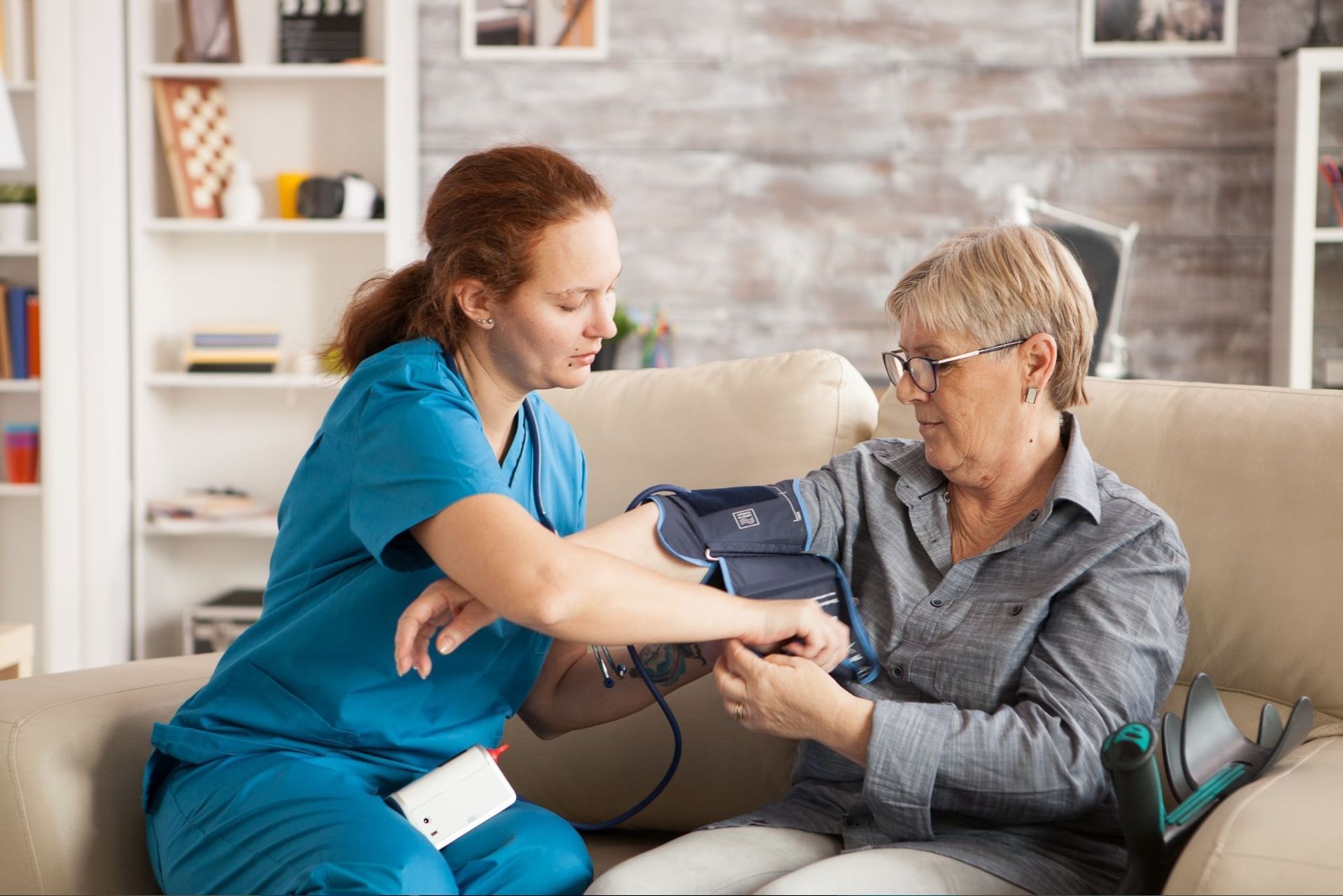
Receiving an injection at home means a medication is administered outside a hospital or GP surgery setting. This can happen in several ways:
- A private nurse visits your home
- A district nurse provides NHS care
- A trained family member administers the injection
- The patient self-injects after training
- A carer gives injections under medical supervision
Home injections are commonly used for patients who:
- Have mobility issues
- Need long-term medication
- Recover after surgery
- Prefer private healthcare at home
- Require palliative care
- Need regular vitamin or hormone injections
The growing demand for community healthcare in the UK has made home-based medical support more accessible than ever.
Who Can Legally Give an Injection at Home in the UK?
In the UK, injections should only be administered by someone who is appropriately trained and competent. Depending on the type of medication and injection, this may include:
Registered Nurses
Qualified nurses are the most common professionals providing injections at home. They are trained to:
- Assess patient suitability
- Administer medication safely
- Prevent infection
- Monitor side effects
- Handle emergency reactions
Private home nursing services often provide injections for:
- Vitamin B12
- Antibiotics
- Hormone therapy
- Travel vaccinations
- Fertility treatment
- Pain management
Professional home healthcare providers such as Nurse Agnes offer personalised nursing care and injection support for patients across the UK.
Can Family Members Give Injections at Home?
Yes, in some cases family members can administer injections at home after receiving proper medical training. This is common for:
- Insulin injections
- Blood thinner injections
- Fertility medications
- Allergy medication
- Certain chronic condition treatments
Healthcare professionals typically teach:
- Safe injection techniques
- Hygiene standards
- Needle disposal
- Medication storage
- Correct dosage procedures
However, family members should never administer injections without formal instruction from a qualified healthcare provider.
Types of Injections Commonly Given at Home
Several medical injections can safely be administered at home under professional guidance.
Insulin Injections
People with diabetes often self-administer insulin multiple times per day. Diabetes nurses provide education on:
- Injection sites
- Needle handling
- Dose measurement
- Blood sugar monitoring
Vitamin B12 Injections
Vitamin B12 injections are commonly used to treat deficiency symptoms such as:
- Fatigue
- Weakness
- Brain fog
- Nerve problems
Many patients choose private home visits for convenience and ongoing support.
Anticoagulant Injections
Blood thinning injections are frequently prescribed after surgery or during pregnancy to prevent blood clots.
Fertility Injections
Fertility treatments often involve daily hormone injections that patients or partners administer at home after specialist instruction.
Pain Relief Injections
Some chronic pain conditions require injectable medication supervised by healthcare professionals.
Antibiotic Injections
Certain infections may require injectable antibiotics administered by a visiting nurse.
Are Home Injections Safe?
Home injections can be very safe when administered correctly by trained individuals. Safety depends on:
- Proper hygiene
- Correct medication handling
- Appropriate training
- Sterile equipment
- Safe disposal of sharps
Professional nurses follow strict infection control procedures to minimise risks.
Risks Associated With Home Injections
Although generally safe, there are some potential risks associated with injections at home.
Infection
Poor hygiene or incorrect injection techniques may lead to infection.
Incorrect Dosage
Administering the wrong dose can cause serious health complications.
Allergic Reactions
Some medications may trigger allergic reactions or anaphylaxis.
Bruising and Swelling
Minor bruising, redness, or swelling can occur at injection sites.
Needle Injuries
Improper handling may cause accidental needle-stick injuries.
This is why professional supervision is important, particularly for first-time injections.
Benefits of Receiving Injections at Home
Many patients prefer home healthcare because it offers comfort, convenience, and personalised care.
Convenience
Patients avoid travelling to clinics or hospitals.
Reduced Stress
Home environments often reduce anxiety, particularly for elderly or vulnerable individuals.
Better Accessibility
Home injections support people with mobility limitations or chronic illness.
Personalised Care
Private nursing services provide one-to-one support tailored to individual needs.
Time-Saving
Busy professionals and families benefit from flexible appointment scheduling.
What Qualifications Should a Home Injection Provider Have?
When choosing a healthcare professional to administer injections at home, check for:
- Nursing registration with the NMC
- Clinical experience
- Insurance coverage
- DBS checks
- Medication administration training
- Infection control certification
Reputable providers prioritise patient safety and professional standards.
Can a Private Nurse Give Injections at Home?
Yes, private nurses regularly provide injection services in patients’ homes across the UK. This is particularly useful for:
- Elderly care
- Post-surgery recovery
- Corporate healthcare
- Wellness treatments
- Chronic disease management
Private home nursing is growing rapidly because patients value flexible, personalised healthcare support outside traditional clinical settings.
How Much Does a Home Injection Service Cost in the UK?
The cost varies depending on:
- Location
- Type of injection
- Nurse qualifications
- Frequency of visits
- Travel requirements
Private home injection appointments in the UK typically range from £50 to £200 or more depending on complexity.
Some NHS services may provide home injections free of charge if medically necessary.
Can You Give Yourself an Injection at Home?
Many people safely self-inject medication every day. Common self-administered injections include:
- Insulin
- Fertility medication
- Biologic treatments
- Weight loss medication
- Vitamin injections
Patients should always receive professional training before self-injecting.
How to Safely Administer an Injection at Home
Safe injection practices are essential.
Wash Hands Thoroughly
Hand hygiene helps prevent infection.
Use Sterile Equipment
Always use new, sealed needles and syringes.
Check Medication Carefully
Confirm:
- Correct medication
- Expiry date
- Correct dosage
Clean the Injection Site
Alcohol wipes help reduce bacteria on the skin.
Dispose of Needles Properly
Sharps bins should always be used for used needles.
What Are the Different Types of Injections?
Healthcare professionals may administer different kinds of injections depending on the medication.
Intramuscular Injection
Injected into muscle tissue.
Subcutaneous Injection
Injected beneath the skin.
Intravenous Injection
Injected directly into a vein.
Intradermal Injection
Injected into the skin layer.
Each method requires specific training and technique.
When Should You Avoid Home Injections?
Some situations require hospital or clinical supervision rather than home care.
Severe Allergic History
Patients with a history of anaphylaxis may need medical monitoring.
Complex IV Treatments
Intravenous medications may require specialist supervision.
High-Risk Medical Conditions
Unstable patients often require clinical observation.
Lack of Training
Untrained individuals should never attempt injections independently.
NHS vs Private Home Injection Services
NHS Services
The NHS may provide home nursing support for:
- Elderly patients
- Palliative care
- Long-term illness
- Post-operative recovery
Availability varies by region.
Private Services
Private nursing services provide:
- Faster appointments
- Flexible scheduling
- Wellness injections
- Personalised care plans
- Extended support hours
Patients often choose private healthcare for convenience and reduced waiting times.
Can Elderly Patients Receive Injections at Home?
Yes, home injections are especially beneficial for elderly patients who may struggle with:
- Mobility
- Transport
- Frailty
- Chronic conditions
Home nursing services help older adults remain independent while receiving essential healthcare support.
Home Injection Services for Chronic Conditions
Many chronic illnesses require ongoing injectable treatment.
Diabetes
Insulin management and monitoring.
Arthritis
Biologic medications and pain relief.
Osteoporosis
Bone-strengthening injections.
Autoimmune Conditions
Long-term biologic therapies.
Professional support helps improve treatment adherence and patient confidence.
What Should You Expect During a Home Injection Visit?
A professional nurse usually:
- Reviews your medical history
- Checks the medication
- Explains the procedure
- Administers the injection
- Monitors for side effects
- Documents the treatment
Appointments are designed to be safe, comfortable, and efficient.
Questions to Ask Before Booking a Home Injection Service
Before arranging home healthcare, consider asking:
- Is the nurse fully qualified?
- Are they insured?
- What injections do they provide?
- What safety procedures are followed?
- Is emergency support available?
- Are medications supplied or prescribed separately?
Choosing a reputable provider is essential for safe treatment.
The Future of Home Healthcare in the UK
The demand for healthcare at home continues to grow throughout the UK. Patients increasingly value:
- Convenience
- Personalised care
- Reduced hospital visits
- Faster access to treatment
Advances in digital healthcare, remote monitoring, and community nursing are helping more people safely receive treatment at home.
Home injection services are likely to become even more common as healthcare systems prioritise patient-centred care.
Frequently Asked Questions
Can anyone give an injection at home?
No. Injections should only be administered by trained individuals or healthcare professionals.
Is it legal to give injections at home in the UK?
Yes, provided the person administering the injection is properly trained and follows medical guidance.
Can nurses visit your home for injections?
Yes. Many NHS and private nurses offer home injection services.
Are home injections painful?
Most injections cause minimal discomfort, although this depends on the medication and injection type.
Do I need a prescription for home injections?
Many injectable medications require a valid prescription from a healthcare professional.
Are vitamin injections available at home?
Yes. Vitamin B12 and wellness injections are commonly provided through private home nursing services.
Conclusion
So, can someone give an injection at home? Yes — home injections are widely used across the UK and can be safe, effective, and convenient when administered correctly. Whether provided by a qualified nurse, trained carer, or self-administered after proper instruction, home injection services offer valuable healthcare support for people of all ages.
From insulin therapy and vitamin injections to post-operative care and chronic disease management, receiving injections at home allows patients to access professional treatment in a comfortable and familiar environment.
However, safety should always remain the top priority. Proper training, infection control, medical supervision, and professional healthcare guidance are essential for reducing risks and ensuring effective treatment outcomes.
For patients seeking professional home healthcare support, trusted providers such as Nurse Agnes can help deliver safe and personalised nursing care directly in the comfort of home.