Do cupping devices really work
Do cupping devices really work
Cupping therapy has moved from traditional wellness clinics into mainstream conversations across the UK. From athletes and physiotherapists to people managing muscular tension at home, many are now asking the same question: do cupping devices really work?
The short answer is that cupping devices may help with muscle tightness, circulation, temporary pain relief, and relaxation for some individuals. However, their effectiveness depends on the condition being treated, the type of device used, and whether the therapy is performed correctly and safely.
This article explores how cupping devices work, the science behind them, their potential benefits, risks, and whether they are worth considering as part of a broader wellness or recovery plan.
What are cupping devices?
Cupping devices are tools designed to create suction on the skin. This suction gently lifts the skin and underlying tissue, which is believed to stimulate blood flow, release muscular tension, and encourage recovery.
Traditional cupping used heated glass cups to create suction. Modern cupping devices now include:
- Silicone cups
- Plastic vacuum cups
- Electric cupping massagers
- Manual pump cupping sets
- Smart cupping therapy devices with heat settings
These devices are commonly used in:
- Sports recovery
- Physiotherapy support
- Massage therapy
- Alternative medicine
- Home wellness routines
Cupping therapy has roots in traditional Chinese medicine, Middle Eastern medicine, and ancient Egyptian healing practices. Today, modern practitioners combine traditional approaches with evidence-based recovery methods.
How do cupping devices work?
Cupping devices work by creating negative pressure against the skin. Unlike massage therapy, which pushes into muscles, cupping lifts the tissue upwards.
The suction may:
- Increase local blood circulation
- Stretch fascia and connective tissue
- Reduce muscle tightness
- Stimulate sensory nerves
- Encourage relaxation responses
When suction is applied, small blood vessels under the skin expand. This often leaves circular marks that can last several days.
Many people describe the sensation as similar to a deep tissue massage but with pulling rather than pressure.
Types of cupping devices available in the UK
There are several categories of cupping devices commonly sold across the UK wellness market.
Silicone cupping cups
These flexible cups are squeezed by hand before being placed on the skin. They are popular for beginners because they are easy to control and relatively affordable.
Benefits include:
- Lightweight design
- Easy cleaning
- Portable use
- Gentle suction levels
Vacuum pump cupping sets
These plastic cups use a manual hand pump to create suction. The pressure can usually be adjusted.
They are commonly used for:
- Sports massage
- Physiotherapy clinics
- Home recovery routines
Electric cupping devices
Electric cupping tools automate the suction process and may include:
- Heat therapy
- Red light therapy
- Adjustable suction modes
- Timer settings
These devices are increasingly popular because they offer convenience and more consistent pressure.
Glass fire cups
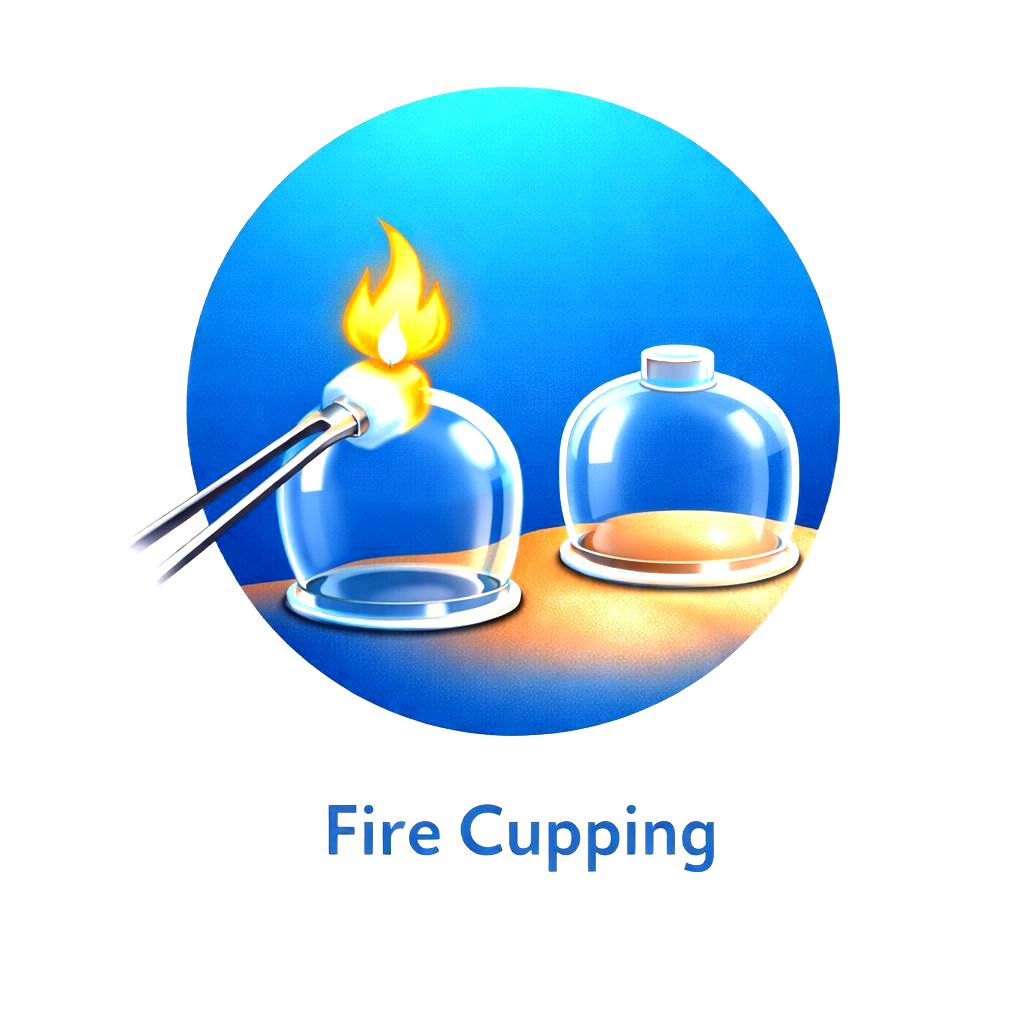
Traditional practitioners may still use heated glass cups. These require specialist training and are generally not recommended for unsupervised home use.
Do cupping devices really work for pain relief?
Many people use cupping devices to support pain management, particularly for muscular discomfort.
Research suggests cupping may provide temporary relief for certain conditions, including:
- Neck pain
- Shoulder tension
- Lower back pain
- Sports-related muscle soreness
- Myofascial tightness
The proposed reason is that increased circulation and tissue decompression may reduce stiffness and improve mobility.
However, medical evidence remains mixed.
Some studies show short-term improvements in pain scores and movement, while others conclude that more high-quality research is needed. Many healthcare professionals view cupping as a complementary therapy rather than a primary medical treatment.
For individuals with chronic pain, cupping is often used alongside:
- Physiotherapy
- Exercise rehabilitation
- Stretching programmes
- Massage therapy
- Lifestyle modifications
Can cupping devices improve circulation?
One of the most frequently discussed benefits of cupping therapy is improved blood circulation.
The suction created by the cups may temporarily increase blood flow to the treated area. This can:
- Deliver oxygen to tissues
- Support muscle recovery
- Encourage relaxation
- Reduce feelings of tightness
Athletes often use cupping devices after intense exercise because they believe it helps recovery and reduces muscle fatigue.
Although improved local circulation is widely accepted, claims about detoxification or removing toxins are not strongly supported by scientific evidence.
Are cupping devices effective for muscle recovery?
Sports professionals have helped popularise cupping therapy worldwide. Visible cupping marks on elite athletes have increased public curiosity about whether the treatment genuinely works.
Cupping devices may support recovery by:
- Reducing muscular stiffness
- Enhancing relaxation
- Increasing range of motion
- Improving perception of recovery
Some users report feeling looser and more mobile after treatment.
However, recovery results vary between individuals. Factors such as hydration, sleep, training load, and nutrition still play major roles in muscular recovery.
Cupping should not replace evidence-based recovery strategies but may complement them.
What does science say about cupping therapy?
Scientific research into cupping therapy is growing, but evidence quality varies significantly.
Several systematic reviews suggest that cupping may offer short-term relief for musculoskeletal pain.
However, researchers often note issues such as:
- Small sample sizes
- Limited control groups
- Inconsistent treatment methods
- Placebo effects
Current evidence suggests cupping may help some people feel better temporarily, especially for muscular discomfort and tension.
Medical professionals generally agree on the following:
- Cupping is not a cure for serious medical conditions
- Benefits are often temporary
- More clinical research is required
- Proper technique matters for safety
This balanced perspective is important because many online claims about cupping are exaggerated.
Do electric cupping devices work better?
Electric cupping devices have become increasingly popular in the UK wellness market.
These modern tools offer:
- Adjustable suction strength
- Consistent pressure
- Heat therapy
- User-friendly controls
- Portable treatment options
For some users, electric devices feel more comfortable and convenient than traditional cups.
However, effectiveness depends more on correct use than the technology itself. Stronger suction does not
necessarily produce better results.
Many physiotherapists and recovery specialists recommend starting with gentle pressure and shorter sessions.
Can cupping devices help with stress and relaxation?
Many people use cupping therapy not only for muscular recovery but also for relaxation.
The treatment may encourage relaxation by:
- Reducing physical tension
- Creating calming sensory stimulation
- Supporting stress management routines
Some individuals describe cupping sessions as deeply calming, especially when combined with massage or heat therapy.
Stress-related muscular tension in areas such as the neck, shoulders, and upper back may respond positively to this type of therapy.
However, cupping should not be viewed as a substitute for mental health treatment when professional care is needed.
Are home cupping devices safe?
Home cupping devices can be safe when used correctly, but there are important precautions.
Common side effects include:
- Circular skin marks
- Mild bruising
- Temporary tenderness
- Skin irritation
More serious complications may occur if devices are used improperly.
People should avoid cupping over:
- Broken skin
- Active infections
- Varicose veins
- Burns
- Severe inflammation
Individuals with certain medical conditions should seek professional advice before trying cupping, including those with:
- Blood clotting disorders
- Severe skin conditions
- Cardiovascular disease
- Diabetes complications
- Pregnancy-related concerns
Proper hygiene is also essential to reduce infection risk.
How long do cupping marks last?
Cupping marks are one of the most recognisable aspects of the therapy.
These marks are caused by suction affecting tiny blood vessels beneath the skin. They are not usually painful bruises in the traditional sense.
Marks typically last:
- A few days for lighter suction
- Up to two weeks for deeper treatments
Colour intensity varies depending on:
- Skin sensitivity
- Suction strength
- Treatment duration
- Individual circulation
Most marks fade naturally without treatment.
Who should avoid cupping therapy?
Although many people tolerate cupping well, it is not suitable for everyone.
Cupping may not be recommended for:
- People with bleeding disorders
- Those taking anticoagulant medication
- Individuals with fragile skin
- Anyone with severe eczema or psoriasis flare-ups
- People with active infections
- Individuals with certain heart conditions
Professional assessment is especially important if symptoms are severe or persistent.
What conditions do people commonly use cupping devices for?
Cupping devices are often used to support management of:
- Back pain
- Neck stiffness
- Shoulder tension
- Muscle soreness
- Sports fatigue
- Stress-related tightness
- Limited mobility
Some alternative medicine practitioners also use cupping for:
- Headaches
- Fatigue
- Respiratory complaints
- General wellness
However, evidence for many of these uses remains limited.
Are expensive cupping devices worth buying?
The effectiveness of a cupping device does not always depend on price.
More expensive models may include:
- Heat functions
- Adjustable programmes
- Rechargeable batteries
- Smart safety controls
For beginners, a simple silicone or manual vacuum set may be sufficient.
Important considerations when choosing a device include:
- Ease of cleaning
- Adjustable suction
- Safety features
- Build quality
- User instructions
Consumers should be cautious about exaggerated marketing claims promising miracle results.
How to use cupping devices safely at home
Safe home use requires careful technique.
General safety guidelines include:
Start with light suction
Stronger pressure is not always better. Gentle suction reduces the risk of bruising and skin damage.
Limit session duration
Most home sessions last between 5 and 15 minutes depending on the body area.
Avoid sensitive areas
Do not place cups directly over:
- Bones
- Joints
- Nerves
- Injured skin
Keep equipment clean
Devices should be sanitised according to manufacturer guidance.
Stop if pain occurs
Mild tightness is normal, but sharp pain is not.
What do physiotherapists think about cupping devices?
Views among physiotherapists vary.
Some practitioners use cupping as part of integrated treatment plans alongside:
- Manual therapy
- Exercise rehabilitation
- Mobility work
- Sports massage
Others remain cautious because evidence is still developing.
Many professionals agree that cupping may help certain people feel temporary relief, particularly for muscular tension and mobility restriction.
However, they also emphasise that:
- Exercise therapy remains essential
- Long-term pain often requires broader treatment approaches
- Lifestyle factors matter significantly
Do cupping devices remove toxins?
The idea that cupping removes toxins is one of the most common claims online.
Currently, there is limited scientific evidence supporting detoxification claims.
The body naturally removes waste through organs such as:
- The liver
- Kidneys
- Lungs
- Digestive system
Most healthcare professionals prefer to describe cupping as a therapy that may support circulation and relaxation rather than detoxification.
Wet cupping vs dry cupping
There are two main forms of cupping therapy.
Dry cupping
This involves suction only and is the most common type used in modern wellness settings.
Wet cupping
Wet cupping involves small skin incisions before suction is applied.
This technique carries higher risks, including infection and bleeding, and should only be performed by appropriately trained professionals following strict hygiene standards.
Home users should avoid attempting wet cupping.
Are cupping devices backed by medical evidence?
Cupping therapy sits in a middle ground between traditional healing practice and modern recovery therapy.
Research suggests potential benefits for:
- Temporary pain reduction
- Muscle relaxation
- Mobility improvement
- Perceived recovery
However, evidence remains incomplete.
Healthcare professionals generally recommend viewing cupping as:
- A complementary therapy
- Not a replacement for medical treatment
- Most effective when combined with healthy lifestyle habits
How to choose the best cupping device
When selecting a cupping device, consider:
Suction control
Adjustable pressure improves safety and comfort.
Material quality
Medical-grade silicone or durable BPA-free plastic is preferable.
Ease of cleaning
Hygiene is essential for safe repeated use.
Purpose
Different devices suit different goals:
- Silicone cups for beginners
- Electric devices for convenience
- Pump sets for stronger adjustable suction
Reviews and reputation
Buying from established wellness brands may improve product reliability.
Final verdict: do cupping devices really work?
Cupping devices may help some people manage muscle tension, temporary pain, stiffness, and recovery discomfort. Many users report feeling looser, more relaxed, and less sore after treatment.
Scientific evidence supports some short-term benefits, particularly for musculoskeletal discomfort, although research is still evolving.
What cupping devices are unlikely to do is:
- Cure serious medical conditions
- Permanently eliminate pain
- Remove toxins from the body
- Replace professional healthcare
For best results, cupping should be approached realistically as one part of a broader wellness or rehabilitation strategy.
People considering cupping therapy should prioritise safe technique, evidence-based expectations, and professional guidance where appropriate.
Those seeking professional wellness support, recovery guidance, or healthcare-related services in the UK may also benefit from consulting experienced providers such as Nurse Agnes for reliable information and personalised care support.