Does cupping therapy really help
Does Cupping Therapy Really Help
Cupping therapy has become one of the most talked-about complementary treatments in the UK wellness and rehabilitation sector. From professional athletes to people struggling with chronic muscle tension, many are turning to cupping therapy for pain management, relaxation, and recovery support. But the question remains: does cupping therapy really help?
The short answer is that cupping therapy may help certain people manage pain, improve circulation, reduce muscle tightness, and support relaxation. However, the results vary depending on the condition being treated, the individual’s health status, and the skill of the practitioner. Scientific evidence is still developing, but many patients report positive outcomes when cupping is used alongside evidence-based healthcare approaches.
This guide explores how cupping therapy works, its potential benefits, possible risks, scientific evidence, and who may benefit most from treatment.
For professional healthcare support and wellness services in the UK, patients often seek guidance from providers such as
Nurse Agnes for complementary healthcare information and patient-centred care.
What Is Cupping Therapy?
Cupping therapy is an alternative treatment that involves placing specialised cups on the skin to create suction. The suction gently lifts the skin and underlying tissue, which practitioners believe may stimulate blood flow, reduce muscle tension, and encourage healing responses in the body.
The therapy has roots in traditional Chinese medicine, Middle Eastern medicine, and ancient Egyptian healing practices. Today, cupping is widely used in sports therapy, physiotherapy support programmes, wellness clinics, and holistic healthcare settings across the UK.
There are several types of cupping therapy:
Dry Cupping
Dry cupping uses suction only without drawing blood. This is the most common form used in wellness clinics.
Wet Cupping
Wet cupping involves tiny skin incisions before suction is applied. This method is more invasive and less commonly used in regulated UK clinical environments.
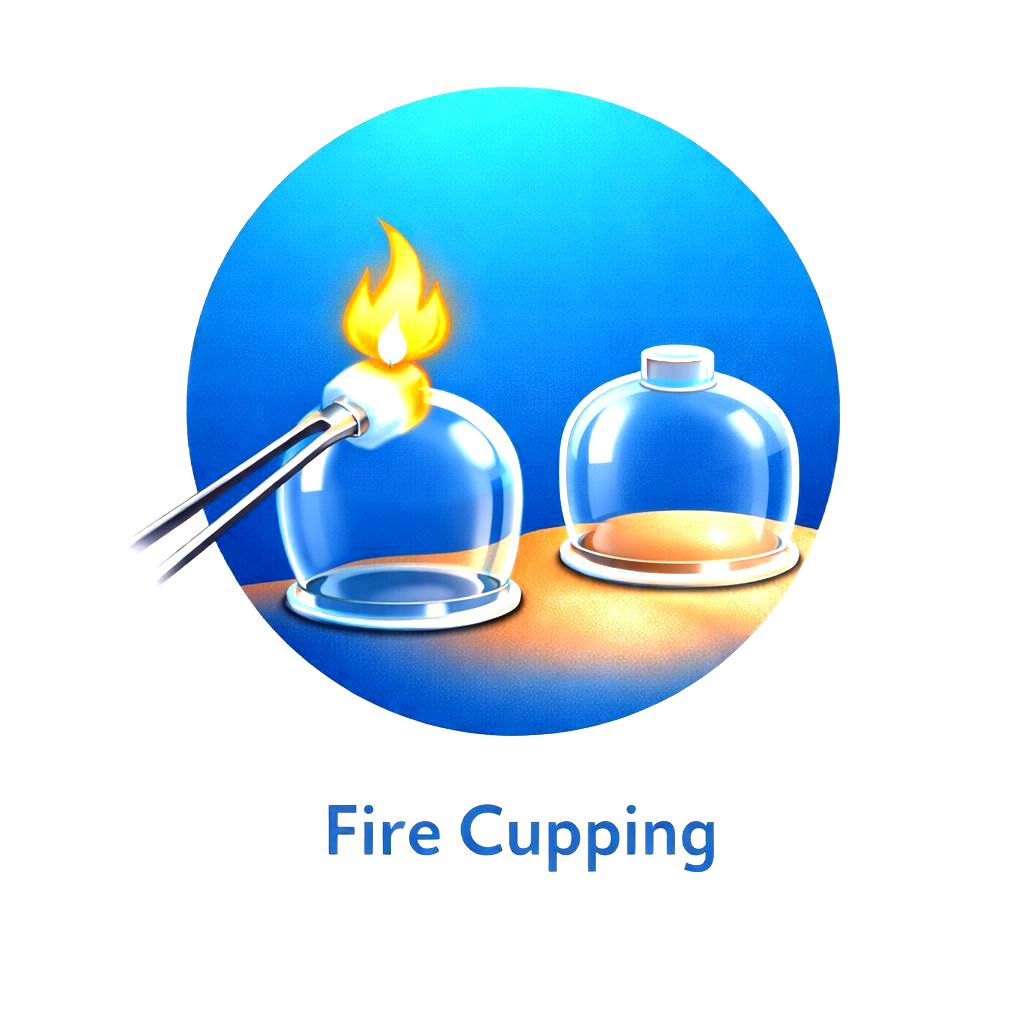
Fire Cupping
A flame briefly heats the air inside the cup before placement, creating suction as the air cools.
Silicone or Massage Cupping
Soft cups are moved across the skin during massage-like treatments to target muscle tension and fascia.
How Does Cupping Therapy Work?
Cupping therapy works by creating negative pressure on the skin. Unlike massage, which compresses tissue, cupping lifts tissue upward.
Practitioners believe this process may:
- Increase local blood circulation
- Reduce muscle tightness
- Encourage lymphatic drainage
- Improve fascial mobility
- Stimulate the nervous system
- Promote relaxation
- Support recovery after physical activity
Although traditional explanations often involve concepts such as energy flow or stagnation, modern clinical theories focus more on circulation, neuromuscular response, and soft tissue mobilisation.
The circular marks left after treatment are not usually bruises. They are typically caused by tiny blood vessels responding to suction pressure beneath the skin surface.
Does Cupping Therapy Really Help With Pain?
Pain management is one of the main reasons people seek cupping therapy. Some individuals report noticeable relief after treatment, particularly for musculoskeletal discomfort.
Conditions commonly associated with cupping therapy include:
- Neck pain
- Shoulder tension
- Back pain
- Sports injuries
- Muscle stiffness
- Tension headaches
- Fibromyalgia symptoms
- Joint discomfort
Research suggests cupping may provide short-term pain relief for some people, especially when combined with physiotherapy, stretching, and exercise rehabilitation.
A growing number of sports therapists and rehabilitation professionals use cupping as part of recovery programmes because the suction may help loosen soft tissue restrictions and improve mobility temporarily.
However, cupping is not considered a cure for chronic medical conditions, and results vary from person to person.
Scientific Evidence Behind Cupping Therapy
One of the most important questions people ask is whether scientific evidence supports cupping therapy.
The current research landscape is mixed.
Some studies suggest cupping may help reduce pain intensity and improve quality of life in certain musculoskeletal conditions. Other studies conclude that more high-quality clinical trials are needed before firm conclusions can be made.
Researchers face challenges because:
- Treatment methods vary significantly
- Study sample sizes are often small
- Placebo effects can influence results
- Patient experiences are subjective
Despite these limitations, several systematic reviews have noted potential benefits in pain reduction and short-term symptom relief.
Importantly, many healthcare professionals view cupping therapy as a complementary treatment rather than a replacement for medical care.
Potential Benefits of Cupping Therapy
Improved Blood Flow
One widely discussed benefit of cupping therapy is improved circulation. Increased blood flow may help oxygen and nutrients reach tissues more effectively.
Better circulation may contribute to:
- Muscle recovery
- Reduced stiffness
- Temporary pain relief
- Tissue relaxation
Reduced Muscle Tension
Athletes and office workers alike often use cupping to ease tight muscles. The lifting effect on soft tissue may reduce feelings of restriction and improve mobility temporarily.
Stress Reduction and Relaxation
Many patients report feeling deeply relaxed during and after treatment. The calming effect may help reduce stress-related muscle tension and support overall wellbeing.
Recovery Support for Athletes
Professional athletes have helped increase public awareness of cupping therapy. Sports recovery specialists sometimes incorporate cupping into rehabilitation plans after intense physical activity.
Support for Chronic Tension
People with persistent muscular tightness may experience short-term relief from symptoms when cupping is combined with stretching, exercise therapy, and posture correction.
Can Cupping Therapy Help With Back Pain?
Back pain is one of the most common reasons people try cupping therapy.
The treatment may help reduce:
- Lower back muscle tension
- Postural tightness
- Exercise-related soreness
- Stress-related stiffness
Some patients feel looser and more mobile after treatment. However, back pain can stem from multiple causes, including nerve compression, spinal issues, inflammation, or injury.
Because of this, proper assessment is essential before beginning any therapy programme.
Persistent or severe back pain should always be evaluated by a qualified healthcare professional.
Does Cupping Therapy Help With Anxiety and Stress?
Although cupping therapy is primarily associated with physical symptoms, many people use it for relaxation and stress management.
The calming treatment environment, combined with gentle nervous system stimulation, may promote feelings of relaxation.
Some people report improvements in:
- Stress levels
- Sleep quality
- General wellbeing
- Mental relaxation
However, cupping should not replace professional mental health support when needed.
Is Cupping Therapy Safe?
Cupping therapy is generally considered safe when performed by a trained and qualified practitioner using proper hygiene standards.
Common temporary side effects include:
- Circular skin marks
- Mild soreness
- Skin sensitivity
- Light bruising
- Fatigue after treatment
Less common risks include:
- Burns from fire cupping
- Skin irritation
- Infection
- Dizziness
- Excessive skin damage from strong suction
People should avoid cupping therapy if they have:
- Open wounds
- Skin infections
- Blood clotting disorders
- Severe eczema or psoriasis in treatment areas
- Certain cardiovascular conditions
Pregnant individuals and people with serious medical conditions should consult a healthcare professional before treatment.
Who Should Consider Cupping Therapy?
Cupping therapy may be suitable for people seeking complementary support for:
- Muscle tension
- Sports recovery
- Stress management
- General relaxation
- Mild chronic pain
- Mobility support
It is especially popular among:
- Athletes
- Office workers
- Fitness enthusiasts
- Individuals with physically demanding jobs
However, treatment suitability varies by individual health needs and medical history.
What Happens During a Cupping Therapy Session?
A typical cupping session usually begins with a consultation about symptoms, medical history, and treatment goals.
The practitioner then places cups on targeted areas such as:
- Back
- Shoulders
- Neck
- Legs
The cups remain in place for several minutes while suction is maintained.
Some practitioners also use moving cupping techniques where lubricated cups glide across the skin.
Most sessions last between 20 and 45 minutes.
After treatment, patients are often advised to:
- Stay hydrated
- Avoid intense exercise immediately
- Rest if needed
- Monitor skin reactions
Why Do Cupping Marks Appear?
One of the most recognisable aspects of cupping therapy is the circular marks left on the skin.
These marks occur because suction affects tiny blood vessels beneath the surface.
The colour and intensity vary depending on:
- Suction strength
- Skin sensitivity
- Duration of treatment
- Circulation patterns
Marks typically fade within several days to two weeks.
They are generally not considered harmful when treatment is performed correctly.
Cupping Therapy vs Massage Therapy
People often compare cupping therapy with massage because both focus on muscle relaxation and soft tissue care.
Massage Therapy
- Uses compression and pressure
- Relaxes muscles manually
- Improves circulation through manipulation
Cupping Therapy
- Uses suction and lifting
- Targets fascia and soft tissue differently
- May create deeper decompression effects
Some rehabilitation clinics combine both approaches within broader wellness programmes.
Can Cupping Therapy Replace Medical Treatment?
Cupping therapy should not replace conventional medical care for serious conditions.
Instead, many practitioners position it as:
- A supportive therapy
- A complementary recovery tool
- Part of holistic wellness programmes
Anyone experiencing persistent pain, neurological symptoms, or worsening health problems should seek professional medical evaluation.
Responsible practitioners usually encourage integrated care approaches that combine evidence-based medicine with supportive therapies where appropriate.
What Does the NHS Say About Cupping Therapy?
In the UK, cupping therapy is generally classified as a complementary therapy rather than a mainstream medical treatment.
While some patients find it helpful, the NHS typically advises caution regarding treatments lacking strong clinical evidence.
People considering cupping should:
- Choose qualified practitioners
- Understand the limitations of evidence
- Avoid unrealistic health claims
- Continue necessary medical treatment
This balanced approach helps patients make informed decisions about their healthcare options.
How to Choose a Qualified Cupping Practitioner
Finding a properly trained practitioner is extremely important.
Patients should look for professionals who:
- Follow strict hygiene standards
- Have recognised training
- Conduct thorough consultations
- Explain risks clearly
- Work within professional boundaries
Many reputable wellness clinics and healthcare providers integrate complementary therapies responsibly alongside patient education and evidence-based care.
For trusted healthcare guidance and patient-focused wellness support in the UK, many individuals explore services available through Nurse Agnes .
Common Myths About Cupping Therapy
Myth 1: Cupping Removes Toxins
There is limited scientific evidence proving cupping “removes toxins” from the body in the way some claims suggest.
Myth 2: Darker Marks Mean More Toxins
Mark colour is more likely related to blood vessel response and suction intensity rather than toxin levels.
Myth 3: Cupping Works Instantly for Everyone
Results vary significantly. Some people feel relief quickly, while others notice little difference.
Myth 4: Cupping Can Cure Diseases
Cupping therapy is not a cure for serious diseases or medical conditions.
The Growing Popularity of Cupping Therapy in the UK
Cupping therapy has grown rapidly in popularity throughout the UK wellness industry.
Several factors contribute to this rise:
- Increased interest in holistic health
- Sports recovery trends
- Social media visibility
- Celebrity athlete endorsements
- Greater public awareness of complementary therapies
As interest continues to grow, education and practitioner regulation remain important for patient safety.
Frequently Asked Questions
Does cupping therapy really work?
Cupping therapy may help some people with pain relief, muscle relaxation, and stress reduction. Results vary depending on the individual and the condition being treated.
Is cupping therapy painful?
Most people experience mild pressure or tightness rather than pain. Temporary soreness or skin sensitivity may occur afterwards.
How long do cupping marks last?
Marks usually fade within a few days to two weeks.
Can cupping help with muscle recovery?
Some athletes and therapists believe cupping may support recovery by improving circulation and reducing muscle tightness temporarily.
Is cupping scientifically proven?
Research shows some promising results for pain relief and soft tissue support, but stronger clinical evidence is still needed.
Who should avoid cupping therapy?
People with skin infections, bleeding disorders, open wounds, or certain medical conditions should avoid treatment unless advised otherwise by a healthcare professional.
Final Verdict: Does Cupping Therapy Really Help?
Cupping therapy may help certain individuals manage muscular discomfort, stress, and tension when used appropriately within a broader wellness or rehabilitation programme.
While scientific evidence continues to evolve, many people report positive experiences with temporary pain relief, improved relaxation, and recovery support.
However, cupping therapy is not a miracle cure, and expectations should remain realistic. The best outcomes often occur when complementary therapies are combined with evidence-based healthcare,
exercise, rehabilitation, and professional medical guidance.
Choosing a qualified practitioner and understanding both the benefits and limitations of treatment are essential steps for anyone considering cupping therapy in the UK.
As public interest in integrative healthcare grows, therapies such as cupping continue to play a role in modern wellness conversations, particularly among individuals seeking non-invasive support for muscular health and recovery.