How often can a nurse visit my home?
How Often Can a Nurse Visit My Home?
Home healthcare has become an essential service for people who need professional medical support without leaving the comfort of their homes. Whether someone is recovering from surgery, managing a long term illness, living with reduced mobility, or receiving palliative care, one of the most common questions is, "How often can a nurse visit my home?"
The answer depends on several factors, including your health condition, the type of nursing care required, your care plan, and whether the service is provided through the NHS or a private nursing provider.
For families across the UK, understanding how home nursing visits work can help them make informed decisions about ongoing care. This guide explains how visit frequency is determined, what influences the schedule, what services nurses provide during home visits, and when you may require more frequent support.
If you are looking for compassionate, professional home nursing services, Nurse Agnes provides personalised nursing care tailored to individual health needs across the UK.
Understanding Home Nursing Visits
A home nursing visit involves a qualified registered nurse travelling to a patient's home to provide clinical care that would otherwise require attendance at a GP surgery, community clinic, or hospital.
Unlike general home care, nursing visits focus on medical and clinical support. These visits may include:
- Wound assessment and dressing changes
- Medication administration
- Catheter care
- Stoma management
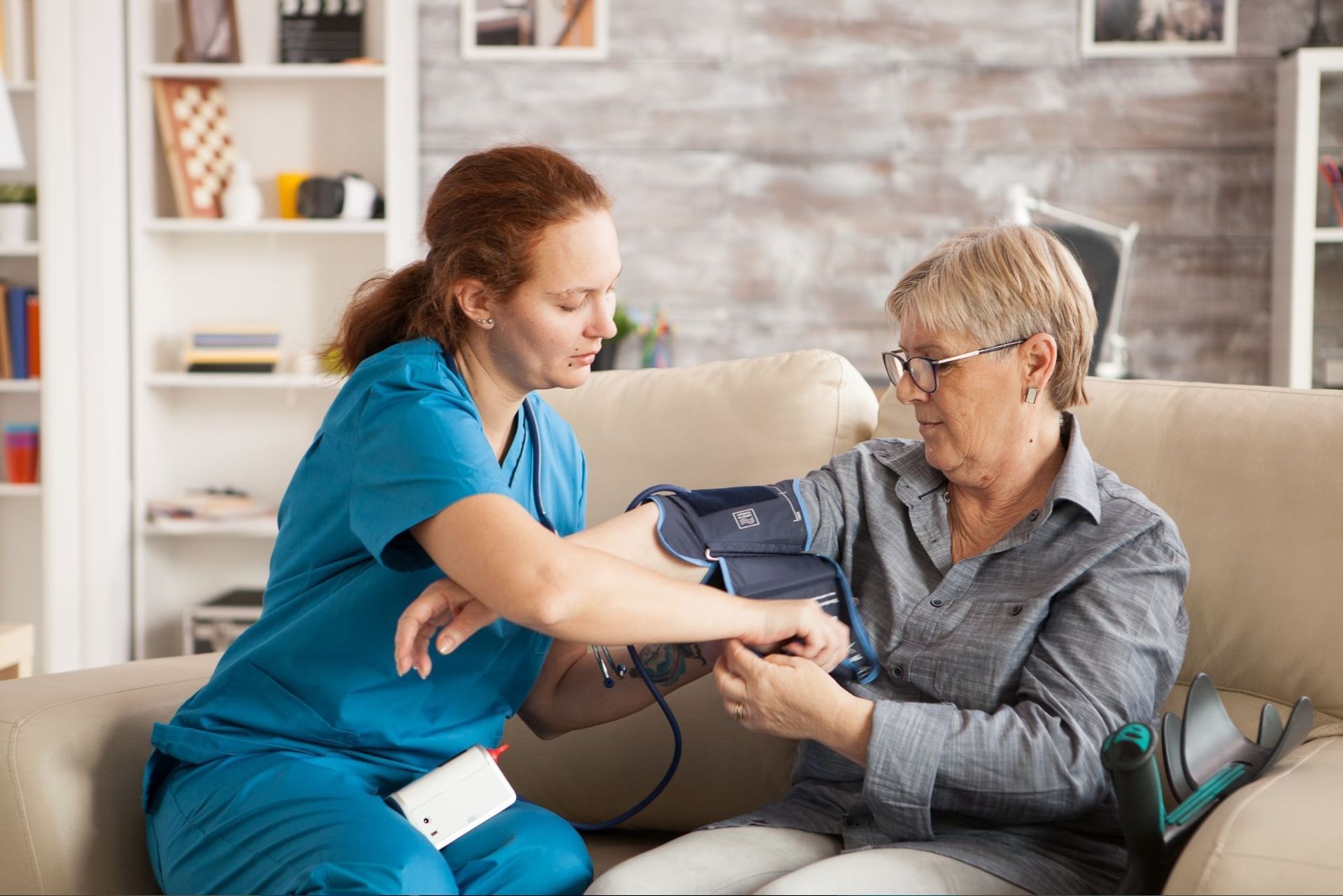
- Blood pressure monitoring
- Diabetes management
- Injection administration
- IV therapy
- Palliative care
- Post operative care
- Chronic disease monitoring
- Health assessments
Every patient receives an individual care plan based on their medical requirements.
There Is No Standard Number of Nursing Visits
One of the biggest misconceptions is that every patient receives the same number of visits.
In reality, nursing visit frequency is entirely personalised.
Some patients only require a single visit after hospital discharge, while others may benefit from several visits every day.
Typical schedules include:
- One assessment visit
- Weekly nursing visits
- Two or three visits each week
- Daily nursing visits
- Morning and evening visits
- Multiple visits throughout the day for complex care
The schedule is always based on clinical need rather than convenience.
What Determines How Often a Nurse Can Visit?
Several important factors influence how frequently a registered nurse will visit your home.
Your Medical Condition
Your overall health is the biggest deciding factor.
Someone recovering from a straightforward operation may only need temporary support for a few weeks.
In comparison, a person living with advanced Parkinson's disease, motor neurone disease, multiple sclerosis, or severe heart failure may require ongoing nursing visits.
Patients with unstable conditions usually require closer monitoring.
Your Recovery Progress
Recovery rarely follows exactly the same timeline for every individual.
Initially, you may need daily wound checks or medication support.
As healing progresses, visits may gradually reduce to weekly appointments before ending altogether.
Nurses regularly assess recovery and adjust the care plan accordingly.
Type of Treatment Required
Certain treatments require frequent nursing involvement.
Examples include:
- Daily wound dressing changes
- Intravenous antibiotic therapy
- PICC line management
- Insulin monitoring
- Pressure ulcer treatment
- Complex medication administration
- Drain management
More complex treatments generally require more regular visits.
Risk of Complications
Patients with a higher risk of infection, falls, pressure sores, dehydration, or medication complications often benefit from increased monitoring.
Frequent nursing visits help detect problems early before they become emergencies.
GP or Hospital Recommendations
Following hospital discharge, consultants or discharge teams often recommend a temporary nursing schedule.
For example:
- Daily visits for one week
- Alternate day wound reviews
- Weekly blood tests
- Medication monitoring
As recovery improves, these recommendations may change.
Common Situations and Nursing Visit Frequency
The number of home nursing visits varies depending on the condition being treated.
After Surgery
Following surgery, many patients need support with:
- Dressing changes
- Wound inspection
- Infection prevention
- Medication management
- Mobility assessments
Visit frequency often starts at two or three visits during the first week before reducing.
Managing Diabetes
Some individuals with diabetes require nursing support for:
- Blood glucose monitoring
- Insulin injections
- Foot assessments
- Education on diabetes management
Visits may range from occasional reviews to daily support for complex cases.
Palliative and End of Life Care
Patients receiving palliative care often require more frequent visits.
Nurses help manage:
- Pain relief
- Symptom control
- Medication
- Family support
- Comfort measures
- Emotional wellbeing
Some patients receive several nursing visits every day depending on their condition.
Long Term Health Conditions
Individuals living with chronic illnesses may benefit from routine nursing care.
Conditions include:
- COPD
- Heart failure
- Stroke recovery
- Parkinson's disease
- Multiple sclerosis
- Dementia
- Arthritis with complex medical needs
Visits may occur weekly, fortnightly, or monthly depending on stability.
Wound Care
Healing wounds require regular monitoring.
Examples include:
- Surgical wounds
- Leg ulcers
- Pressure ulcers
- Diabetic foot ulcers
- Traumatic injuries
Some wounds require daily dressing changes, while others may only need weekly review.
Can a Nurse Visit Every Day?
Yes.
Many patients receive daily nursing visits.
Daily visits are common for:
- Post operative recovery
- Complex wound care
- IV medications
- Catheter complications
- Palliative care
- Medication administration
- Infection management
The need for daily care is assessed clinically and reviewed regularly.
Can Nurses Visit More Than Once Per Day?
Yes.
Patients with high dependency needs sometimes receive multiple visits every day.
For example:
Morning visit
- Medication
- Personal clinical assessment
Afternoon visit
- Dressing changes
- Monitoring observations
Evening visit
- Medication administration
- Comfort care
- Symptom review
This type of schedule helps maintain patient safety while reducing unnecessary hospital admissions.
How Long Does a Home Nursing Visit Last?
Visit duration depends on the treatment required.
Typical appointments may last:
- 20 to 30 minutes for simple procedures
- 45 minutes for comprehensive assessments
- One hour or longer for complex care
- Extended visits during palliative care
The nurse will remain until required clinical tasks have been completed safely.
Who Decides the Visit Schedule?
The care plan is developed collaboratively.
It may involve:
- Registered nurses
- GPs
- Hospital consultants
- Community nursing teams
- Private nursing providers
- Family members
- The patient
The frequency is reviewed regularly to ensure it continues meeting the patient's changing needs.
Can Visit Frequency Change?
Absolutely.
Home nursing care is flexible.
Visits may increase if:
- Symptoms worsen
- Infection develops
- A new diagnosis occurs
- Recovery slows
- Medication changes
Visits may reduce when:
- Wounds heal
- Mobility improves
- Medication stabilises
- Health becomes more predictable
This flexible approach ensures patients receive the right level of care at the right time.
Benefits of Regular Home Nursing Visits
Professional nursing care at home offers advantages beyond medical treatment.
Earlier Detection of Problems
Regular assessments help identify:
- Infection
- Swelling
- Medication side effects
- Poor wound healing
- Dehydration
- Reduced mobility
Early intervention often prevents hospital admissions.
Better Recovery
Patients frequently recover more comfortably in familiar surroundings.
Home nursing promotes:
- Reduced stress
- Better sleep
- Improved independence
- Greater confidence
- Enhanced rehabilitation
Personalised Care
Unlike busy hospital environments, home nursing focuses entirely on one individual.
Care plans can be adapted as needs change.
Family Reassurance
Family members gain confidence knowing that a qualified professional is monitoring their loved one's health.
Nurses also provide valuable education and practical advice for carers.
NHS Home Nursing vs Private Home Nursing
Both NHS and private nursing services offer valuable support, but there are important differences.
NHS Community Nursing
Community nursing services are generally available to patients who meet clinical eligibility criteria.
Visit frequency depends on:
- Clinical need
- Local NHS resources
- Referral criteria
- Available community nursing teams
Some patients receive daily care, while others may have less frequent appointments.
Private Home Nursing
Private nursing offers greater flexibility.
Patients may arrange visits based on:
- Preferred schedule
- Clinical requirements
- Family circumstances
- Specialist nursing needs
Private nursing can often provide faster access and more personalised care plans.
Signs You May Need More Frequent Nursing Visits
Speak with your healthcare provider if you notice:
- Increased pain
- Fever
- Redness around wounds
- Confusion
- Breathing difficulties
- Frequent falls
- Difficulty taking medication
- Reduced appetite
- Swelling
- Persistent fatigue
These symptoms may indicate that your current care plan needs reviewing.
How Technology Is Improving Home Nursing Services
Home nursing has evolved significantly over the past decade. Modern healthcare technology allows nurses to deliver safer, more efficient, and more personalised care without requiring patients to travel to hospitals or clinics unnecessarily. This is particularly beneficial for older adults, individuals with mobility challenges, and people living with long term medical conditions.
During home visits, nurses may use digital tools to record observations, update care plans, monitor treatment progress, and communicate with other healthcare professionals involved in the patient's care. Secure electronic records ensure that important health information is accessible to authorised clinicians, helping to maintain continuity of care.
In some cases, remote monitoring devices can also support home nursing. Patients may use blood pressure monitors, blood glucose meters, pulse oximeters, or wearable devices that allow healthcare professionals to review health data between visits. While technology cannot replace face to face nursing care, it enables earlier detection of changes in a patient's condition and supports more informed clinical decisions.
This combination of personal care and modern healthcare technology helps improve patient safety while ensuring that nursing visits remain focused on delivering high quality clinical support.
Preparing for a Home Nursing Visit
Patients and family members can help make each nursing visit as productive as possible by preparing in advance. While nurses are trained to adapt to different home environments, a few simple steps can make assessments and treatments more efficient.
Before the visit, it is helpful to:
- Keep a list of current medications available.
- Make a note of any new symptoms or concerns.
- Prepare questions about treatment or recovery.
- Ensure there is adequate lighting in the treatment area.
- Keep dressings or prescribed medical supplies nearby if requested.
- Inform the nurse about any recent hospital admissions or changes in medication.
- Ensure pets are safely secured if necessary during treatment.
Good communication between patients, family members, and nurses helps ensure that any changes in health are identified quickly and addressed appropriately.
The Importance of Continuity of Care
Many patients value seeing the same nurse or a small team of familiar nurses whenever possible. This continuity of care offers several important benefits.
A nurse who regularly visits the same patient becomes familiar with their medical history, preferences, recovery progress, and any ongoing concerns. They are often able to notice subtle changes in physical or mental health that may not be immediately obvious during a single appointment.
Continuity also helps build trust. Patients often feel more comfortable discussing symptoms, worries, or personal concerns with a nurse they know well. This open communication can lead to earlier intervention and more effective treatment.
For family members, seeing familiar healthcare professionals provides reassurance that their loved one is receiving consistent, personalised care from people who understand their individual needs.
Choosing the Right Home Nursing Provider
Whether arranging temporary care after surgery or ongoing nursing support for a chronic condition, selecting the right provider is an important decision. Not all nursing services offer the same level of expertise, flexibility, or personalised care.
When comparing providers, consider the following factors:
Qualified and Experienced Nurses
Ensure the service employs fully qualified registered nurses with experience in the type of care required, whether that involves wound management, complex medical conditions, palliative care, or post operative recovery.
Personalised Care Plans
Every patient's health needs are different. A reputable provider should carry out an initial assessment and develop a tailored care plan that can be adjusted as circumstances change.
Flexible Scheduling
Health conditions can change unexpectedly. Choosing a provider that can adapt visit frequency and respond quickly to changing clinical needs offers greater peace of mind.
Clear Communication
Good providers maintain regular communication with patients, relatives, GPs, and other healthcare professionals involved in the patient's care. This collaborative approach helps ensure coordinated treatment and better outcomes.
Compassionate, Patient Centred Care
Clinical expertise is essential, but so is kindness. A compassionate nurse who listens carefully, respects patient dignity, and understands individual preferences can make a significant difference to the overall care experience.
Why Early Home Nursing Support Can Make a Difference
Many people wait until a medical condition becomes more serious before considering professional nursing care. However, arranging support earlier can often prevent complications and improve long term outcomes.
Regular assessments allow nurses to identify potential problems before they require emergency treatment.
For example, early intervention may help prevent wound infections, pressure ulcers, dehydration, medication errors, or avoidable hospital admissions.
Early nursing involvement also provides valuable education for patients and family carers. Nurses can demonstrate safe medication management, advise on mobility techniques, explain warning signs to watch for, and recommend lifestyle adjustments that support recovery and overall wellbeing.
For individuals living with progressive health conditions, early planning allows care to be introduced gradually, helping patients maintain independence for as long as possible while ensuring additional support is available when needed.
Ultimately, home nursing is about more than treating illness. It is about promoting comfort, dignity, independence, and quality of life. By receiving professional healthcare in familiar surroundings, many patients feel more confident managing their condition while remaining close to family and maintaining their daily routines. These benefits make home nursing an increasingly valuable option for people seeking personalised, flexible healthcare in the comfort of their own home.
Questions to Ask Before Arranging Home Nursing
Before organising home nursing services, consider asking:
- How often will visits be reviewed?
- Can visit frequency change if my condition changes?
- What treatments can be provided at home?
- Will I see the same nurse regularly?
- Are emergency visits available?
- Can weekend appointments be arranged?
- Is overnight nursing available?
- What happens if my health improves?
Clear communication helps ensure expectations match the care provided.
Frequently Asked Questions
How often can a nurse visit my home?
A nurse may visit once, weekly, daily, or several times each day depending on your medical condition, treatment plan, and healthcare needs.
Can I request additional nursing visits?
Yes. If your health changes or you require additional support, your care plan can usually be reviewed. Private nursing providers often offer greater flexibility in arranging extra visits.
Are home nursing visits available seven days a week?
Many home nursing services provide care seven days a week. Availability depends on the provider and your individual care requirements.
Can nurses administer medication during home visits?
Yes. Registered nurses can safely administer prescribed medications, injections, intravenous treatments, and monitor medication effectiveness where appropriate.
Is home nursing suitable for elderly patients?
Yes. Older adults often benefit greatly from home nursing, particularly when managing multiple medical conditions, recovering from illness, or wishing to remain independent at home.
Final Thoughts
The frequency of home nursing visits is never based on a fixed timetable. Instead, it is determined by your health condition, treatment requirements, recovery progress, and overall care goals. Some people only need occasional clinical support, while others benefit from daily or multiple daily visits to manage complex medical needs safely.
Regular nursing visits provide much more than medical treatment. They offer reassurance, promote recovery, help prevent complications, and enable many people to remain safely in their own homes rather than returning to hospital. As healthcare increasingly moves towards personalised community care, flexible home nursing services continue to play a vital role in improving patient outcomes and quality of life.
If you or a loved one requires professional nursing care at home, speaking with an experienced nursing provider can help you understand the most appropriate level of support based on individual needs. A tailored care plan ensures you receive the right care, at the right time, in the place where many people feel most comfortable: home.