What Do Private Nurses Do?
Healthcare is no longer confined to hospitals and clinics. As patient needs evolve and expectations rise, more individuals and families are turning to private nursing care for personalised, high-quality support in the comfort of their own homes. But what exactly do private nurses do, and how do they differ from NHS or hospital-based nurses?
This guide explores the full scope of private nursing, answering one of the most commonly searched healthcare questions while offering practical insight for families considering this service.
Understanding Private Nursing Care
Private nurses are fully qualified, registered healthcare professionals who provide one-to-one medical and personal care outside of traditional clinical settings. They work independently or through agencies, offering tailored care plans that prioritise comfort, dignity, and individual needs.
Unlike public healthcare services, private nursing is highly flexible. It can be arranged for a few hours a week, overnight support, or even full-time live-in care.
Private nurses often care for:
- Elderly individuals who need ongoing support
- Patients recovering after surgery or hospital discharge
- Individuals with chronic illnesses or complex conditions
- People requiring palliative or end-of-life care
- Clients who prefer private, uninterrupted medical attention
Key Responsibilities of a Private Nurse
Private nurses perform a wide range of duties that combine clinical expertise with compassionate care. Their role goes far beyond basic assistance, often acting as a bridge between medical professionals and families.
1. Personalised Medical Care
One of the most important responsibilities of a private nurse is delivering medical care tailored to the patient’s specific condition.
This may include:
- Administering medication and prescribed injections
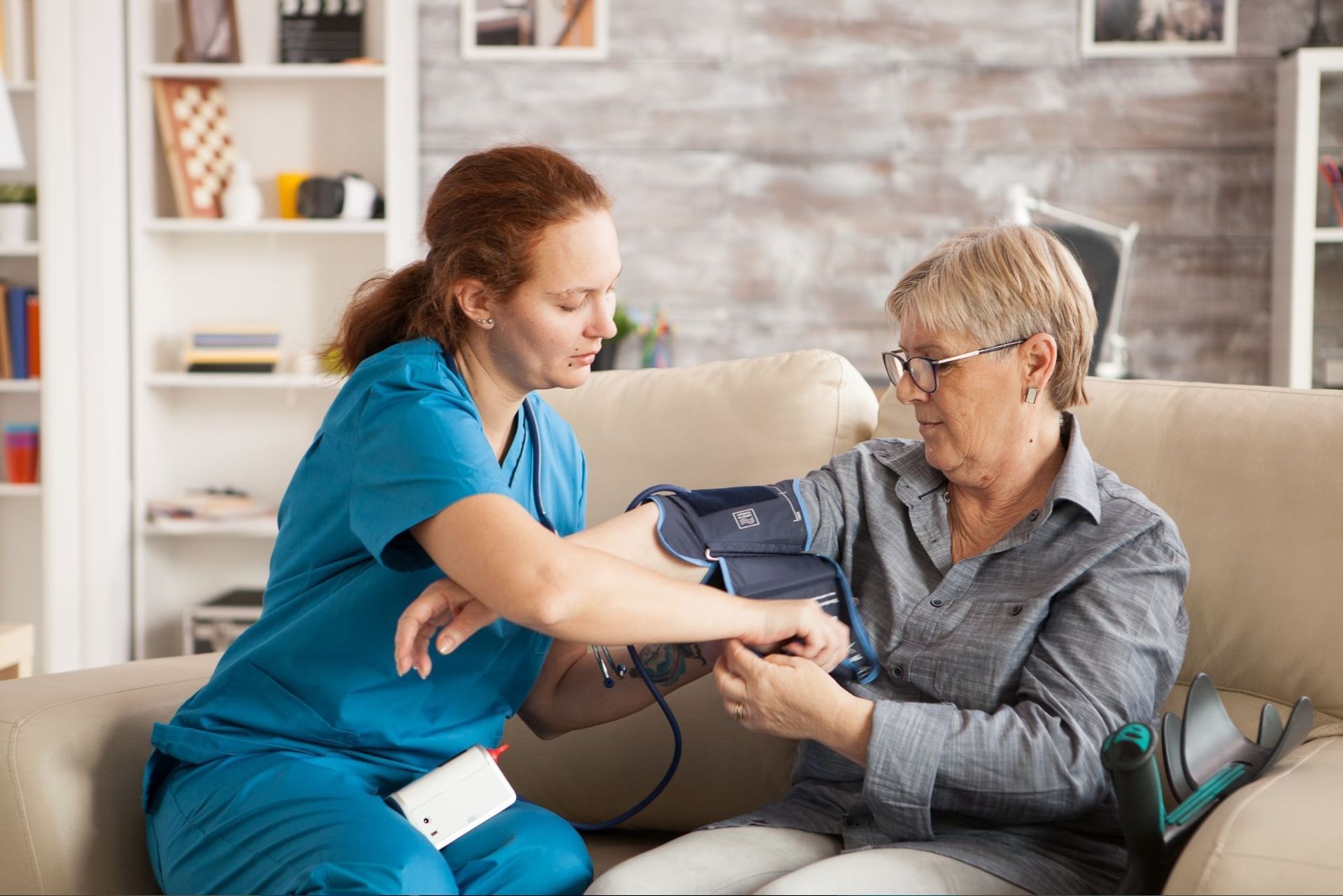
- Monitoring vital signs such as blood pressure, pulse, and oxygen levels
- Managing wounds, dressings, and post-surgical recovery
- Supporting patients with chronic illnesses like diabetes or heart disease
- Coordinating with GPs and consultants
Because the care is one-to-one, private nurses can closely monitor changes in a patient’s condition and respond quickly.
2. Post-Hospital Recovery Support
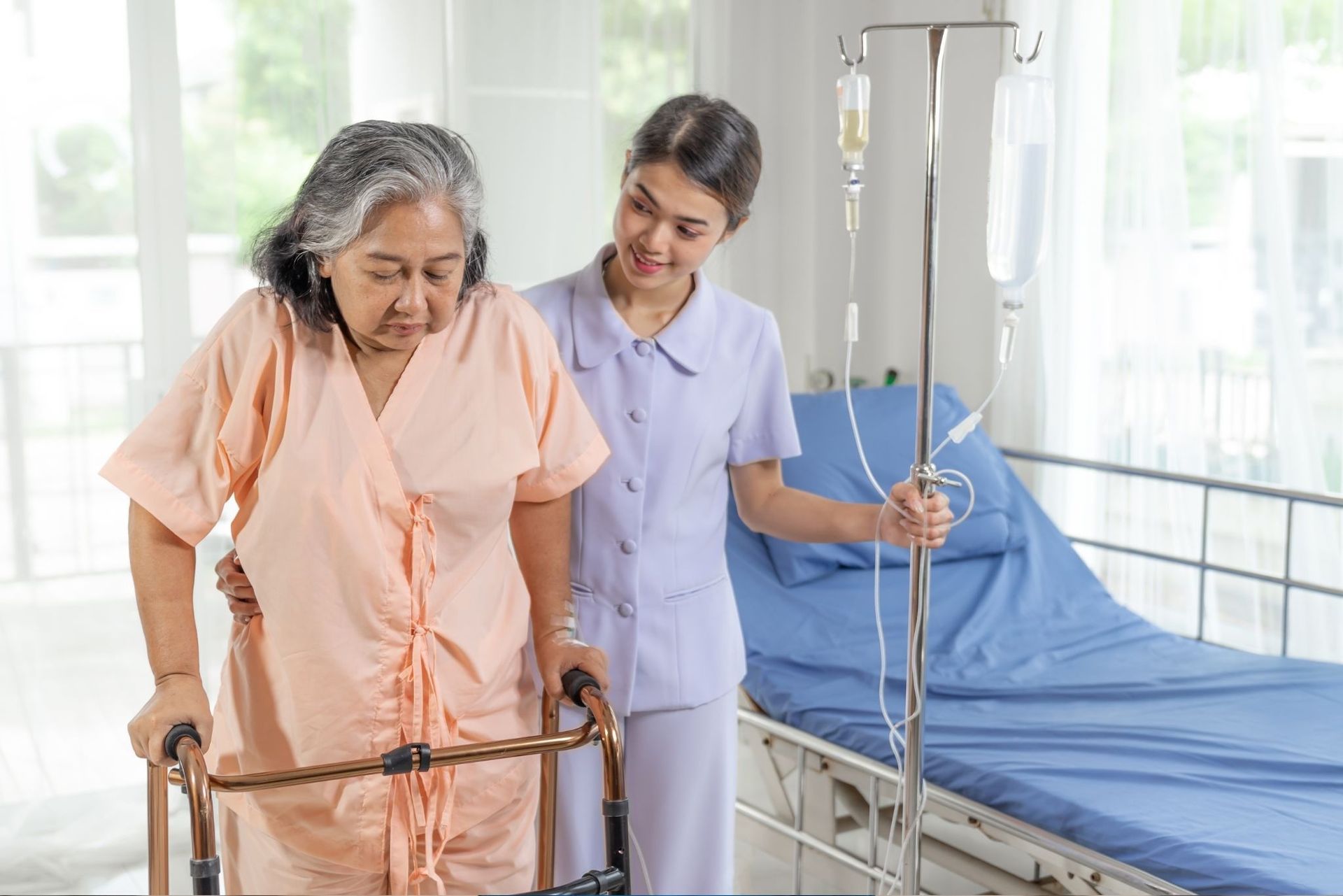
After a hospital stay, many patients need additional care to recover safely. Private nurses play a crucial role in preventing complications and reducing the risk of readmission.
They help with:
- Pain management
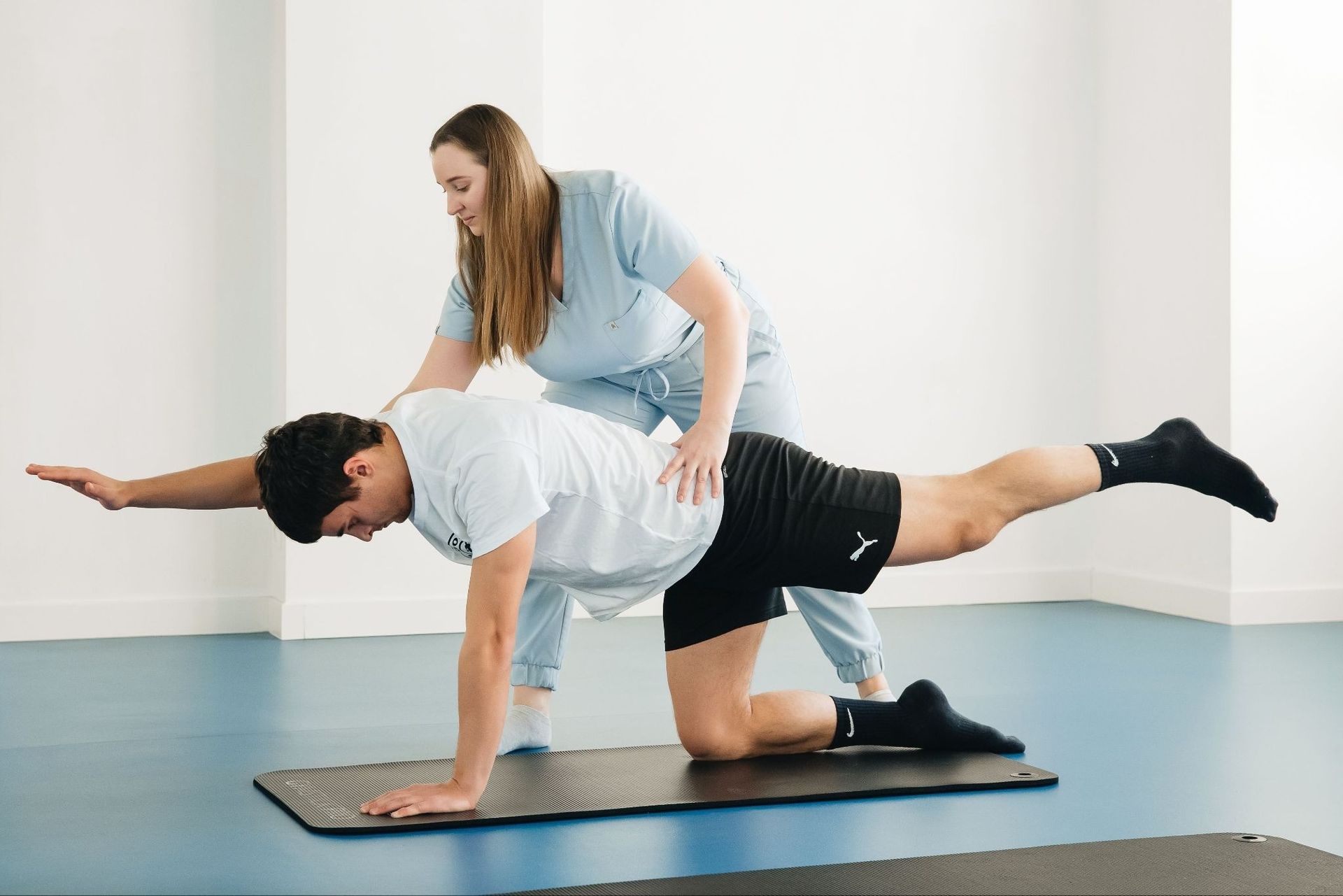
- Mobility support and rehabilitation exercises
- Medication schedules
- Monitoring for signs of infection or complications
- Ensuring the home environment supports recovery
This continuity of care often leads to faster and smoother recovery outcomes.
3. Elderly Care and Companionship
Private nurses frequently support older adults who wish to remain in their own homes rather than move into residential care.
Their duties include:
- Assisting with daily activities such as bathing, dressing, and eating
- Helping maintain mobility and independence
- Providing companionship to reduce loneliness and isolation
- Monitoring cognitive health and spotting early signs of conditions like dementia
This holistic approach improves not just physical health but also emotional wellbeing.
4. Palliative and End-of-Life Care
Private nurses are highly valued for their role in palliative care. They provide compassionate support to individuals with life-limiting illnesses, focusing on comfort and dignity.
Responsibilities in this area include:
- Managing pain and symptoms
- Offering emotional support to patients and families
- Assisting with personal care needs
- Coordinating with hospice teams and medical professionals
Having a skilled nurse present can make an immense difference during such sensitive times.
5. Specialist and Complex Care
Some patients require advanced medical care at home due to complex conditions. Private nurses are trained to handle specialised equipment and procedures.
This may involve:
- Ventilator or respiratory support
- Feeding tubes and nutritional management
- Catheter care
- Neurological condition support
- Tracheostomy care
These services allow patients with complex needs to live more comfortably outside of hospital settings.
6. Medication Management
Managing medications correctly is essential for patient safety. Private nurses ensure that prescriptions are followed accurately.
They:
- Administer medications at the correct times
- Monitor side effects and interactions
- Keep detailed records
- Communicate with doctors if adjustments are needed
This reduces the risk of errors and improves treatment effectiveness.
7. Health Monitoring and Reporting
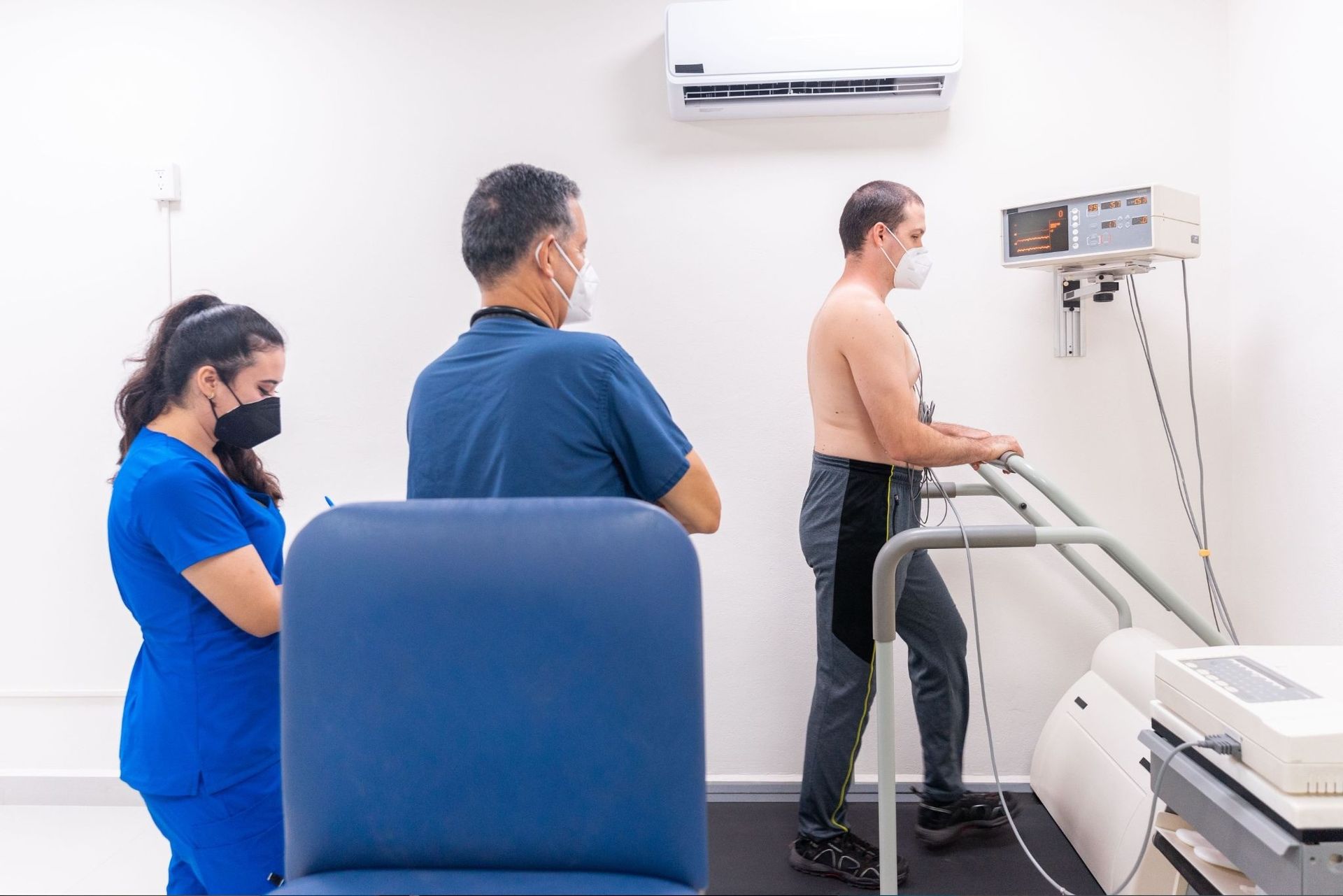
Private nurses provide ongoing health assessments, which are vital for early detection of problems.
They track:
- Changes in physical condition
- Appetite and hydration levels
- Sleep patterns
- Mobility and strength
- Mental health and mood
Regular updates are often shared with family members and healthcare providers, ensuring everyone stays informed.
8. Emotional and Psychological Support
Healthcare is not just physical. Many patients experience anxiety, depression, or fear, especially when dealing with illness or recovery.
Private nurses offer:
- Reassurance and companionship
- Active listening and emotional support
- Encouragement during rehabilitation
- Stability and routine
This human connection is one of the most valued aspects of private care.
9. Support for Families
Private nurses also provide relief and guidance for family members who may be acting as informal carers.
They help by:
- Taking over complex care tasks
- Educating families on care routines
- Offering respite so family carers can rest
- Providing reassurance and professional advice
This reduces stress and ensures the patient receives consistent, high-quality care.
Where Do Private Nurses Work?
Private nurses typically provide care in a variety of non-clinical environments, including:
- Private homes
- Assisted living settings
- Rehabilitation environments
- Holiday or temporary accommodation
Their ability to adapt to different settings makes them a flexible option for many families.
Benefits of Hiring a Private Nurse
Understanding what private nurses do becomes clearer when looking at the benefits they offer.
Personalised Attention
Patients receive one-to-one care tailored specifically to their needs, something rarely possible in busy hospital settings.
Comfort and Familiarity
Being cared for at home helps patients feel more relaxed and secure, which can positively impact recovery.
Flexibility
Care plans can be adjusted as needs change, whether short-term or long-term support is required.
Continuity of Care
Patients often work with the same nurse or small team, building trust and consistency.
Faster Recovery
Individualised care and close monitoring often lead to improved health outcomes.
Private Nurses vs NHS Nurses
While both private and NHS nurses are highly trained professionals, their working environments and responsibilities differ.
| Aspect | Private Nurses | NHS Nurses | |
|---|---|---|---|
| 1 | Care Setting | Home or private environment | Hospitals and clinics |
| 2 | Patient Ratio | One-to-one | Multiple patients |
| 3 | Flexibility | Highly flexible schedules | Fixed shifts |
| 4 | Personalisation | Fully tailored care plans | Standardised care protocols |
Private nurses complement NHS services rather than replace them, offering additional support where needed.
Who Should Consider a Private Nurse?
Private nursing is suitable for a wide range of individuals, including:
- Elderly people wanting to stay at home
- Patients recovering from surgery
- Individuals with chronic or complex conditions
- Families needing professional caregiving support
- Those seeking enhanced privacy and personalised care
It is especially beneficial when regular healthcare services cannot fully meet specific needs.
Choosing the Right Private Nursing Service
Selecting a reliable private nursing provider is crucial. Key factors to consider include:
- Professional qualifications and registrations
- Experience in relevant care areas
- Reputation and client reviews
- Flexibility of services offered
- Communication and transparency
Working with a trusted provider ensures peace of mind and high standards of care.
For those seeking experienced and compassionate professionals, services like
Nurse Agnes offer tailored private nursing care designed around individual needs.
The Future of Private Nursing in the UK
Demand for
private nursing is growing rapidly across the UK. Factors contributing to this trend include:
- An ageing population
- Increased preference for home-based care
- Pressure on public healthcare systems
- Greater awareness of personalised healthcare options
As healthcare continues to evolve, private nurses are becoming an essential part of the care landscape.
So, what do private nurses do? They provide far more than basic care. They deliver expert medical support, emotional reassurance, and personalised attention that adapts to each patient’s unique situation.
From post-operative recovery to long-term condition management and end-of-life care, private nurses play a vital role in improving quality of life. Their ability to combine clinical expertise with compassion makes them an invaluable resource for individuals and families alike.
For anyone considering private nursing, understanding these responsibilities is the first step towards making an informed and confident decision.
How Private Nurses Create Individual Care Plans
A defining feature of private nursing is the development of highly personalised care plans. Unlike standardised healthcare approaches, private nurses assess each individual in depth before designing a plan that reflects their medical condition, lifestyle, preferences, and long-term goals.
This process typically includes:
- A comprehensive health assessment
- Reviewing medical history and current treatments
- Identifying risks and care priorities
- Consulting with family members and other healthcare professionals
- Setting clear, measurable care goals
These care plans are not static. Private nurses regularly review and adjust them based on the patient’s progress or any changes in their condition. This adaptability ensures that care remains effective and relevant at every stage.
The Role of Private Nurses in Preventative Healthcare
Private nurses are not only focused on treating existing conditions but also play an important role in prevention. Early intervention can significantly reduce the risk of serious complications.
Preventative care responsibilities include:
- Identifying early warning signs of illness
- Supporting healthy lifestyle habits such as nutrition and exercise
- Monitoring chronic conditions to prevent deterioration
- Providing education on disease management
- Encouraging adherence to treatment plans
By focusing on prevention, private nurses help patients maintain independence and avoid unnecessary hospital visits.
Technology and Private Nursing
Modern private nursing increasingly incorporates technology to enhance patient care and communication. This integration allows for more accurate monitoring and faster response times.
Private nurses may use:
- Digital health records to track patient progress
- Remote monitoring devices for vital signs
- Telehealth consultations with doctors and specialists
- Medication management apps
- Mobility and safety devices within the home
Technology supports better coordination between healthcare providers while ensuring patients receive timely interventions when needed.
Live-In Private Nurses vs Visiting Nurses
Private nursing services can be structured in different ways depending on the level of care required.
Live-In Private Nurses
Live-in nurses reside in the patient’s home, providing continuous care and immediate assistance. This is ideal for individuals with complex or round-the-clock needs.
Key benefits include:
- Constant supervision and support
- Immediate response to emergencies
- Strong patient-nurse relationship
- Peace of mind for families
Visiting Private Nurses
Visiting nurses attend the home at scheduled times, which may range from a few hours a week to daily visits.
This option suits individuals who:
- Require specific medical tasks such as wound care or injections
- Are largely independent but need occasional support
- Are in recovery phases with improving health
Both options offer flexibility, allowing families to choose the level of care that best fits their situation.
Legal and Professional Standards
Private nurses in the UK are regulated professionals who must meet strict standards to practise safely and ethically.
They are typically:
- Registered with the Nursing and Midwifery Council
- Bound by professional codes of conduct
- Trained in safeguarding and patient confidentiality
- Experienced in clinical best practices
This ensures that patients receive care that is not only compassionate but also clinically sound and legally compliant.
Cost of Private Nursing in the UK
The cost of hiring a private nurse varies depending on several factors, including:
- Level of care required
- Duration and frequency of service
- Complexity of medical needs
- Location within the UK
While private nursing is a paid service, many families view it as a valuable investment in quality care, comfort, and peace of mind. In some cases, funding options or insurance may help cover part of the cost.
Common Misconceptions About Private Nurses
Despite growing awareness, there are still several misconceptions about private nursing.
It Is Only for the Wealthy
While private nursing does involve costs, there are flexible care options available for different budgets. Short-term or part-time care can make services more accessible.
It Replaces Doctors
Private nurses do not replace doctors. Instead, they work alongside GPs and specialists to provide continuous, hands-on care.
It Is Only for Elderly Patients
Private nurses care for individuals of all ages, including younger patients recovering from surgery or living with chronic conditions.
It Is Only for Serious Illness
Private nursing can also support general health, recovery, and preventative care, not just critical conditions.
How to Get Started with Private Nursing
Arranging private nursing care is usually a straightforward process when working with a reputable provider.
Steps typically include:
- Initial consultation to discuss needs and expectations
- Assessment by a qualified professional
- Development of a personalised care plan
- Matching with a suitable nurse
- Ongoing monitoring and adjustments
Clear communication throughout this process ensures that both patients and families feel confident and informed.
Why Personalised Care Matters More Than Ever
Modern healthcare is shifting towards individual-centred care, where the focus is on treating the person rather than just the condition. Private nurses are at the forefront of this approach.
They take the time to understand:
- Personal routines and preferences
- Cultural and emotional needs
- Family dynamics
- Long-term health goals
This deeper level of understanding leads to better patient satisfaction, improved outcomes, and a higher quality of life.
Final Conclusion
Private nurses provide a comprehensive, flexible, and deeply personalised form of healthcare that goes far beyond traditional services. Their responsibilities span medical treatment, emotional support, preventative care, and family guidance.
As more people seek healthcare solutions that prioritise comfort, dignity, and individual attention, private nursing continues to grow in importance across the UK.
Whether supporting recovery, managing long-term conditions, or providing compassionate end-of-life care, private nurses play an essential role in delivering high-quality care where it matters most, at home.
For those exploring professional and reliable care options,
Nurse Agnes remains a trusted destination for personalised
private nursing services tailored to every stage of life.