Is it faster to go private or NHS?
When it comes to accessing healthcare in the UK, one of the most frequently asked questions is whether it is faster to go private or use the NHS. With growing waiting lists, increasing demand, and evolving patient expectations, this question has become more relevant than ever. Patients are no longer just concerned about the quality of care. They also want timely access, flexibility, and reassurance.
In this guide, we will explore the differences between private healthcare and NHS services in terms of waiting times, accessibility, quality, and overall experience. This article is designed to provide clear, evidence-based insights so that patients can make informed decisions about their care.
Understanding the NHS System
The National Health Service is the backbone of healthcare in the UK. It provides comprehensive medical services that are free at the point of use for residents. Funded through taxation, the NHS is built on principles of equality and accessibility.
However, due to high demand and limited resources, waiting times can vary significantly depending on the type of treatment required.
Typical NHS Waiting Times
For non-emergency procedures, patients often experience delays at multiple stages:
- Waiting to see a GP
- Referral to a specialist
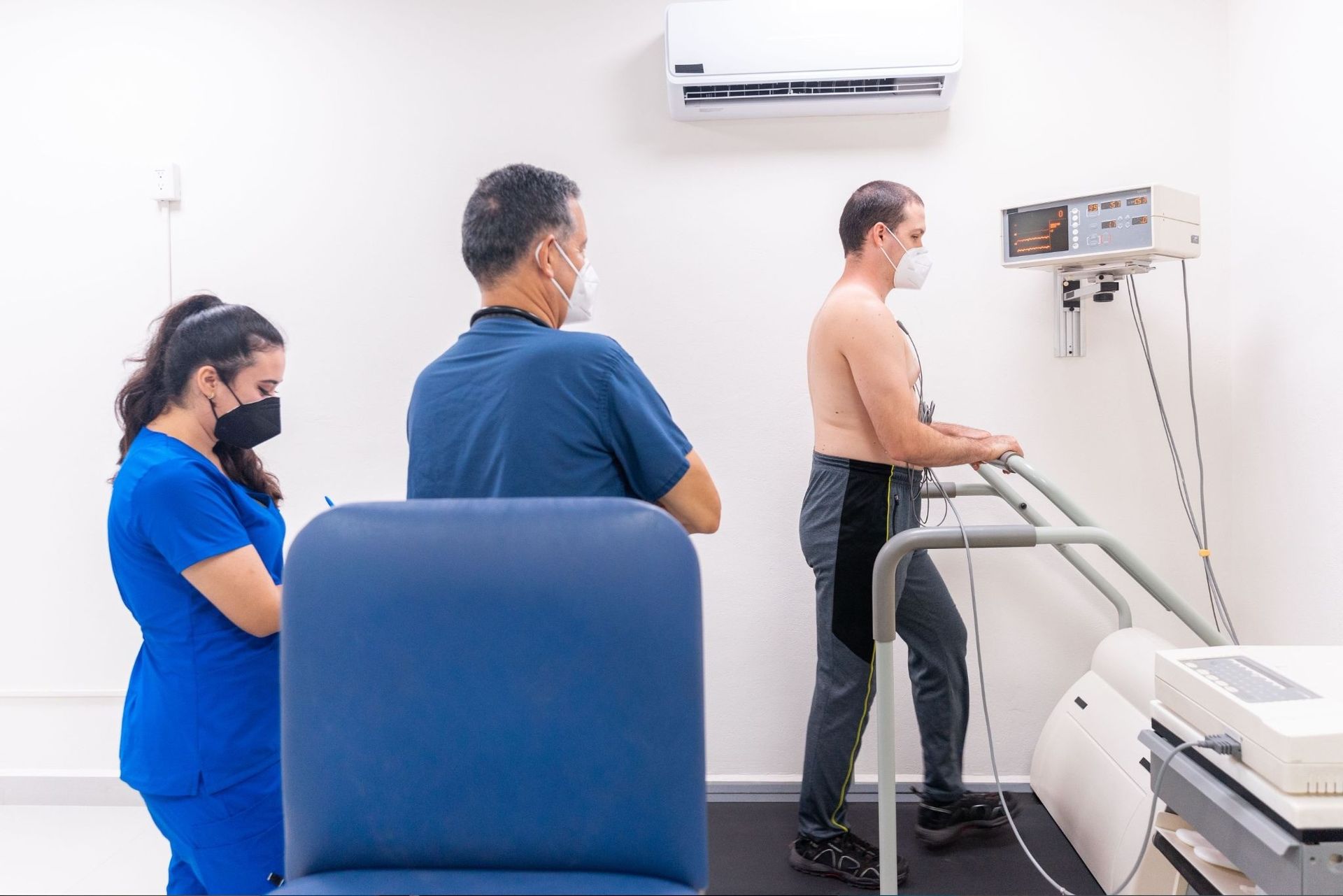
- Diagnostic testing such as scans
- Scheduling of treatment or surgery
According to recent NHS data, patients may wait several weeks for specialist consultations and several months for elective procedures. In some cases, waiting times can extend beyond 18 weeks, particularly in high-demand areas like orthopaedics, dermatology, and mental health services.
Why NHS Waiting Times Are Longer
Several factors contribute to delays:
- High patient volume
- Workforce shortages
- Budget constraints
- Increased demand due to ageing population
- Post-pandemic backlog
While the NHS prioritises urgent and life-threatening cases, non-urgent treatments may be delayed.
What Is Private Healthcare?
Private healthcare in the UK operates alongside the NHS and offers medical services through independent providers. Patients can access private care by paying out of pocket or through private health insurance.
Private healthcare is often associated with shorter waiting times, greater flexibility, and a more personalised experience.
Is Private Healthcare Faster?
In most cases, yes. Private healthcare is generally faster than the NHS, particularly for non-emergency treatments.
Faster Appointments
Private providers typically offer appointments within days rather than weeks. Patients can often choose convenient time slots, including evenings and weekends.
Quick Access to Specialists
Unlike the NHS, where a GP referral is usually required, private patients can often self-refer or get faster referrals. This reduces the time taken to see a consultant.
Reduced Waiting for Diagnostics
Private clinics provide rapid access to diagnostic tests such as:
- MRI scans
- CT scans
- Blood tests
- Ultrasounds
Results are often delivered within a few days, compared to longer waiting periods in the NHS.
Shorter Surgery Waiting Times
Elective procedures such as joint replacements, cataract surgery, or minor operations can be scheduled much more quickly in private healthcare settings. In many cases, surgery can take place within a few weeks.
Comparing NHS vs Private Healthcare
Waiting Times
- NHS: Longer waiting periods due to demand
- Private: Significantly shorter waiting times
Cost
- NHS: Free at the point of use
- Private: Paid services or covered by insurance
Flexibility
- NHS: Limited appointment choices
- Private: Flexible scheduling and location options
Continuity of Care
- NHS: May involve multiple providers
- Private: Often more consistent care with the same consultant
Facilities
- NHS: High-quality but often stretched resources
- Private: Modern facilities with more comfort and privacy
Does Faster Mean Better?
Speed is important, but it should not be the only factor when choosing between private and NHS care.
Quality of Care
Both NHS and private healthcare providers maintain high standards. Many consultants work in both sectors, meaning the level of expertise is often comparable.
Complex and Emergency Care
The NHS excels in handling emergencies and complex conditions. It has access to a wide range of specialists and resources that private providers may not always match.
Integrated Services
The NHS offers integrated care across multiple specialties, which can be beneficial for patients with chronic or complex health needs.
When Should You Consider Going Private?
Private healthcare may be a suitable option in the following situations:
- You want to avoid long waiting times
- You need a quick diagnosis
- You prefer flexible appointment times
- You are seeking a second opinion
- You require a non-urgent elective procedure
For example, patients dealing with ongoing pain, mobility issues, or mental health concerns may find that faster access to treatment significantly improves their quality of life.
When Is the NHS the Better Choice?
The NHS remains the best option in many scenarios:
- Emergency care
- Serious or life-threatening conditions
- Long-term chronic disease management
- Maternity services
- Complex surgeries requiring multidisciplinary teams
It provides comprehensive care without financial burden, which is a critical factor for many patients.
Blended Approach: Using Both NHS and Private Care
An increasing number of patients are choosing a hybrid approach. This involves using private services for faster diagnosis or initial consultations and then continuing treatment within the NHS.
For instance, a patient might:
- Get a private consultation quickly
- Receive a diagnosis and treatment plan
- Transfer back to the NHS for ongoing care
This approach can reduce waiting times while keeping costs manageable.
The Role of Community-Based Care
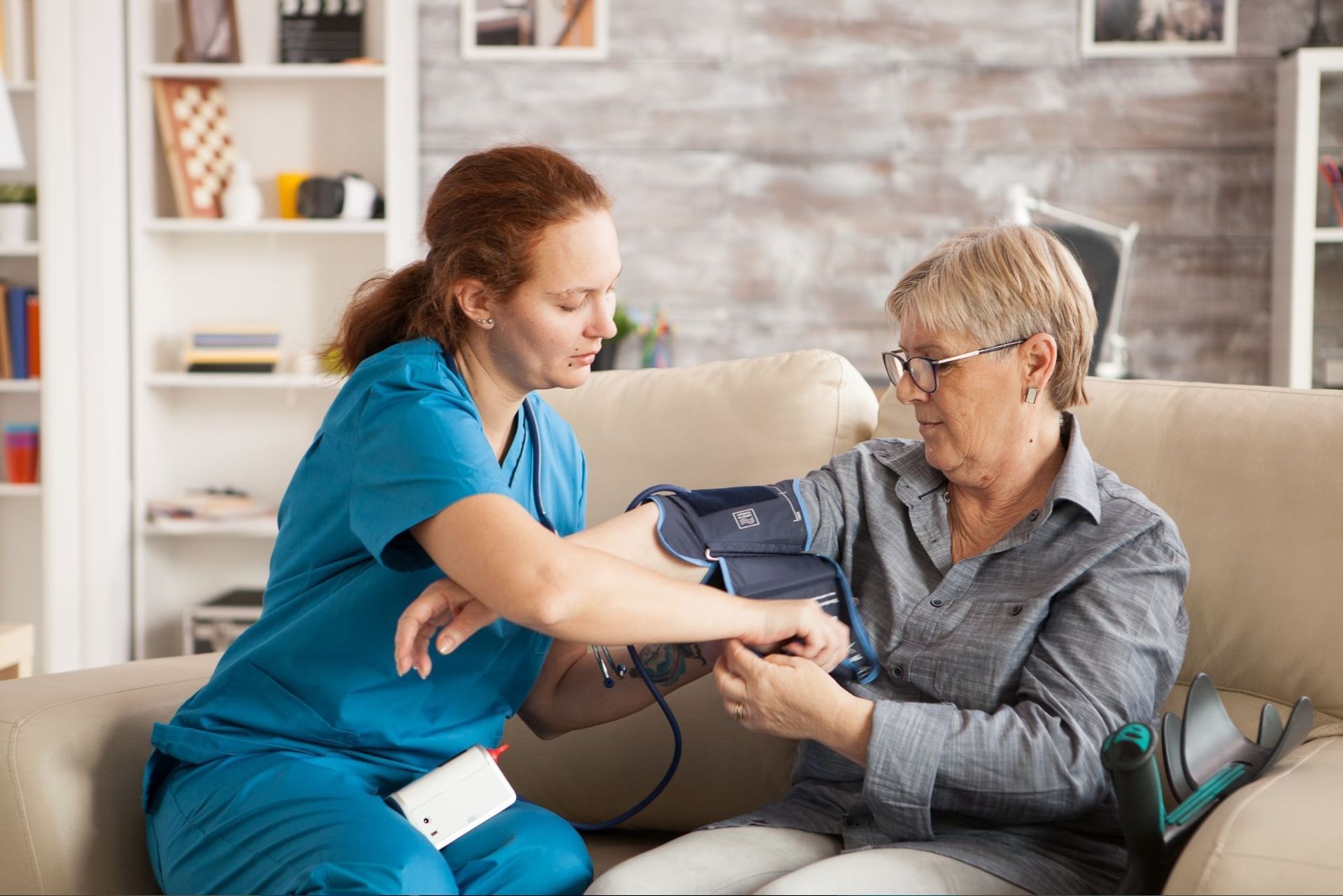
Community healthcare providers are becoming an important part of the UK healthcare ecosystem. They bridge the gap between hospital care and home support, offering services such as:
- Home nursing
- Elderly care
- Rehabilitation support
- Chronic condition management
For those seeking timely and personalised care outside hospital settings, organisations like Nurse Agnes provide professional and compassionate healthcare services tailored to individual needs. As a trusted
private nurse London provider, they offer fast access to expert care in the comfort of your home.
Key Factors to Consider Before Deciding
Choosing between NHS and private healthcare depends on several personal factors:
Budget
Private care can be expensive, especially for major procedures. It is important to consider whether you have insurance or the financial capacity to cover costs.
Urgency
If your condition is causing discomfort but is not life-threatening, private care may offer quicker relief.
Location
Availability of private providers varies by region. In some areas, NHS waiting times may be shorter than others.
Personal Preference
Some patients value continuity, comfort, and convenience, which private healthcare often provides.
Common Misconceptions
Private Healthcare Is Always Better
Not necessarily. While it is faster, the NHS often provides equally high-quality care, especially for complex cases.
NHS Care Is Always Slow
Emergency and urgent care in the NHS is prioritised and delivered quickly. Delays mainly affect non-urgent treatments.
Private Care Replaces NHS Services
Private healthcare complements the NHS rather than replacing it. Both systems work together to meet patient needs.
Future Trends in UK Healthcare
The UK healthcare system is evolving to address growing demand and patient expectations. Some key
trends include:
- Increased collaboration between NHS and private providers
- Expansion of community-based care services
- Use of digital health technologies for faster consultations
- Focus on preventive care and early intervention
These developments aim to reduce waiting times and improve patient outcomes across the board.
So, is it faster to go private or NHS?
In most cases, private healthcare offers significantly faster access to consultations, diagnostics, and treatments. However, the NHS remains an essential and highly effective system, particularly for urgent and complex medical needs.
The right choice depends on your individual circumstances, including urgency, budget, and personal preferences. For many patients, combining both options provides the best balance between speed, quality, and cost.
By understanding the strengths of each system, you can make informed decisions that prioritise your health, time, and overall wellbeing.
Real Patient Scenarios: NHS vs Private Timelines
To better understand the difference in speed, it helps to look at realistic patient journeys.
Scenario 1: Orthopaedic Consultation
A patient experiencing persistent knee pain may go through the following timelines:
NHS route:
- GP appointment: 1 to 3 weeks
- Referral to specialist: 6 to 12 weeks
- MRI scan: additional 4 to 8 weeks
- Follow-up consultation: 4 to 6 weeks
Total estimated time: 3 to 6 months before treatment begins
Private route:
- Initial consultation: within a few days
- MRI scan: within 1 week
- Diagnosis and treatment plan: within 1 to 2 weeks
Total estimated time: 1 to 3 weeks
This comparison highlights why many patients choose private care for non-urgent but quality-of-life affecting conditions.
Scenario 2: Mental Health Support
Access to mental health services is another area where speed matters significantly.
NHS route:
- GP referral: 1 to 4 weeks
- Assessment appointment: 4 to 12 weeks
- Therapy sessions: additional waiting time depending on demand
Private route:
- Direct booking: within days
- Ongoing therapy: immediate or within a week
Faster access to mental health support can make a meaningful difference in recovery and overall wellbeing.
Hidden Costs and Considerations of Private Healthcare
While private healthcare offers speed, it is important to look beyond waiting times and consider the full picture.
Financial Commitment
Costs can vary widely depending on the treatment. Consultations, diagnostics, and procedures are typically billed separately. Without insurance, expenses can add up quickly.
Limited Emergency Coverage
Private healthcare is not designed for emergencies. In urgent situations, patients are usually transferred to NHS facilities, which are better equipped for critical care.
Follow-Up Care
Some private treatments may require ongoing follow-up appointments, which can increase overall costs. Patients should always ask for a full treatment plan and cost breakdown upfront.
The Impact of Waiting Times on Health
Delays in treatment are not just inconvenient. They can have real consequences for physical and mental health.
Physical Health Risks
- Conditions may worsen over time
- Pain and discomfort can increase
- Delayed diagnosis may lead to complications
Mental Health Effects
- Anxiety and stress due to uncertainty
- Reduced quality of life
- Impact on work and daily activities
This is why faster access, whether through private care or improved NHS pathways, is so important.
How to Reduce NHS Waiting Times
If private healthcare is not an option, there are still ways to potentially reduce waiting times within the NHS.
Choose Alternative Providers
Patients in England have the legal right to choose their hospital or specialist. Selecting a provider with shorter waiting lists can make a difference.
Stay Proactive
- Follow up on referrals
- Attend all scheduled appointments
- Communicate any changes in symptoms
Ask About Cancellations
Sometimes earlier appointments become available due to cancellations. Being flexible can help you secure a sooner slot.
Use Community Services
Local healthcare services, including home care and support providers, can help manage conditions while waiting for treatment. For example, accessing personalised care through Nurse Agnes can provide interim support and improve comfort during the waiting period.
For patients requiring medication administration, an
injection at home service offers a faster, more convenient alternative to clinic visits while waiting for NHS treatment.
Private Healthcare Without Insurance
Not everyone has private health insurance, but there are still ways to access private care.
Self-Pay Options
Many private providers offer fixed-price packages for common procedures. These packages often include consultations, tests, and follow-up care.
Payment Plans
Some clinics provide financing options, allowing patients to spread the cost over time.
One-Off Consultations
Patients can choose to pay for a single private consultation to get a quicker diagnosis, then return to the NHS for treatment.
This flexible approach makes private healthcare more accessible than many people assume.
The Role of Digital Healthcare
Technology is changing how quickly patients can access care.
Online GP Services
Private and NHS-backed digital GP services allow patients to consult with doctors remotely, often within hours.
Virtual Consultations
Video appointments with specialists reduce the need for travel and can speed up the diagnostic process.
Digital Prescriptions and Monitoring
Apps and online systems enable faster prescriptions and ongoing health monitoring, improving efficiency across both NHS and private sectors.
FAQs: Quick Answers for Featured Snippets
Is private healthcare always faster than the NHS?
In most non-emergency cases, private healthcare is faster due to shorter waiting lists and quicker access to diagnostics and specialists. However, NHS emergency care is often faster and more comprehensive for urgent conditions.
Can I switch from private to NHS care?
Yes, patients can move from private care back to the NHS. This is a common approach for those who want a fast diagnosis but prefer NHS treatment for cost reasons.
Is the quality of private care better?
Not necessarily. Many doctors work in both sectors. The main difference is speed, comfort, and flexibility rather than clinical quality.
How much faster is private healthcare?
Private consultations can often happen within days, compared to weeks or months on the NHS for non-urgent cases.
Do I need a GP referral for private care?
In many cases, no. Patients can self-refer directly to private specialists, which speeds up the process.
Building a Patient-Centred Decision
Choosing between private healthcare and the NHS is not just about speed. It is about finding the right balance between accessibility, affordability, and quality.
Patients should consider:
- How quickly they need treatment
- Their financial situation
- The complexity of their condition
- Their preference for comfort and convenience
There is no one-size-fits-all answer. What matters most is making a decision that supports your health and peace of mind.
Conclusion: Speed vs Sustainability
Private healthcare is generally faster, offering rapid access to consultations, tests, and treatments. For patients dealing with non-urgent conditions, this speed can significantly improve quality of life.
However, the NHS remains a vital and trusted system, especially for emergency care and complex medical needs. It provides high-quality treatment without financial barriers, making it an essential part of the UK healthcare landscape.
For many people, the most effective strategy is not choosing one over the other, but using both wisely. Fast access through private care combined with the comprehensive support of the NHS can create a balanced and effective healthcare journey.
Ultimately, understanding your options empowers you to take control of your health, reduce waiting times where possible, and access the care you need when you need it most.